

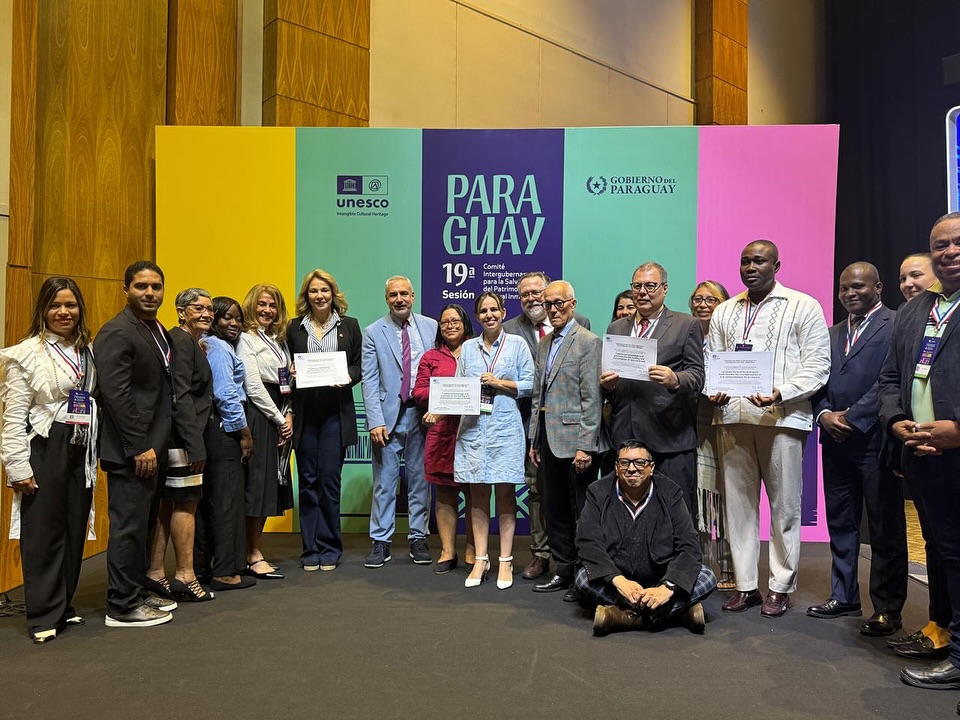
UNESCO Recognizes Casabe Production as Intangible Cultural Heritage of Humanity
In a landmark decision, UNESCO has officially recognized the traditional knowledge and practices surrounding the production and consumption of casabe as an Intangible Cultural Heritage of Humanity. The recognition follows a successful joint nomination by five countries: the Dominican Republic, Cuba, Haiti, Honduras, and Venezuela.
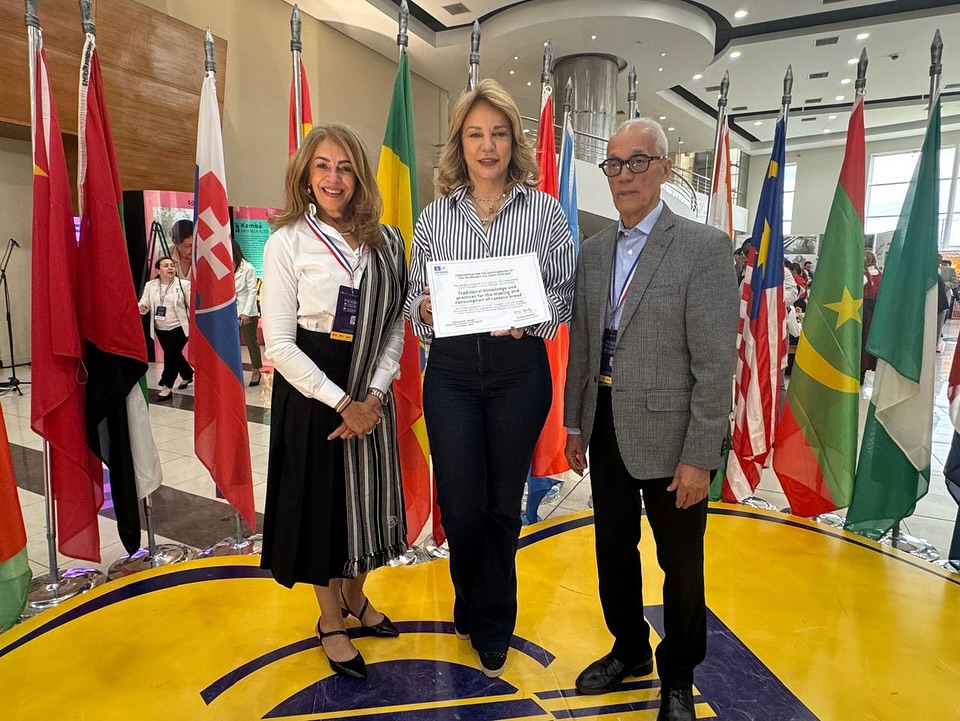
The United Nations Educational, Scientific, and Cultural Organization (UNESCO) lauded casabe for its deep cultural significance in the Caribbean, highlighting its role as a symbol of identity, social cohesion, and sustainable development in local communities. This round, flat bread, made from bitter cassava, reflects a blend of indigenous and African legacies, passed down informally in homes and formally in schools. UNESCO emphasized that casabe promotes values such as tolerance, mutual respect, and unity, while contributing to food security and the economic livelihood of countless families across the region.
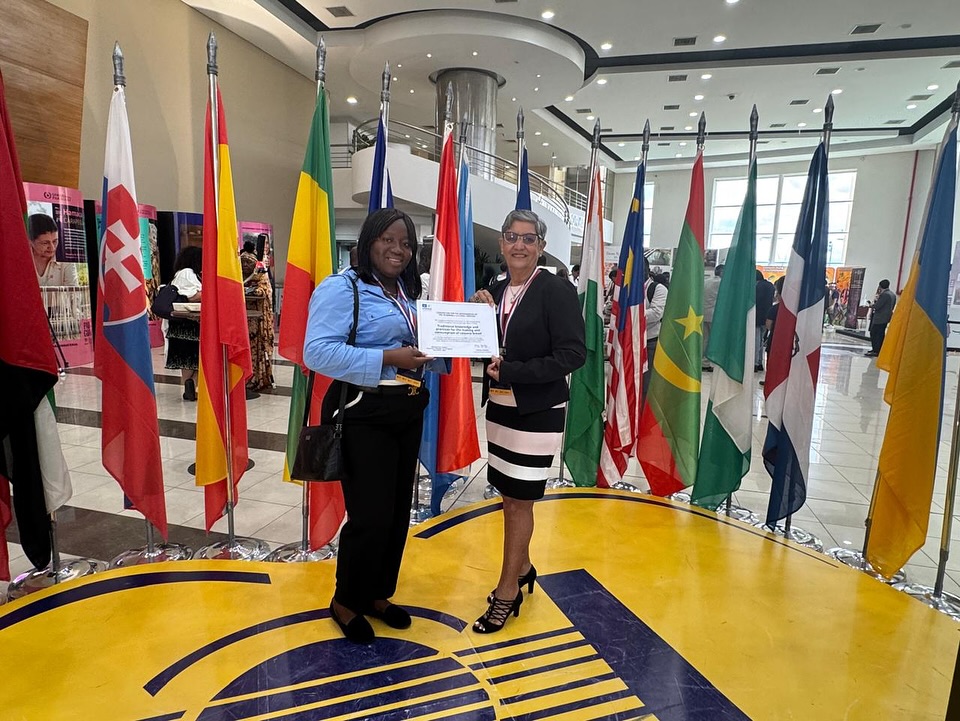
The decision underscores the importance of casabe in fostering peace and dialogue between communities and affirms its status as a key cultural reference in the Caribbean. The announcement took place during the 19th session of the Intergovernmental Committee for the Safeguarding of the Intangible Cultural Heritage, held in Asunción, Paraguay.
A Milestone for Cultural Heritage
On December 2, 2024, Dominican Culture Minister Milagros Germán traveled to Paraguay with a delegation to attend the session, where the results of the vote were announced. This session marks the first time the Dominican Republic has been elected as a member of the Committee, a position it will hold for the next four years.
The nomination process was a collaborative effort, with the five countries involved conducting numerous technical meetings to present a robust candidacy. These included in-depth discussions on the historical, social, and cultural significance of casabe, as well as the methods of transmission and the lasting relevance of this age-old practice.
Minister Germán expressed pride in the collective effort, emphasizing that casabe has remained unchanged across generations, symbolizing the continuity and resilience of the Caribbean people. She also highlighted the cross-generational bond the food establishes, connecting modern-day communities with their ancestral roots.
In her address, Germán stated, “Casabe has survived without alteration from one generation to the next, representing an important aspect of who the people of the Caribbean are and have always been.”
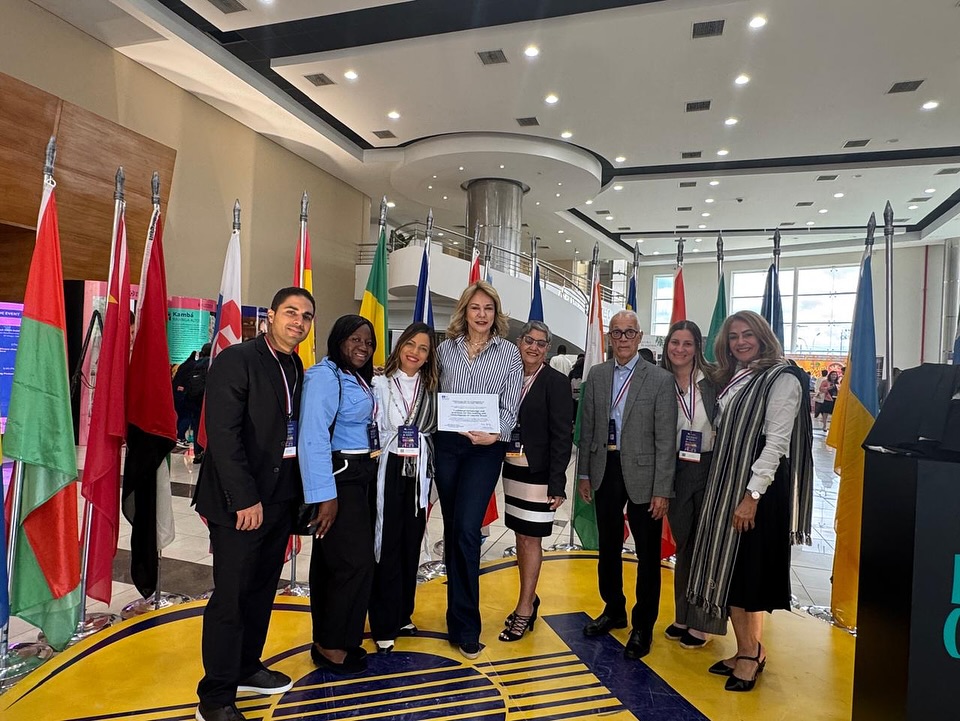
A Legacy Preserved in Every Bite
Cándida Castillo, a casabe producer from Monción, Santiago Rodríguez, celebrated the recognition, saying, “This declaration reminds us, with every bite of this marvelous delicacy, of the rich Taíno heritage we carry in our Caribbean hearts.” Similarly, Mariela Sepúlveda, a casabe maker from Los Guaricanos in Villa Mella, expressed her gratitude on behalf of the casabe producers of Santo Domingo Norte. “This recognition is a tribute to the ancestral cry of our forebears and honors the immeasurable value of their legacy in our culinary traditions,” she said.
The official recognition of casabe brings the total number of Dominican traditions listed on UNESCO’s Representative List of the Intangible Cultural Heritage of Humanity to five. Previous entries include the “Teatro Cocolo Danzante” (Los Guloyas), the Cofradía del Espíritu Santo de los Congos de Villa Mella, and the musical genres merengue and bachata.
This historic achievement highlights the enduring cultural value of casabe—a food deeply rooted in the Caribbean’s history and its future.
A Cross-Border Effort
The collaborative nomination process involved not only the technical work of government officials but also cultural and culinary ambassadors from each of the participating countries. To support the candidacy, Caribbean nations hosted events such as discussions and tastings to share the traditional practices linked to casabe production and consumption.
With this UNESCO recognition, casabe now stands as an enduring symbol of Caribbean heritage and a reminder of the shared cultural ties that bond its people together.
 Latina Republic envisions a world where the beauty and resilience of Latin American and Caribbean cultures are recognized and appreciated globally. By amplifying the voices of artists and cultural custodians, we strive to cultivate a deeper understanding of the region’s challenges and triumphs. Our goal is to inspire greater appreciation for the arts as a tool for empathy, unity, and transformative social change. Through our work, we aim to equip all stakeholders with essential insights for addressing regional challenges, ultimately enriching the global cultural landscape and portraying the victories and hardships of everyday life in Latin America.

