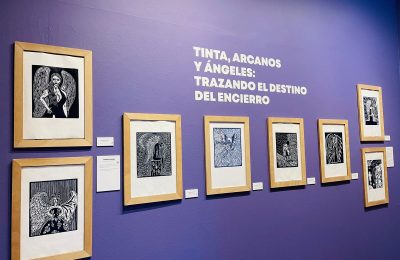

“I’m more interested in conveying a narrative than in focusing solely on light, shadow, or geometry. I want to see and transmit stories through my photos,” Fernanda Solís.
Fernanda Solís is a storyteller at heart, capturing the nuances of life through her lens as a street photographer and documentary artist. Growing up in Mexico City, her love for photography, much like her future career in communications, felt like a natural extension of herself.
“I was born and raised in Mexico City, and my love and interest in photography, more than being influenced by anything external, is something I’ve always had in my veins. When I first learned that there was a career called Communication Sciences, I didn’t exactly know what it was about, but I knew that’s what I would study when I grew up. And of course, the degree includes photography, so both things were born with me,” she reflects.
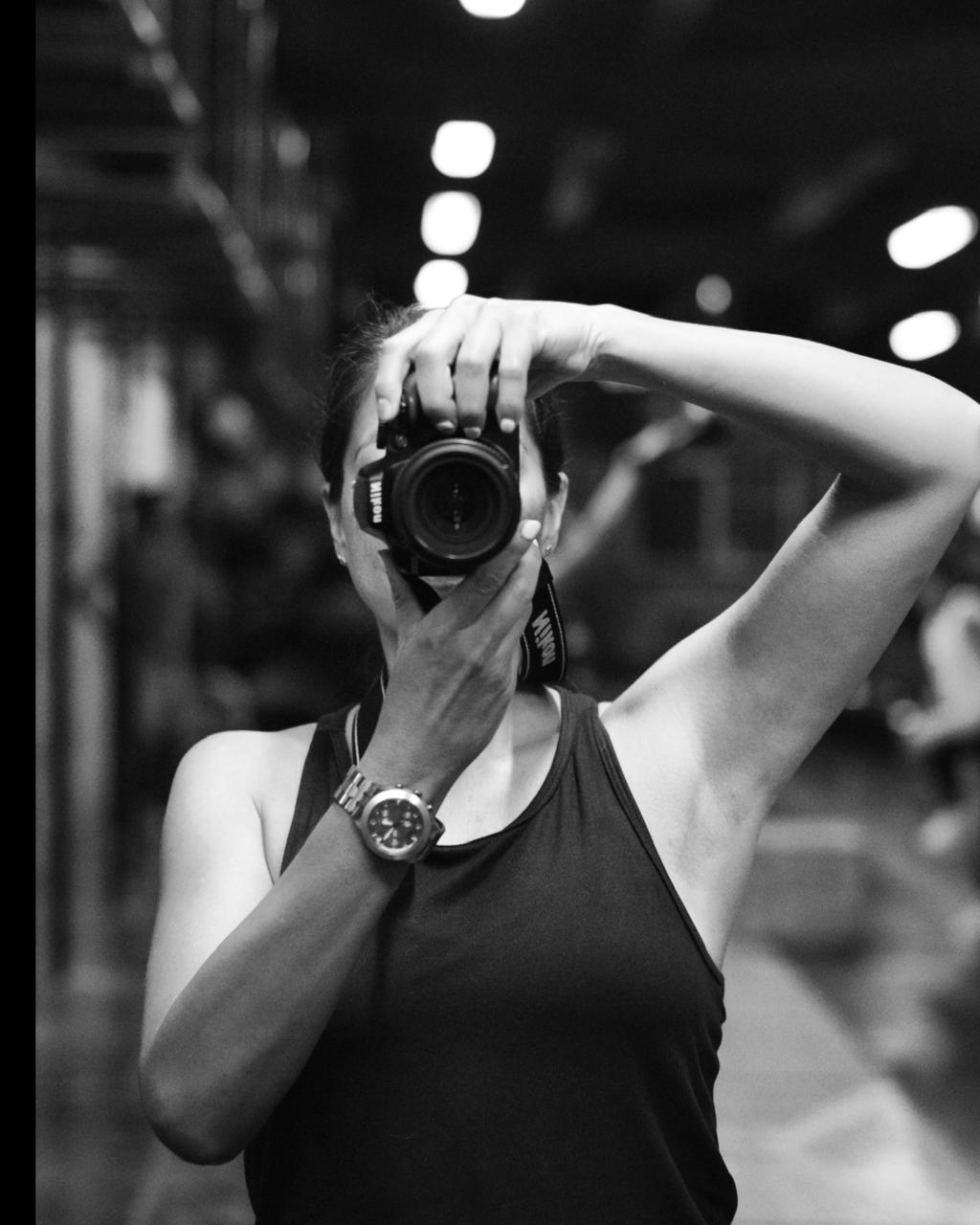
As a child, she was always the one carrying a camera, photographing everything that piqued her curiosity. “Today, I realize that my interest in photography has always been there, alongside me. I remember always carrying a camera, taking photos of everything I could, and going to the photo lab to develop roll after roll of film,” she shares.
Fernanda’s first exploration into photography occurred when she was around 10 or 11 years old. “I don’t remember the exact moment I first picked up a camera,” she says, “but I’m sure that by elementary school, I was already taking photographs: portraits of my friends, cousins, family, travels, etc.”
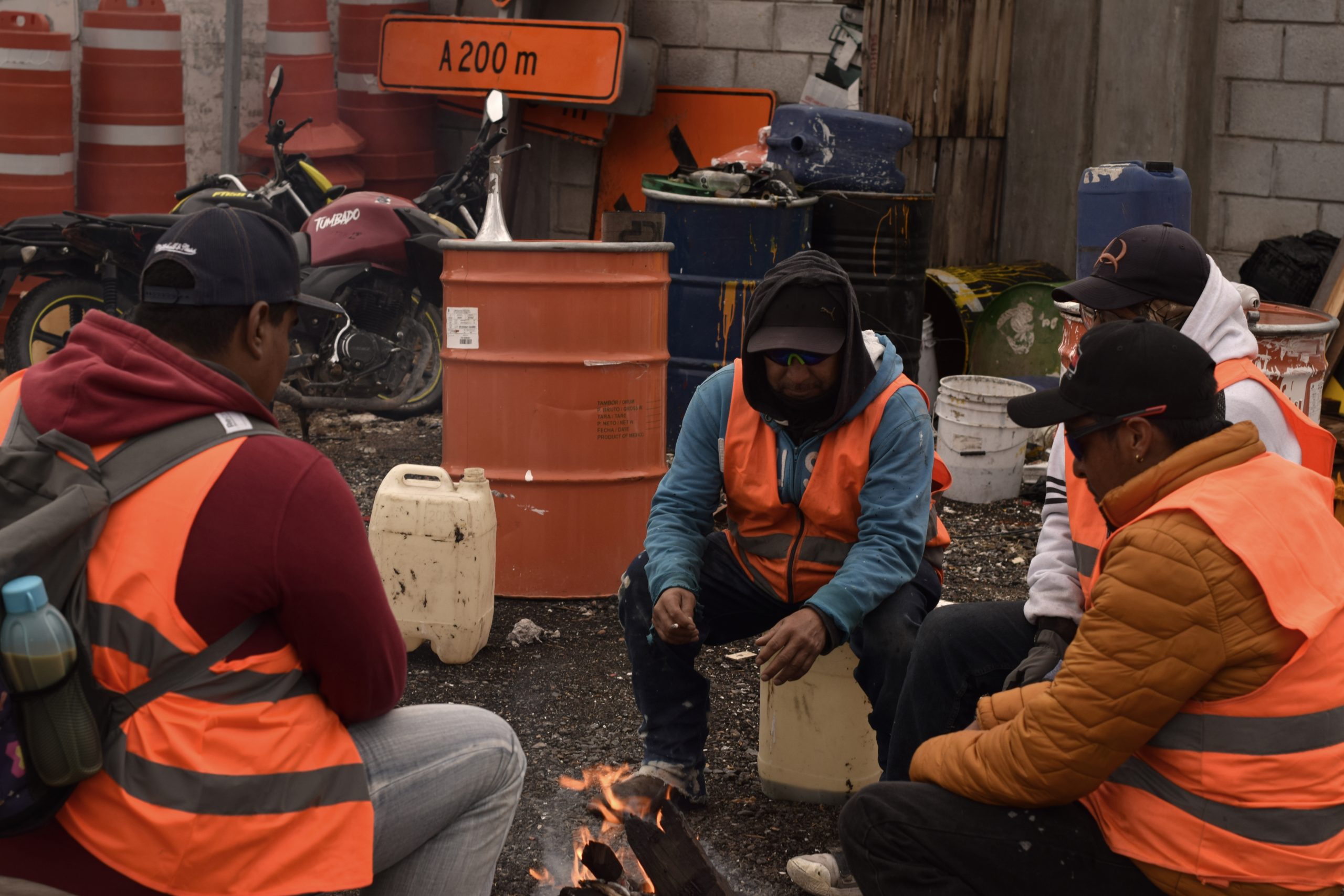
“One of my mottos is that in any place, there is always something worthy of being captured: a person, an animal, an object,” she explains. This belief is at the core of her approach to photography—the idea that every scene holds a story, if only we take the time to notice it.
Reflecting on the essence of her work, Fernanda adds, “My focus is primarily on telling stories. I aim for the characters I encounter in everyday life to tell me something, and in turn, share that something with the viewer.” The roots of this vision can be traced back to her childhood. “I found the inspiration for this when I was very young, traveling often by road with my parents and siblings,” she recalls.
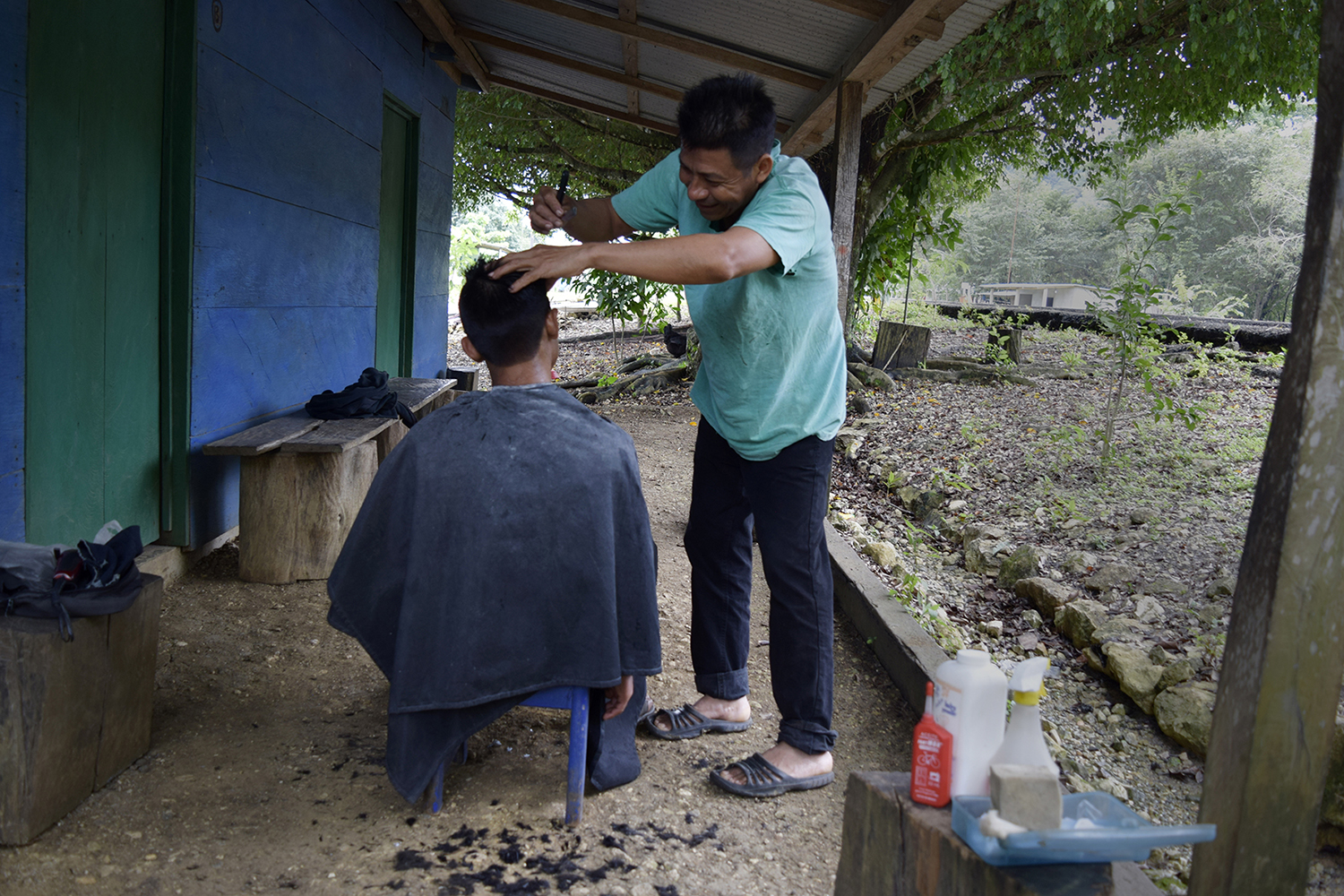
From a young age, Fernanda was deeply influenced by the road trips she took with her family, especially the journeys to visit relatives in Puebla. “My paternal family lived in Puebla, so we traveled there often,” she recalls. “During those trips, which I made countless times, I was always attentive to everything around me—the streets, the people, the weather, the environment, the animals, and so on.”
These road trips had a profound impact on her photographic style. As an adult, Fernanda realized that in today’s fast-paced, distracted world, we often overlook the beauty and significance of our surroundings.
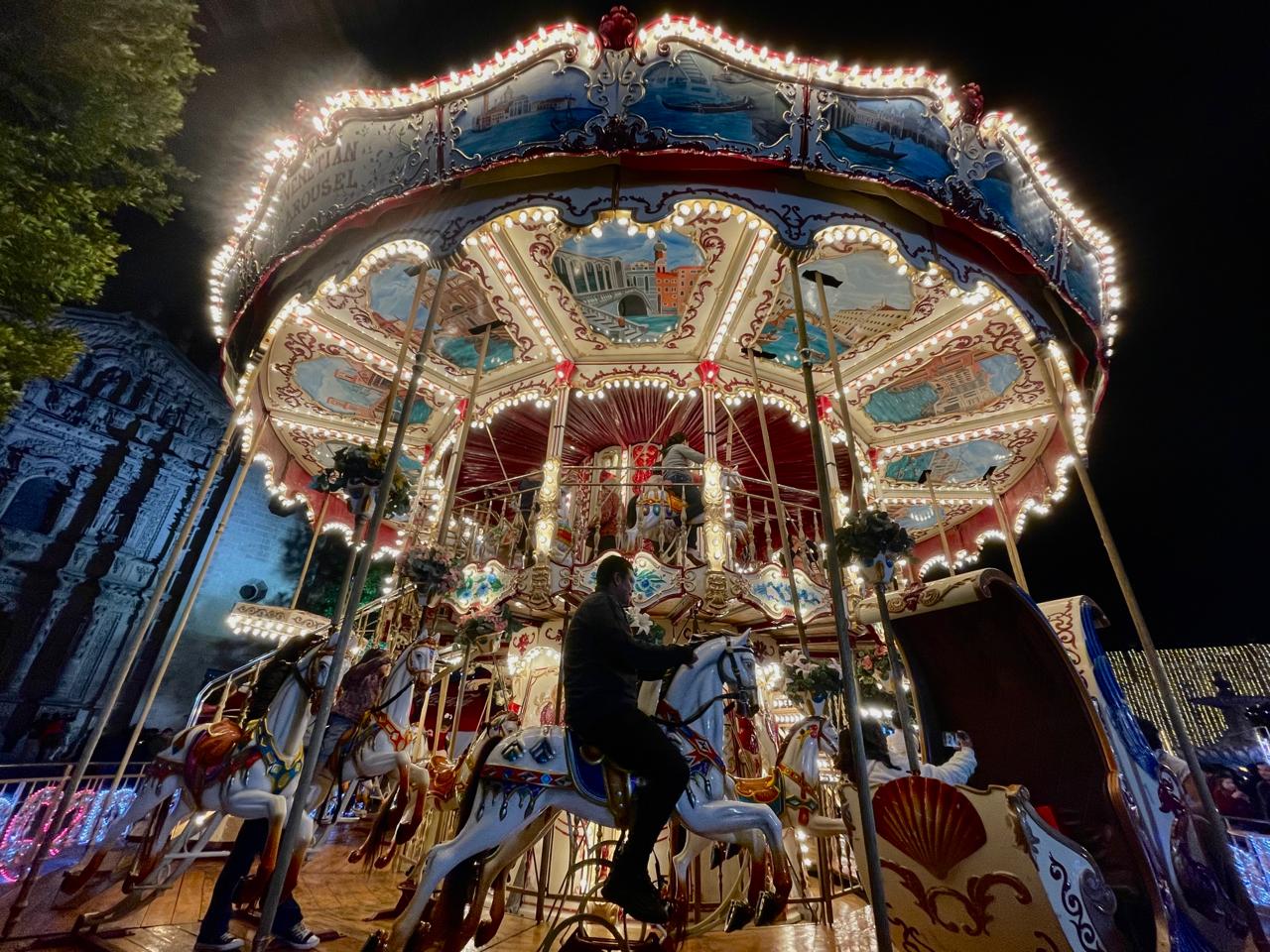
“People today are so busy, even when we’re traveling. We’re lost in our phones, social media, or other distractions, and we don’t notice the wonders around us,” Fernanda observes. “That’s why my projects (especially Road Stories) are an invitation for both myself and others to exercise our gaze.”
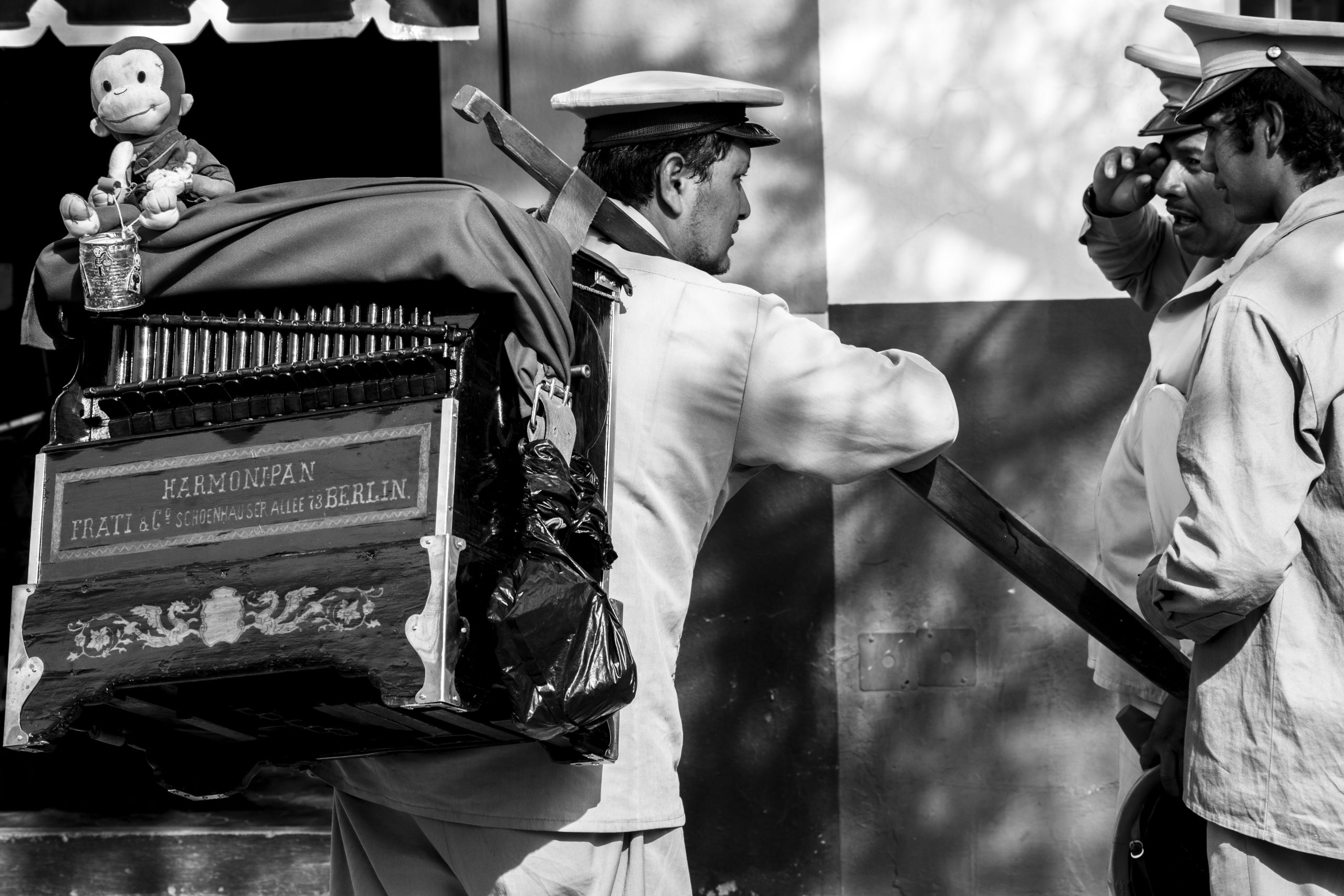
This realization inspired Fernanda to create Historias de Carretera (Road Stories), a project that invites both herself and her audience to slow down and truly observe the world around them.
“In Road Stories (Part I, as I like to call it), I photographed objects like tires, banners from local festivals, car plates, as well as people and animals—both living and dead,” she explains.
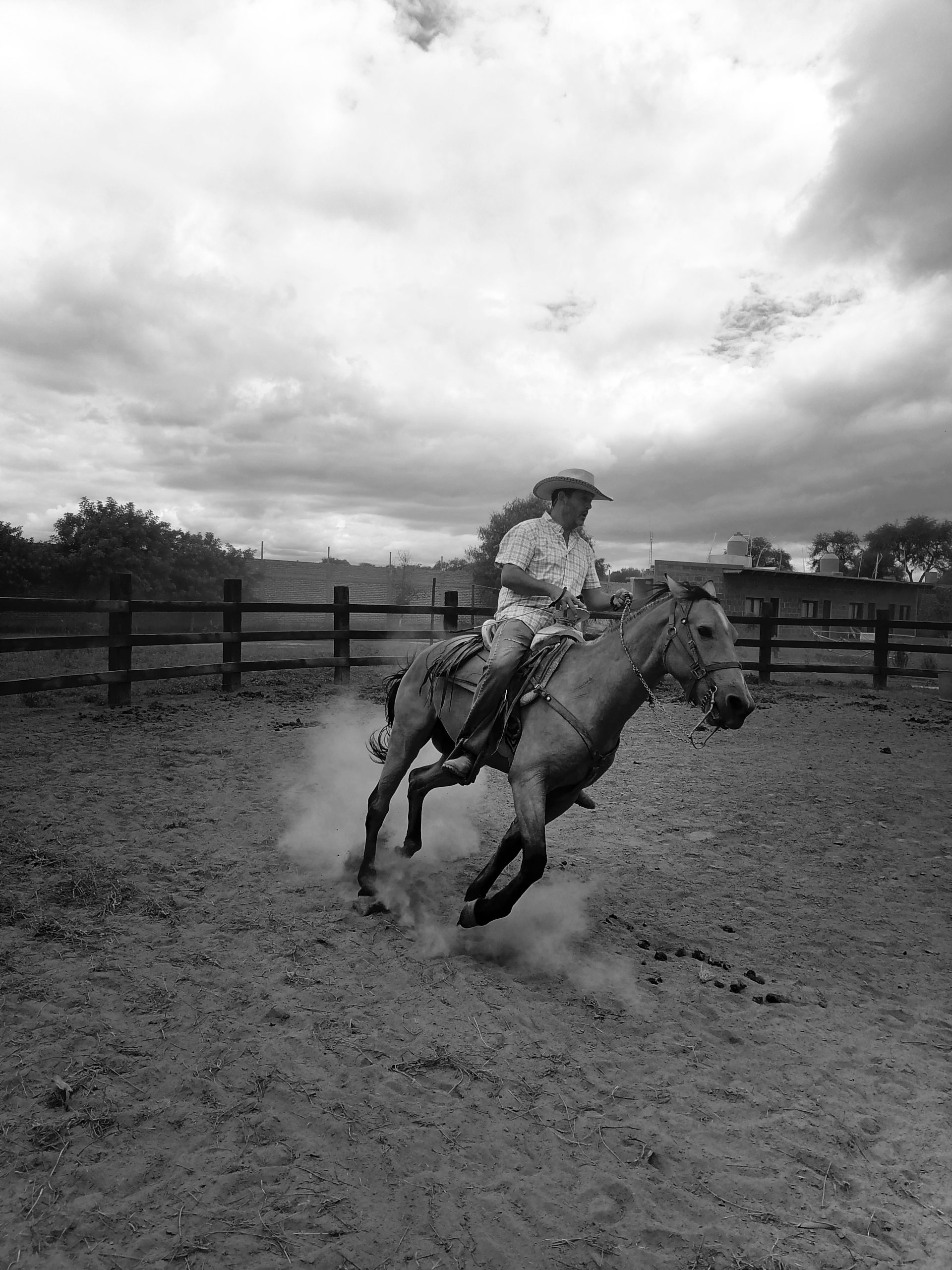
In the second part of the project, Fernanda took a new direction by capturing images at dawn or dusk and experimenting with different angles. “This shift posed a great challenge,” she reflects. “With an already established project, I had to introduce something fresh while remaining true to the core concept.”
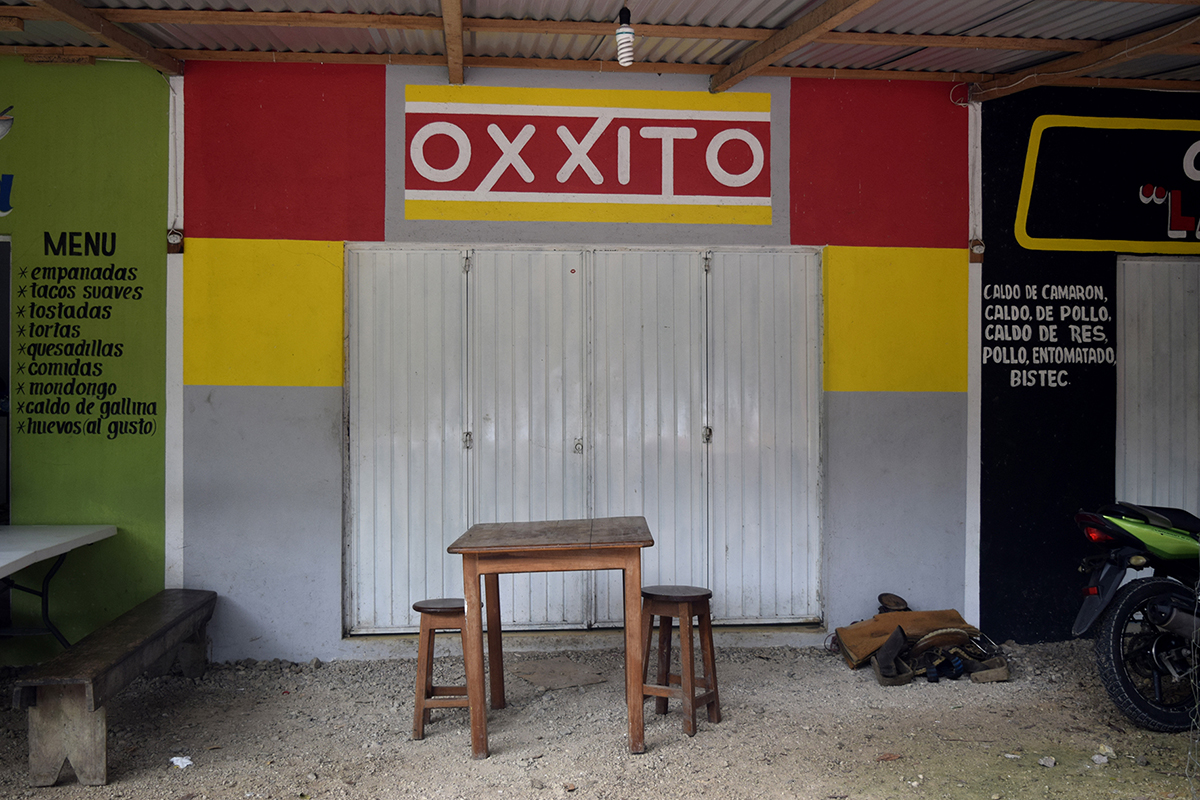
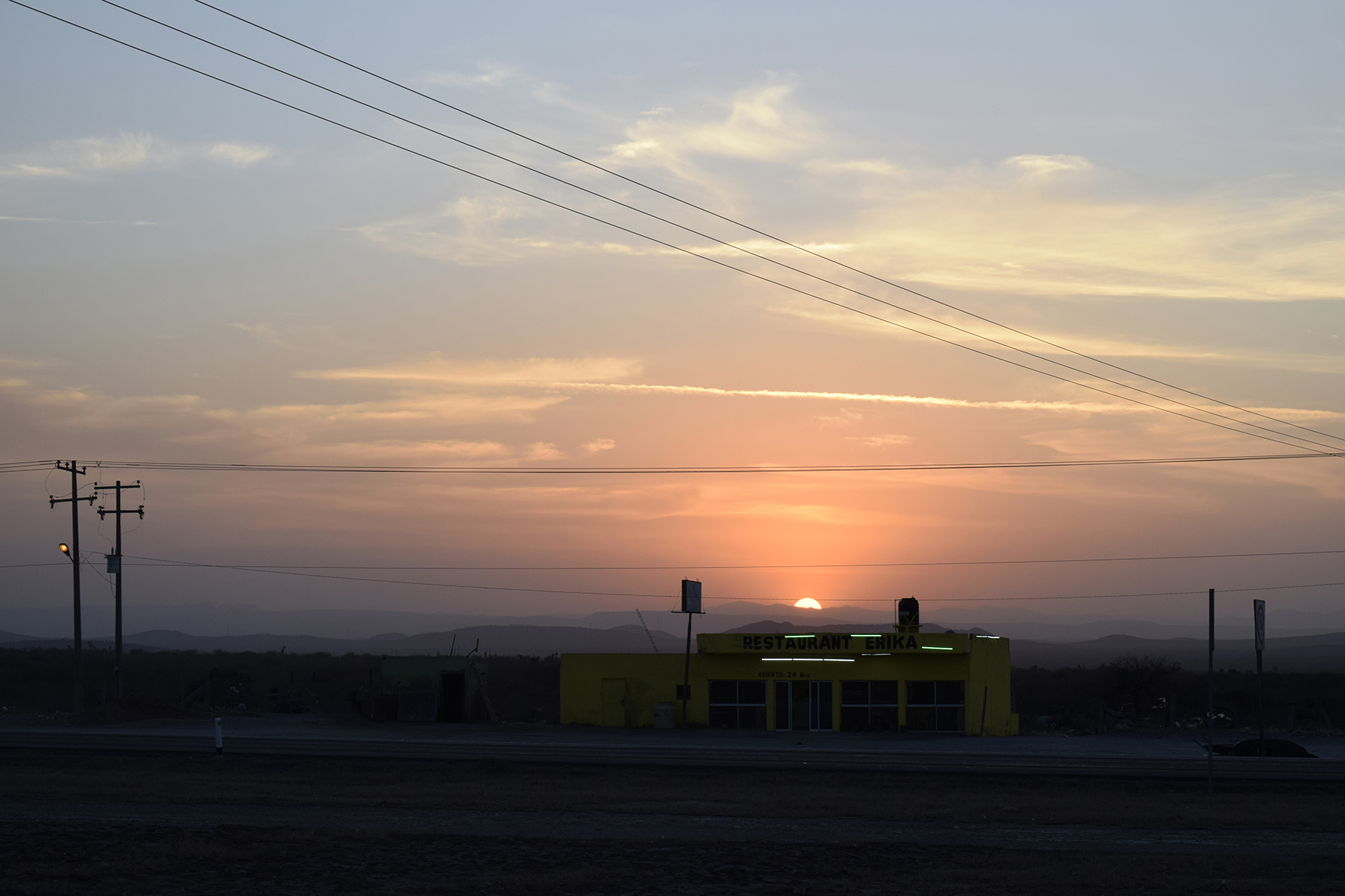
The cities, towns, and locations Fernanda chooses are either carefully planned or part of an ongoing journey. For the second part of the project, where she woke up early to capture stories at dawn, these places became integral to her creative process. “Sometimes, I travel for other reasons too,” she shares, “and I take the opportunity to exercise my gaze and enrich the project.”
Since childhood, the ritual of packing bags and getting into the car with her parents and siblings to visit family in places like Puebla or Tabasco was always filled with emotion. For her, these trips were marked by joy and excitement in her early years, perhaps even a sense of obedience, as she describes. But as she became a teenager, the feeling shifted, taking on a more melancholic tone.
There was something deeply moving about leaving behind her everyday life, watching the familiar world fade into the distance, and seeing the sky grow gray, whether from clouds or pollution. These moments left a lasting imprint on her.
From a distance, Fernanda would gaze with a mix of curiosity and unease at the women’s prison, wondering about the tragic stories hidden behind those walls. Yet, there were also moments of chaotic playfulness, like when they would pass a fetid garbage dump: “Here comes the trash!” they would shout, while others yelled, “Close the windows!”
Describing the essence of Historias de Carretera, Fernanda explains that the project allows her to reclaim and revisit the memories of her past, traveling down familiar paths and reconnecting with the colors, smells, and conversations that shaped her childhood. It’s about capturing moments that transcend the fleeting nature of an uncontextualized scene.
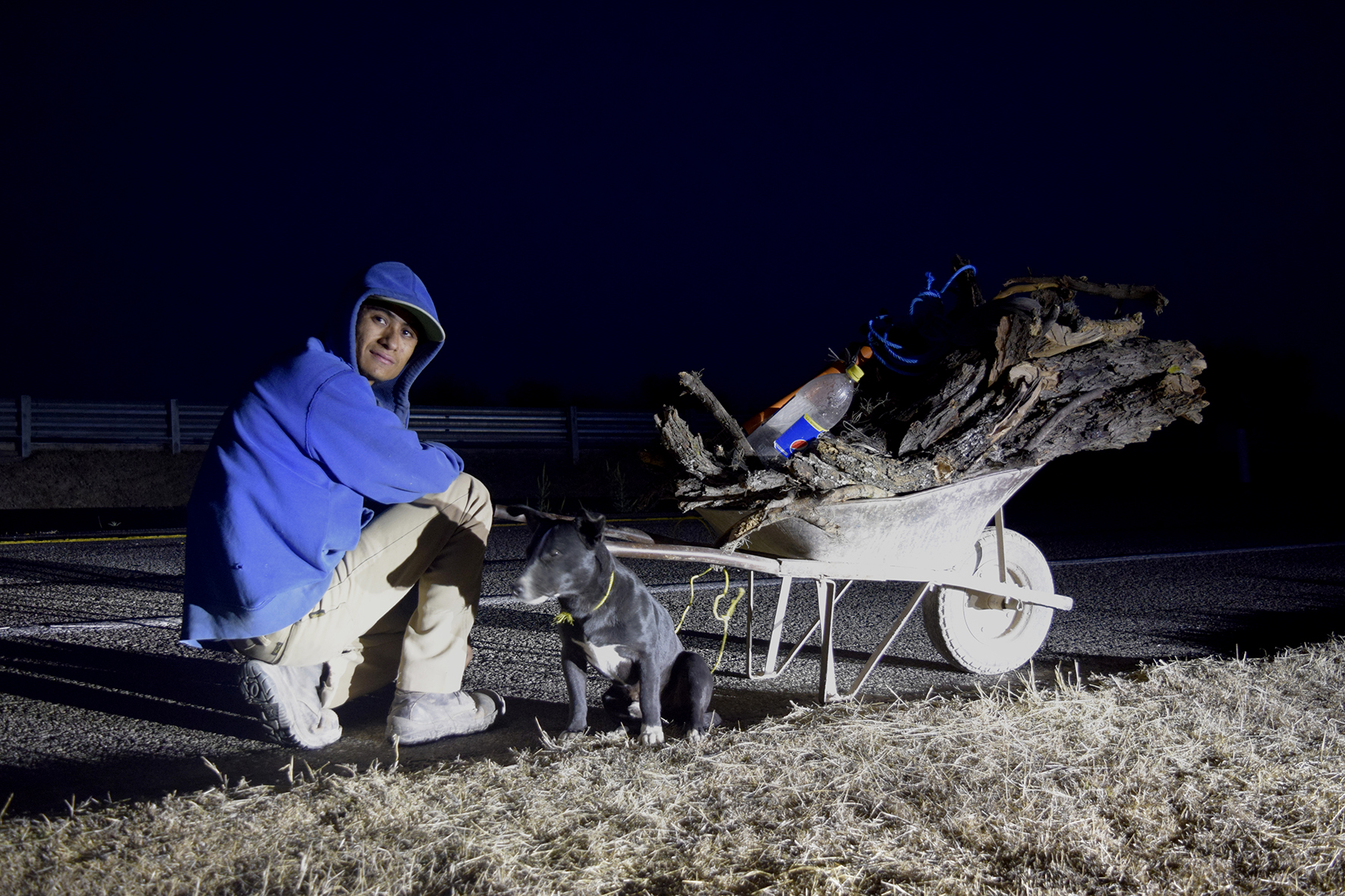
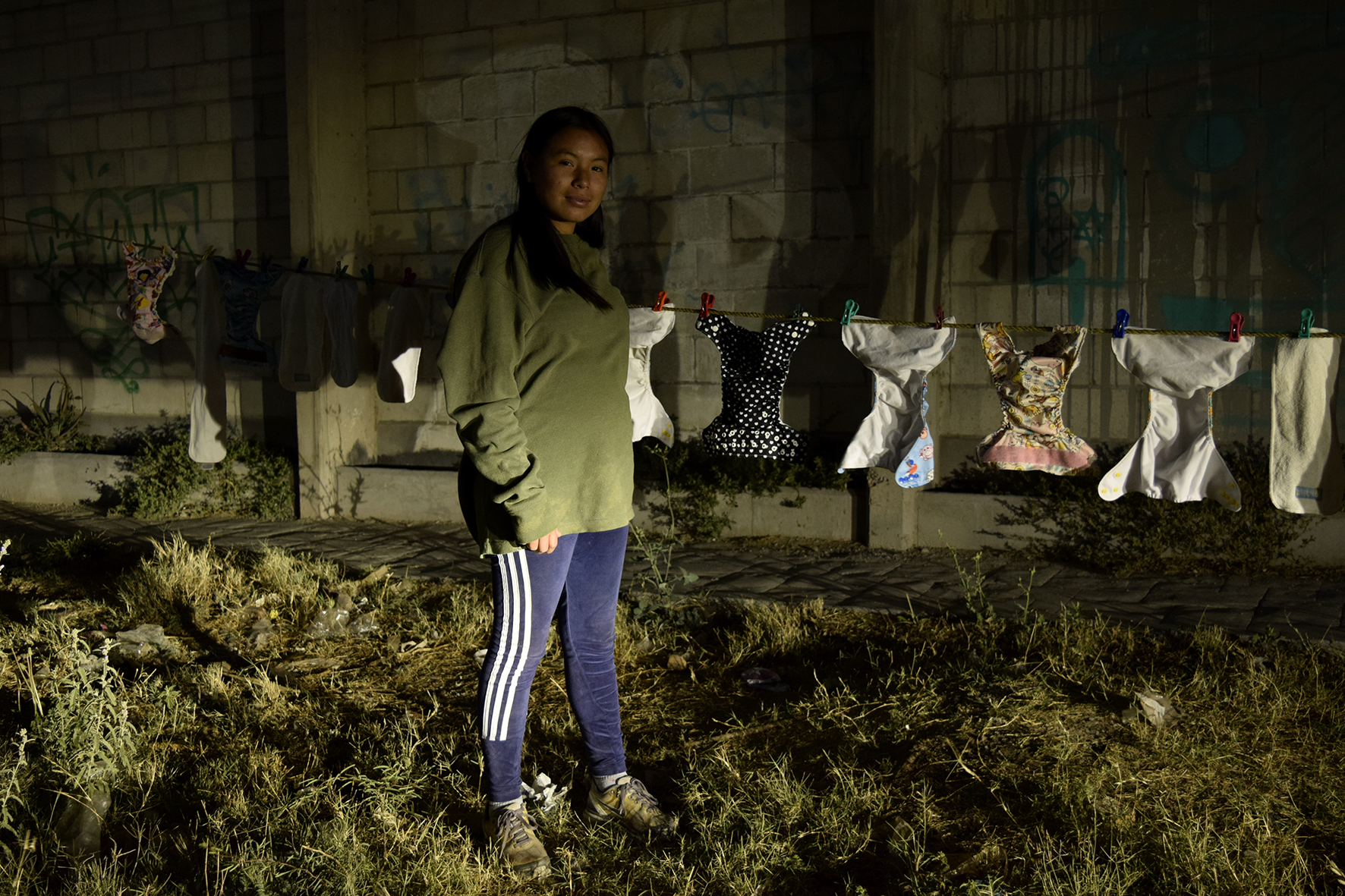
In this series, she invites viewers to craft their own stories, using landscapes, people, objects, and animals as the building blocks. Each image acts as a doorway to a fictional world, full of possibilities for drama or magic, shaped by individual perception. Through Historias de Carretera, Fernanda encourages us to view the world with renewed awareness, uncovering the deeper meanings and personal narratives that are often hidden in the everyday.
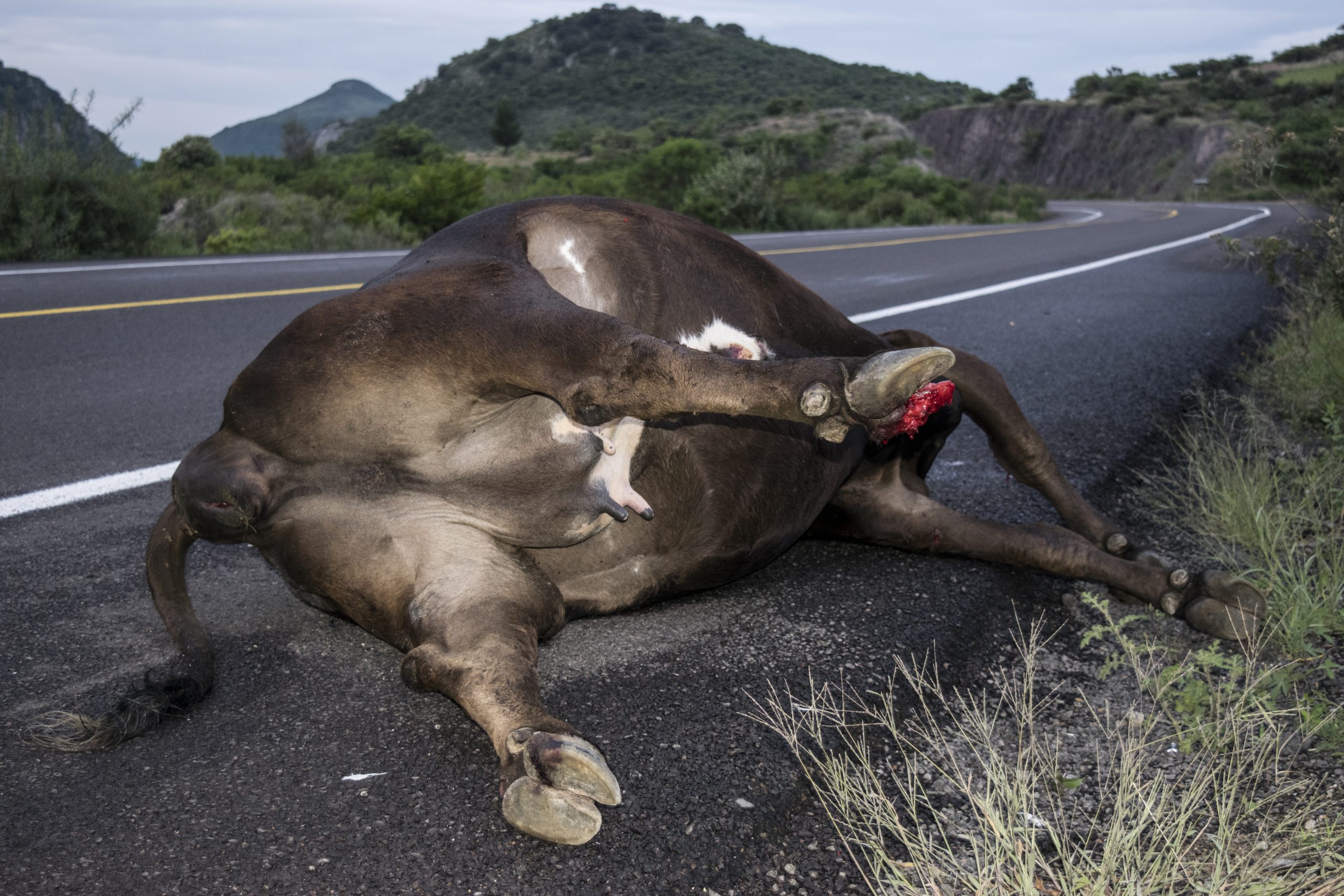
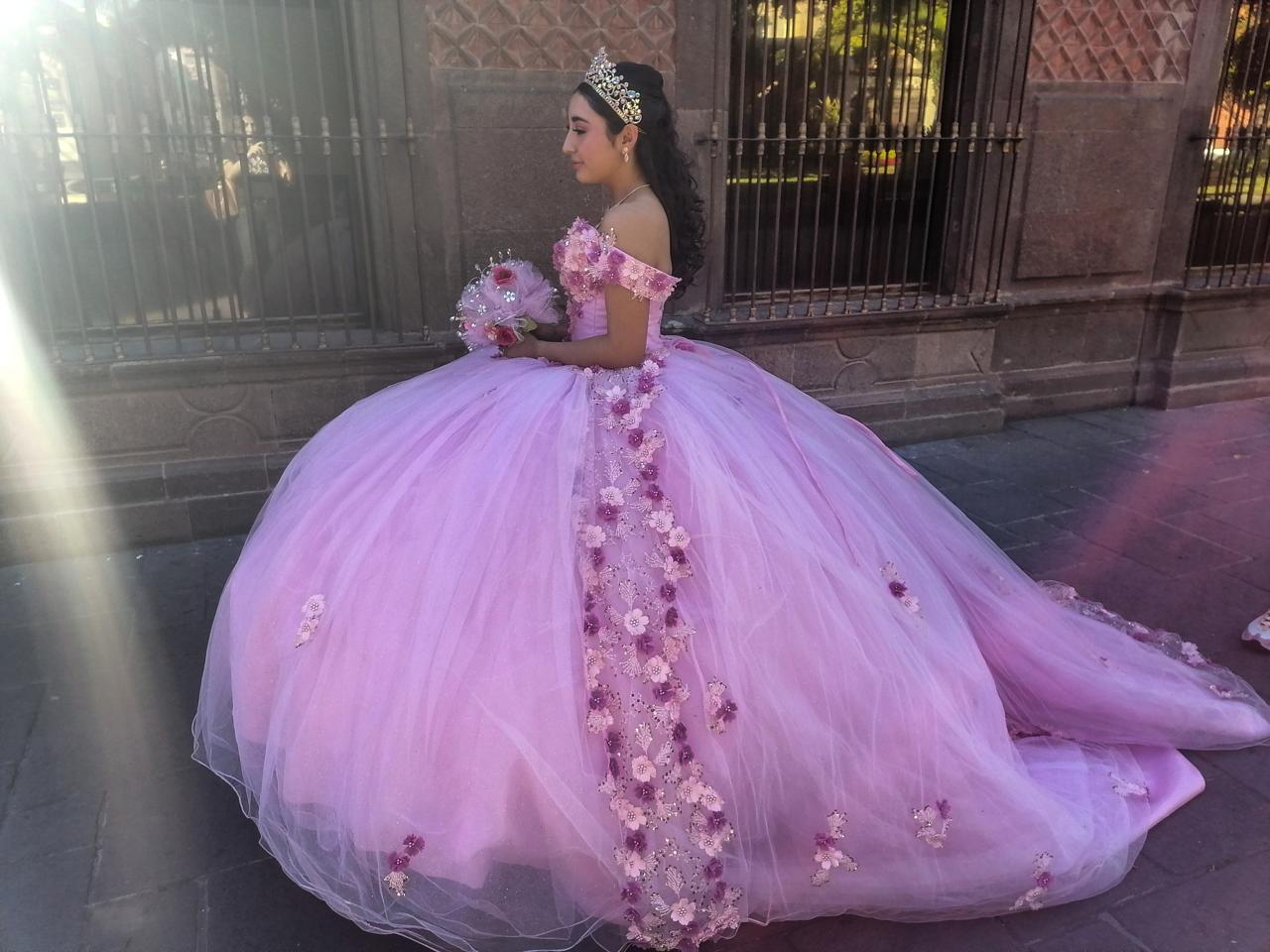
“When I find a scene that tells its own story, I approach it, photograph it, and then I create my own interpretation of what I see,” she says. And the magic doesn’t end there. “When someone else looks at that photo, they create their own story, shaped by their own experiences.”
This cycle of personal interpretation is a hallmark of her work, whether she’s capturing roadside objects like tires or flags, or the faces of people and animals.
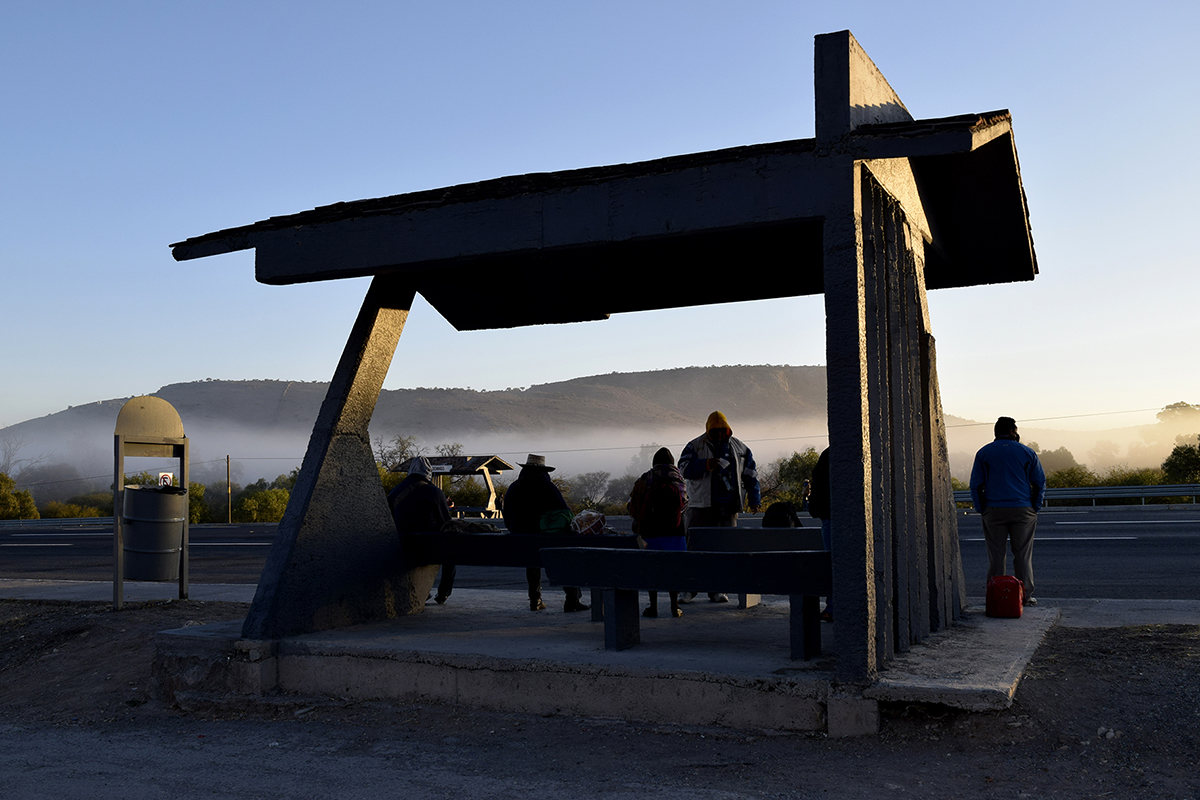
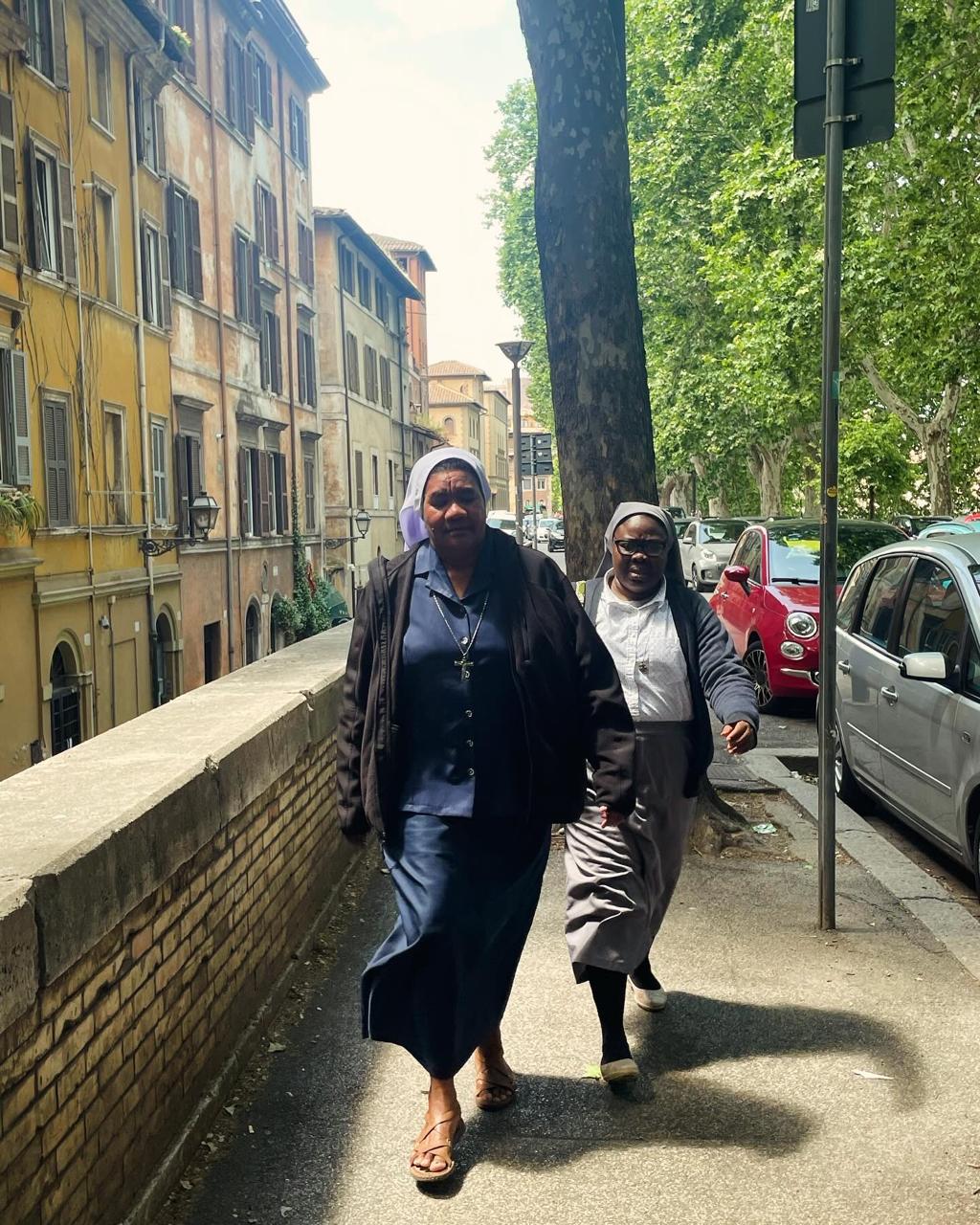
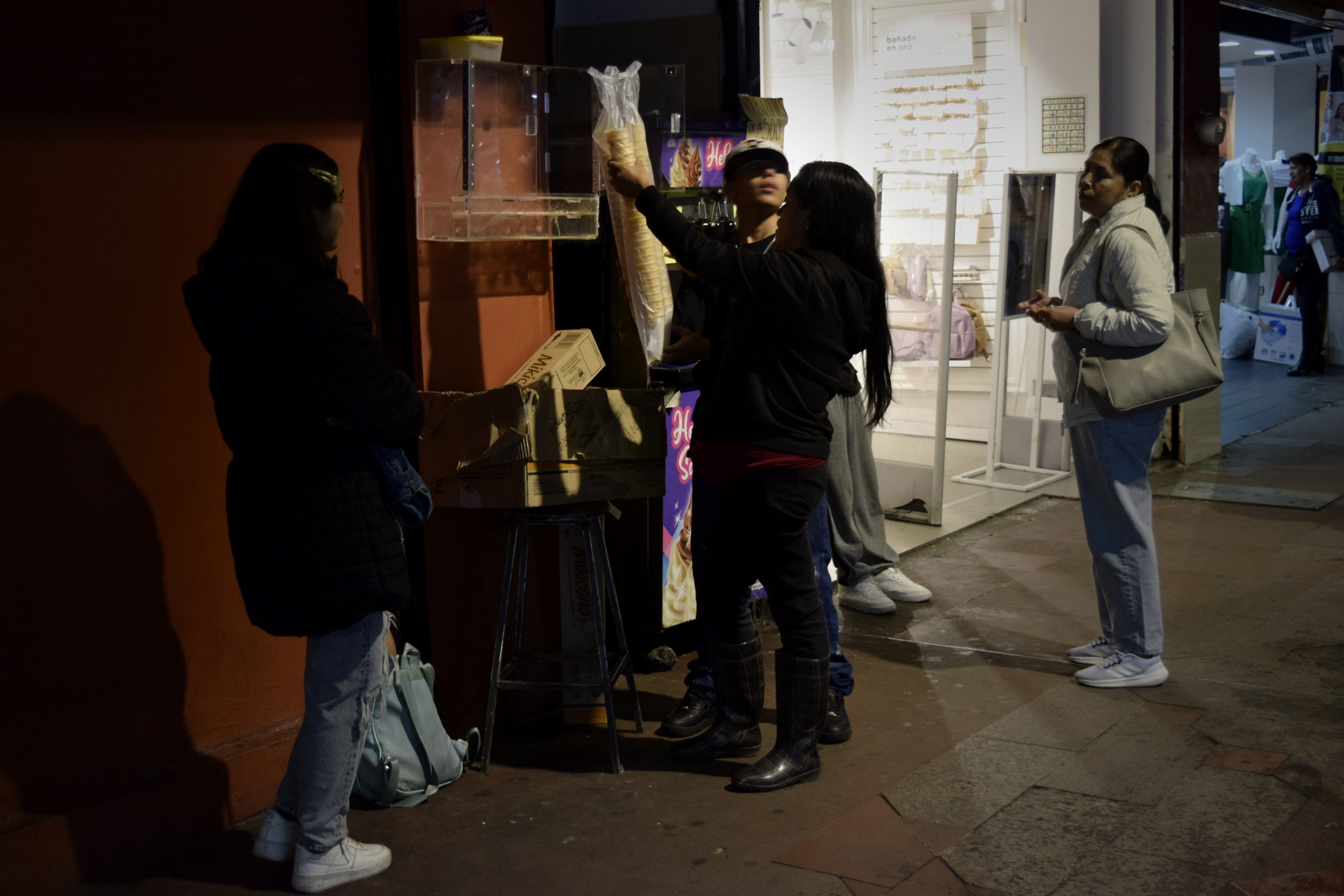
“For rural photography, I don’t feel a particular attraction to any one place,” she explains. “What excites me is everything around me—the stories that come from these environments,” says Fernanda. “When it comes to street photography, I’m drawn to busy places, especially at dusk when the contrast between light and dark creates a unique atmosphere. The historic center of any city is a perfect spot.”
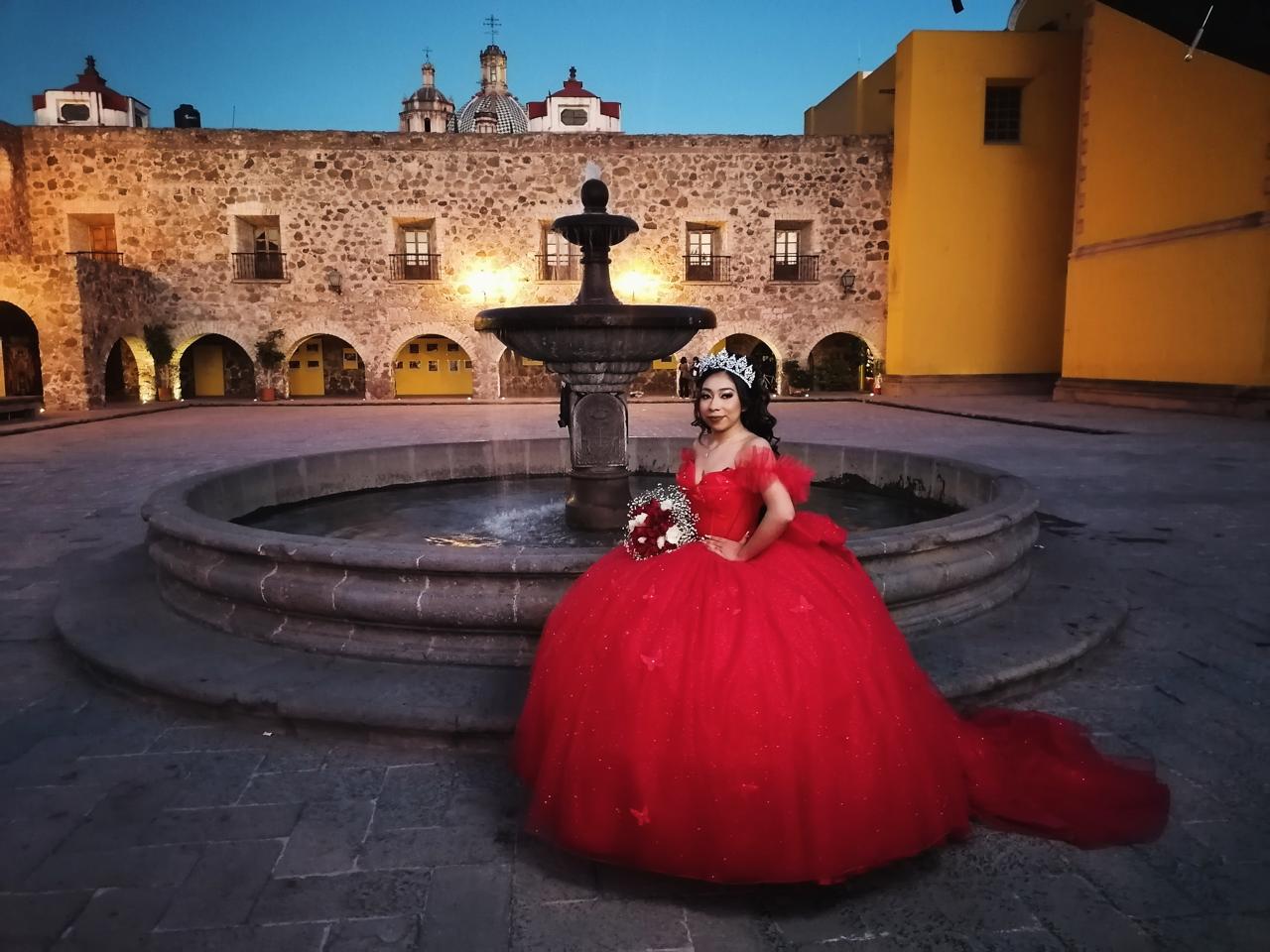
As Fernanda reflects on her work, she describes her approach as an exploration of different paths. “I practice street photography, but always with the goal of telling a story,” she says. “Beyond light, shadows, and geometry, I want to see and convey the stories that unfold before me.”
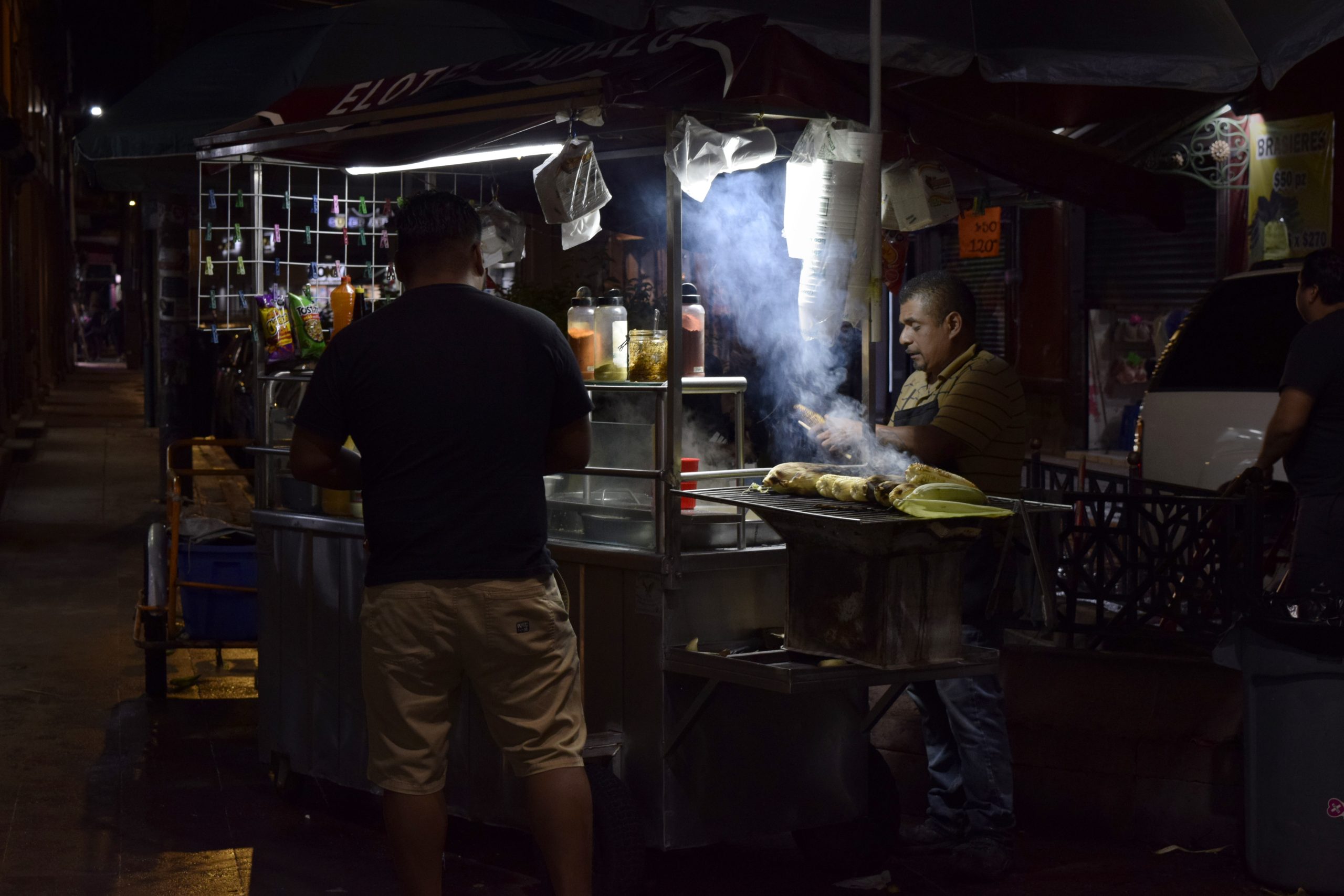
In reflecting on her photographic style and her quest for storytelling, Fernanda shares: “Something fascinating happens: I encounter a scene that, on its own, already tells a story. I approach to observe and photograph it, and I create my own narrative based on what I see. When someone else views the image, they construct their own story, influenced by their personal experiences.”
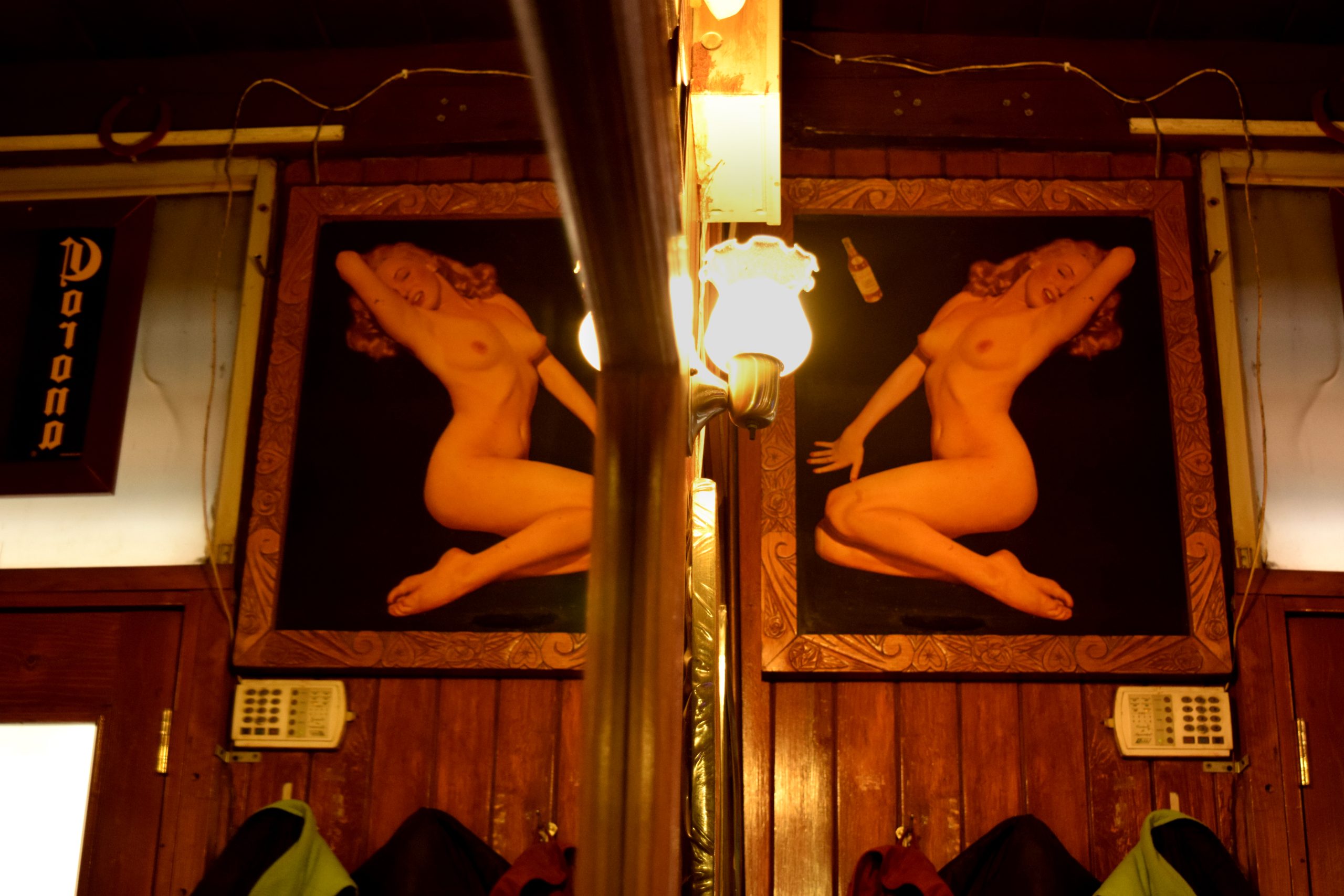
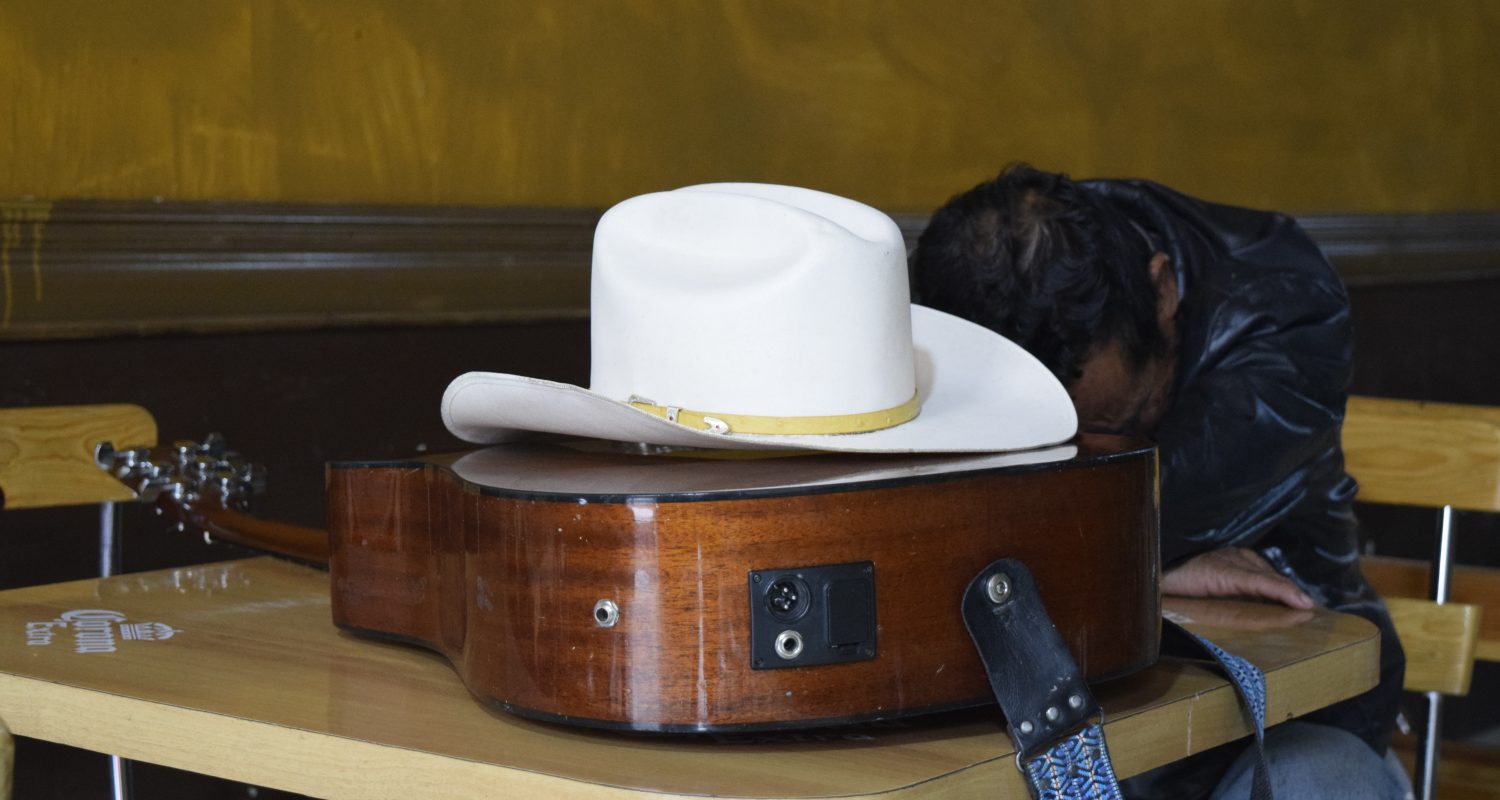
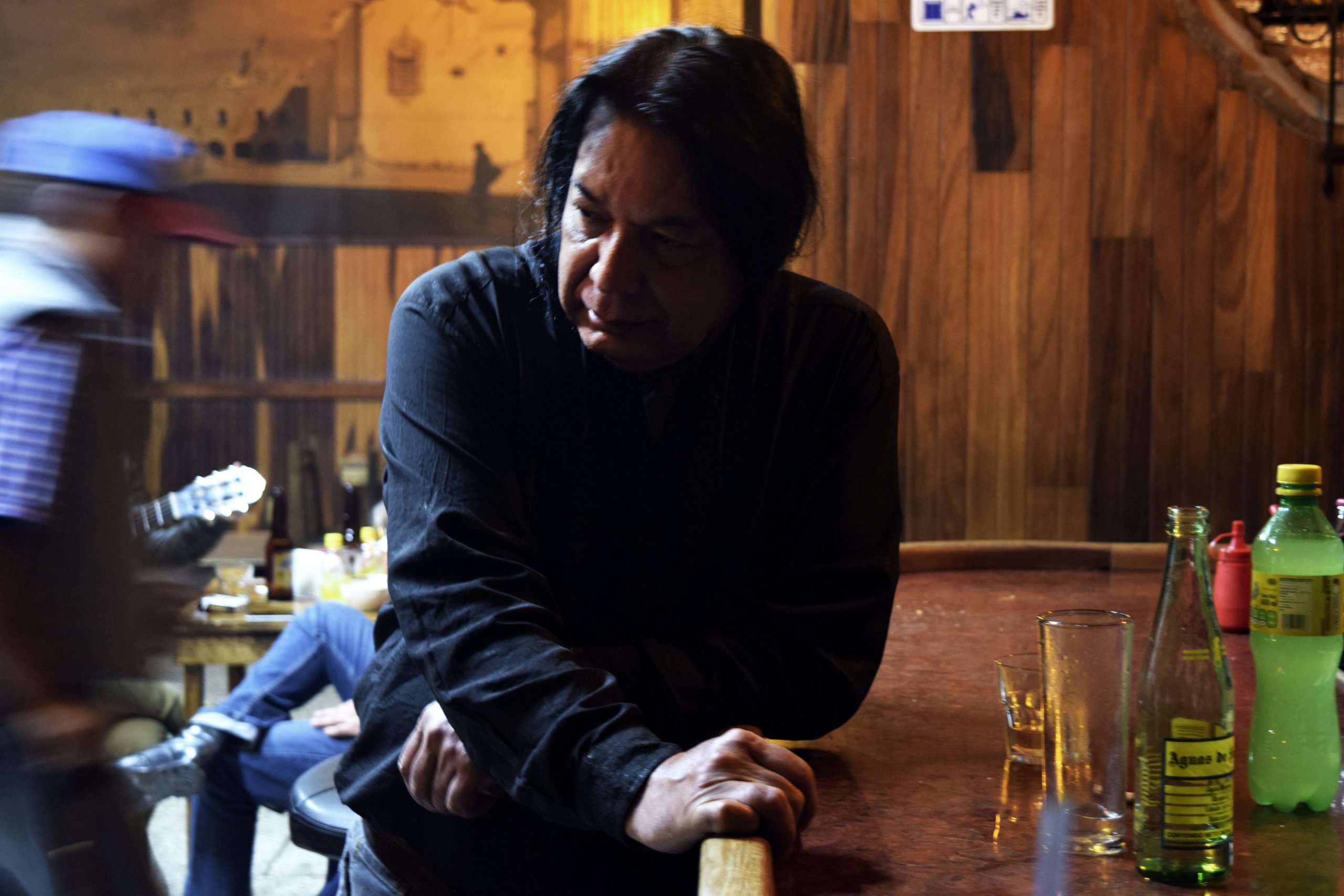
This idea echoes through projects like Objeto-reflejo and Cantinas, where she captures the unnoticed details of everyday life. For her, the recurring theme is to portray exactly what is there but often overlooked—moments, objects, or scenes that reveal untold stories waiting to be discovered.
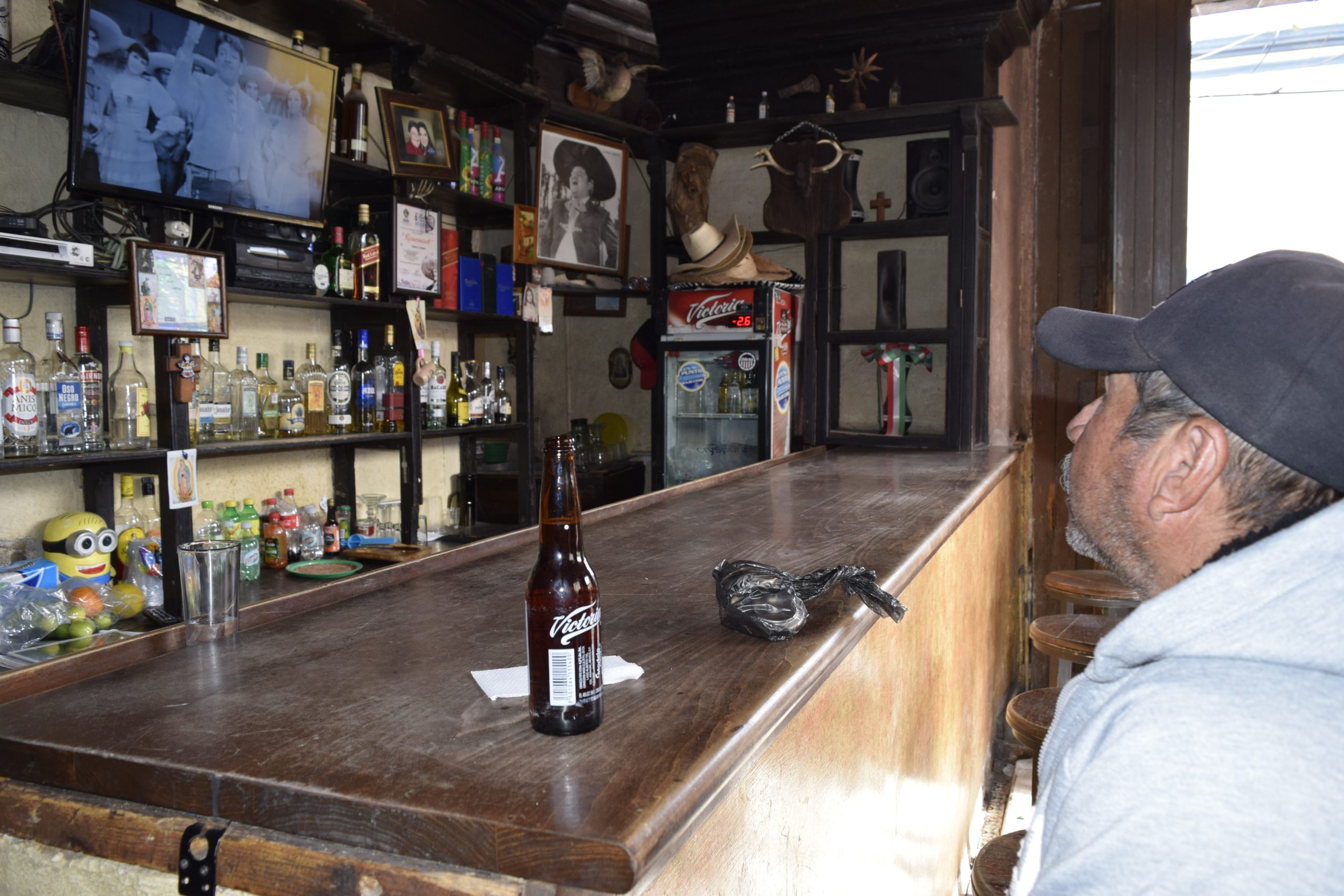
Her documentary projects, she explains, focus on what she calls “uncommon topics”—subjects that are rarely tackled by female photographers. “Highways, for example, are mostly traveled by men for various reasons, and cantinas are spaces predominantly occupied by men as well,” she notes.
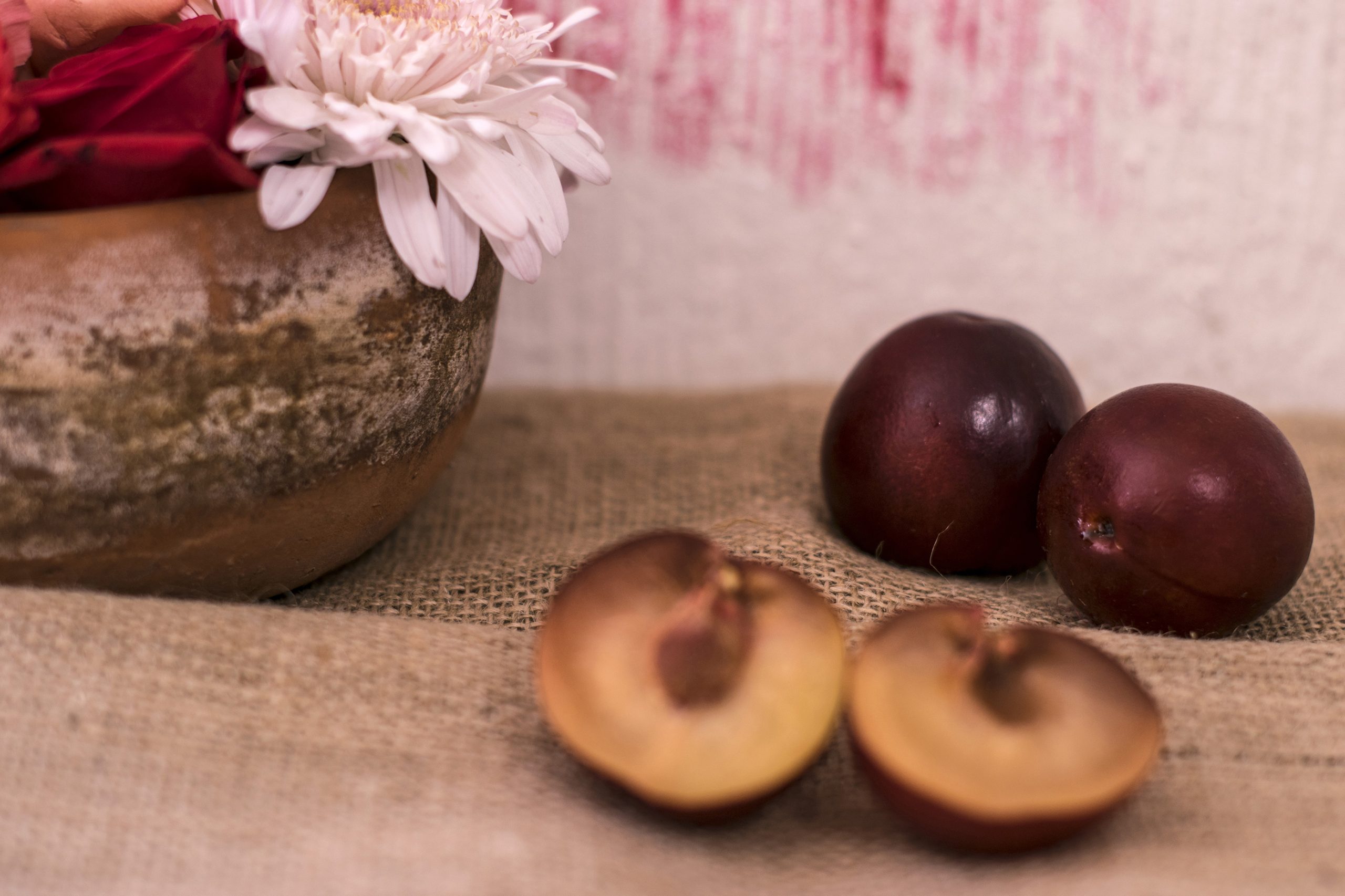
In addition, Fernanda has ventured into more conceptual projects that delve into underexplored themes like breastfeeding and menstruation. In her project, Herz und Blut, Fernanda seeks to challenge the long-standing taboo surrounding menstruation, a topic that has historically been marginalized and viewed as a symbol of female vulnerability.
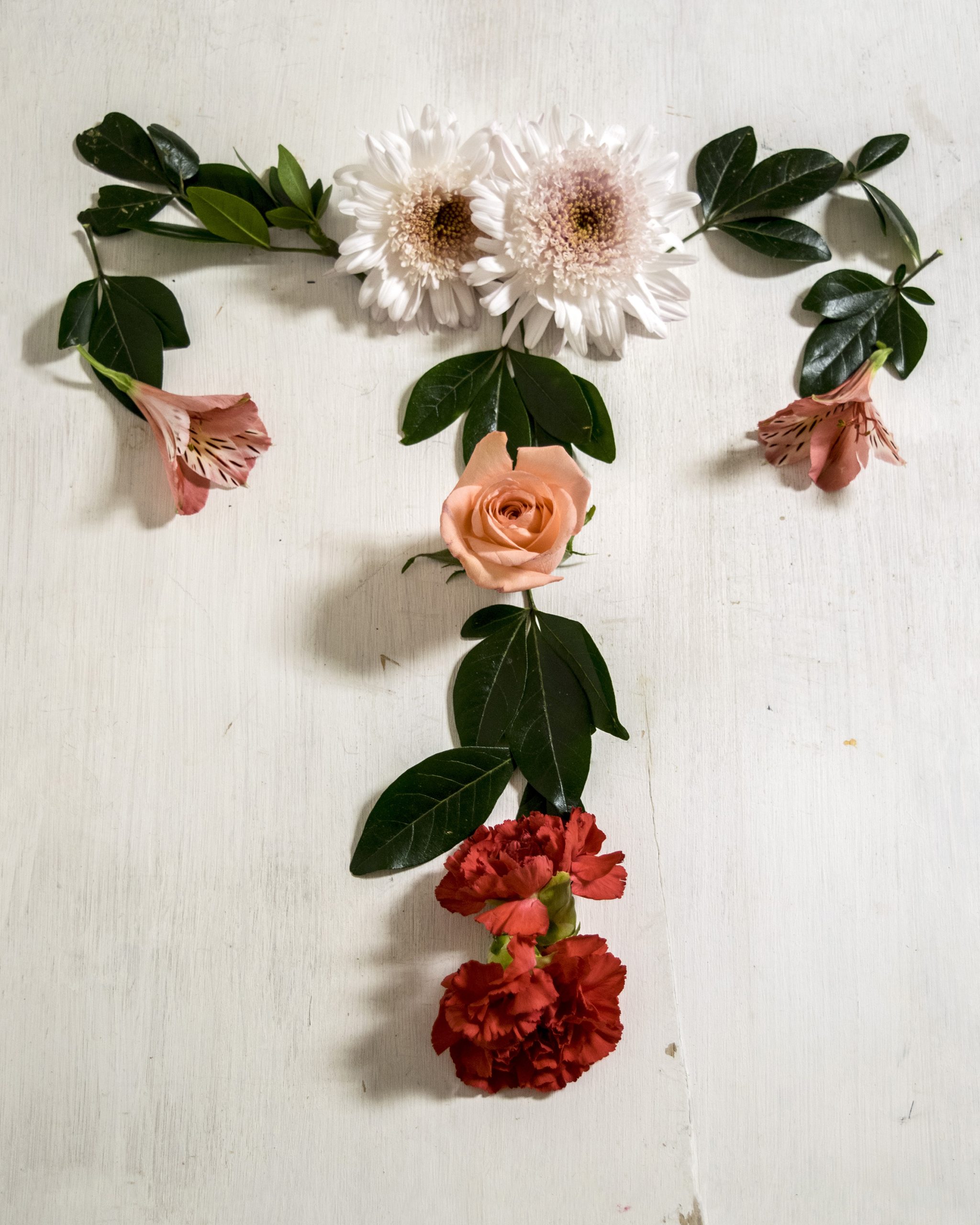
Through this work, she aims to demystify menstruation by highlighting the connection between its biological nature and its deeper emotional significance, symbolized by the heart. The project reclaims the strength of blood as a vital fluid and encourages viewers to normalize the perception of menstruation as a natural, ordinary, and deeply transcendent part of life.
“All of my documentary or conceptual projects ultimately connect to gender issues,” she shares. “I have a well-defined, perhaps unconventional, style, because I enjoy addressing topics that either haven’t been explored at all or have been only superficially touched upon.”
Fernanda’s journey has been shaped by formal training and the wisdom of mentors. She studied at the Centro Cultural Arte Contemporáneo and the Instituto Potosino de Bellas Artes, among other institutions. But it was through workshops with renowned photographers such as Lizeth Arauz, Yael Martínez, and Ramón Portales that she truly honed her craft. “The workshops were essential to my growth,” she says, “as they gave me the tools to refine my voice and develop my unique perspective.”
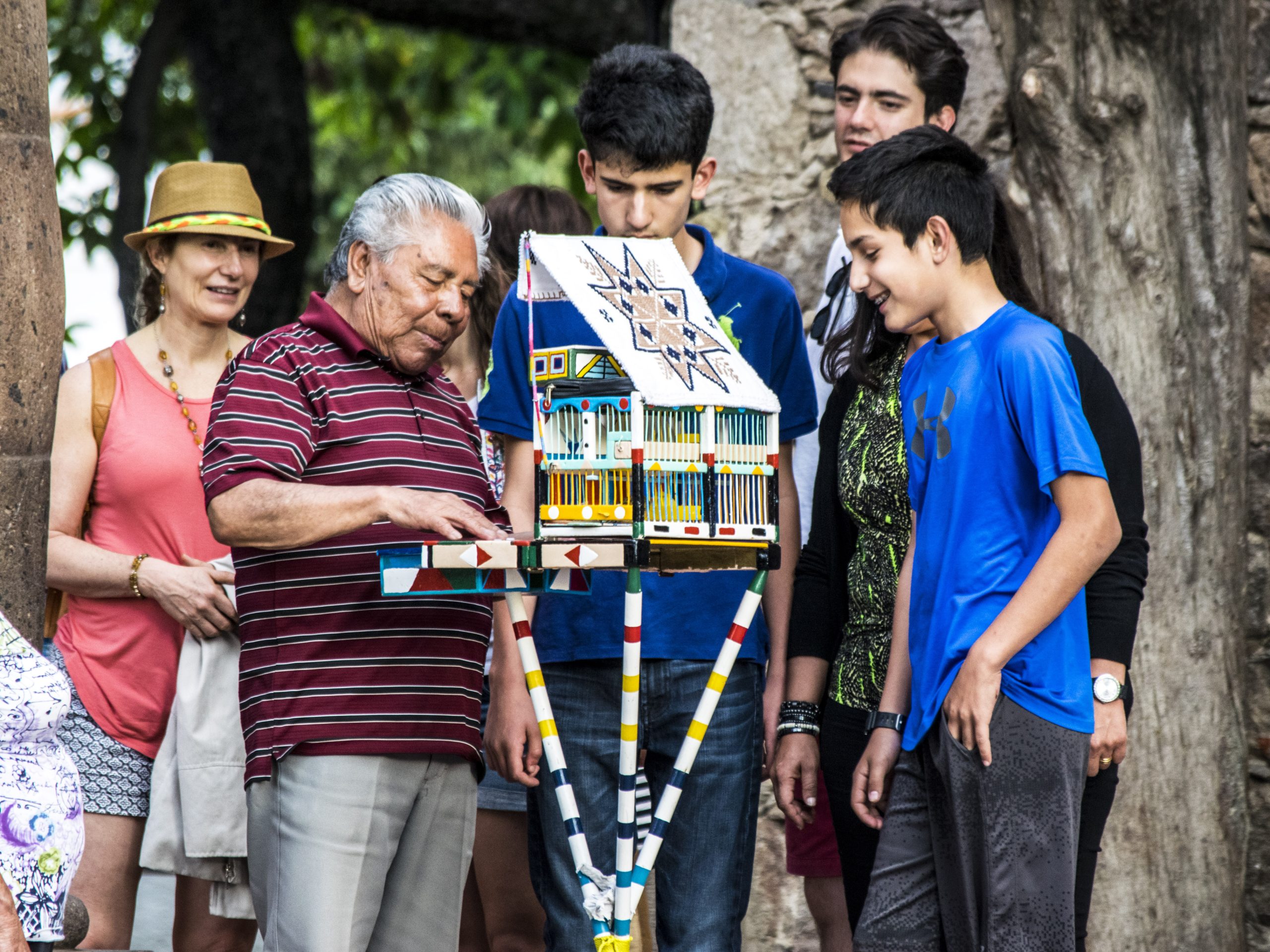
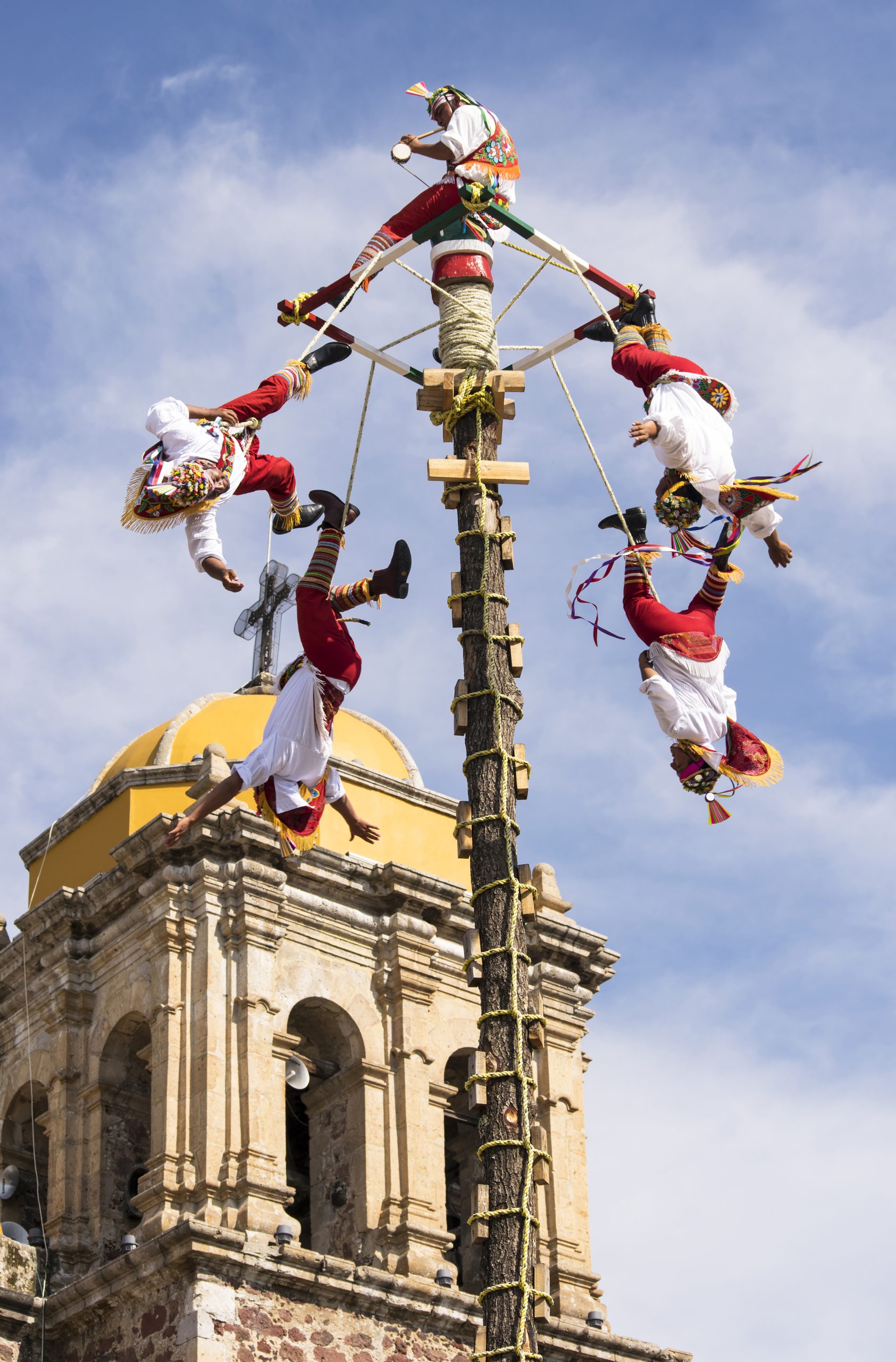
Looking ahead, Fernanda is excited about a new documentary project that she’s been planning for years. “I’ve left teaching for the first semester of 2025 to focus completely on this project,” she shares. “I’m hopeful it will unfold as planned, and I can start sharing it soon.” Beyond this, there’s one place she dreams of visiting: India. “I’d love to visit India and capture the essence of the country,” she says.
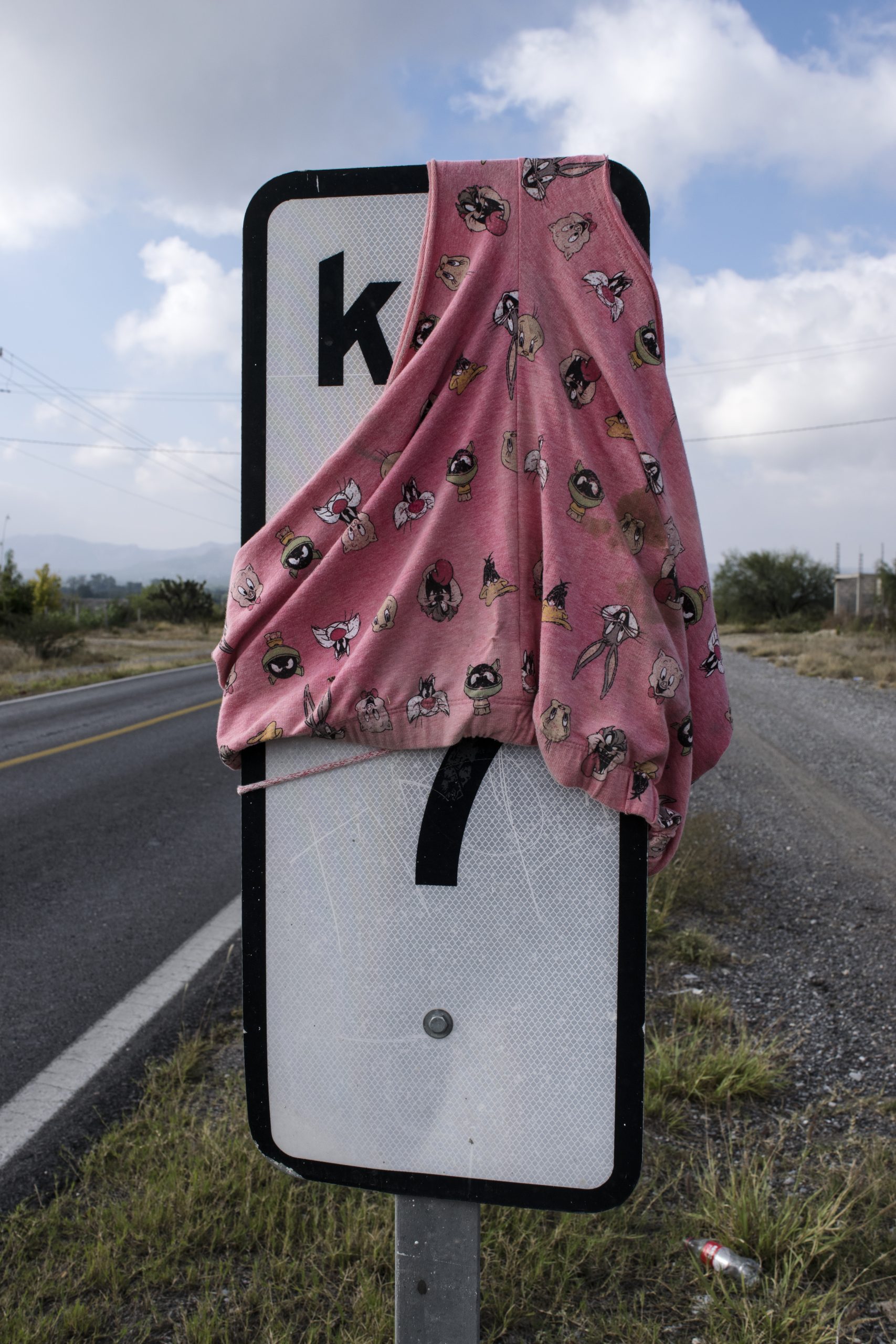
Reflecting on her work, Fernanda shares that one photograph, in particular, holds deep meaning for her: an underwear garment or cartoon-printed pajama bottoms hanging from a roadside sign. “It’s a perfect example of what I’ve been talking about—finding a story in something that might seem trivial to others,” she explains. “This image can be interpreted in countless ways, depending on who’s looking at it.”
For Fernanda, photography has provided rich life experiences for many reasons. “First, because it’s my passion—it gives life to my life,” she says. “Second, if I ever thought personal themes could never be exorcised through photography, I was wrong. Photography has taught me to look at the past more deeply, to explore within myself, and to understand that through images, I can achieve great things,” she explains.
“Third, it’s the people I’ve met along the way, the journeys I’ve taken, and the lessons I’ve learned and shared. And finally, it’s the realization that not everything has been told yet. There will always be new topics to explore, and this is where continuous learning, self-discovery, and the exercise of one’s creative vision come into play.”
To Learn More Visit:
 Soledad Quartucci, CEO, Latina Republic
Latina Republic envisions a world where the beauty and resilience of Latin American and Caribbean cultures are recognized and appreciated globally. By amplifying the voices of artists and cultural custodians, we strive to cultivate a deeper understanding of the region’s challenges and triumphs. Our goal is to inspire greater appreciation for the arts as a tool for empathy, unity, and transformative social change. Through our work, we aim to equip all stakeholders with essential insights for addressing regional challenges, ultimately enriching the global cultural landscape and portraying the victories and hardships of everyday life in Latin America.