

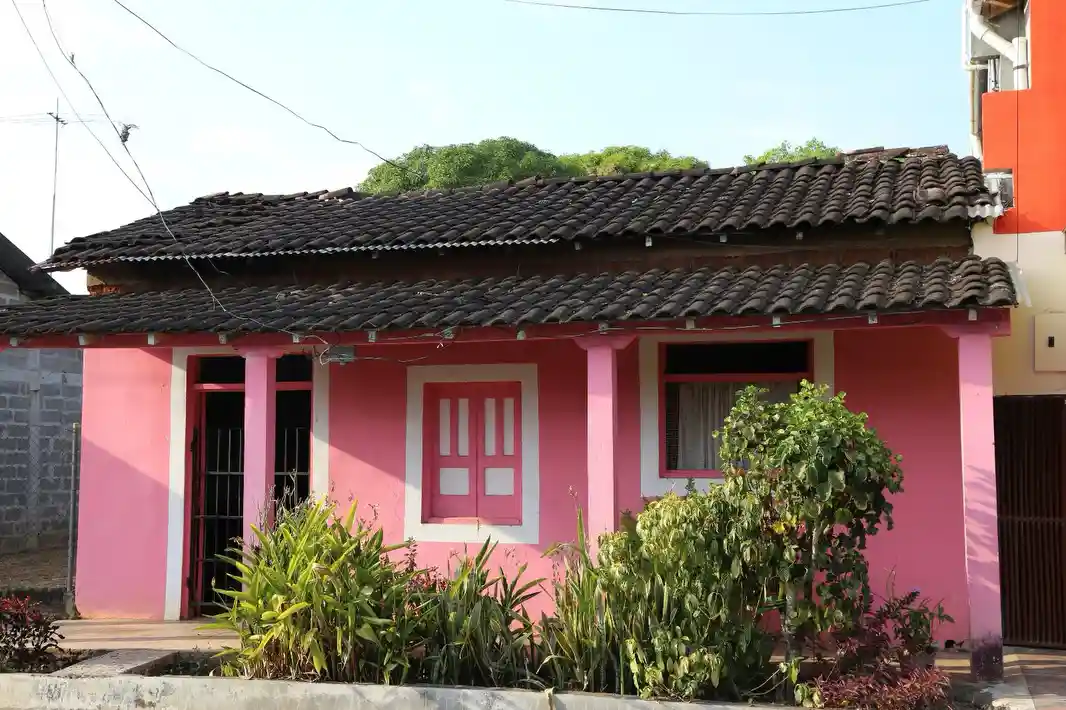
Panama celebrates a milestone of memory and craftsmanship: The traditional techniques used to build casas de quincha, along with the communal juntas de embarre, have been officially inscribed on UNESCO’s List of Intangible Cultural Heritage in Need of Urgent Safeguarding.
The decision was announced in New Delhi, India, during the 20th Session of the Intergovernmental Committee for the Safeguarding of Intangible Cultural Heritage, held from December 8 to 13, 2025.

The quincha house is more than an architectural style—it is an ancestral way of building that rises from the land itself. Made from local woods, vines, canes, clay, and straw, these homes remain cool under the tropical heat and stand as living reminders of sustainable practices shaped over centuries. Some quincha houses are over a hundred years old, quietly carrying the stories of the communities that built them.

This tradition is still alive in places like Guararé, Pedasí, Las Tablas, El Valle de Antón, Herrera, Chiriquí, and in the Ngäbe-Buglé Comarca, where families continue to build homes using knowledge passed down from one generation to the next.
Every material—macano wood, split cane, white or red clay, palm or tile—comes from the surrounding ecosystem, and every technique reflects a deep understanding of nature.
But the true heart of quincha lies in the junta de embarre, the day when a community gathers to raise the walls of a house. Neighbors, relatives, and tradition-bearers arrive with tools, food, stories, and music.
Children run in and out with buckets of water, elders guide the mixing of clay, musicians strike up a tamborito, and pots of sancocho simmer as the walls slowly take shape. By sunset, a home stands where there had been none—built by many hands, many voices, and a spirit of solidarity that has defined rural Panama for generations.

This inscription at UNESCO comes at a crucial moment. Many master builders are aging, and the forest materials they rely on are becoming scarce. Without support, the tradition risks fading. Panama’s delegation—composed of specialists from the Ministry of Culture, a master tradition-bearer, members of the Embassy of Panama in India, and representatives from the National Assembly—carried this urgency to New Delhi.
Now, with UNESCO’s recognition, Panama begins a new chapter in safeguarding this heritage. The designation will help strengthen training programs, support communities, and ensure that the techniques of quincha—its craftsmanship, its music and food, its community labor—continue to thrive.
A quincha house is not just built. It is raised. It is sung. It is shared. And now, thanks to the collective effort of Panama and its cultural guardians, it is protected for generations to come.
 Latina Republic celebrates the vibrant cultures, stories, and traditions of Latin America and the Caribbean. Through in-depth reporting, immersive features, and compelling storytelling, we highlight the communities, artists, and heritage that shape the region’s identity. From ancestral practices to contemporary innovations, Latina Republic is dedicated to preserving and sharing the richness of Latin American and Caribbean life with a global audience.

