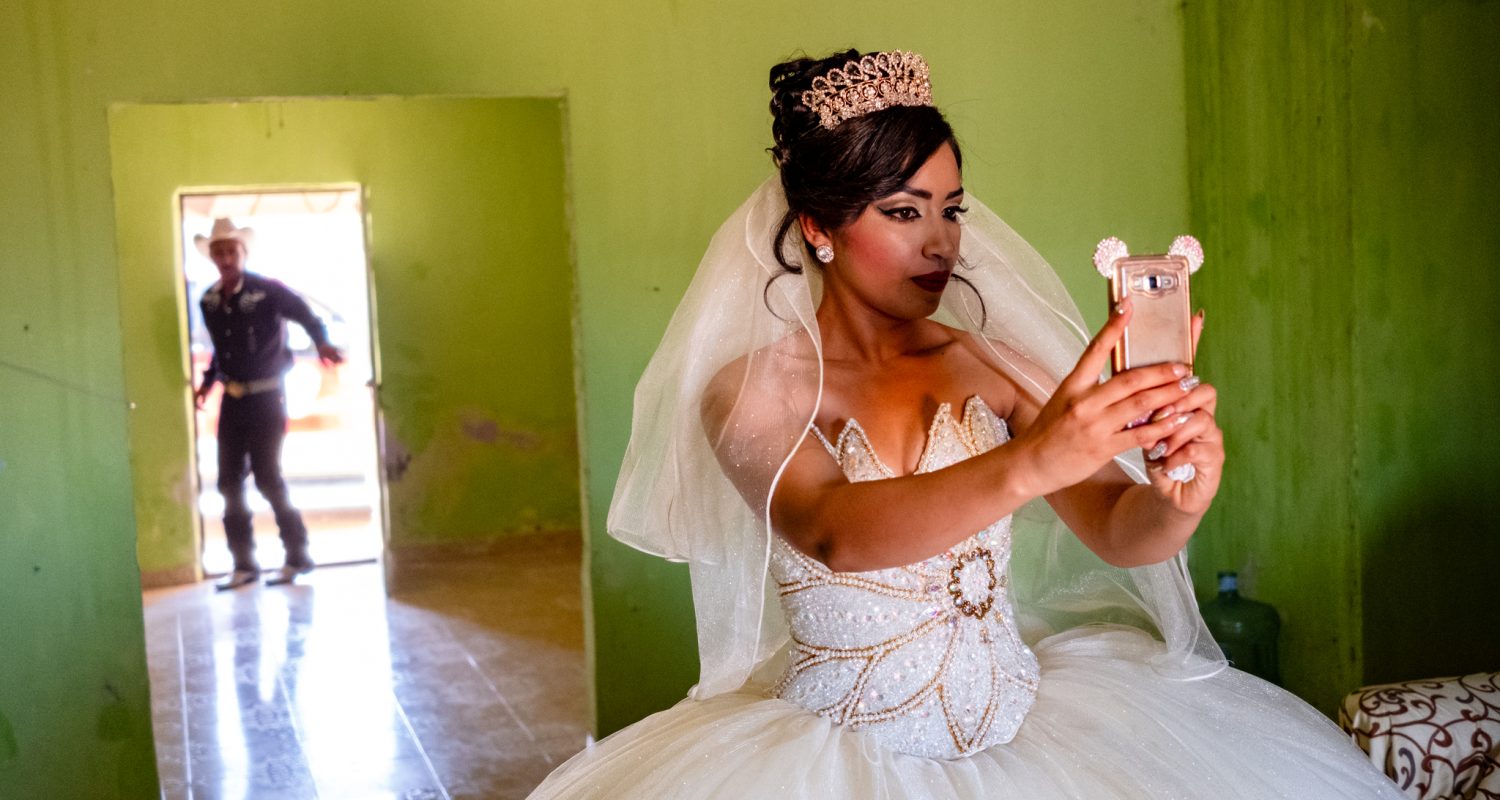
“My work often exists in the space between what is visible and what is felt—floating in quiet moments that remain just out of reach,” Noel Rojo.
Between the spaces of what is seen and what is felt, Noel Rojo captures the moments that linger in the margins of human experience. A photographer, USC Journalist Fellow, and Chaplaincy Innovation Lab Journalist Fellow, Noel’s unique vision has its roots in the liminal worlds of his early years in Chihuahua, Mexico.
Born into a family of cowboys and farmers, and raised amidst migration and the rhythms of rural life, he forged a deep connection to both the land and the untold stories it carries. His upbringing shaped Noel’s artistic lens, one that searches for deeper meanings in the spaces where we often overlook the unseen.
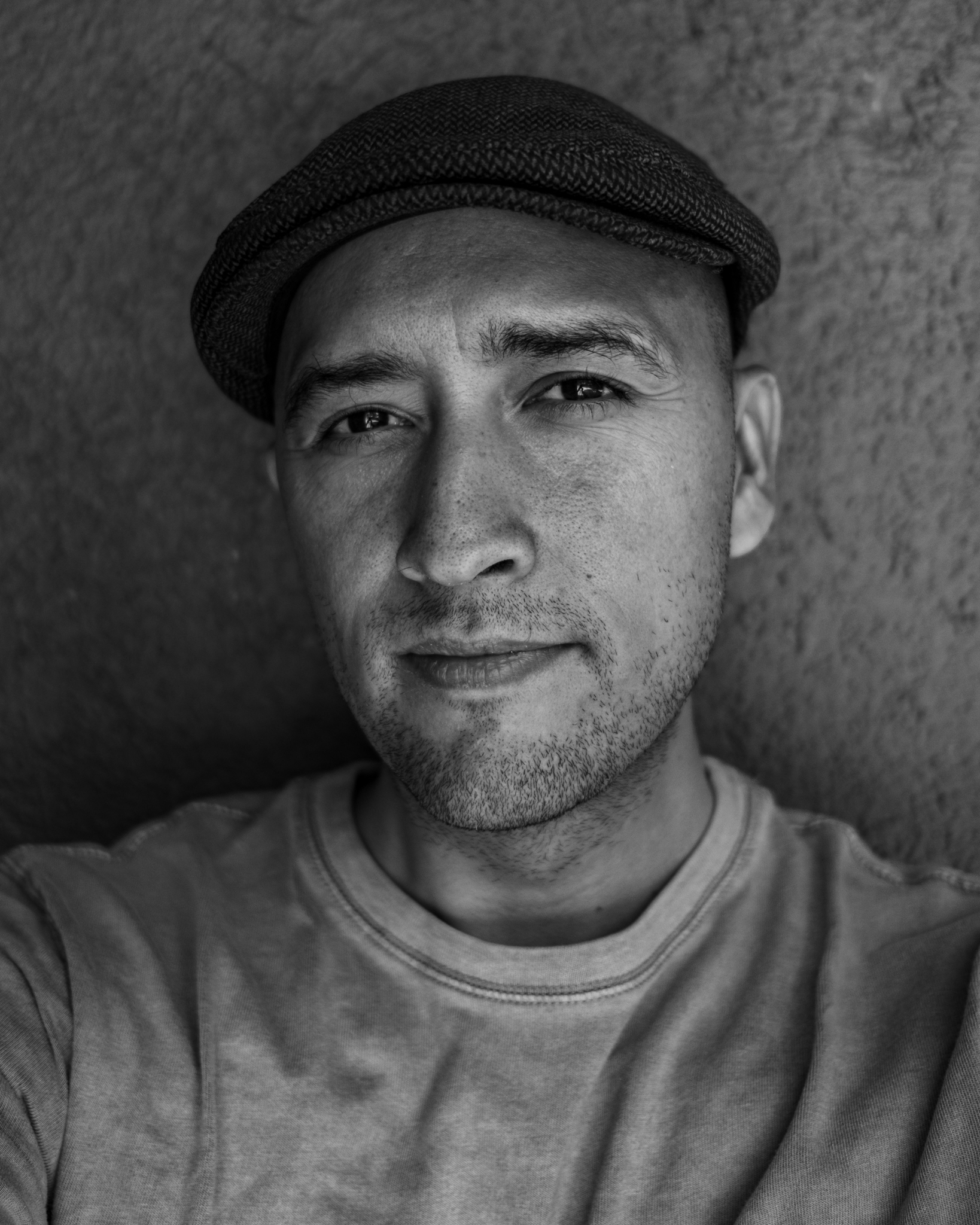
“I was born in Chihuahua, Mexico, into a family of cowboys and farmers. My father spent long periods working in the United States, so it was usually just my mother, my younger brother, and me at home. We fed the livestock, took them to the creek to drink water, and followed the rhythms of daily life. It wasn’t always easy—I was often sick and almost died a couple of times—but I remember it fondly. Although I’m not sure my mother remembers it the same way.”
Despite the challenges, Noel fondly recalls the creative moments of his childhood. “When I wasn’t at school, I played in the streams, covered in dirt, while molding small clay figures. I was always trying to create something, whether it was with clay, drawing, or even building small objects,” he reflects.
There were no professional artists in his family, “at least none that I knew of, but creativity found its way into our lives,” Noel notes.
“My dad loved to sing, and I sang with him so intensely that he used to joke that the veins in my neck were about to burst.” These memories, whether of playing with clay, singing with his father, or dreaming by the stream, planted the seeds of his lifelong connection to artistic expression.
“Looking back, those moments—covered in mud, singing with my dad, or simply daydreaming by the streams—must have been the ones that gave me my love for creation,” he says.
That love for creation, nurtured in the open spaces of rural Mexico, would later evolve into a passion for photography. “My work often exists in the space between what is visible and what is felt—floating in quiet moments that remain just out of reach. It’s about capturing fragments that don’t immediately reveal their meaning, but suggest something deeper,” he explains.
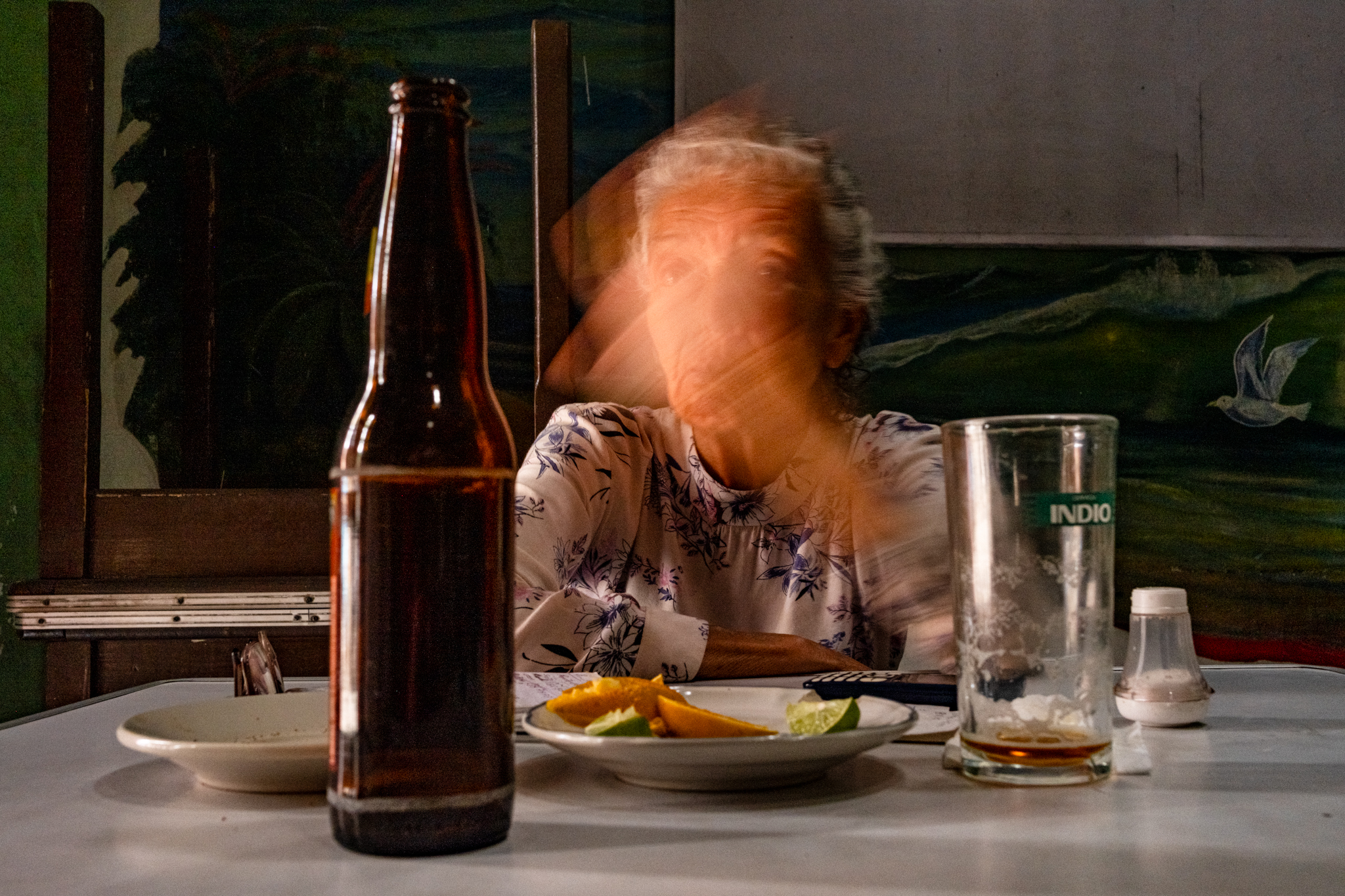
Though his work spans photojournalism and documentary photography, Noel is particularly drawn to the subtle tensions of everyday life.
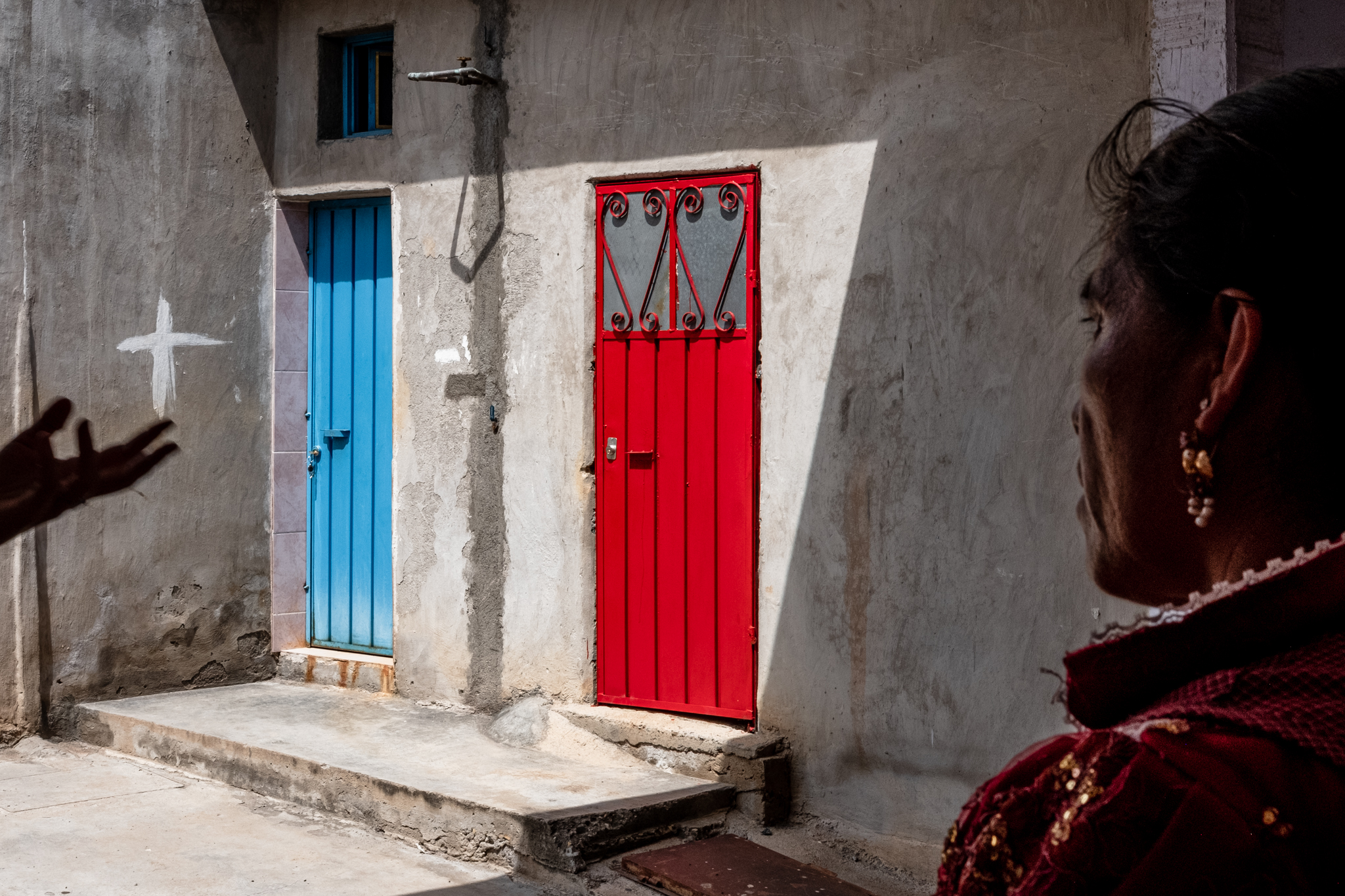
“It’s not that I don’t create more illustrative images; photojournalism and documentary also play a part in my practice, but in general, I’m drawn to the parts of the experience we tend to overlook. There’s catharsis in those quiet moments—silent, unexpressed, but deeply felt.”
One such example is Gotas de Fuego, a project that delves into the emotional landscapes beneath the surface of everyday life. As Noel describes it, “The work doesn’t aim to explain; rather, it creates a space where the emotional weight is felt more than it’s expressed, where the story unfolds quietly between the lines.”
For Noel, creating this subtle emotional space is key to his approach. “Though I seek beauty and tend toward perfectionism, that’s not what drives me,” he explains. “It’s about creating something that feels like a pause, a breath held for a moment.”
In his work, Noel strives to evoke emotion through gestures, light, composition, and color. His goal is to draw the viewer into the deeper, unspoken layers of the moment.
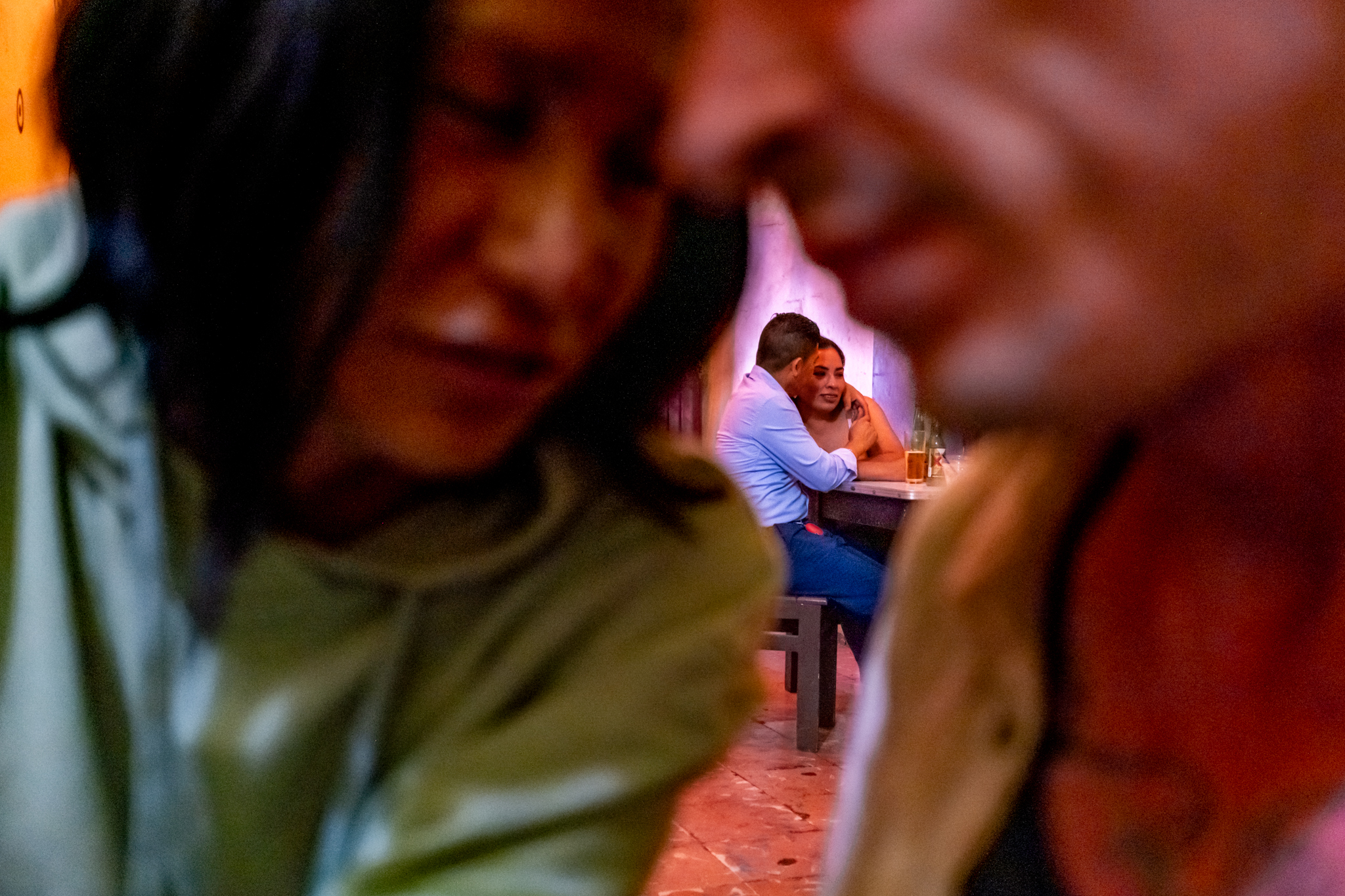
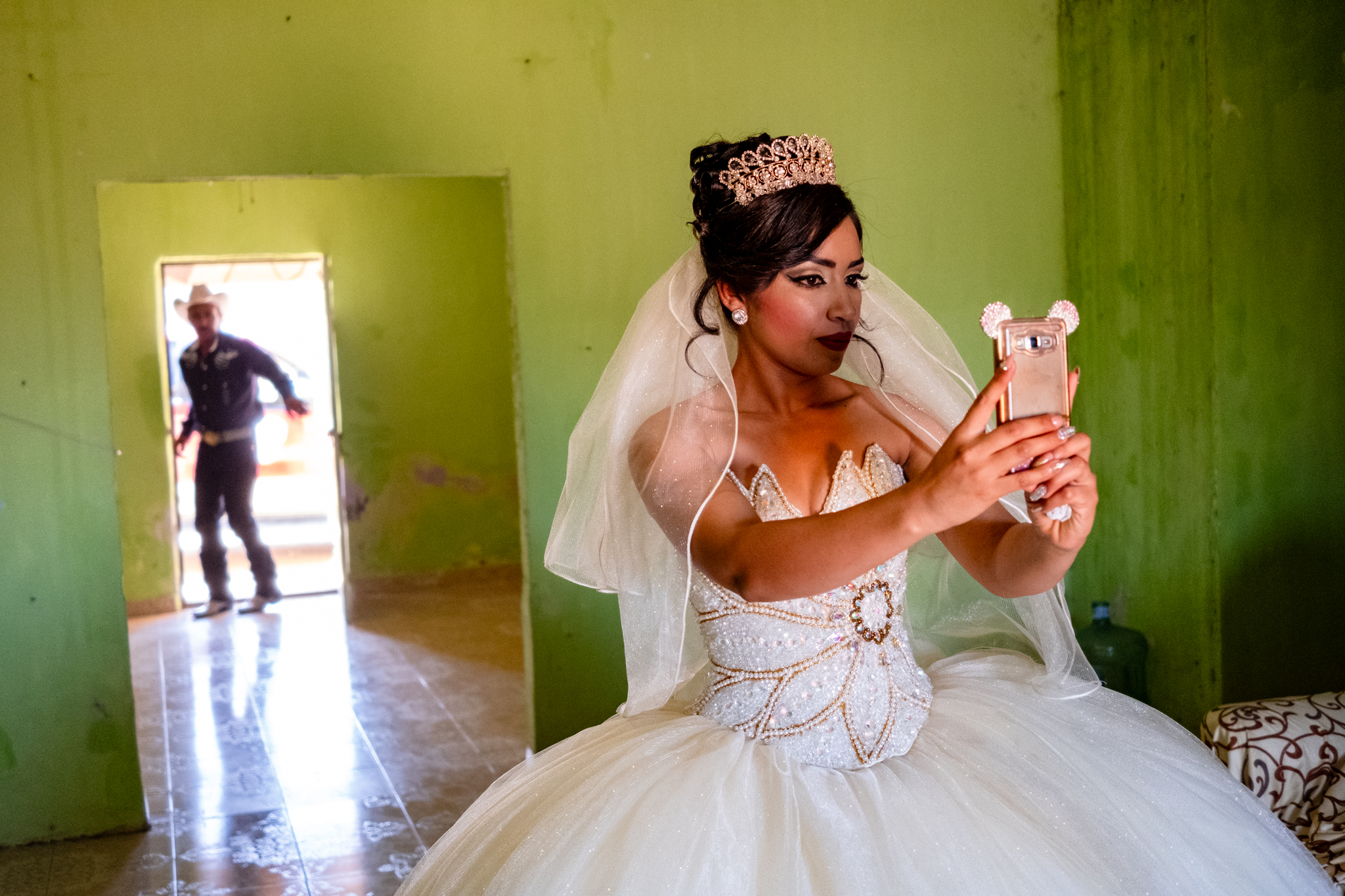
Noel’s exploration of human stories also extends into his journalistic work. Women Who Stay, a multimedia project he co-created with his wife, took them across four continents and six countries to document the lives of women who remained behind as the men in their families migrated.
“Migration is a theme I’ve worked on extensively,” Noel notes. “My wife and I created Women Who Stay, and the strength of these women—how they navigate their lives in the absence of their loved ones—struck me deeply. How could it not? My mother was one of those women,” he reflects.
This project brought him back to his own childhood, prompting him to consider how migration affected his mother’s life. “I hadn’t even thought to ask her about it before our project,” Noel says.
“There’s something profoundly unique about migration. Having lived as a migrant in the U.S. for many years, you end up living between words, identities, and cultures,” he shares. “Maybe that’s why I’m so drawn to liminal moments—they reflect the space in between, the tension of being caught between two worlds.”
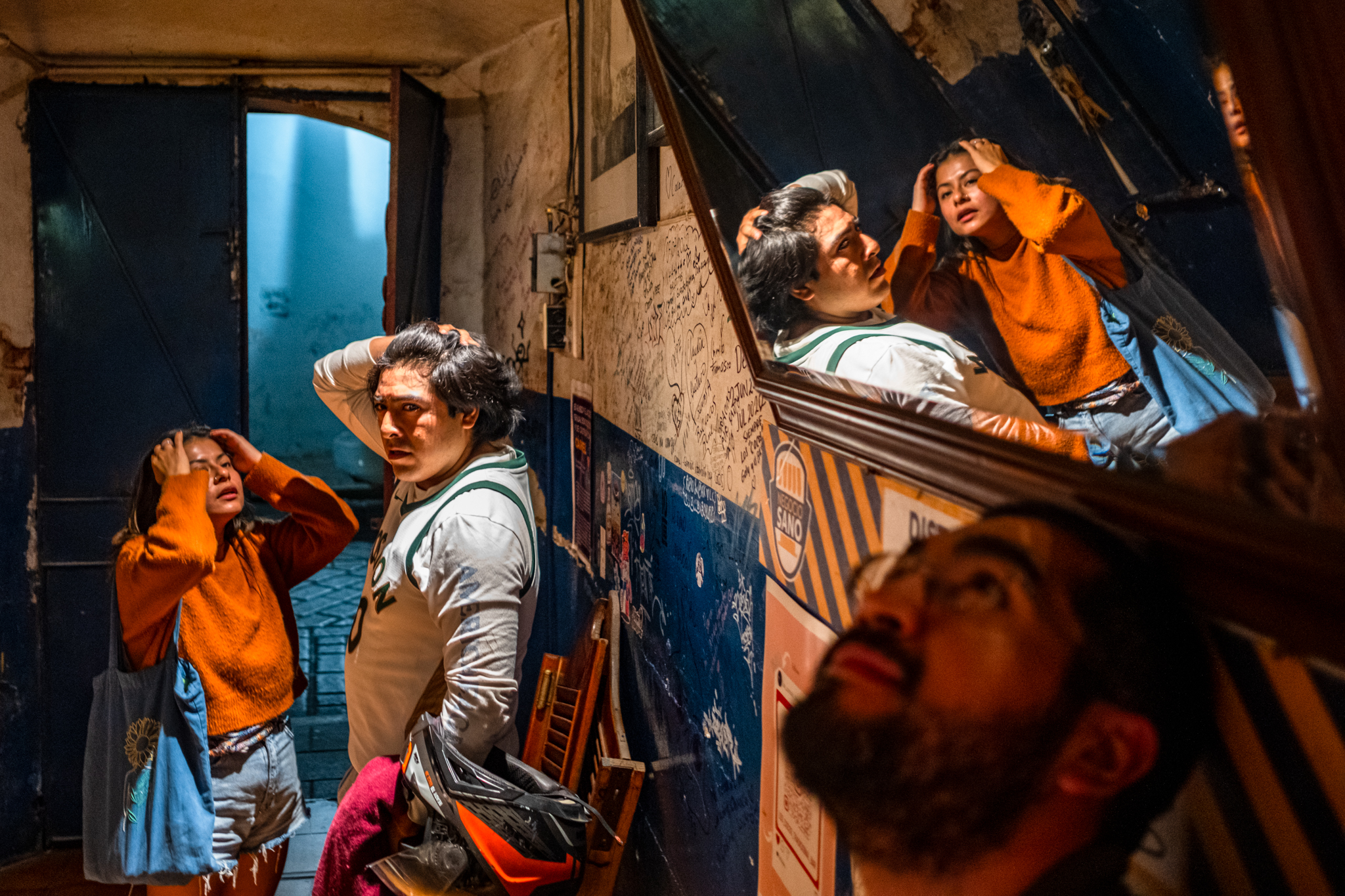
The range of experiences and lessons Noel learned inspired him to share his knowledge by teaching street photography workshops in Oaxaca, Mexico.
“My workshops are usually with small groups, from 2 to 4 people at most, and sometimes one-on-one, which I prefer. This allows for a more intimate and immediate approach,” he says.
“I tend to focus on photographers who already have some experience, as my teaching is more about project creation, refining style, sequencing, and a more observational approach to street photography. Overall, my experience teaching workshops has been wonderful, as I love sharing what I know, making connections, and talking with people about a shared passion.”
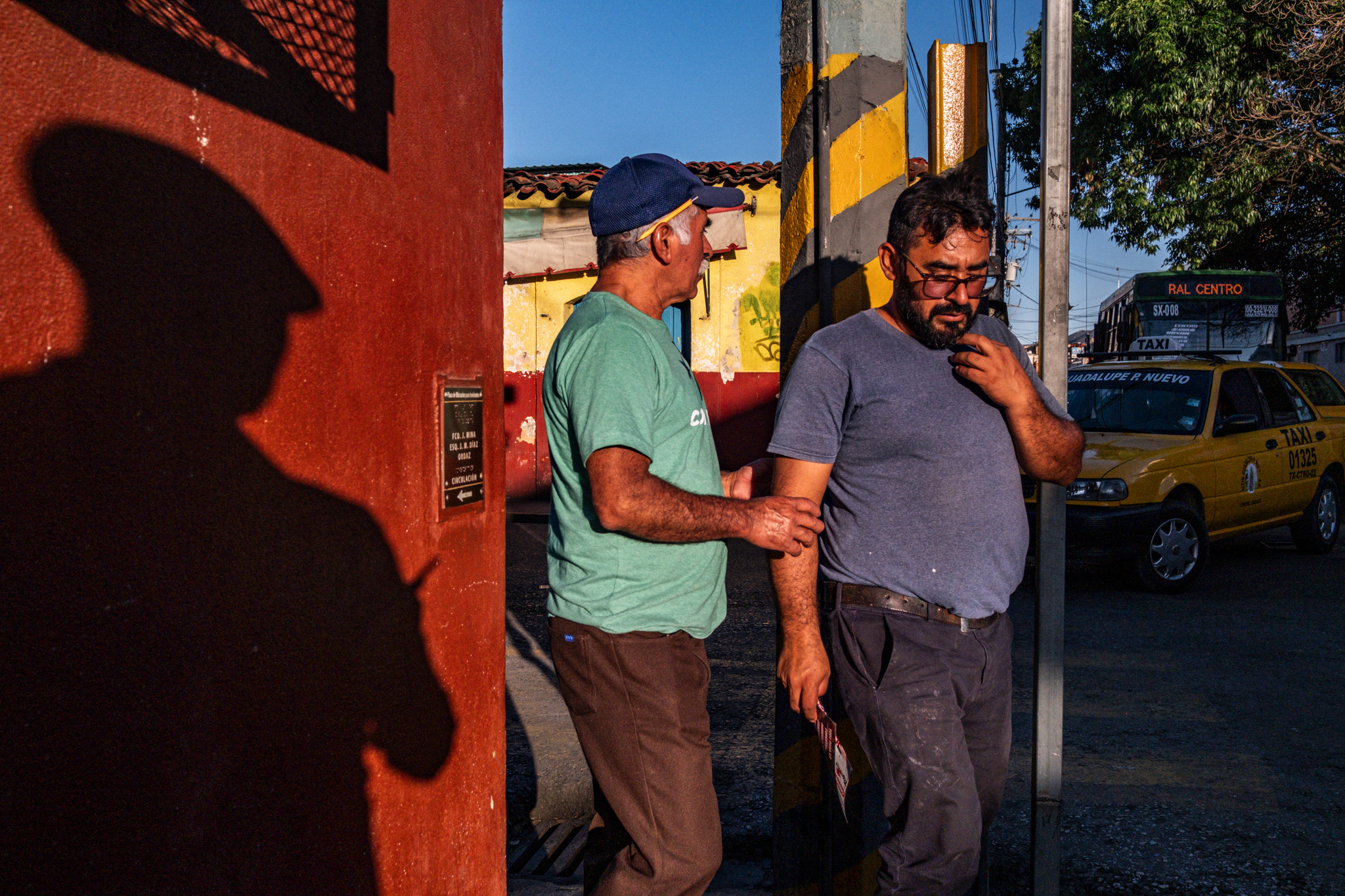
Although much of Noel’s street photography is rooted in Oaxaca and his wife’s native Slovakia, his work extends globally. “My work in photojournalism and documentary has taken me internationally, allowing me to explore diverse cultural contexts. However, when it comes to street photography, although most of my images come from Oaxaca and Slovakia, I always strive to capture personal images in the countries where I work,” he explains. “Each place offers me a new perspective, but my focus remains on human emotions, regardless of the context.”
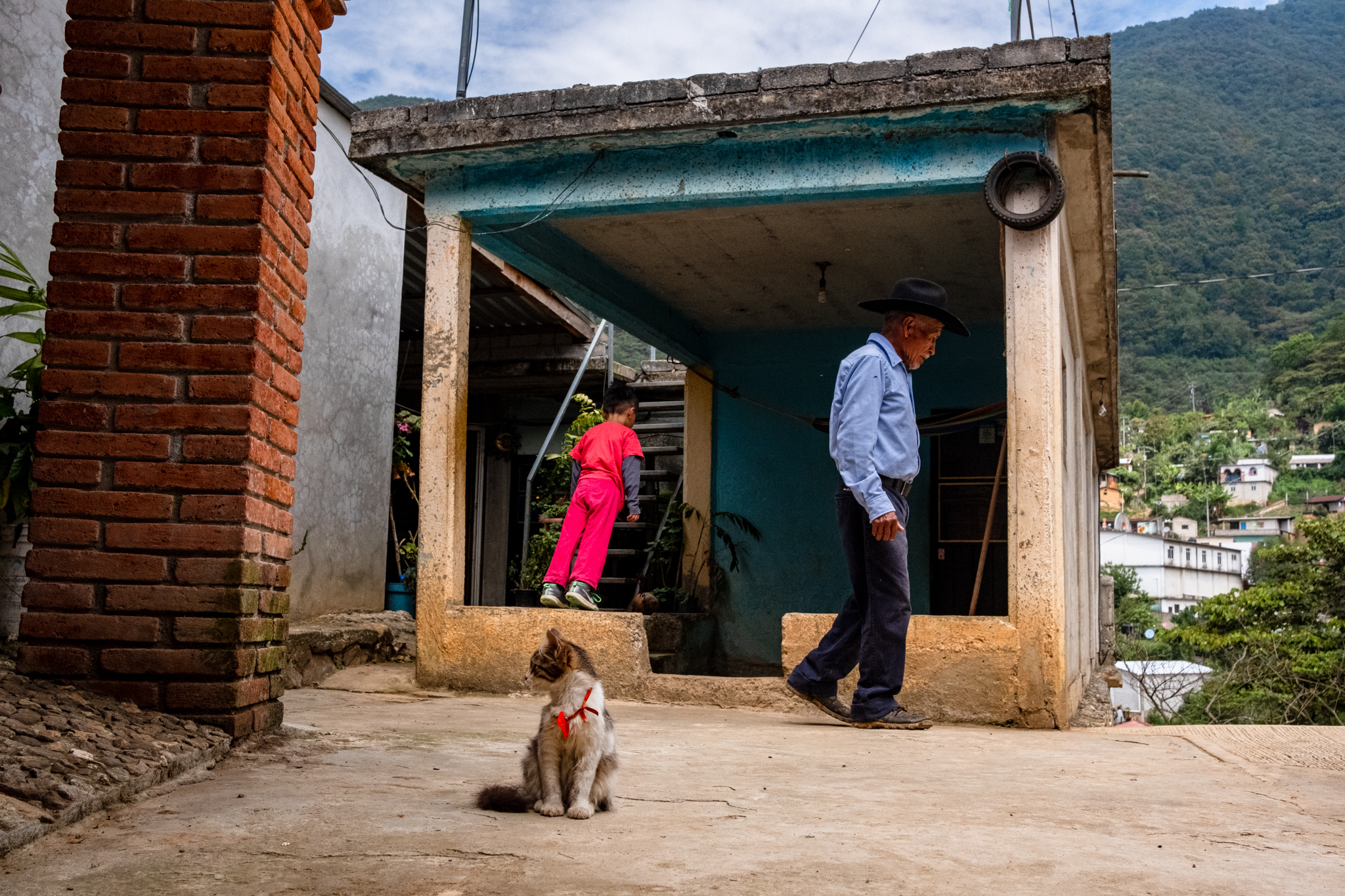
Noel believes that geography and cultural context invite the photographer to consider the moment and the location before imposing a style. “I don’t try to impose a preset style; instead, I adapt to the environment and the people who inhabit it. The light, the rhythms of daily life, and the unique characteristics of each place should guide the way we capture that reality,” he shares. “Forcing an aesthetic that doesn’t align with the context, in my opinion, makes the work lose its connection with its essence.”
This adaptability has led Noel to maintain a flexible, creative approach to his work, wherever he may be. By observing the human condition—emotions, gestures, and fleeting moments—he captures not only what he sees but also what he feels in that instant.
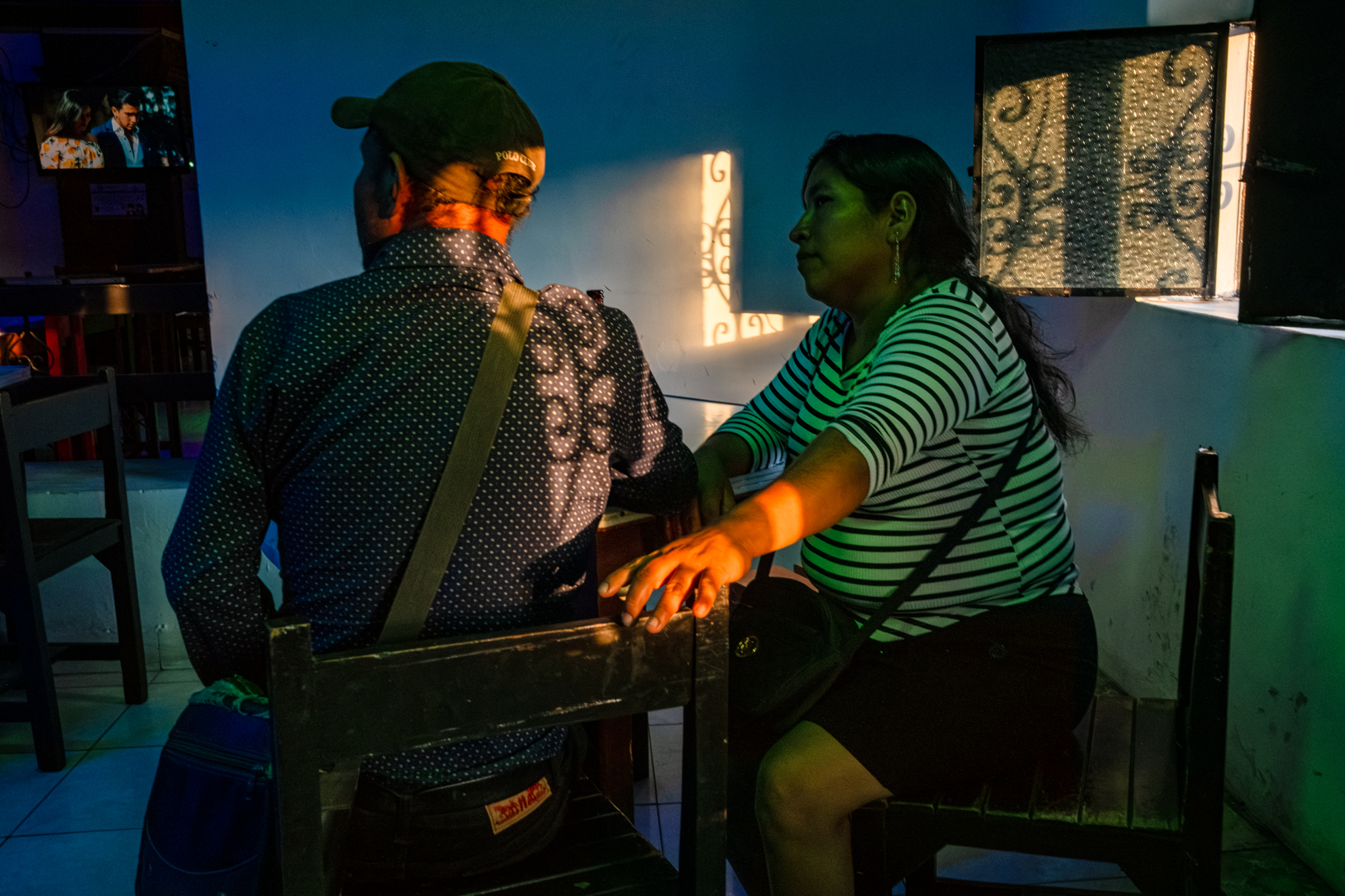
A turning point in Noel’s career came when he was selected as a USC Journalist Fellow. The fellowship took him deeper into the spiritual dimensions of human life, offering him the opportunity to document the lives of spiritual exemplars around the world.
“Receiving the USC Journalist Fellowship was an incredibly enriching experience,” he recalls. “The project focused on finding spiritual exemplars—people who are changing society in one way or another, guided by their spirituality. It wasn’t limited to religion; it encompassed various forms of spirituality—humanists, shamans, organized religions, among others. I had the opportunity to travel to four countries—Japan, Thailand, Colombia, and Mexico—to document these stories.”
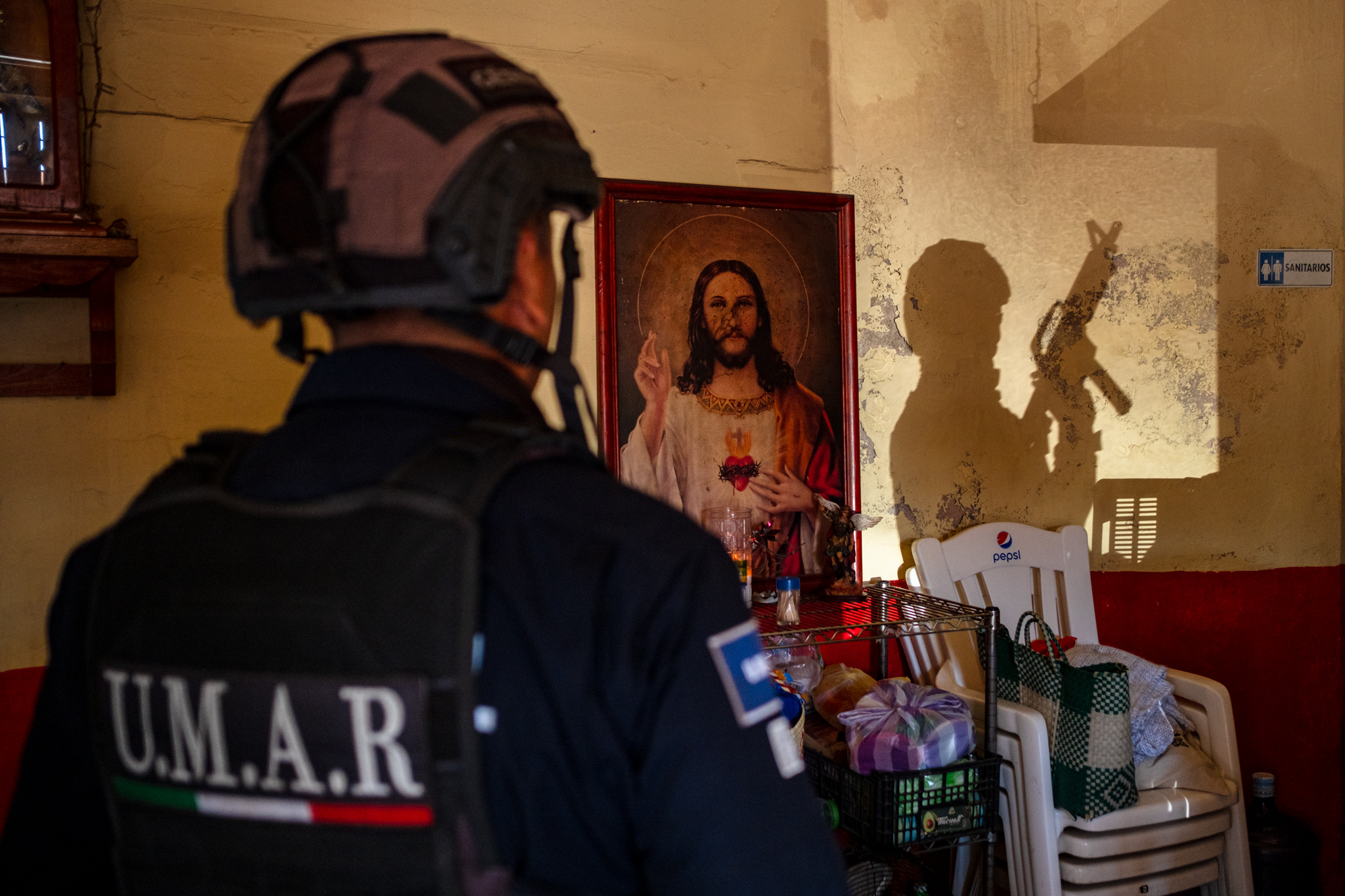
This experience led Noel to reflect on the power of the intangible. “What impacted me the most was realizing how something so invisible could be the catalyst for profound change,” he explains.
“It made me reflect on the invisible but powerful forces that exist beyond what the human eye can perceive. This idea continues to resonate with me and has opened many new avenues for exploration in my own work.”
His time at USC also allowed Noel to curate an exhibition showcasing the work of over 100 spiritual exemplars. “It was an experience that allowed me to grow deeply, both professionally and personally,” he says.
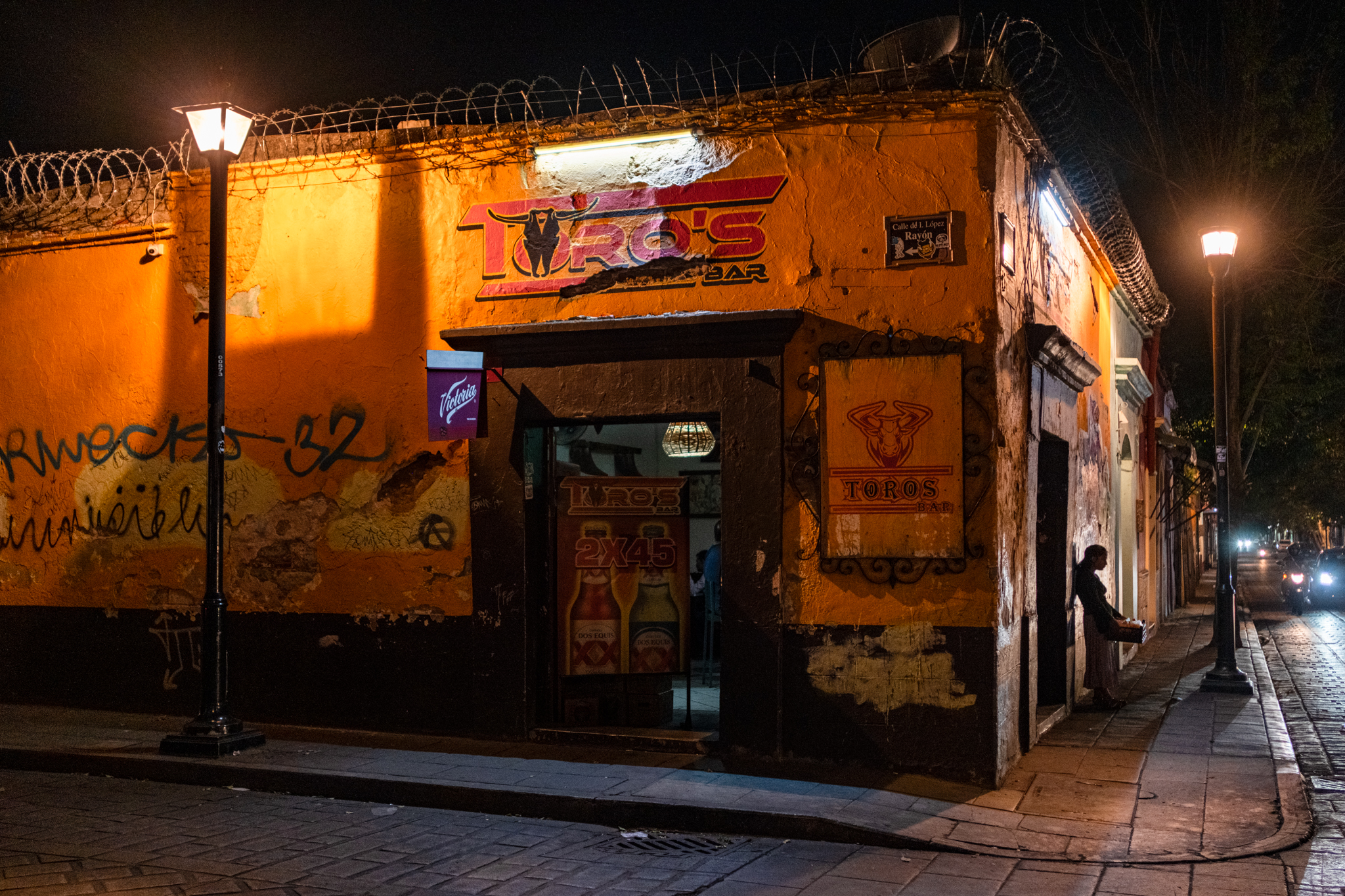
The Chaplaincy Innovation Lab Fellowship took his exploration even further, focusing on marginalized communities and the impact of chaplains on people experiencing homelessness.
“It felt like a natural extension of the Spiritual Exemplars project,” Noel shares. “We worked with marginalized communities for years, and what became clear to me was how experience allows us to see those small details, often overlooked, that have a profound impact on our lives.”
Noel’s photographic process is a blend of intention and spontaneity. While he spends considerable time conceptualizing his projects, inspiration often strikes when he least expects it.
“I take the photo and then reflect on what drew me to that moment,” he explains. “I analyze it, observing the emotion it evokes, and then try to replicate that feeling, rather than the image itself.”
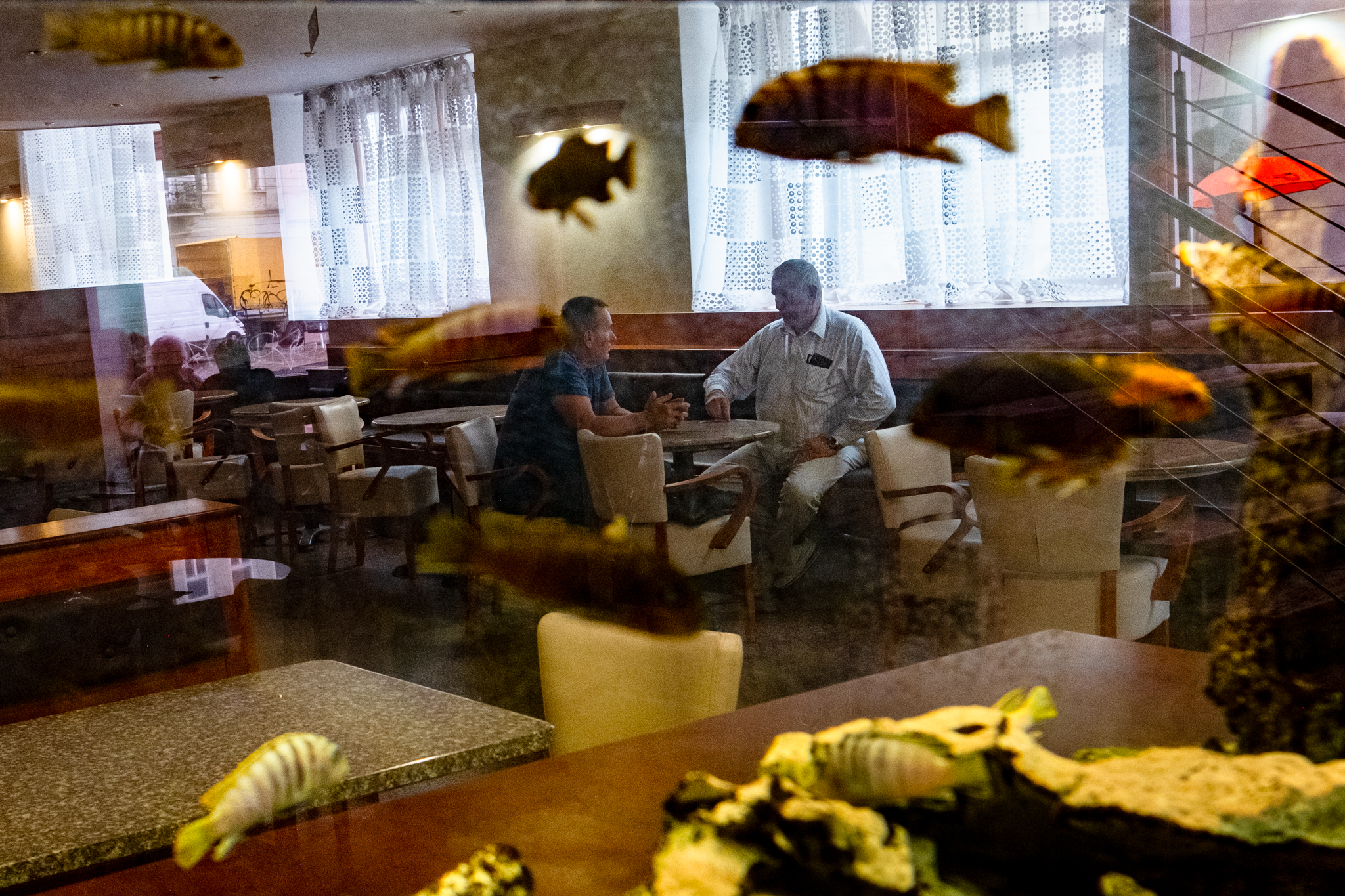
This reflective approach is vital for Noel, as it helps him capture not just the visual moment, but the essence of what that moment evokes. “I immerse myself in the theme I’m exploring—researching painters, writers, poets, even the science behind the topic—during this time of internal discovery.”
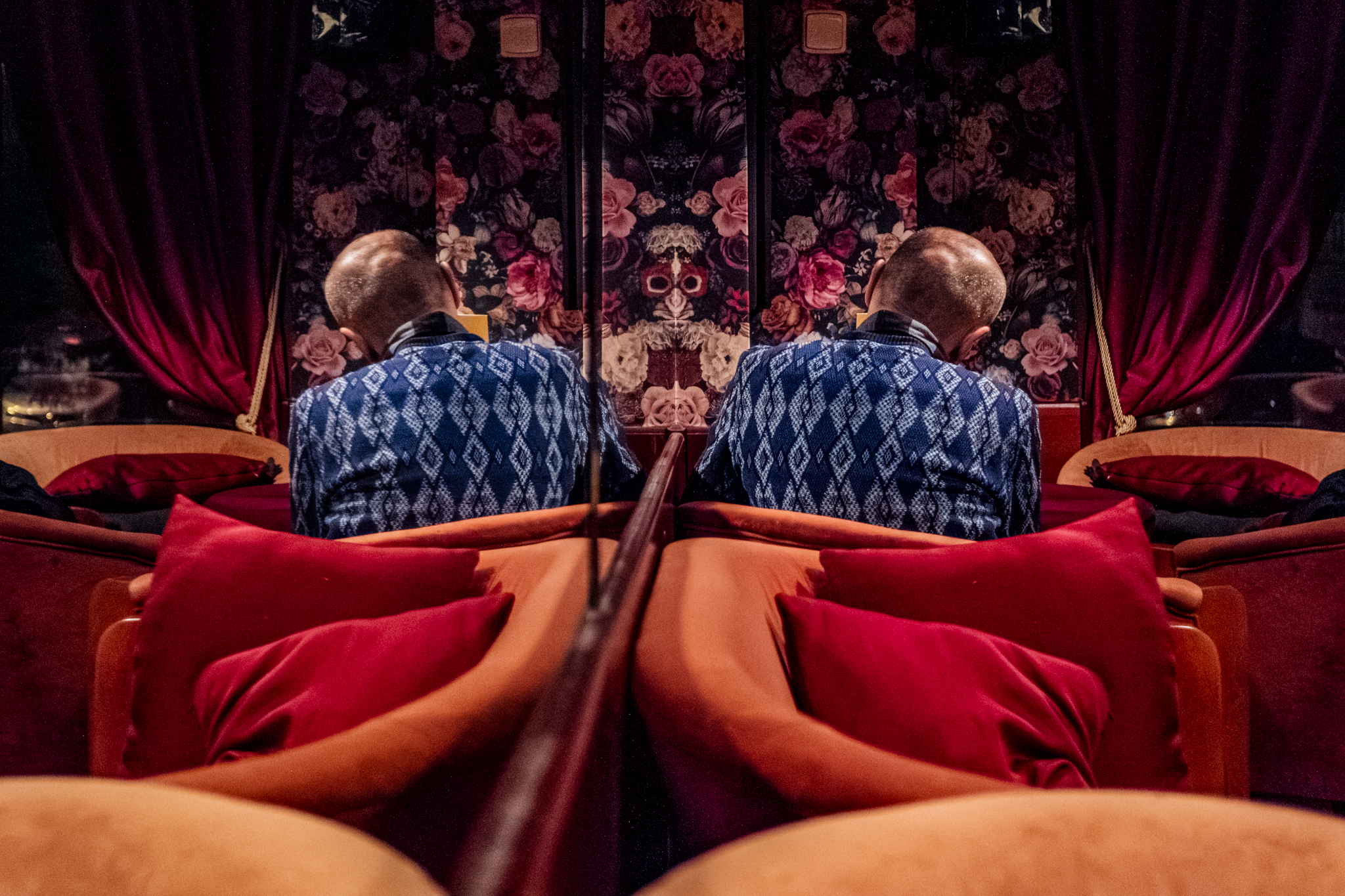
While Noel has captured countless significant moments throughout his career, two images from Women Who Stay stand out. “I’m fortunate to have several images that are particularly significant to me. However, there are two that come to mind. One of them, I knew instantly it was good—it was well-composed, dynamic, and captured a moment that reflected the human condition. It was the photo that affirmed to me that I could be a photographer, at least technically.”
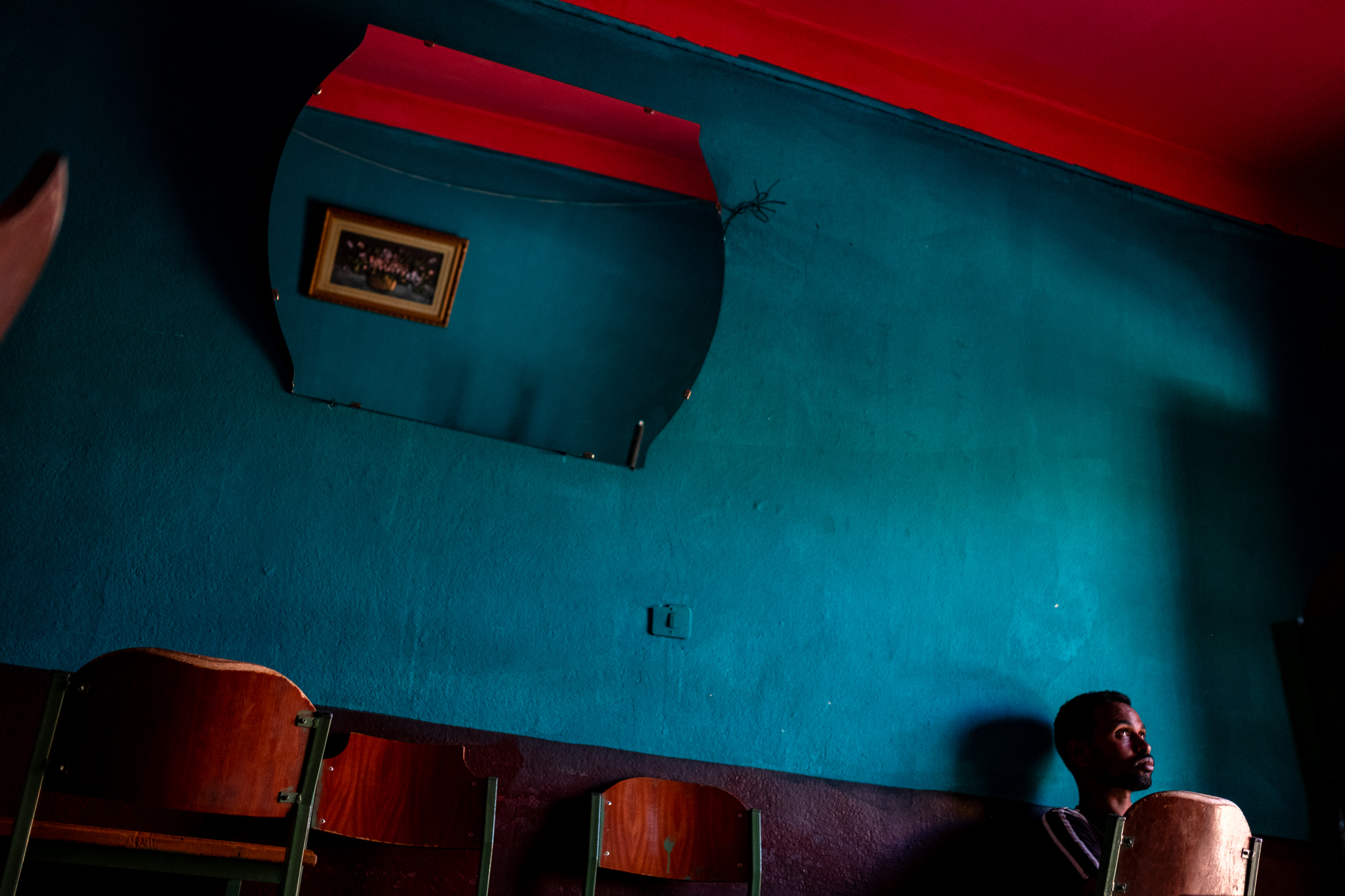
“The other one was one I liked but hesitated to publish because I didn’t understand why I liked it. It was simply a man in contemplation. It wasn’t until later that I realized an image can be simple and still be powerful. It taught me to share something I didn’t fully understand but felt had value—a lesson in the fragility of sharing something that didn’t make sense yet, but somehow felt right.”
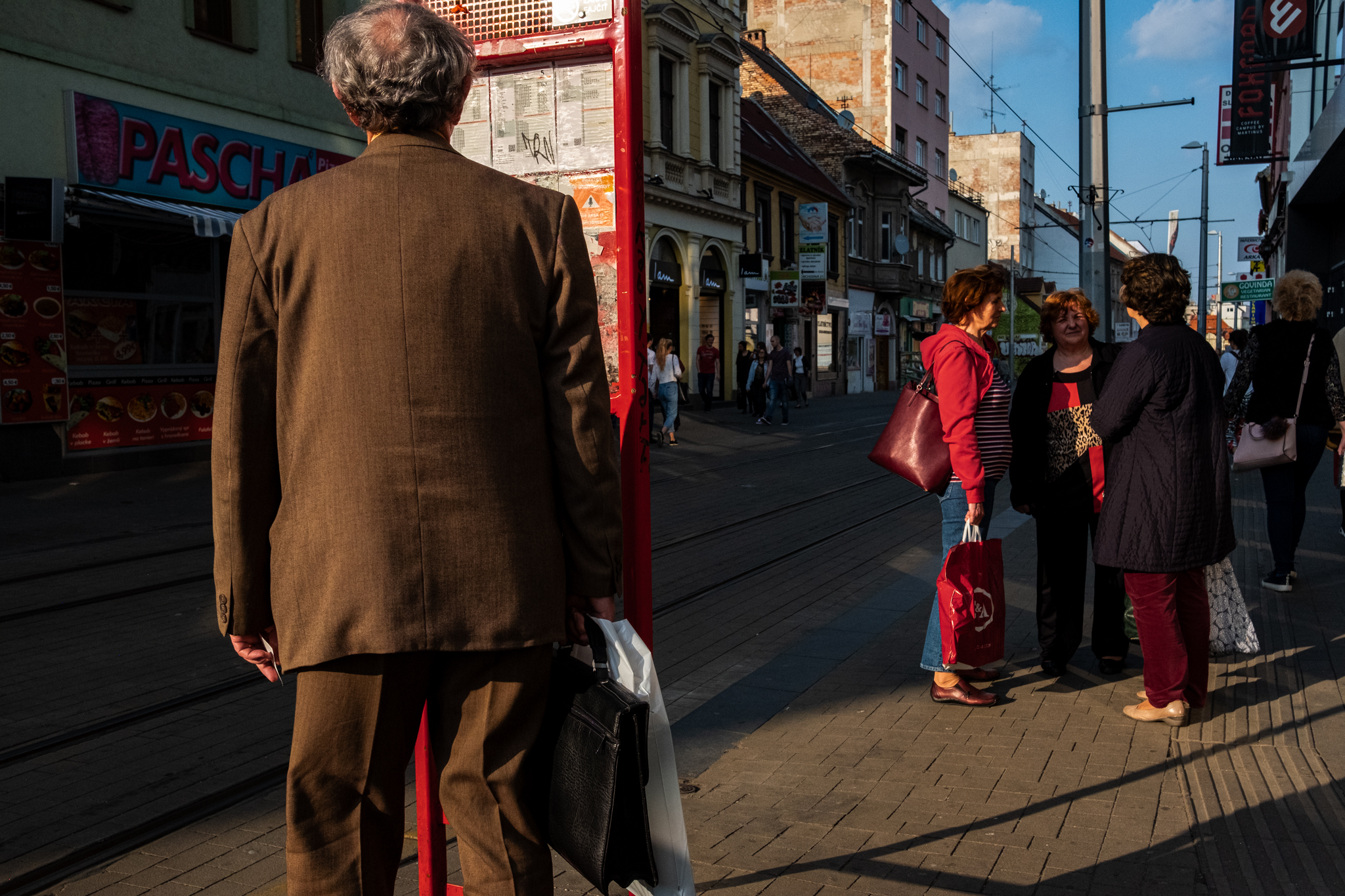
For Noel, the quiet, often overlooked moments of human experience remain his deepest passion. Whether capturing the cantinas of Oaxaca in Gotas de Fuego, documenting lives caught between cultures in Slovakia, or exploring the migration of women in Women Who Stay, his work consistently delves into the moments of transition that mark profound change.
“Ultimately, I aim to capture the human condition during moments of change—the silent transitions, the emotions felt in the air, and the forces that subtly transform us,” he concludes.
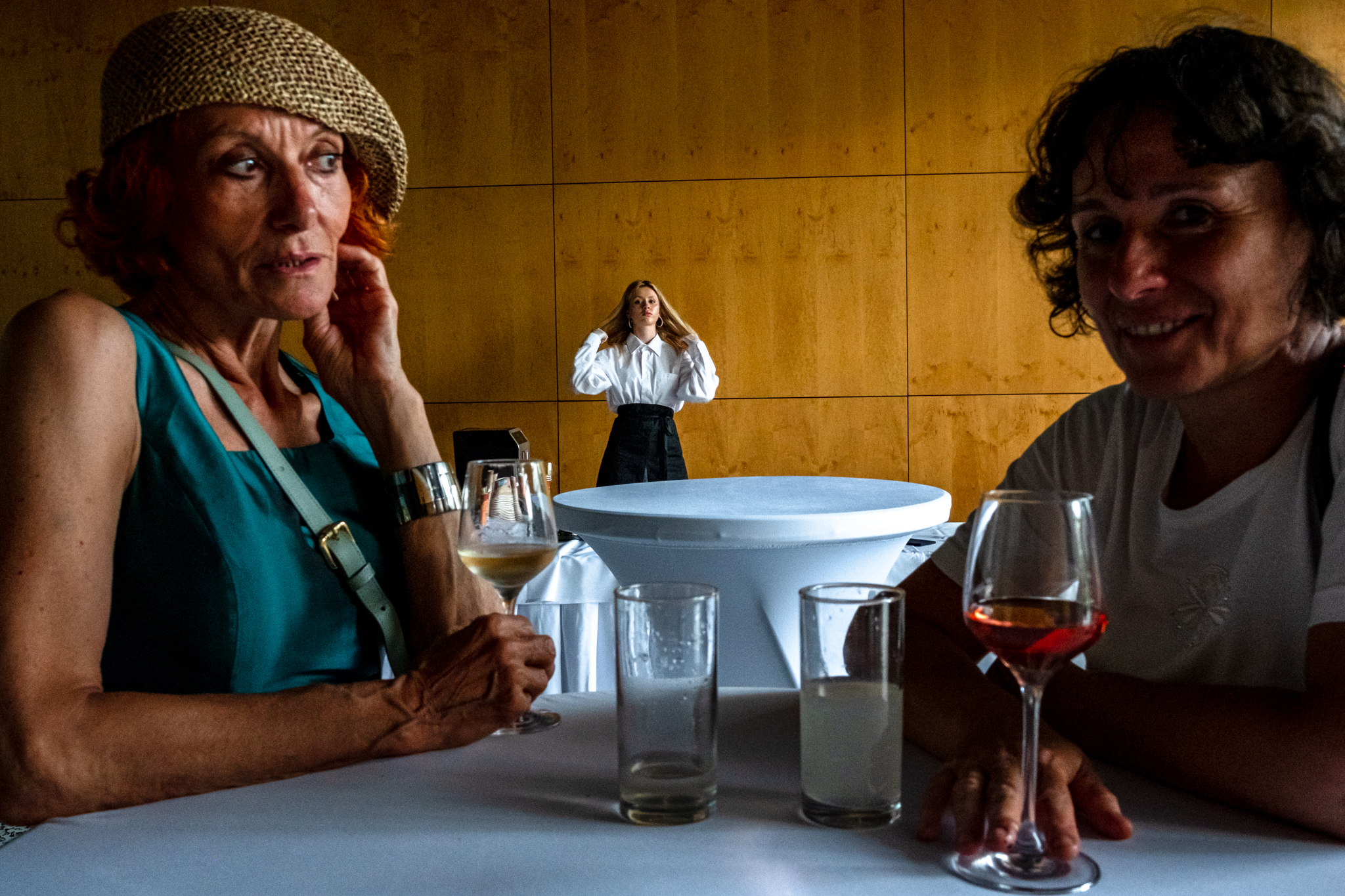
Photography, for Noel, has been more than just a career. “It became an anchor for me, a way to channel my curiosity and my desire to learn. It’s not just a tool for intellectual exploration, but something that nourishes my soul.”
Looking ahead, Noel is focused on completing Gotas de Fuego and hopes to turn it into a book. “I’ve grown attached to the cantinas,” he says. “This is a project I want to finish, but I know it’s one I will continue working on for a long time.”
Through his photography, Noel has not only discovered the world around him but also found a sense of direction in his own life. “The people and their stories have taught me more than I could have ever imagined,” he reflects, “and I continue to grow through these experiences.”
To Learn More Visit:
 Soledad Quartucci, CEO, Latina Republic
Latina Republic envisions a world where the beauty and resilience of Latin American and Caribbean cultures are recognized and appreciated globally. By amplifying the voices of artists and cultural custodians, we strive to cultivate a deeper understanding of the region’s challenges and triumphs. Our goal is to inspire greater appreciation for the arts as a tool for empathy, unity, and transformative social change. Through our work, we aim to equip all stakeholders with essential insights for addressing regional challenges, ultimately enriching the global cultural landscape and portraying the victories and hardships of everyday life in Latin America.