

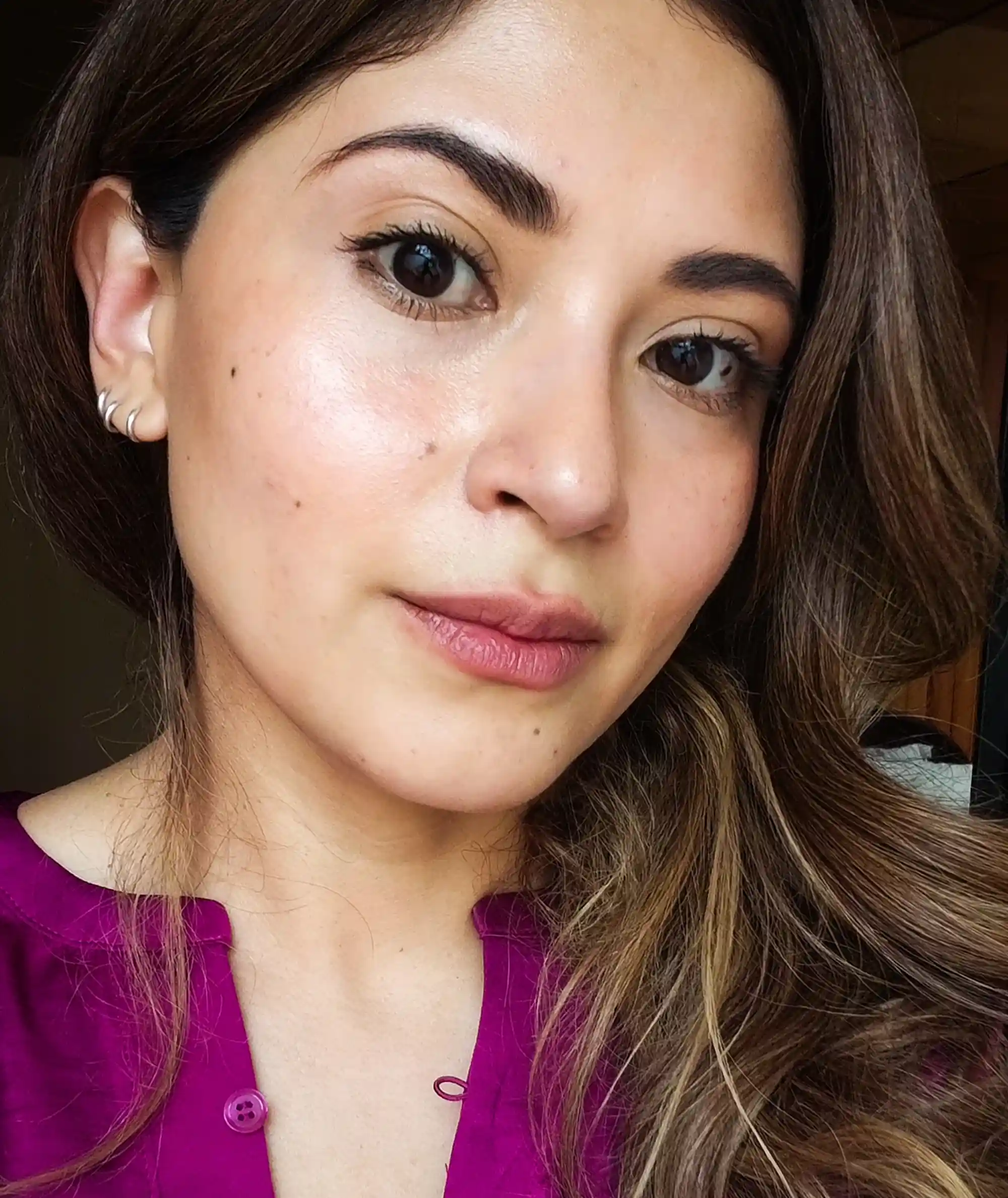
Andrea Gabriela Molina Cáceres, known on Instagram as @andreamolina.foto, is an Ecuadorian photographer whose work emerges from a deeply personal relationship with place, memory, and storytelling. Born in Ambato, in the province of Tungurahua, her early life was shaped by what she describes as “the proximity to the rural life of its cantons, the constant presence of volcanoes, and a very physical relationship with the territory.” These formative experiences would later become central to her visual language.
Her path, however, was not rooted in a single place. She later moved to Cuenca, a city that, as she explains, “ended up shaping me and, in a way, adopting me.” This movement between territories created a dual sense of belonging and displacement that continues to inform her work.
“I believe my gaze arises precisely from that tension,” she reflects, describing it as “a way of observing from both inside and outside at once, with wonder, recognition, and a certain emotional distance.”
Andrea’s connection to images began through cinema. With a degree in Film and Audiovisual Studies, she explains that her relationship with the visual world “comes from storytelling,” adding, “I have always been connected to telling stories.”
Photography, however, entered her life in a more intimate and transformative way. After stepping away from image-making for a time, she went through a difficult personal experience that brought her back to the camera. “It was not so much a technical decision,” she says, “but an almost organic process.” In that moment, photography became “a way to look again, to organize what I had lived through,” eventually evolving into “a personal language oriented toward authorial projects.”
Coming from a non-artistic family, Andrea describes her journey as, at times, solitary. “Growing up as the only person with these kinds of concerns,” she notes, “also meant developing my own voice from intuition.” While her academic background is in film, her photographic practice has largely been self-taught, shaped through “observation, practice, and a constant process of self-reflection.”
For Andrea, photography is “my way of understanding the world.” Her work inhabits an intimate space where contemporary narrative intersects with elements of classical cinematic language. She is particularly interested in emotional proximity, explaining that she seeks “to work from an emotional closeness to what I photograph.”
Her themes range from human relationships and the ritual embedded in everyday life to mestizaje and the transformations of territory. She also engages with social tensions such as gentrification, approaching them “from a sensitive perspective,” while deliberately “avoiding both folklorization and the aestheticization of precariousness.” At its core, her work aims “to approach the wound—both individual and collective—with respect,” while also revealing “the complexity and beauty that inhabit the Ecuadorian context.”
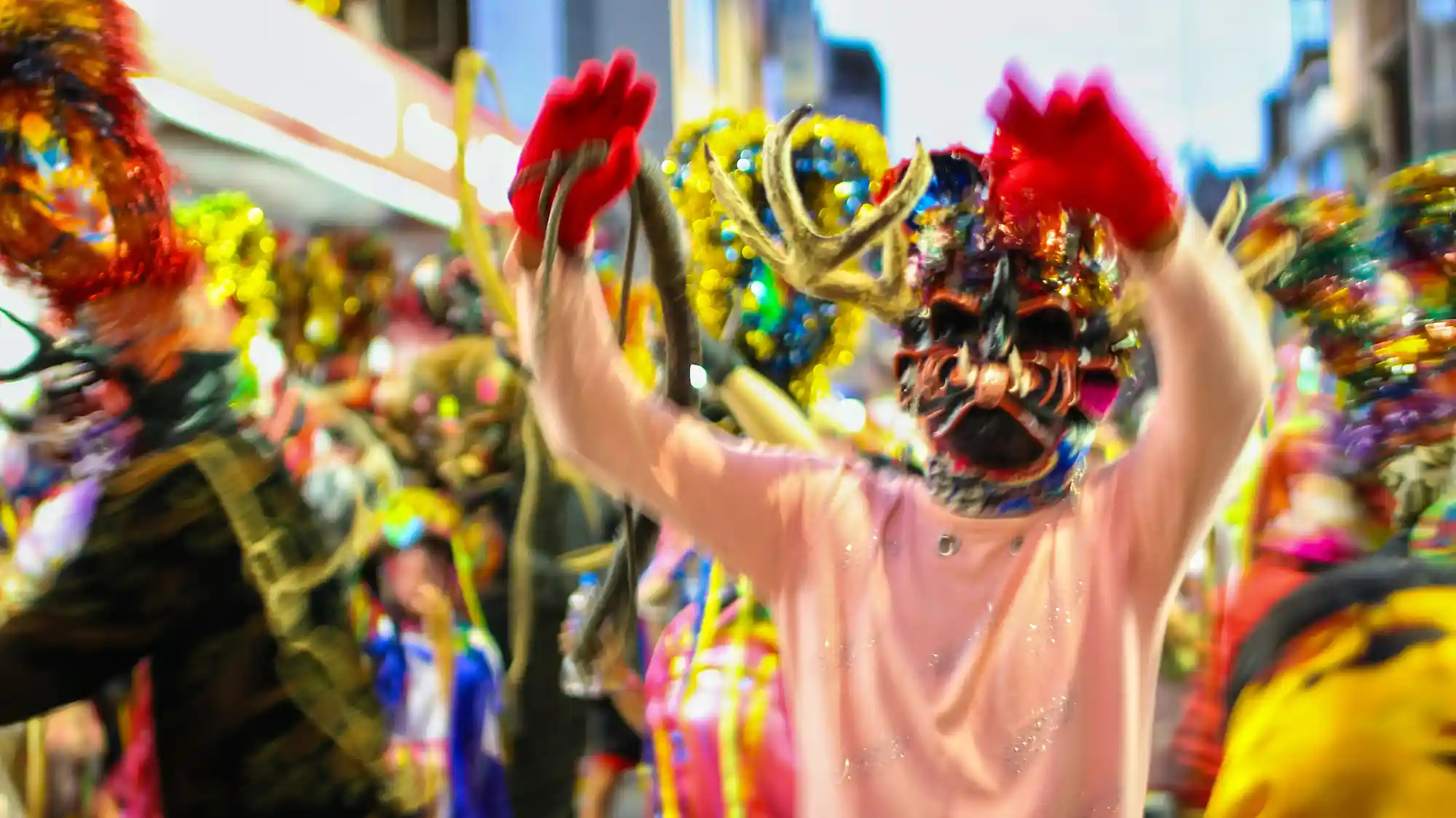
Working as an authorial photographer in Ecuador presents challenges, particularly in creating visibility and finding audiences who understand work beyond commercial frameworks. Yet Andrea finds deep fulfillment in her environment. Ecuador, she says, offers “very rich cultural, symbolic, and human layers to explore,” making it an endlessly generative space for her practice.
Her approach to photographing balances preparation and intuition. While she often researches beforehand, once in the field she allows herself to respond instinctively. “More than looking for specific images,” she explains, “I am interested in being available to what happens.” What she seeks are subtle revelations—“moments where something is revealed, even if only minimally.”
One of her most significant ongoing projects, Cuerpo en Retorno (Body in Return), encapsulates many of these ideas. The work is a “visual investigation” into “bodily memory, territory, and the way bodies are traversed by history, affections, and displacement.” Through it, she considers “the body as a living archive,” shaped by both individual and collective experiences. The project also marks a personal turning point. “It was, in some way, my return to the central Sierra,” she says, describing it as “a moment of personal reconnection” where “a new version of myself” began to emerge. The images, she explains, are not just records but “a way of reinhabiting the territory and my own gaze.”
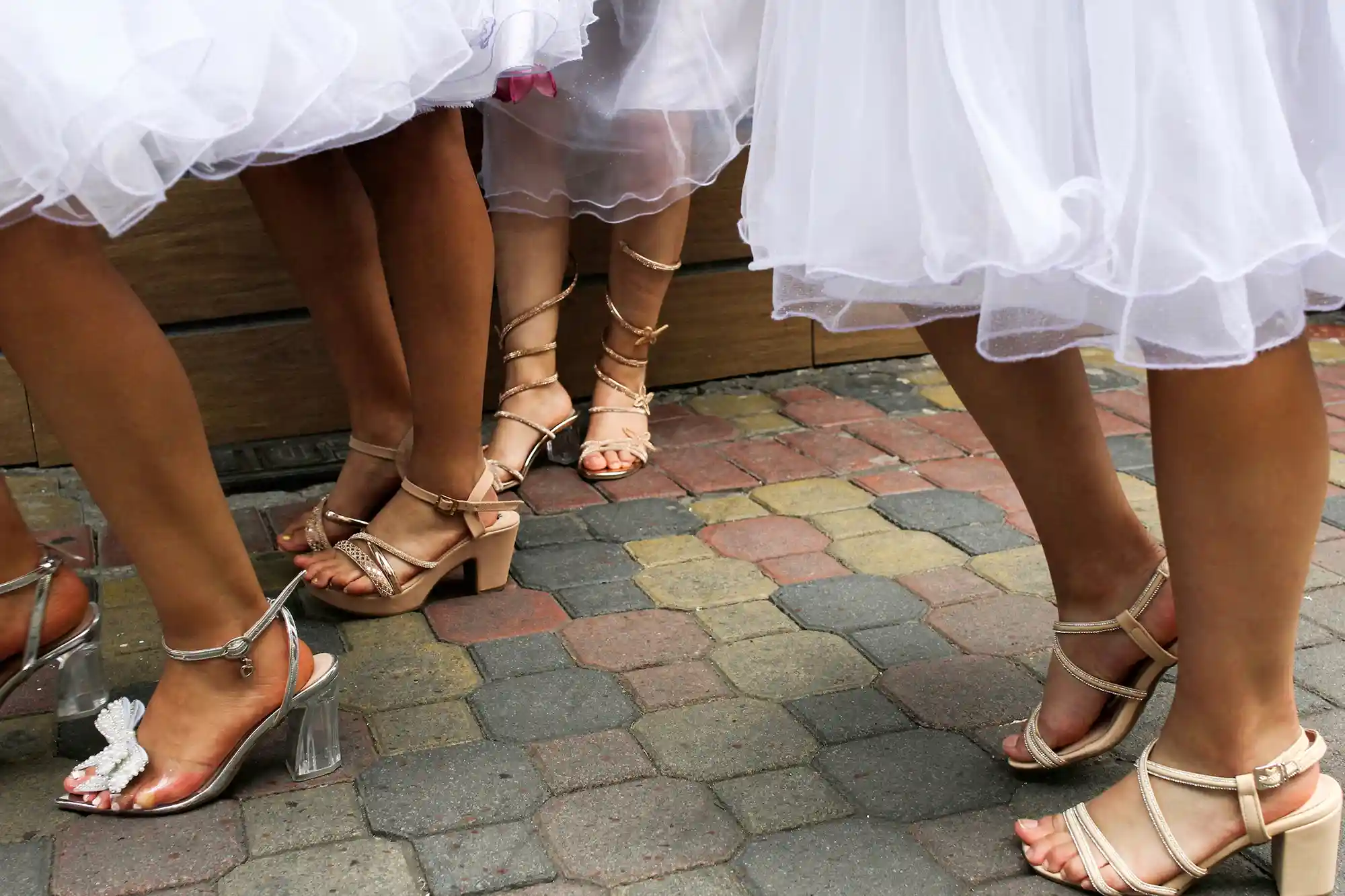
A recurring motif in her work—feet—illustrates how personal symbolism evolves over time. What began as a response to a familiar phrase—people telling her to “put my feet on the ground”—gradually became a visual obsession. She has since created numerous images centered on this framing: “feet in celebrations, in transit, in intimate or collective moments.” Over time, she came to understand that this was “not just a formal resource, but a way of speaking about rootedness, displacement, and presence,” marking “a turning point” in her visual thinking.
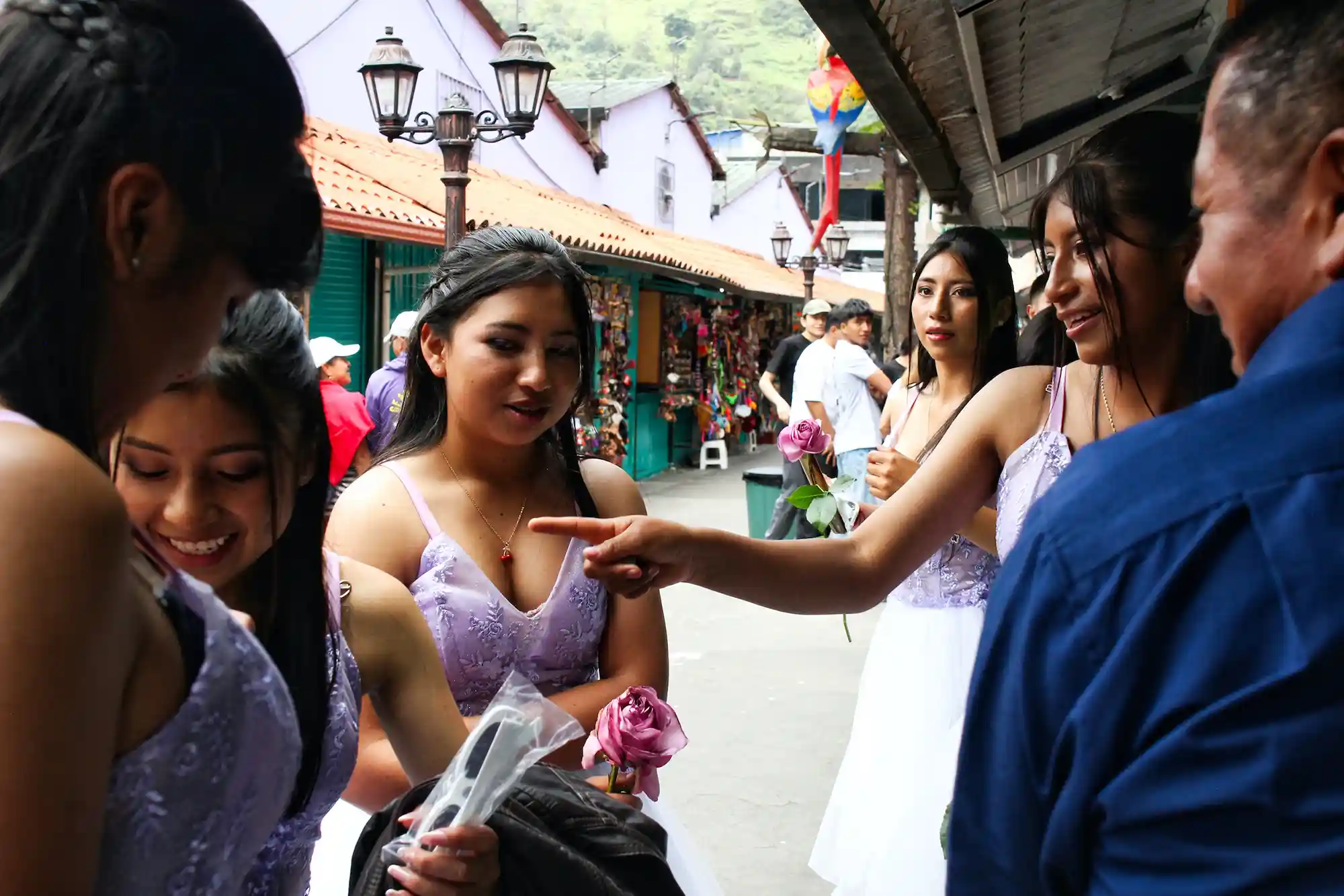
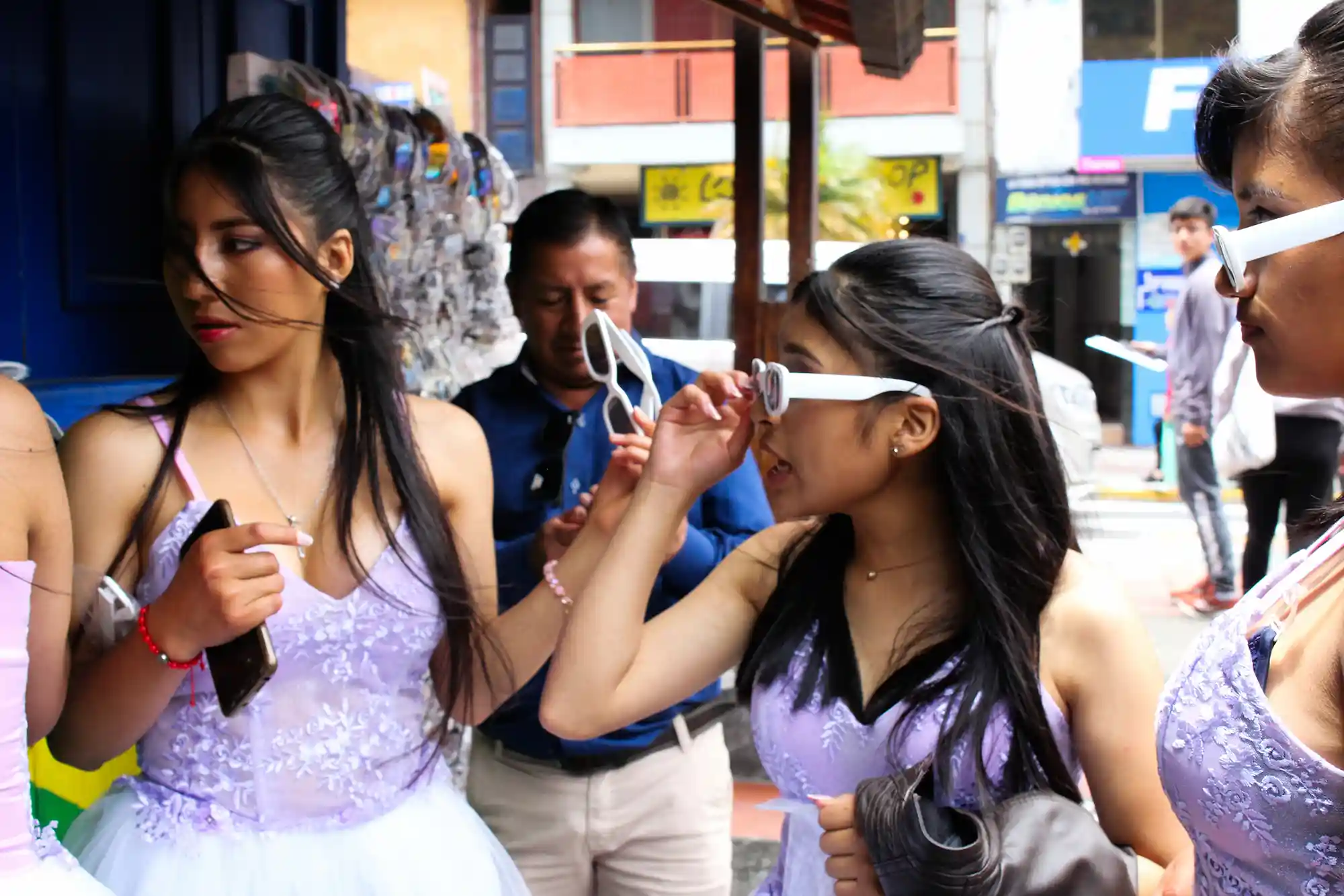
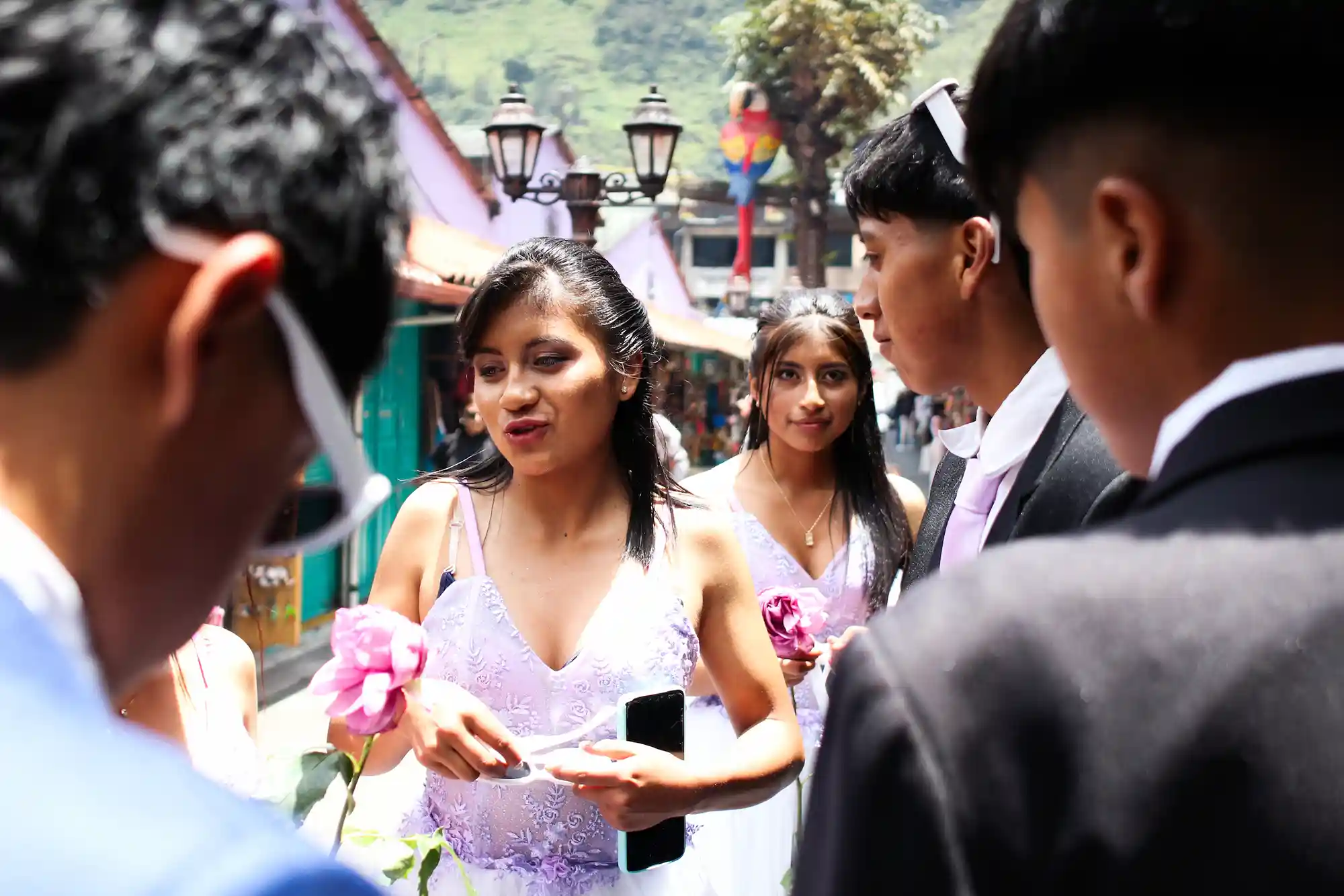
Andrea’s practice is structured around series, which she approaches as ongoing investigations. Projects like Gafas Blancas para un Rito (White Lenses for a Rite) and Body in Return begin in the observation of daily life but seek to uncover deeper symbolic layers—“rituals, affections, social transformations, and cultural tensions.” Rather than offering fixed interpretations, she aims to “open questions and generate a sensitive experience for the viewer.”
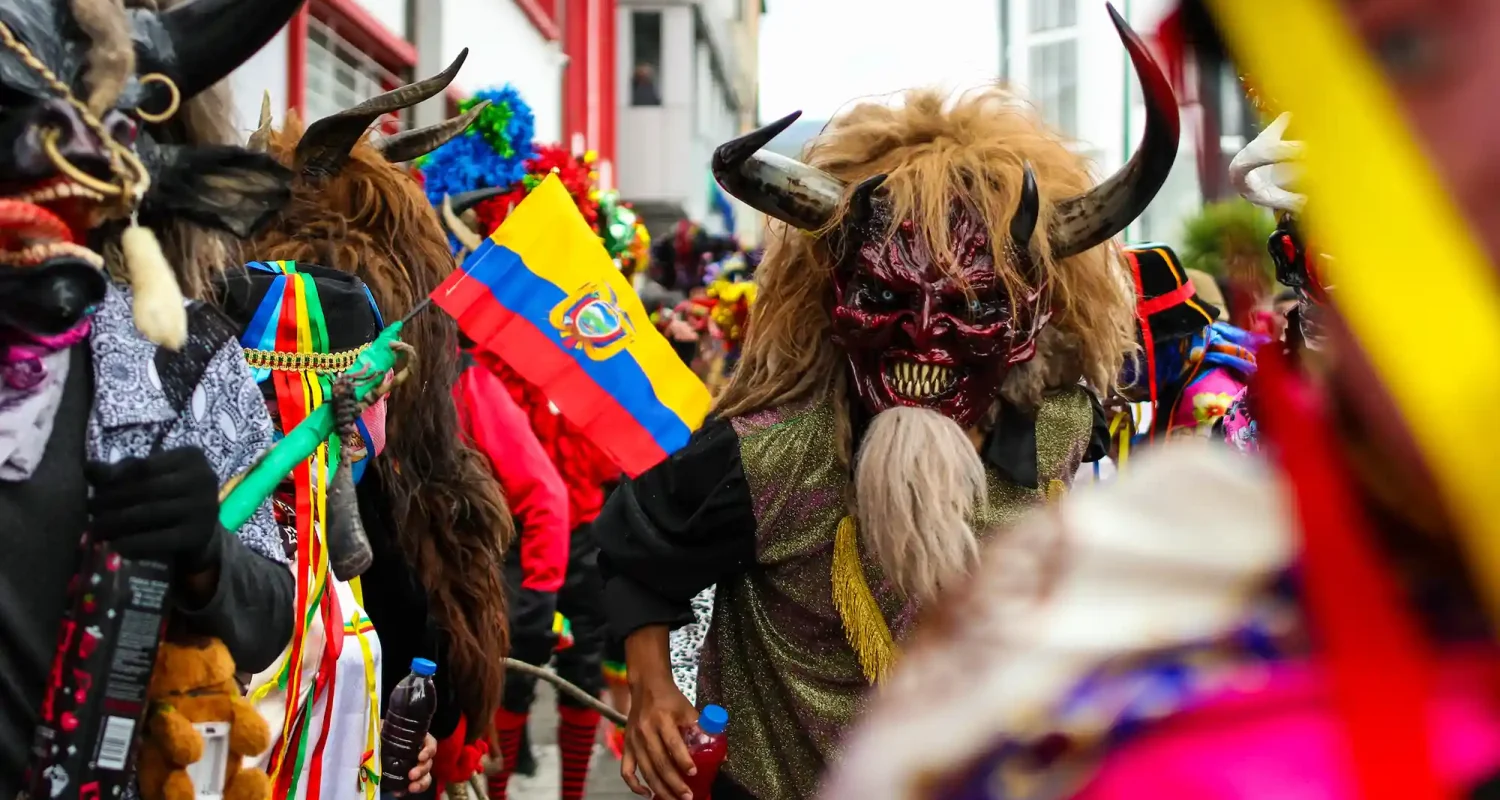
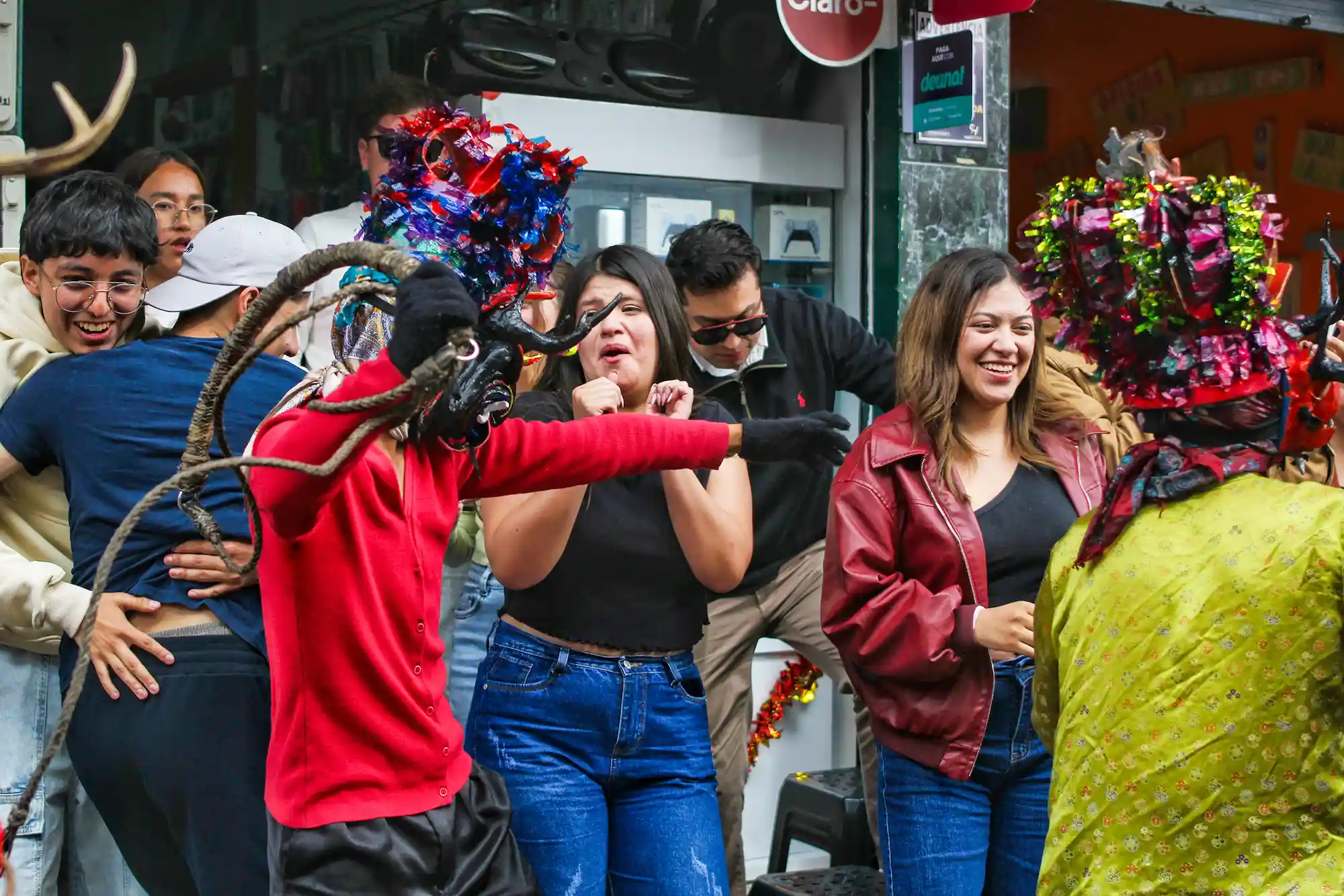
Her experiences photographing communities have also left lasting impressions. She recalls one New Year celebration where she encountered los monos expressive, humorous figures who are part of a collective ritual. “They constantly try to involve you in the celebration,” she says, sometimes insistently. Although she did not capture images that day, the memory remains vivid, reflecting “the intensity and generosity of certain cultural expressions.”
Looking back, Andrea offers her younger self a simple but resonant piece of advice: “Make the most of time. Trust your processes and understand that everything arrives in its moment—but time itself does not return.”
Today, she continues to work across multiple projects, including a documentary film script exploring “memory, lineage, and transformations of territory.” In the coming years, she hopes to both consolidate her current work and expand into new contexts, continuing to build long-term series that engage deeply with Ecuador’s social and cultural landscapes.
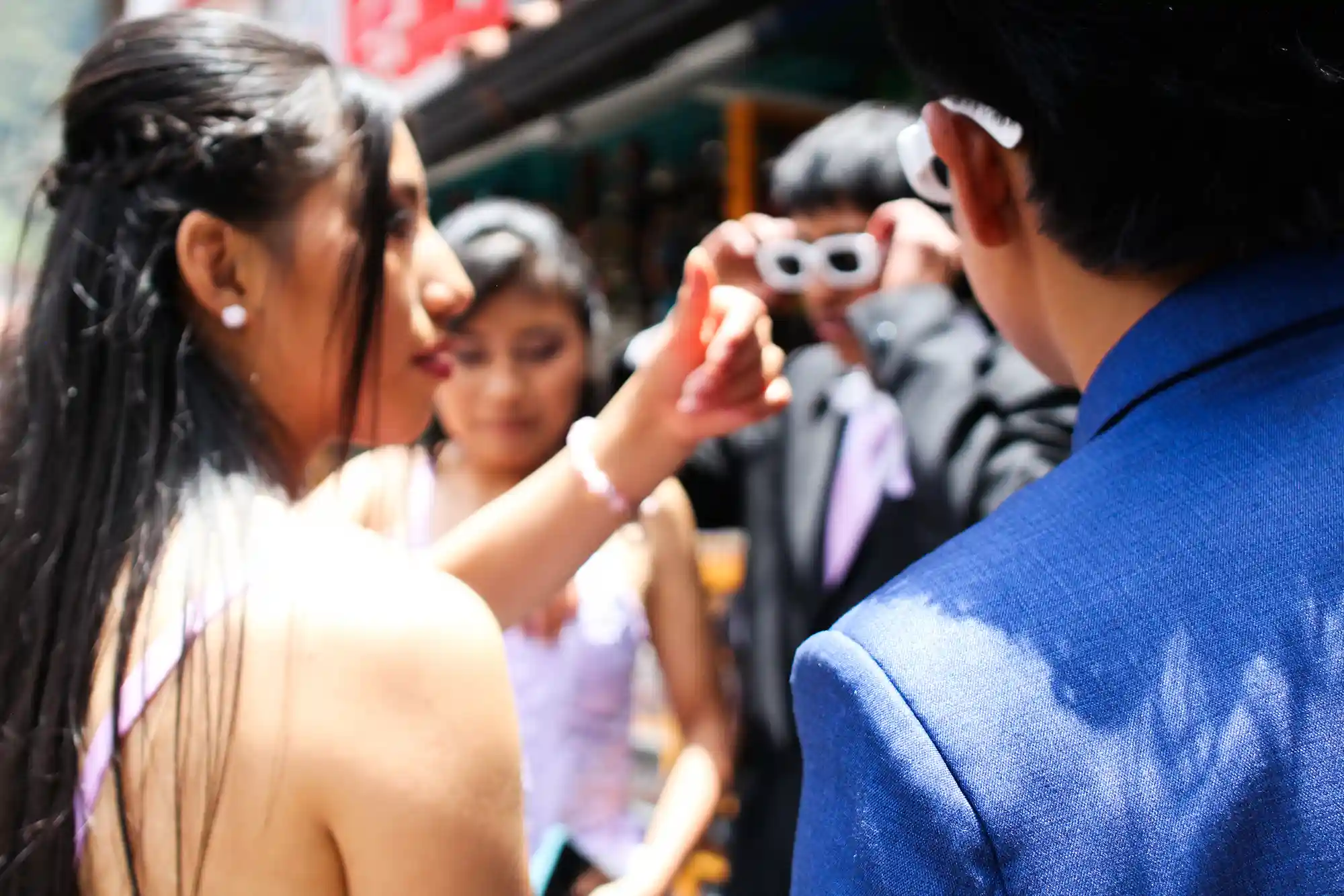
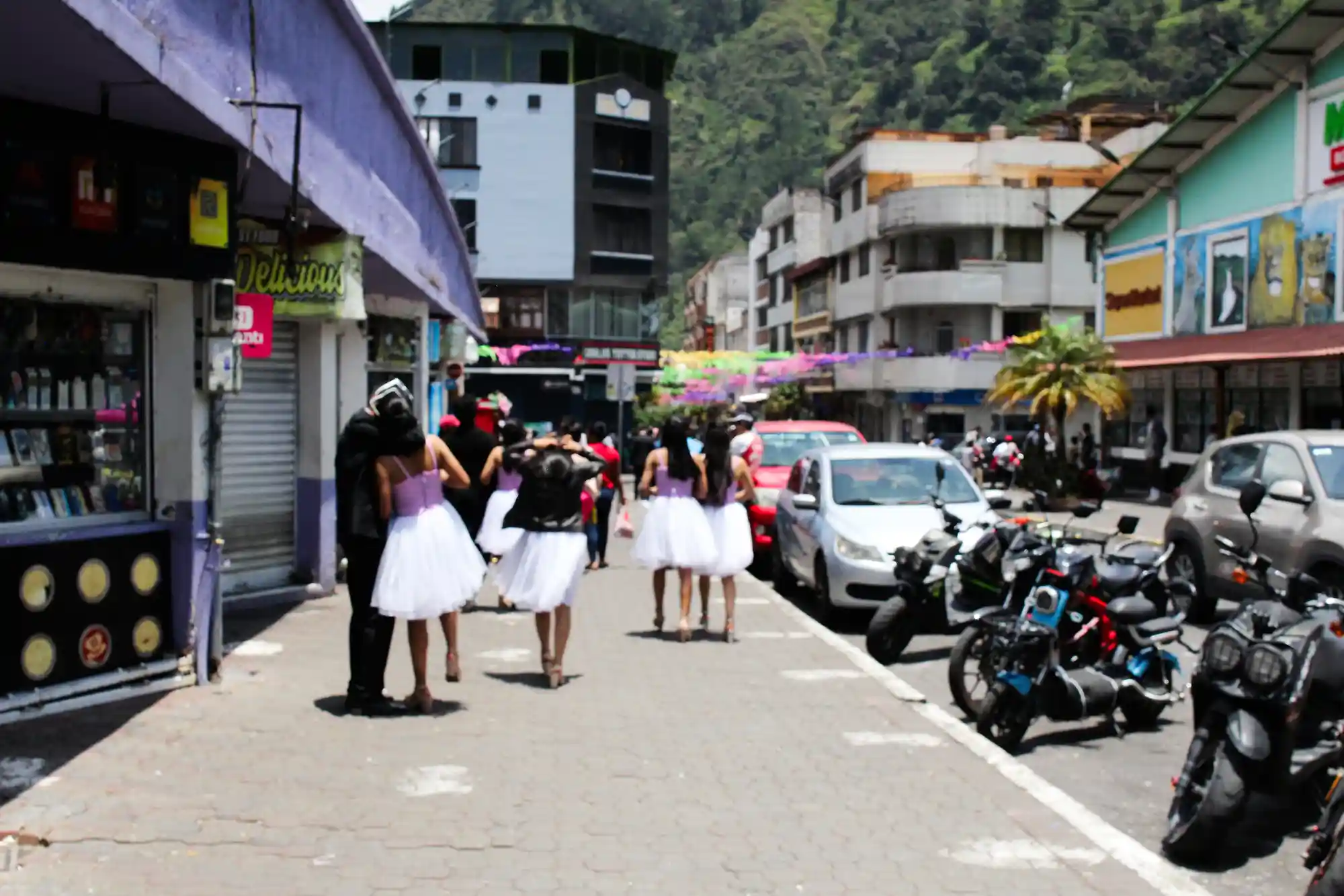
To emerging photographers, she says, “Do not copy or chase trends. Take the time to build your own perspective.” For Andrea, both image-making and life itself “require processes, patience, and depth.”
Her dream project reflects this same sensibility—”I would be interested in developing a docufiction that addresses a social and political issue in my country, working from a sensitive perspective that combines the documentary with the poetic.”
 Soledad Quartucci, PhD, CEO, Latina Republic
Latina Republic’s cultural reporting highlights the artists, storytellers, and visionaries shaping the creative heartbeat of Latin America and its diaspora. Through in-depth interviews and narrative features, we celebrate the traditions, identities, and everyday histories that define our communities. Our work uplifts emerging and established voices, giving space to the cultural movements, personal journeys, and artistic expressions that inspire connection and deepen understanding across the Americas.