


Sustainability in Puerto Rico
Preserving Local Cuisine: PRoduce
Nearly half of all citizens in Puerto Rico are suffering from hunger, and 40 percent of families living on the island report that they suffer from food insecurity. Due to the Covid-19 pandemic, shipping delays have increased the amount of time food imports arrive to the island. Puerto Rico imports 85 percent of their food supply, so these delays have caused a drastic effect on the island.

Similarly, hurricanes and other natural disasters have devastated the island’s food production systems. Farmers no longer produce the same amount of food they used to and the citizens of Puerto Rico feel this effect with rising food prices and less food sources available.
These factors have led many Puerto Ricans to become dependent on the supermarkets in their towns. These supermarkets provide them a source of food, but they rarely have products that are locally sourced. The supermarkets import food for Puerto Ricans, so they are unable to purchase products made in Puerto Rico that feature local cuisine. Crystal Díaz, CEO of PRoduce stated,
“Knowing the origin of your food not only connects you with all the people that work to produce it, but also makes you question where and how it was produced.”
In 2017 after hurricane Maria devastated Puerto Rico and eliminated all food supplies within the country, Crystal Díaz decided to create her company PRoduce. After realizing there were no local food options or cuisines in the supermarkets she frequented, Díaz thought of the idea to start PRoduce, but hurricane María was the catalyst to starting her business. Díaz explains,
“When the hurricane happened, that was the moment of, ‘Oh God, we need this more than ever.”
Three years later, hurricane Isaías caused extensive damage to Puerto Rico in 2020. Specifically, the storm wiped out the entire plantain crop within the country leaving citizens without an essential food to their diet. More importantly without plantains, the Puerto Rican cuisine and culture were directly affected, since plantains play a major role in Puerto Rican cuisine.
“We had to move quickly to buy and sell as many plantains as possible,”–Crystal Díaz, Co-CEO PRoduce
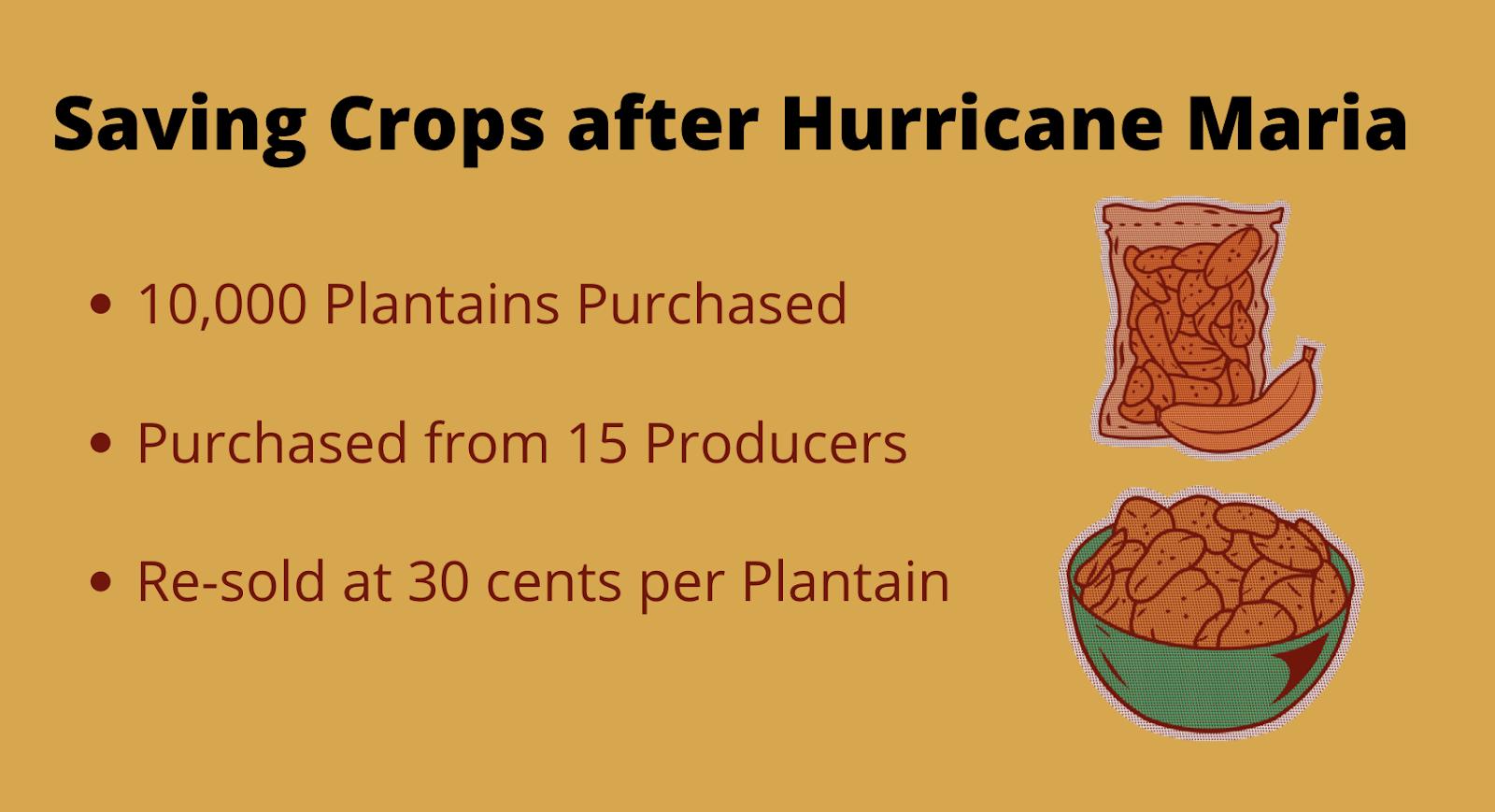
Díaz was able to purchase over 10,000 plantains in the first few weeks after the storm by buying them from 15 producers. She then sold plantains to citizens at 30 cents per plantain which allowed locals to buy them in bulk. This move supported Puerto Ricans’ daily cuisine which calls for plantains in local dishes and daily diet.
Díaz’s aid after hurricane Maria represented the goals of her company PRoduce. They seek to connect local food producers with customers throughout the island to preserve local food chains. Co-founder Martin Louzao states,
“We saw the need to create PRoduce to be able to connect with so many products that were no longer used because they are not produced industrially. Ingredients are to the cook what words are to a writer, and the more variety we have, the more interesting the story we can tell through cooking, while also contributing to the sustainability of ecosystems,” says Louzao.
PRoduce has allowed Puerto Ricans to get locally grown food delivered to their door. This service is alleviating food insecurity affecting Puerto Ricans every day.
Díaz and the PRoduce team were unsure of Puerto Ricans response to their company, and if they would see the value in locally sourced food. During the pandemic, the amount of users on the app grew by 1500% proving to Díaz and her team the value of their company. Although their app has less products than a grocery store, customers see the value in locally sourced food. Díaz explains,
“Having a hub and the logistics in-house, allows us to always carry fresh ingredients….. Price wise, we are very competitive with the largest supermarkets in spite of not having their volume.”
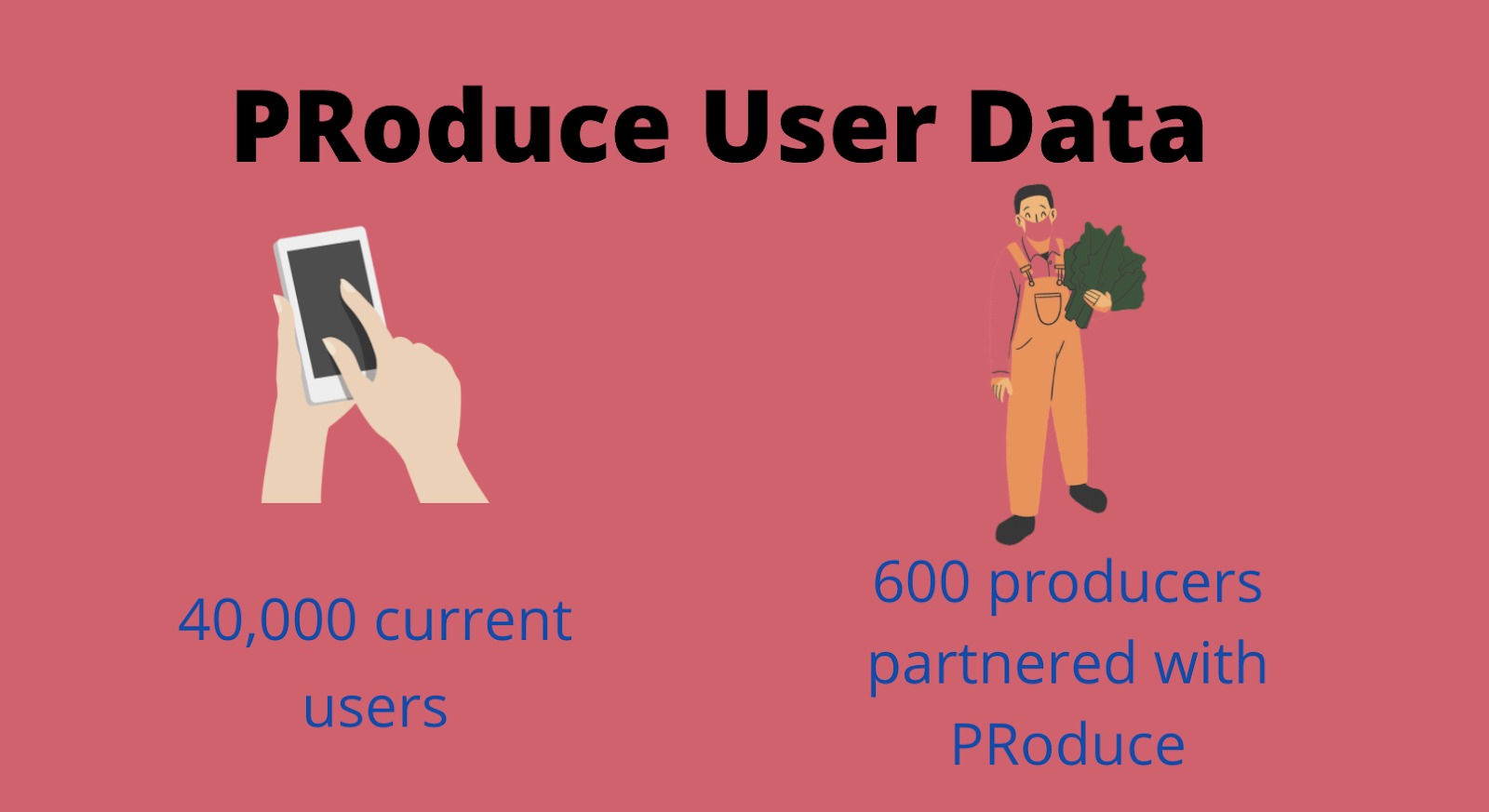
The app currently has 40,000 users and 600 producers providing locally sourced produce, meats, and other goods. Beyond providing locally sourced foods. PRoduce also focuses on the education aspect of informing their customers about the importance of locally sourced food.
They feature the stories of their producers on their website and educate customers about why certain foods are seasonal. Today, they provide locally sourced foods to restaurants, hotels, and everyday families.
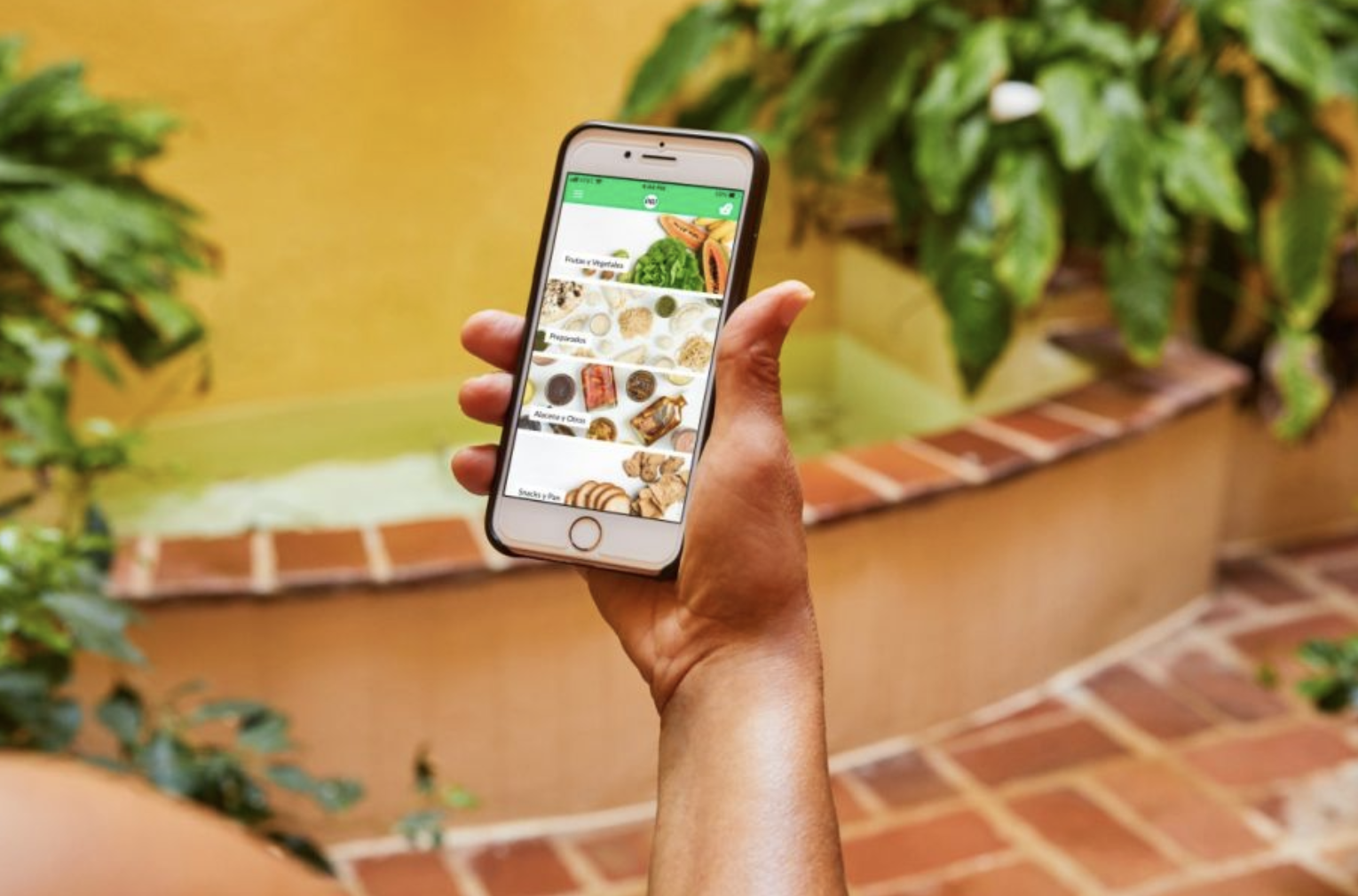
The New Way for Puerto Ricans to Get PRoduce
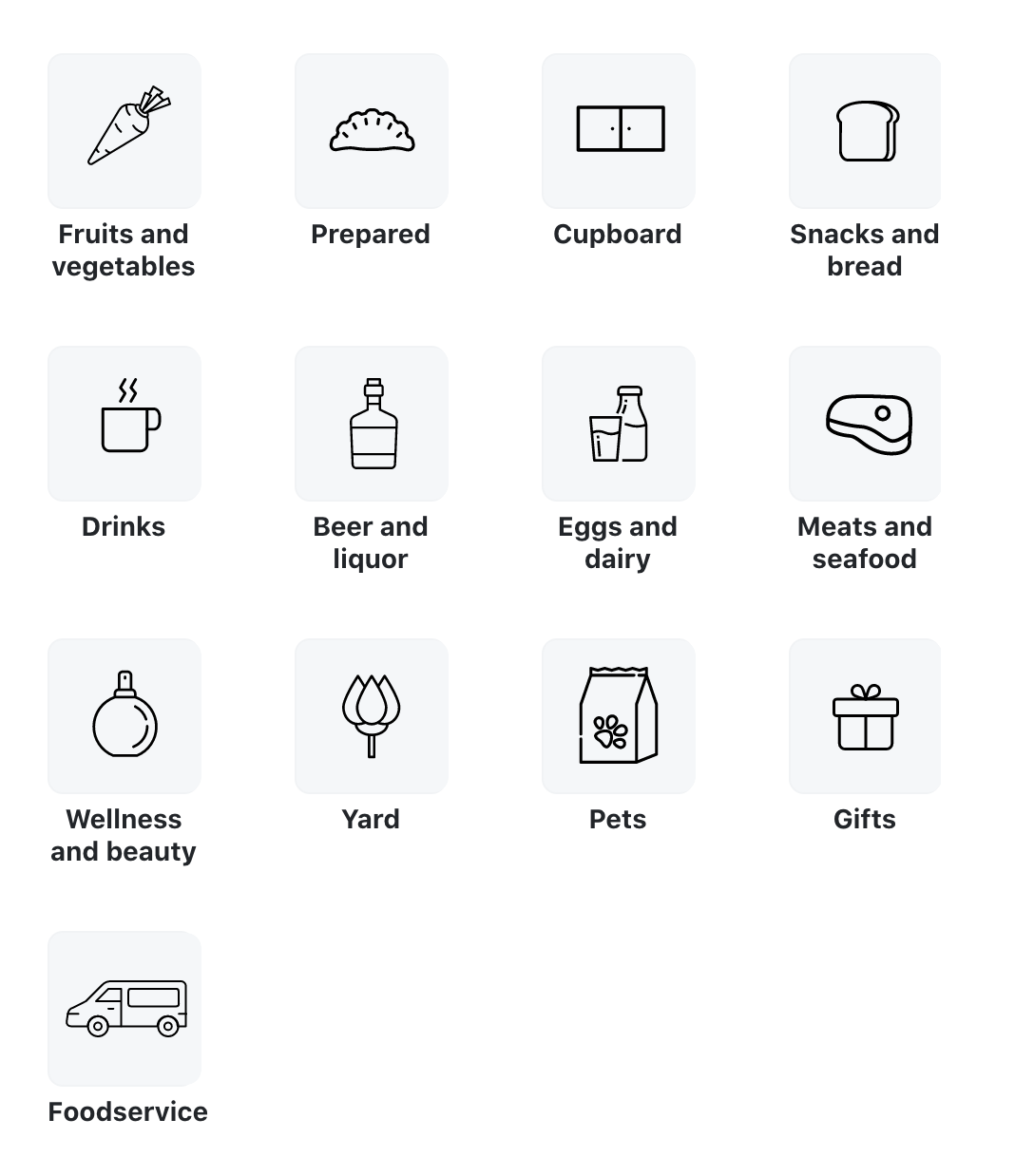
PRoduce is an app that users can download to get their groceries from local sellers. Users can choose from a wide variety of options including prepared food, garden, pet supplies, wellness and beauty, pantry, meat and seafood, and snacks and bread.
“When the consumer goes out and eats at a local restaurant, most of that money stays within the community the restaurant serves. And if the chef buys local, that money is going back to rural communities, to coastal communities that need economic incentive,” she says. It’s better for us, it’s better for our health, it’s better for our economic development, better for our planet.” –Crystal Díaz, Co-CEO PRoduce.
View this post on Instagram
Many consumers and restaurant owners appreciate the impact that PRoduce has on Puerto Rico. It allows the island to be more self-sustainable, and not have to rely on imports for their food. PRoduce also plays a vital role in preserving the cuisine and culture of Puerto Rico. According to PRoduce ,
“By consuming local products, you not only improve your quality of life, but also contribute to the economic development of Puerto Rico and to environmentally responsible production.”
Being able to provide locally sourced food also has caused a social impact within Puerto Rico. Restaurants and families are able to share their local dishes without having to use products grown in other countries. PRoduce has grown beyond just a business and has become a backbone into developing Puerto Rico’s agriculture systems.
“Lots of local chefs, especially the new generation of chefs, are very eager and proud to serve locally sourced products on their menus. Many of them have menus that change weekly, that are seasonal. It’s been a beautiful thing to see.” –Crystal Díaz, Co-CEO PRoduce.
View this post on Instagram
Locally produced food plays a key role in sustaining cultural and culinary customs. Without locally sourced food, Puerto Rico’s culinary traditions could be affected. As PRoduce continues to grow, we hope it will allow the island to strengthen its agricultural systems, so that Puerto Ricans can create local dishes from locally sourced food to share with the rest of the world.
 Michael Davis | Tulane University
Michael Davis is a current undergraduate student at Tulane University studying Finance and International Relations through the Altman program in International Studies and Business. His interest in Latin America began when he took his first Spanish class in 6th grade. Since then, Michael has traveled throughout Latin America learning about entrepreneurship, policy, and globalization. He is interested in sharing the stories of young entrepreneurs who work to expand development within Latin America. He believes their stories can inspire others and reshape the narratives of Latin America. In Latina Republic, he is excited to highlight these voices in his stories to deepen his own understanding of Latin America as well as his readers. He looks forward to inspiring innovation with his stories through Latina Republic!

