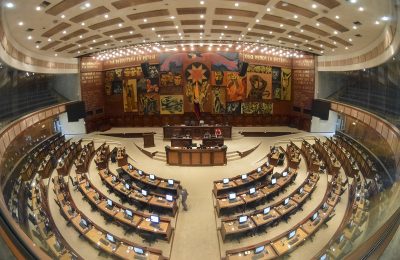

“Where There is Electricity, There is Development,” Ecuador Invests USD 9 Million in Electrical Works in Cotopaxi
Cotopaxi, Ecuador
“Where There is Electricity, There is Development.” Ecuador’s National Government invests USD 9 million dollars in electrical works for Cotopaxi. The National Government promotes the reactivation of the province of Cotopaxi through a safe, reliable, and quality electric power service.
Ecuador’s government has allocated more than USD 9 million in electrical works from January to August 2022. During this period, 153 work orders were opened benefitting the seven cantons of the province of Cotopaxi, and over 400 thousand inhabitants.
Cotopaxi
Archaeological investigations seem to confirm that the first inhabitants of this region were descendants of the Chibchas, later, numerous Cayapas-Colorados, Atacameños and Quijos migrations traveled through it, leaving their roots that grew into chiefdoms such as those of Tacunga, Mulliambato, Píllaro, Quisapincha, Panzaleo and others that populated it before the arrival of the Incas.
Today, Cotopaxi has a population of 409,205 inhabitants, according to the latest census published in Ecuador en Cifras. The province has an active economic population of 204,137 with suitable employment ranked at 33.3% as of August, 2022. Income poverty is listed at 25%, while homes with internet total 5,137.
Cotopaxenses work in large part for themselves, at 44.6%, per the 2010 Census. Other occupations include working as day laborers, state or municipal employees, domestic work, and working in partnerships. The census identifies women working primarily in agriculture and in service jobs, as vendors and artisans. Men work in agricultural industries, also as officials, operators and artisans.
Housing
57.1% own their own homes, per 2010 Census. Almost 22% cook using charcoal firewood. 77% use gas for cooking and at the time of the census only 76 cases were listed as using electricity for cooking. Internet access was listed at 19.4% and computer use was listed at 25.2%. The 2010 census recorded women at 46.7% in digital illiteracy.
Basic Services
In 2010, 8,730 homes were without electricity. Over 75,000 had no telephone access. Over 41,000 accessed water through “other sources” (not through the public services). Waste disposal was listed as “other forms” for 52,628 homes. In public hygiene, no public sewage was available for 65,271 homes.
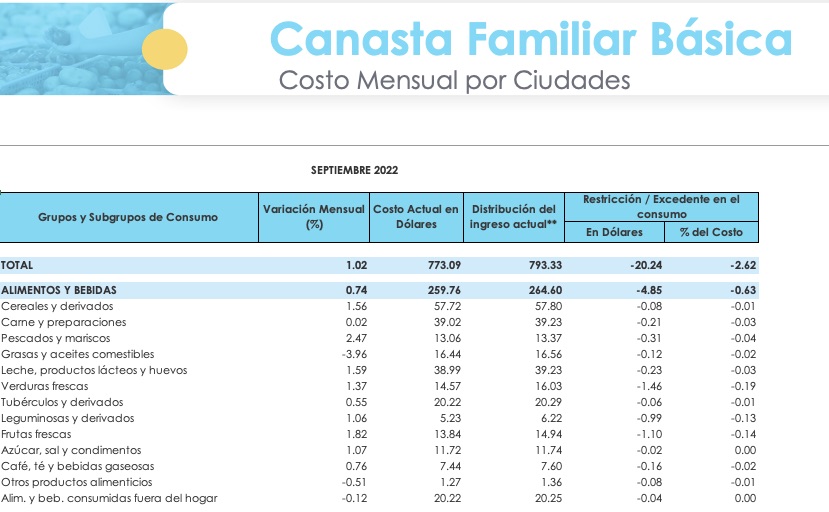
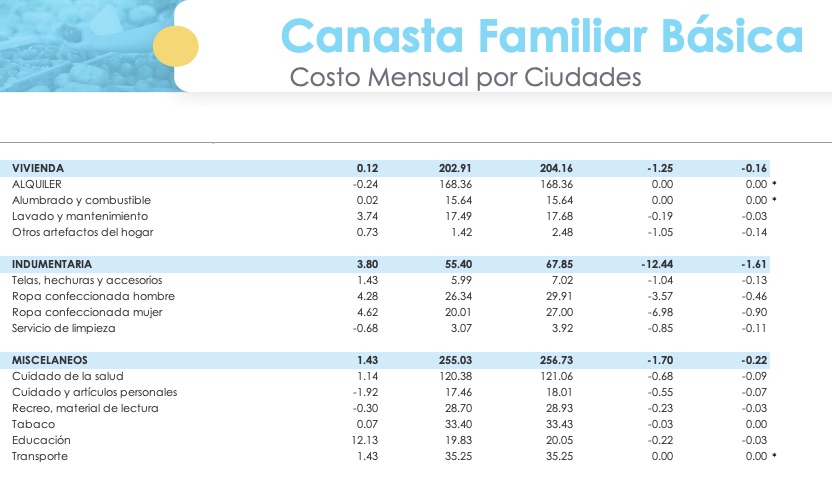
Ecuador’s Canasta Basica
The Basic Family Basket (CFB) is a set of goods and services that are essential to meet the basic needs of the typical household made up of 4 members with 1.6 income earners, who earn the unified basic remuneration.
Tackling Energy Poverty is Vital to Development
Energy access is vital to development. It promotes greater integration of isolated rural families and lessens inequality gaps toward the eradication of poverty in the region.
Access to electricity allows the shift away from low emissions of pollutants inside the home. Homes without energy access are prone to cardiovascular and respiratory diseases from cooking with polluting sources.
Electricity assists families with access to lighting, food preservation, refrigeration, and heating and cooling in their homes. It also increases safety in the surroundings. Light is the path toward safety, health, communication and opportunities. Tackling energy poverty has numerous benefits, including health, well-being, education and employment.
New Public Lighting
Ecuador’s Ministry of Energy and Mines, through the Empresa Eléctrica Provincial de Cotopaxi S.A (ELEPCO), is implementing new public lighting, remodeling, construction and repowering of electrical networks for the inhabitants of the cantons: Latacunga, La Maná, Sigchos, Pangua , Pujilí, Saquisili and Salcedo. These projects are stimulating the economy of the province.
Part of this investment is reflected in the San Buenaventura parish of the Latacunga canton, where the installation of medium and low voltage lines, installation of transformation equipment, lights, connections, meters and reinforcement of electrical networks was carried out.
Ligia Molina, a resident of the sector expressed, “we did not have public lighting, but thanks to this project… our neighbors can go out peacefully with the certainty that the streets are lit, also that thanks to the Ministry of Energy and Mines that have supported us along with the Electric Company.”
In addition, similar works have been delivered in San José de la Victoria Parish, Pujilí canton. René Semanate, a resident of the sector, stated that “100% of the streets are illuminated, now the residents of the neighborhood can circulate with ease early in the morning and late in the night. Everyone is happy and satisfied.”
The implementation of these works in the province contributes to an improvement in the quality of energy that reaches each one of the homes, neighborhoods, and communities. Lighting also benefits the economic activities of the small, medium and large industry, and provides greater pedestrian and road safety.
Vocational Training Opportunities
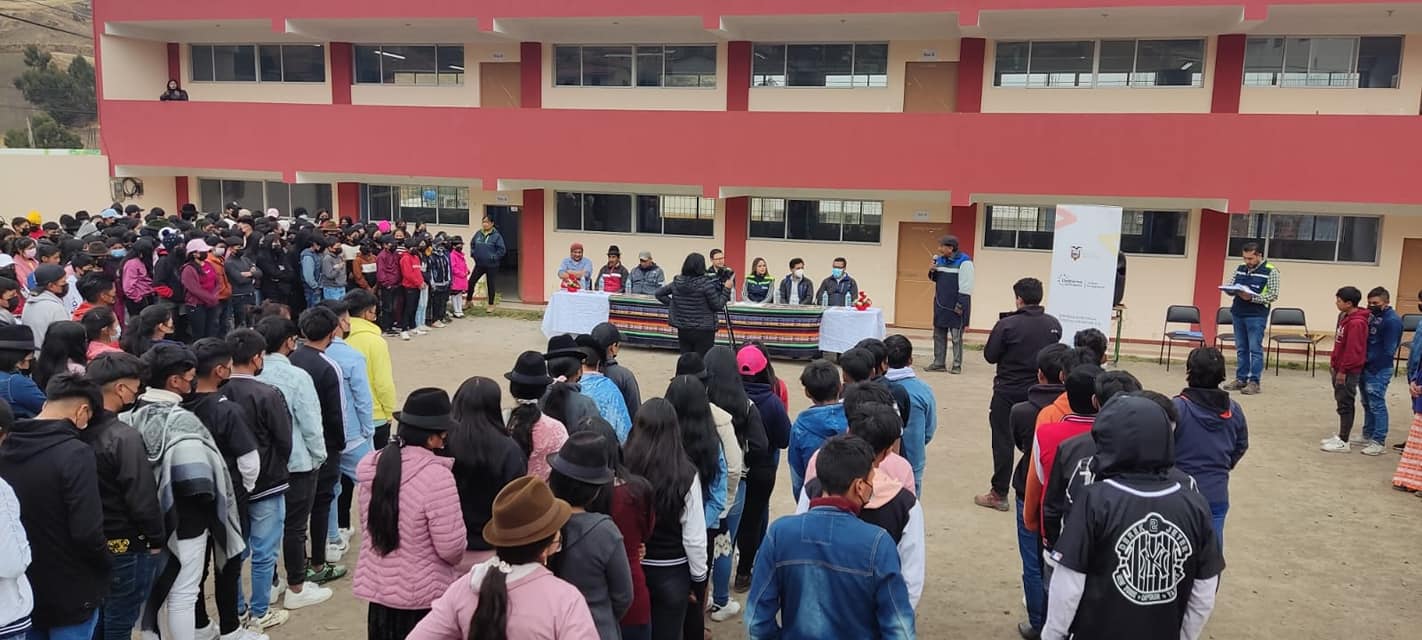
This week the Empresa Eléctrica Provincial de Cotopaxi S.A (ELEPCO) signed an inter-institutional cooperation agreement for student internships with the bilingual Intercultural Community Educational Unit, “Jatari Unancha,” which has 16 extensions and is based in Zumbahua.
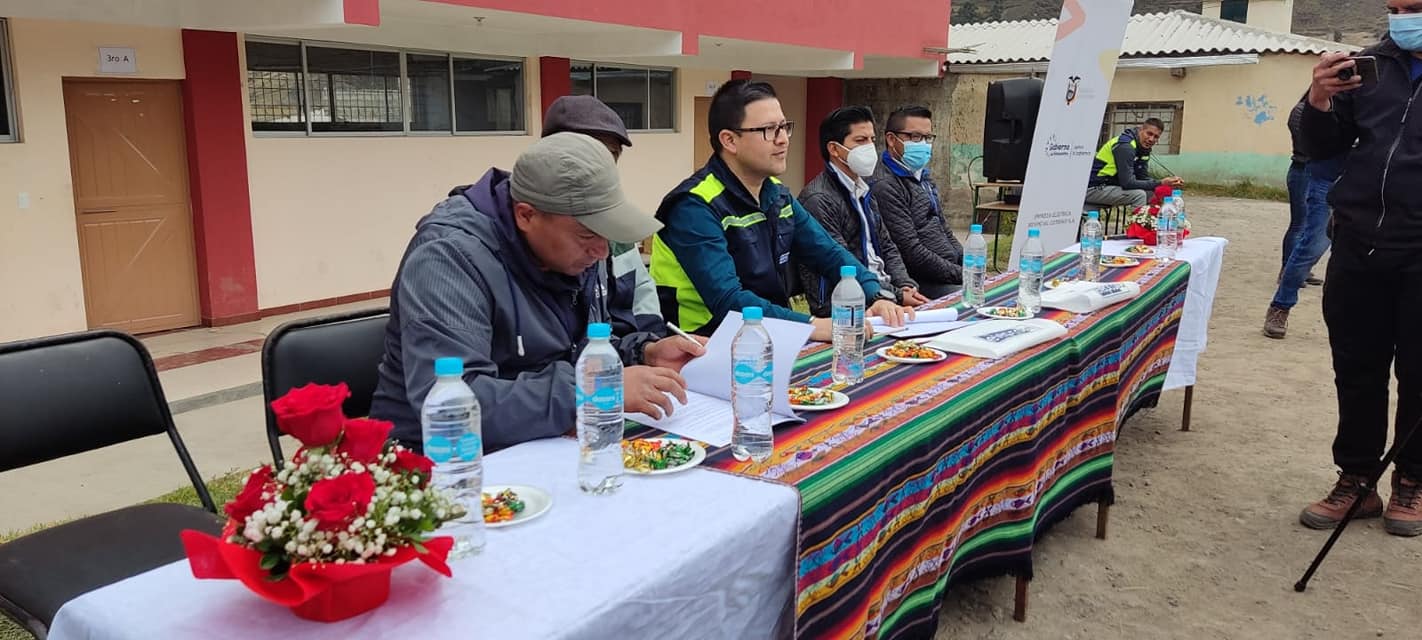
With the aim of contributing to the development of skills and abilities of adolescents in the rural sector of Cotopaxi, Mr. Mauricio Medina, Executive President of ELEPCO, and Mr. Pedro Manangon, Rector of the “Jatari Unancha” Educational Unit, signed the agreement that will allow the realization of student internships within the company to the students of the third year of their Technical Baccalaureate in Installations, Equipment and Electric Machines.
The agreement has a duration of 4 years and intends to welcome interns and place them in the work area according to their academic preparation. Part of the internship includes the completion of 160 hours at the end of which the Electricity Company will provide a certificate of completion.
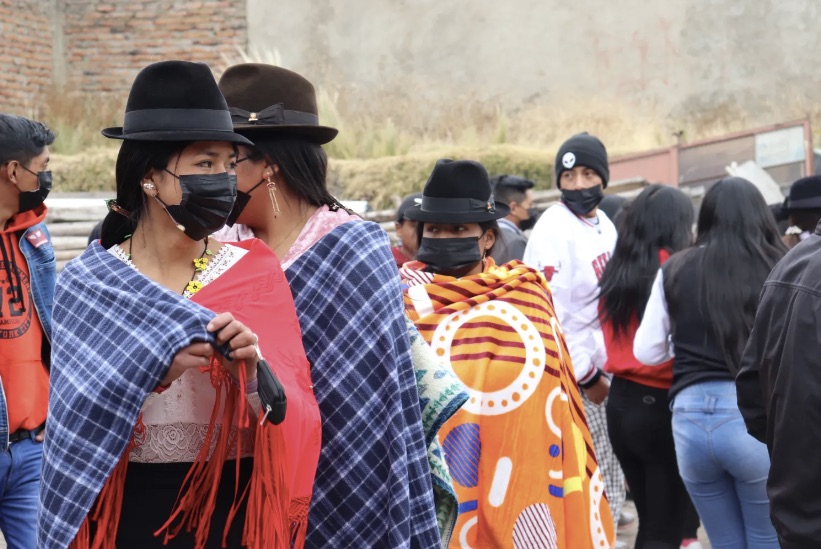
Mr. Medina stated, “where there is electricity, there is development…this agreement is a mutual opportunity. You give us your knowledge and skills, we as a company open the doors for you to do so.”
For his part, Santiago Manangon, Coordinator of the Educational Unit, pointed out “the signing of this agreement opens the doors to learning. We will demonstrate that the indigenous people are capable of carrying out any activity that they propose.”
The signing of this agreement is part of several agreements that will be carried out with schools and higher education institutions to strengthen the technical knowledge of future professionals in the province of Cotopaxi.
 Soledad Quartucci | Latina Republic
Dr. Soledad Quartucci is the founder and CEO of Latina Republic, a 501(C)3 California-based nonprofit organization. Latina Republic is committed to improving the diversity and professional development of storytellers in the media industry as representation matters and affects the stories we tell. Latina Republic makes space for and empowers unheard voices and trains the next generation of leaders in the U.S.