

Mexico: The Roots of Food Insecurity and Sown Seeds for Improved Public Health
Introduction
Within Mexico’s beloved agricultural production regions such as Sinaloa, Chihuahua, Veracruz, and Oaxaca, the harvested fruits and vegetables beam as abundantly as its scorching sun. Here, fertile soils continue producing ancestrally diverse agri-food systems stemming back to pre-Hispanic periods. El Mundo elaborates how,
“Mexico’s agricultural biodiversity… helps adapt to specific agro ecological conditions, resist pests and diseases, and climate change. However, the continued expansion of large-scale intensive agriculture, monoculture practices and the abandonment of traditional agricultural production make households and communities more vulnerable to natural and economic shocks, not to mention the serious repercussions in food security and nutrition.”
With this, the most vulnerable communities happen to be the laborious “six million 560 thousand 164 people dedicated to agriculture, livestock and fishing” who face greater burdens regarding malnutrition, food insecurity, along with harsher living and labor conditions, denoted by a 2019 research article published in the International Journal of Environmental Research and Public Health, by José Castañeda and five other colleagues in “Food Security and Obesity among Mexican Agricultural Migrant Workers.”
The main idea of their research paper analyzes the very link between household food insecurity and obesity among migrant farm workers centered in modernized agribusiness regions of Northwest Mexico through a cross-sectional study. Astoundingly, their research also emphasized how the National Nutrition and Health Survey in Mexico found,
“70% of adult women and men obese or overweight; the survey also reported that 70% of households (almost 50 million people) experienced food insecurity.”
Provided with such alarming rates, this report aspires to first cover the historical and socioeconomic factors that initiated food insecurity. It seeks to create a grounded understanding of Mexico’s diverse agricultural systems and their global impacts, including international exports/imports and food production’s effect on the environment.
Branching into the public health sector, great emphasis will be placed on understanding the shift from traditional diets to highly processed foods and its relation to food insecurity. Combined, these will help gauge how the obesity epidemic began, as it heavily leans into the marketized dietary practices within Mexican culture.
Alas, this feature will explore recent policy suggestions to reduce noncommunicable diseases caused by nutrition-related health concerns and government initiatives aimed at amplifying food security and general agricultural wellbeing.
Historical and Socioeconomic Context
Mexico’s food system experienced serious shifts concurrent with the changes amidst post-revolutionary national reconstruction, from rural to urban lands, as explained by Hector Ávila-Sánchez in Chapter 6 of Public Policies and Food Systems in Latin America.
Primarily, Sanchez describes how governmental intervention during the post-war 1920s distinguished itself through a notably welfare-based approach given the widespread poverty. As the Mexican economy inched upward, the State embodied the role of a patron for indigent communities by providing breakfast, food supply, and subsidies for agricultural production to help increase livestock production.
Condensing more of Sanchez’s historical report, the 1940s experienced inconsistent popular food supply due to pressurized allegations from private commerce of alleged unfair competition. Hence, government policies strengthened, during the 1950s and 1960s, through fundamental measures which greatly impacted basic food production. For example, The National Seed Production Agency (PRONASE) had been initiated with the intention of permitting availability of basic crop seeds at low prices to small producers and ejidatarios in a market dominated by transnational companies.
Unfortunately, the rural ejido communities were the first majorly striked by the breakdown of the 1970s after the authoritative model crashed alongside the economic growth the people had once witnessed such as “sustained economic growth, consolidation of an emerging middle class, management and prioritization of poverty issues.”

According to Sanchez, “the change of government in 1982 marked the start of a gradual dismantling of historically instituted food policies.” Moving into the 1990s, social programs increased once again hoping to reduce the detrimental marginalization at play. Notwithstanding, these food programs were supported by the tumultuous import of basic grains. To which, “foreign food purchases multiplied, to the detriment of small producers and peasant-farming economies.”
To help combat this, the early 2000s introduced the commencement of the Law for Sustainable Rural Development where the legal dynamics and activities inherent to rural territories in Mexico are managed, focusing on sustainable food production and prioritizing security, sovereignty and self-sufficiency for workers and agricultural land. Ultimately, Sanchez claims how while the recent span of the 20th century has been filled with initiatives and policies,
The great challenge that lies ahead relates to the actual operation of these policies; with how they might transcend and achieve their remit. How government action might promote greater participation for small rural producers in strengthening and consolidating the food system.
To briefly extend on the comprehension of Mexico’s current socioeconomic stressors and its implications, “The Route to Food Self-Sufficiency in Mexico Interactions with the U.S. Food System” written by Cassio Luiselli Fernandez, reveals five essential concerns that illuminate the immediate pressures on Mexico’s socioeconomic system.
Fernandez begins by listing Mexico’s industrialization pattern, as it has not established a “national orientation which could satisfy the basic needs of Mexico’s sizable but latent internal market,” and their inability to stress the importance of modern infrastructure, along with its lack of greater technological pursuit that could be halting their potential to maximize their resources.
Closely related to the stressors prior is Mexico’s urbanization process which has experienced expansively rapid growth. This alludes to the fact that “Mexico City will be home to 30 million people before the end of this century… the costs of such urbanization — monetary, social, and ecological — will soon become intolerable if this level and type of urban sprawl continues to deplete the country’s resources and ecosystems.”
Finally, he describes the last pressure as the “agrarian-agricultural continuum” where “barriers in the agricultural sector hinder the introduction of modern practices which could stimulate equity in the countryside rather than the preservation of an unfair and increasing concentration of resources. The ownership of agricultural land is highly polarized in Mexico…”.
Fernandez reiterates the importance of this list as a realistic checkpoint. He claims, “An understanding of this situation is essential if we are to propose valuable and practicable strategies for the progressive transformation of the country’s agrarian sector.”
With that being said, the ongoing correlation between food scarcity and obesity seems to heavily rely on the reformation of Mexico’s socioeconomic concerns. Overpopulated and impoverished communities will continue depending on unsustainable diets if governments do not actively address and strategically implement policies that will nourish the people, instead of deprive and marginalize them.
Food Agriculture in Mexico
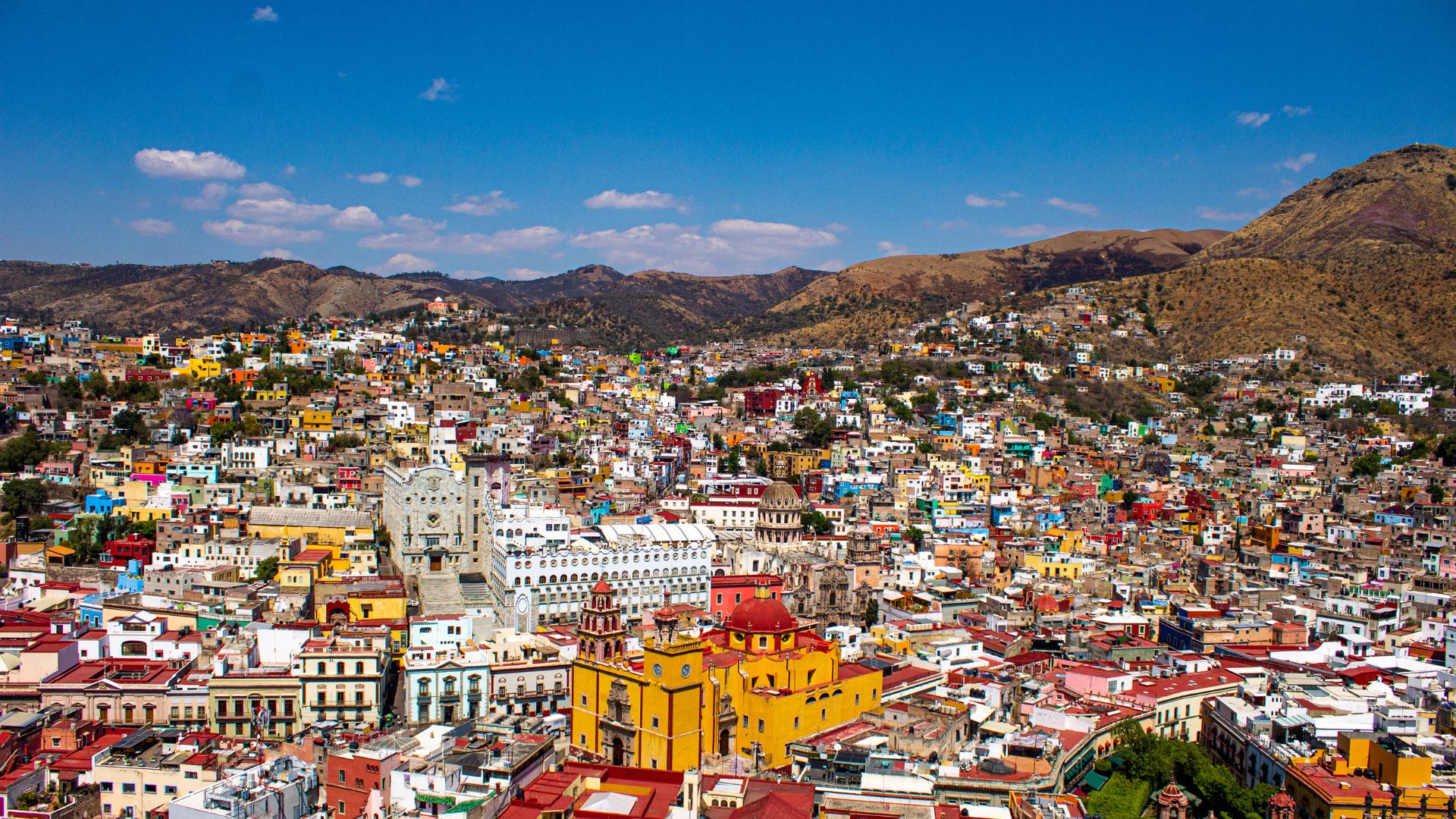
According to a 2015 World Bank report titled “Climate-Smart Agriculture in Mexico”, the country has four known agricultural regions: irrigated, maize-bean, dryland-mixed, and coastal plantations. The agricultural systems with largest land usage are the irrigated regions in the north like Sinaloa and maize-bean in central and southwest regions of Mexico.
The highly valued agricultural production systems on a national scale are maize, beans, coffee, sugarcane, wheat, and cattle such as beef, poultry, and milk. The report specifically references 2014 data from the Food and Agriculture Organization of the UN which found that,
“Relative importance is based on the product’s share of crop area (e.g., maize occupies 33% of total cropland), the production value (US$5.6 billion for beef; $3.6 billion for poultry), and the contribution to daily kilocaloric consumption per capita per day (170 kcal/capita/day for milk; 446 kcal/ capita/day for sugarcane; 102 kcal/capita/day for beans; 1,030 kcal/capita/day for maize).”
While much pride has been carried in what is recognized as the traditional, vegetable-oriented Mexican diet, there is no denying the significant changes that have occurred in agriculture and dietary consumption. Notably, an accelerated shift in Mexican dietary habits occurred after the signing of the North American Free Trade Agreement (NAFTA) in 1994 which had extended the Mexican economy to international trade.
Jose Tello and two others on a 2020 research article “How dietary transition changed land usage in Mexico” highlighted this shift and hypothesized that a key indicator of dietary transition on Mexican agriculture has been the “proportion of farmed area devoted to the production of food for direct human consumption (food crops) relative to the area devoted to the cultivation of feed crops (i.e., crops destined for animal consumption).”
To truly understand this claim, Tello first explains how in order to sustain an increase in per capita consumption, considering the Mexican population had been steadily rising at a 2.5% annual rate, the production of livestock products had to increase at a much faster rate than the population.
Notwithstanding, Tello continues elaborating on how the demand of maize for animal feed exploded since the NAFTA of the 1990s, which had met most of its demand through imports. The early 1990s number of imported maize constituted about 20% of all maize used for animal feed, while the late 2000s imports formed 70% of maize consumed for feed. As of 2013, 36% of the total harvested land has been devoted to growing feed for livestock.

The environmental implications of raised feed production lies do not paint a pretty picture. For one, laborious feed crops produce high levels of pesticides, water, and fertilizers. Overwhelming concentrations of livestock generate high amounts of nitrogen-rich waste, often close to urban centers, that after saturating the soils eventually pollute aquifers and surface water. Furthermore, leading to increased waste water mismanagement and manure.
What does this imply about food production and consumption? Based on the observed trends, Tello and his colleagues estimate that by 2027, agricultural land devoted to feed production will surpass that of food crops. Ultimately, they demonstrate that if these trends continue,
The environmental sustainability of Mexican food production will be seriously challenged. The adoption of more balanced food diets by the majority of Mexicans, taking advantage of the country’s rich culinary tradition, would contribute to an improvement of both public and ecosystem health.
Nutritional Transition
Globally, all high income and many economically developing countries currently find themselves amidst a transitional stage where nutrition?related noncommunicable diseases including obesity, type 2 diabetes, and hypertension dominate adult morbidity at high prevalence, as shown in the 2021 Nutritional Transitional Model elaborated by Popkin and Weng Ng.
Several multifaceted factors contribute to the shift from traditional to more processed diets. For example, the rise in income and labor force participation encourages people, especially working women with families, to seek time-saving processed foods. Agriculturally, farms now subsidize sugar, rice, and animal products far more at the expense of healthier coarse grains and vegetable protein products.
Not to mention, how the food industry itself has strategically altered consumer food choices through methods such as: creating convenient and palatable ultra-processed foods that significantly displaced traditional food preparation along with modern department stores that include food sections into their domestic chain. As foreign chains grow attracted to them and disperse, these food chains are then promoted into surrounding cities and towns.
In terms of popularization, newly generated eating behaviors such as snacking have been successfully established by effective food advertising tactics depicted through television, movies, and social media. Distortion of nutritional transparency in food packaging and appealing to children’s gullibility by placing certain foods at eye level also play a major role in avid consumption of processed foods.
Cultural and Social Factors
Such elicited factors actively influence the reason behind Mexico’s high rates of obesity and diabetes throughout urban and rural populations today. Within Diana Denham and Fiona Gladstone’s 2020 article “Making Sense of Food System Transformation in Mexico,” they performed a case study and interviewed individuals from small rural areas of Oaxaca. Here, they analyzed how much the corporate food establishment had influenced the habits of rural civilians.
When I say @CocaCola is everywhere…. I mean it’s everywhere. This is the Coke truck coming from my mom’s little tiny ranch of 100 homes. Making sure the supply doesn’t run out. ?? pic.twitter.com/Z563VXHS1F
— CHIPLE, CHULA Y CABRONA?? (@Chicanatravels) October 13, 2023
Evidently, the article explains how several companies like Coca-Cola and PepsiCo offer many advantages to local shopkeepers to incentivize sales. That is by directly distributing to small stores regardless of their size and location, painting storefronts (such that it is difficult to distinguish store names from advertising), providing refrigerators and display cases, and replacing expired products at no cost to vendors.
CHAMULA, LA HISTORIA DE UNA TRAGEDIA.
“La Historia del fenómeno del consumo de coca-cola en Chamula, Chiapas.
Chamula, un municipio enclavado en las montañas del estado de Chiapas, al sureste de México, es conocido por su cultura indígena vibrante y sus profundas tradiciones. ? pic.twitter.com/om8qSejFAh— ???é???? ???á????? ?? (@JazzAngelical) June 7, 2024
Furthermore, within their study, many farming families mentioned that several decades ago, they bought very little. Comparing forty years ago to today’s food system, a Yodocono shopkeeper recalled,
“There were chickens, cows. We ate very little meat and ate more wild violets, mustard, quelites and cactus. We drank coffee with our own cow’s milk. Now there are more stores, there are pizzas and Ramen noodles. With the commerce, the propaganda, the advertising on T.V. one picks up the vice.”
Denham and Gladstone reiterate the importance of television as a main source of media in rural Oaxaca, as internet and cell phone coverage are not as consistent. On television, white actors on soap operas living in Mexico City enact lifestyles based on leisurely restaurants and supermarkets founded on the basis of mainly Western diets. With this, “such portrayals reinforce longstanding racial hierarchies in Mexico that denigrate “indigenous” foods.”
??Se estima que Coca-Cola tiene suficientes concesiones para explotar más de 28.2 millones de litros de #agua cada año en México, incluso en medio de la #sequía que afecta a diferentes ciudades. #DíaMundialdelMedioAmbientehttps://t.co/fYgG4uiuzH pic.twitter.com/fpYMNFoAQc
— Actúa por la salud (@actuaporlasalud) June 6, 2024
Food Insecurity and Psychological considerations
Keeping this in mind, one may also wonder how limited access to fresh, healthy foods contributes to poor diet choices. This is where the broader concept of food insecurity and food deserts weigh in. For clarity, a food desert is distinguished as an urban area where despite having access to general food, it is actually difficult to buy affordable and nutritious fresh foods.
Published by Cambridge University in 2019, Andrea Lopez-Cepero and four other colleagues researched the “Association between food insecurity and emotional eating in Latinos and the mediating role of perceived stress” based on US Latinx.
In their cross-sectional study, they measured food insecurity with the US Department of Agriculture Household Food Security Scale, perceived stress by the Perceived Stress Scale, emotional eating (EE)–a dysfunctional eating behavior characterized by eating due to an inability to resist negative emotions– by a translated Three-Factor Eating Questionnaire (TFEQ)-R18, and considered covariates such as sex, age, education, marital status, household size and country of birth.
Not surprisingly, their study found a significant association between food insecurity and high levels of EE which was largely mediated by perceived stress. Specifically, they found that compared to a national estimate, the prevalence of food insecurity had been approximately three times higher in this sample located in Lawrence, where the population is 74% Latino.
This heightened level of food insecurity linked with EE reflects an emotional distress caused by various factors such as lacking access to nutritious meals and lower socio-economic status. Thus, Lopez-Cepero and others predict that emotional eating may paradoxically serve as a coping mechanism to relieve the stress triggered by food insecurity.
Ultimately, these researchers highlight how the strong prevalence of nutrition-related health conditions and its correlation to food insecurity and EE suggests a vital prioritization of mitigating food insecurity among Latinx populations.
Sensible suggestions Lopez-Cepero and her colleagues propose are first improving benefits and eligibility, at a policy level, to reduce the racial and ethnic wage gap. Then, improving community-level interventions to improve access to healthy foods “such as through mobile markets (to decrease transportation barriers), community gardens, and chain supermarkets (to eliminate food deserts)”. Lastly, pushing the individual need for “tailored interventions targeting stress and EE in food-insecure Latinxs.”
Comparative Case Study
The concept of urban food deserts has significantly risen across the Global North spanning the United States, Canada, and the UK; however, it has not been systematically applied to regions in the Global South. While food deserts were first thought to solely be a spatial issue, many researchers now agree that food deserts are a dynamic combination of social, economic, and political interactions.
A hesitance to apply a Euro-American understanding of food deserts onto the Global South stems not only from the stark contrast of malnourishment prevalence between the two regions, but the Global South’s history and geography in terms of food system development which emphasizes a much higher level of informal food economy that challenges conventional methods to measuring food deserts.
That is why a 2019 article composed by Jeremy Wagner and five others beckoned “Do Urban Food Deserts Exist in the Global South? An Analysis of Nairobi and Mexico City” to discover any correlated relevance in measuring urban food insecurity and food security, in terms of northern food desert concepts. It turns out that while there was a statistically significant correlation, the actual strength of these relationships remained weak. They found that “food deserts in the Global South should not be understood through the proxy measurement of supermarket access.”
Still, the distinctive qualities between the two cities in terms of varying cultural and developmental patterns along with distant location selection offers enriching insight into the unique operationalization of food desert definitions.
Wagner and his colleagues highlight how the city of Nairobi in Kenya is relatively young with an urbanization rate that is now struggling to provide nutrition for its population. They explain how, “In 2009, the population of Nairobi was 3.1 million, with projections estimating this number to double by 2025”.
Nairobi’s food system has mainly revolved around an informal food economy, though recently, a formalized food system has been expanding by relying on centralized networks and supplier systems. However, Wagner remarks that “this trend towards a formalized food system development is recent… the impact it will have on food access, neighborhood food environments, and the city’s vitally important food markets and associated informal sector within the city remains unclear.”
Comparatively, historically rich Mexico City is trying to meet the “daily food demands of over 20 million inhabitants…from a combination of traditional and highly sophisticated modern food supply chain systems from rural areas, its fishing industry, and food imports.”
According to Wagner and his colleagues research, 52% of food sales in the Metropolitan Area of Mexico City are controlled by supermarkets, grocers, and corner stores, as of 2016. Notably added, informal food markets and vending in Mexico City are highly subject to restrictive state policies related to public space, streets, plazas and parks, as well as permissive state-led, market-oriented policies towards the redevelopment of specific commercial and tourist zones in downtown Mexico City.
With many informal food markets, the people’s health and diets in Mexico have been continuously characterized as “nutrient-poor, energy-dense, and highly processed, and these characteristics are associated with growing obesity, overnutrition, and micronutrient deficiencies.”
All that being said, households in both Nairobi and Mexico City access large numbers of food retail sources, including informal neighborhood retailers, corner stores, small shops, and markets.
Meaning, supermarket intervention responses to neighborhood scale issues of food and nutrition insecurity would not reflect the plurality of food sourcing options residents experience.
Through this investigation, Wagner and his colleagues suggest the development and implementation of evidence based, neighborhood and citywide food security strategies that contribute to the achievement of the Sustainable Development Goals (SDGs) along with alternative food desert conceptions which might offer a useful way to raise debate about the structural inequalities at this scale.
Policy Suggestions
Overwhelming, by the nature of this entire report, there is a lot to consider when it comes to addressing food insecurity plus its environmental and public health concerns. Gratefully, many knowledgeable experts have established evolving policies to address said issues. In reference to an article published in the 2020 Mexican Journal of Medical Research ICSA titled “Overview of the overweight and obesity epidemic in Mexico,” Miriam S. Hernández-Medina outlines Mexico’s shift from trying to solve issues of nutritional deficiencies to the recent epidemiological transition to an excess of nutritional, not-so-healthy content.
Hernández-Medina explains how public health experts have agreed that to achieve an effective design and application of obesity prevention policies, it is crucial to act on both the environment and the individual. Which means, establishing a normal adaptation of healthy eating and physical activity behaviors requires environments in which healthy options are the norm; that is, they are available, accessible and easy to adopt.
In battling against obesity, she states that “implementation of educational campaigns (food orientation) and medical and nutritional counseling programs based on behavioral change, which usually includes recommendations for lifestyle changes, nutritional therapy with various degrees of caloric restriction and increased physical activity” tend to be the most used public health policies.
However, Hernández-Medina also exposes that a notable limitation to policies issued at the individual level is that sometimes they do not take full consideration of a person’s actual, static environment, which underestimates the challenge of realistically carrying out any improvement.
At the national level, she elaborates on public policies focused on managing the business sectors. Specifically through governments promoting laws on taxing sugary drinks as done in 2014, regulating the time and method of advertising food and its intentional labeling. Through this action, the consumption of sugar-sweetened beverages has decreased, but the spending on households unfortunately has not matched this trend accordingly. To date, statistical data of people who are overweight or obese still prove themselves alarming.
In addition to regulating the business and governmental sector, Hernández-Medina emphasizes the vital importance in carrying out constructive instructional action during educational stages. She broadly references the Food and Agriculture Organization (FAO), which states that the promotion of quality nutrition in schools can extend beyond the classrooms to the overall well being of a child’s home and community.
Ultimately, she asserts that positive results begin from the basic improvement of habits and behaviors related to food, and physical activity, from an early stage of development where it is critical to promote health care, in addition to modifying the school, social and family contexts, by increasing the availability of healthy products. These factors combined could elicit a transformative impact in the acquisition of healthy behaviors related to food and physical activity, not only during childhood years but for all stages of human development.
Local Initiatives
Aside from policies aimed at reducing nutrition-related health concerns, it is important to return to the stem of food insecurity which is addressing sustainable agriculture. In effort to bring to light some recent initiatives, here are three that the Ministerio de Agricultura from the Gobierno de México have recently announced:
- May 31st, 2024: Mexico’s department of International Agricultural Affairs met with their partners from Honduras, in order to follow up on the Food Security, Nutrition and Eradication of Hunger Plan. Both parties highlighted the necessary work needed to promote the lines of action considered in the plan based on achieving the Sustainable Development Goals (SDG) of the 2030 Agenda for Sustainable Development. More specifically related to strengthening legal frameworks, promoting sustainable production, guaranteeing the affordability and consumption of healthy diets, and promoting resilient agri-food systems.
- On June 9th, 2024: Starting with 13 states of the country, the Ministry of Agriculture and Rural Development began delivering productive assets to farmers who guard native corn, being a symbol of identity and culture, for the Government of Mexico, for the preservation and production of 64 breeds that are available and support the producers of these grains.
- Published June 15th, 2024: A collaborative initiative between The National Institute of Forestry, Agricultural and Livestock Research (INIFAP) and the Fujian Agriculture and Forestry University (FAFU) of China who signed an agreement to promote the development of Juncao technology in Mexican territory. The research studies edible mushrooms and herbs as an alternative to controlling soil erosion, preventing desertification and developing forage for livestock and biofuels. Such characteristics of the technological model make it applicable to Mexico and other countries in the region, for the benefit of small-scale farmers.
Applicable Solutions
Overcoming food insecurity and obesity in Mexico requires a sophisticated approach that addresses both the availability of nutritious food and lifestyle factors contributing to obesity. Since local farmers and families can play crucial roles in eliminating food insecurity through various actionable steps. Here are a few specific measures they can take:
Local Farmers
- Diversify Crops: Grow a variety of crops to ensure a more resilient food system and reduce dependence on single cash crops. This can help mitigate risks from pests, diseases, and climate change.
- Leverage Technology: Use modern agricultural technologies such as drip irrigation, greenhouse farming, and precision agriculture to increase productivity and reduce waste.
- Adopt Sustainable Farming Practices: Implement practices such as crop rotation, agroforestry, and organic farming to maintain soil health, reduce environmental impact, and improve yields.
- Engage in Community Supported Agriculture (CSA): Establish CSA programs where community members buy shares of the farm’s harvest in advance. This provides farmers with upfront capital and ensures local families have access to fresh, local produce.
- Utilize Urban and Peri-Urban Farming: Engage in urban and peri-urban agriculture to produce food closer to where it is consumed, reducing transportation costs and making fresh food more accessible.
- Educate and Train: Participate in and offer training programs on sustainable farming practices, new agricultural techniques, and business management to improve efficiency and productivity.

Local Families
- Support Local Farmers: Purchase food directly from local farmers through farmers’ markets, CSAs, and farm stands to support local agriculture and ensure access to fresh, nutritious food.
- Grow Home Gardens: Cultivate home gardens to supplement family diets with fresh fruits, vegetables, and herbs. This can reduce food costs and improve food security.
- Reduce Food Waste: Plan meals, store food properly, and use leftovers to minimize food waste. Composting organic waste can also provide valuable nutrients for home and community gardens.
- Engage in Food Preservation: Learn and practice food preservation techniques such as canning, drying, and freezing to extend the shelf life of seasonal produce and ensure year-round access to nutritious foods.
- Promote Nutrition Education: Educate family members about the importance of a balanced diet, how to prepare healthy meals, and the benefits of consuming locally sourced produce.
- Volunteer and Donate: Volunteer at or donate to local food banks, community kitchens, and food rescue programs to help those in need and reduce food insecurity in the community.
With these steps, local farmers and families can significantly contribute to reducing food insecurity, promoting sustainable agricultural practices, and building a more resilient and self-sufficient food system.
Notably, food insecurity and water shortages are significant drivers of climate migration in Mexico. The interaction between these factors can force individuals and communities to migrate in search of better living conditions. Here’s a detailed explanation of how food insecurity and water shortages are related to climate migration:
Impact of Climate Change on Agriculture
Changing Rainfall Patterns: Climate change is causing shifts in rainfall patterns, leading to more frequent and severe droughts in some regions of Mexico. This affects the availability of water for irrigation, reducing crop yields and food production.
Extreme Weather Events: Increased frequency of extreme weather events such as hurricanes, floods, and droughts can destroy crops and livestock, leading to food shortages and loss of livelihood for farmers.
Diminished Agricultural Productivity
Reduced Crop Yields: Water shortages limit the amount of water available for crops, reducing yields and making it difficult for farmers to produce enough food to sustain their families and communities.
Livestock Losses: Lack of water also affects livestock, as animals need water for drinking and for the production of fodder. This can lead to decreased meat and dairy production, further exacerbating food insecurity.
Health Impacts
- Malnutrition: Food insecurity can lead to malnutrition, especially among vulnerable populations such as children and the elderly. Malnutrition can weaken health, reduce productivity, and increase susceptibility to diseases.
- Water-Borne Diseases: Water shortages can lead to the use of contaminated water sources, increasing the risk of water-borne diseases. Poor health further exacerbates food insecurity as affected individuals are less able to work and earn a livelihood.
Migration as a Coping Strategy
- Rural-Urban Migration: Faced with food and water shortages, many rural inhabitants migrate to urban areas in search of better opportunities. Urban areas, however, may not have the capacity to absorb the influx, leading to increased urban poverty and strain on urban resources.
- Cross-Border Migration: In extreme cases, individuals and families may migrate across borders in search of better living conditions. This is particularly relevant for Mexico, with significant migration flows towards the United States.
Policy and Governance Challenges
- Inadequate Infrastructure: Lack of adequate infrastructure to manage water resources and support agricultural productivity can exacerbate the impacts of climate change, making migration more likely.
- Insufficient Support Systems: Weak social safety nets and inadequate government support for affected communities can leave people with no choice but to migrate.
Addressing the Nexus of Food Insecurity, Water Shortages, and Climate Migration
To mitigate the impact of these factors and reduce forced migration, the following measures can be implemented:
- Sustainable Water Management: Invest in water conservation techniques such as rainwater harvesting, efficient irrigation systems, and the restoration of natural water systems to ensure a reliable water supply.
- Climate-Resilient Agriculture: Promote the use of drought-resistant crop varieties, sustainable farming practices, and diversified agricultural systems to reduce dependency on vulnerable crops.
- Economic Diversification: Develop alternative livelihoods and income-generating opportunities in rural areas to reduce dependence on agriculture and enhance economic resilience.
- Disaster Preparedness and Response: Strengthen disaster preparedness and response systems to protect communities from the impacts of extreme weather events.
- Social Safety Nets: Enhance social safety nets and provide direct support to vulnerable populations to reduce the immediate impacts of food insecurity and water shortages.
- Infrastructure Development: Improve infrastructure to support water management, agricultural productivity, and urban planning to accommodate migrating populations.
- Policy Integration: Integrate climate adaptation, food security, and migration policies to address the root causes and create comprehensive strategies for sustainable development.
By addressing the root causes of food insecurity and water shortages and implementing adaptive measures, Mexico can improve food security, ensure a more well-sustained agricultural sector, and improve the resilience of affected communities.
The Mexican government itself can take several concrete actions to help address food insecurity in remote, rural, desert, and indigenous areas to ensure these communities can grow and access healthy foods. Here are some detailed steps:
Infrastructure Development
- Improve Transportation Networks: Invest in roads, bridges, and transportation systems to connect remote areas with markets, allowing farmers to sell their produce and access supplies more easily.
- Irrigation Systems: Develop and maintain irrigation infrastructure to ensure consistent water supply in desert and arid regions. This can include the construction of dams, reservoirs, and drip irrigation systems.
Support Sustainable Agricultural Practices
- Subsidies and Grants: Provide financial support through subsidies, grants, and low-interest loans to encourage sustainable farming practices and the cultivation of diverse crops.
- Training and Education: Offer training programs in sustainable agriculture, organic farming, and modern farming techniques to increase productivity and ensure environmental sustainability.
Access to Resources
- Seed and Tool Distribution: Distribute high-quality seeds, tools, and other agricultural inputs to farmers in remote and indigenous areas.
- Water Conservation Techniques: Promote and support the adoption of water-saving techniques such as rainwater harvesting and soil moisture conservation.
Market Access
- Local Markets: Develop and support local markets where farmers can sell their produce directly to consumers, reducing transportation costs and increasing profitability.
- Cooperatives: Encourage the formation of cooperatives to help small-scale farmers pool their resources, access larger markets, and achieve better pricing.
Food Assistance Programs
- Nutritional Programs: Expand food assistance programs that provide nutritious food to vulnerable populations, including school feeding programs and community kitchens.
- Subsidized Food Baskets: Offer subsidized food baskets that include healthy and locally sourced foods to families in need.
Community Empowerment
- Participatory Programs: Involve local communities in the planning and implementation of food security programs to ensure they are culturally appropriate and address specific local needs.
- Indigenous Knowledge: Integrate indigenous agricultural knowledge and practices into government programs to enhance sustainability and respect cultural heritage.
Health and Nutrition Education
- Educational Campaigns: Launch campaigns to educate communities about nutrition, healthy eating, and the benefits of consuming locally grown foods.
- School Programs: Implement nutrition education programs in schools to teach children about healthy eating habits from a young age.
Technological Support
- Access to Technology: Provide access to modern agricultural technologies, including mobile apps for weather forecasting, pest control, and market prices.
- Research and Development: Invest in research to develop crop varieties that are resilient to local climatic conditions and pests.
Policy and Governance
- Food Security Policies: Develop comprehensive food security policies that prioritize the needs of remote, rural, desert, and indigenous areas.
- Monitoring and Evaluation: Establish robust systems for monitoring and evaluating the effectiveness of food security programs to ensure continuous improvement.
Economic Diversification
- Alternative Livelihoods: Support the development of alternative livelihoods and income-generating activities to reduce dependence on agriculture alone.
- Small-Scale Enterprises: Encourage the establishment of small-scale food processing and preservation enterprises to add value to local produce and reduce post-harvest losses.
By implementing these measures, the Mexican government can significantly enhance food security in a wide range of areas, ensuring that all communities have access to healthy and nutritious foods.
Conclusion
In summary, diving into the history of Mexico’s food policies around the nineteenth century provides profound insight into the foundation of how Mexico navigated their agricultural economy and identifies the parallels in today’s modern day socioeconomic stressors.
Comprehending the operation of Mexico’s agricultural system reveals “the fruit” of many people’s labor. That is to say, understanding what products are produced most and are contributing to the national development along with international collaboration of the country. Interestingly, the evolution in land usage for livestock instead of native crops has undeniably raised many environmental and health-like worries.
Given that Mexico is steadily on its way to becoming a well economically developed country, predictions of meat production nor the rising Mexican population are seeming to come to a halt. Amidst the modern twentieth century, commercialized processed foods have also significantly influenced both rural and urban populations, contributing to Mexico’s large public health dilemma of non-communicable, nutrition-related diseases such as obesity, diabetes, and hypertension.
Unfortunately, Mexico is still a country that faces the double burden of overnutrition (yet lacking quality nutritional value) or complete malnutrition which displays evident cases of stunting or anemia among the general population. Such fluctuations point to the heightened prevalence of food insecurity which researchers have shown can lead to emotional eating and higher anxiety. Dealing with these experiences creates a positive feedback loop that reinforces a broad range of negative health concerns.
Of course, Mexico is not alone in dealing with agricultural, social, and economic shifts that have greatly impacted the grand population. The United States shares many of the same concerns, and in the case study observed, Nairobi, mirrors Mexico in their lively informal food markets which dismantles Euro-American perceptions of food deserts.
All in all, the prevalence of food insecurity and health concerns like obesity in Mexico are not something that can be altered overnight, but this is natural. It takes time for a person to become conscious of their not-so-healthy habits, it takes patience to break outside of generational habits and societal patterns that have been so seamlessly integrated into everyday life, and it takes unwavering persistence to truly make a difference, but these are not impossible.
In collaboration between the government’s supportive enforcement of sustainable policies and a communities’ constructive ability to carry out those practices, any change can be made– it just has to be done. So, today, start by finding ways to nourish your body and mind, and a seed for a better tomorrow will most definitely be sown.
 Paula Perez | Environmental Correspondent
Hi everyone! I am an upcoming junior at the University of Minnesota, studying Biology, Society, & Environment (BSE) with a minor in Public Health. Coming from a working-class, Mexican immigrant household, simple energy-conserving habits have always come naturally to me. From being reminded to turn off the lights, save the plastic bags from grocery stores, finish all of the food on my plate, and preferring to commute by foot/bus. Though many Latin and other minority groups alike tend to exhibit smaller carbon footprints, they are often the ones at a disproportionate advantage from issues such as climate change. Hence, these ongoing disparities have kindled my keen interest in intersectional environmentalism which highlights and advocates for the experiences of marginalized communities. Alongside Latina Republic, I aim to illuminate the distinct voices embedded in the specific complexities of insufficient housing, food scarcity and unequal food distribution, and sanitation across Latin American regions. With the intent of becoming a future Public Health advisor or medical provider, my ultimate goal as an Environmental Correspondent is to cultivate a deeper cultural competence. Because ultimately, helping a person— or a whole community— heal means truly taking the time to understand their personal narrative, the rich history that they come from, and acknowledging the multifaceted challenges they may face. Sharing that unique narrative is what we accomplish at Latina Republic.