

Honduran Tomato Growers Export to El Salvador
With information from the Secretaría de Agricultura y Ganadería, Honduras.
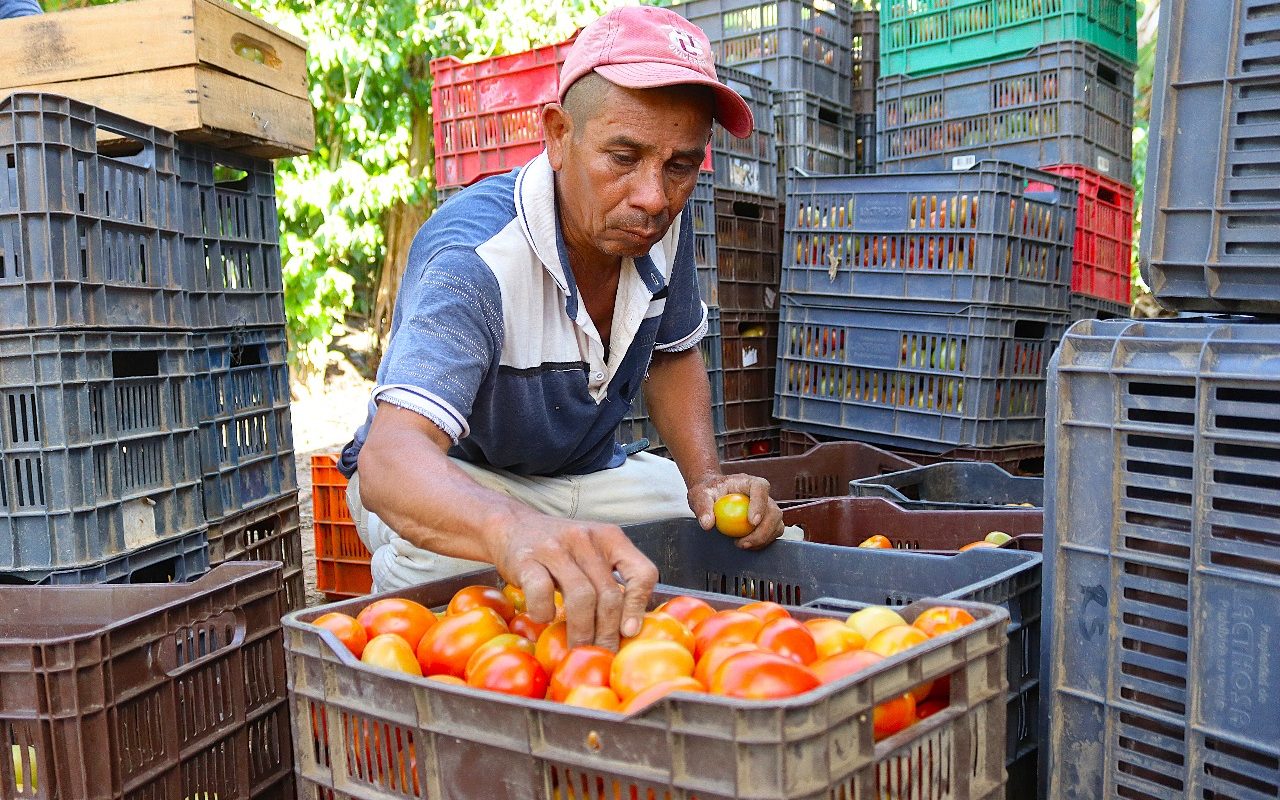
In a promising step for regional trade, tomato producers from Orica, Francisco Morazán in Honduras have officially launched exports to El Salvador, kicking off with an initial shipment of 20,000 pounds of tomatoes.
This first delivery marks the result of expanding commercial alliances between the two neighboring countries. Among the leading figures is Orlando Barahona, one of 20 producers who participated in a trade mission to San Salvador in February. The goal: explore new export opportunities and build sustainable market connections.
“We’re already in the sorting and packaging phase,” Barahona shared. “The important thing is that we’ve secured a reliable market. That allows us to plan our planting cycles based on what this market actually needs.”
Following compliance with requirements set by one of El Salvador’s largest supermarket chains, the Honduran producers reached a purchase agreement. The first shipment of 10,000 pounds was already delivered, and a second batch of equal weight is scheduled for this week.
This milestone is the direct result of a commercial outreach effort led by the Honduran Ministry of Agriculture and Livestock (SAG), in coordination with the Ministries of Economic Development and Foreign Affairs. More than 25 Honduran producers participated in the trade mission to identify business opportunities and deepen ties with the Salvadoran market.
Javier Quan, director of SAG’s National Agri-Food Development Program (Pronagro), emphasized the broader significance:
“This alliance is a firm step toward regional agro-commercial integration. It opens new doors for our producers and strengthens the national economy.”
During the visit, Salvadoran supermarket chains expressed interest in a range of agricultural products with high demand, including tomato, chili peppers, pineapple, plantain, cassava, avocado, and cashew.
Barahona, now looking ahead, added:
“We’re preparing to send samples of sweet peppers, particularly the Iguazú variety. This first sample will help us gauge the potential to expand our growing areas.”
This successful tomato export signals more than a single transaction—it’s a glimpse of future cooperation and shared prosperity, as Honduras positions its agricultural sector to meet regional demand and reinforce its economic presence in Central America.
 Latina Republic reports on environmental issues across Latin America, highlighting community-led initiatives, climate resilience, and the fight for environmental justice. We amplify local voices and initiatives working to protect the region’s natural and cultural heritage.