Rebuilding the Isla de Providencia
Providencia Island, Colombia
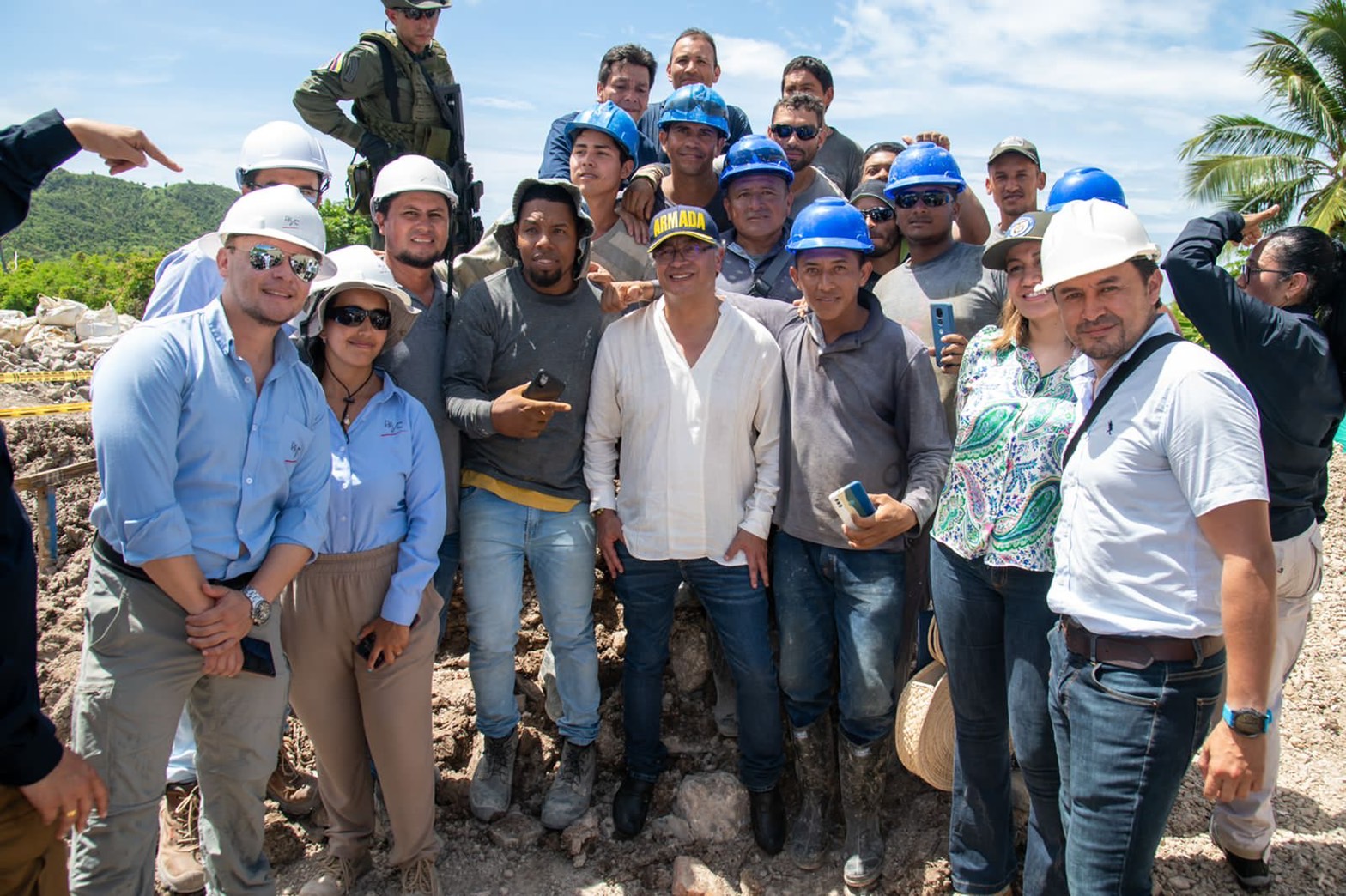
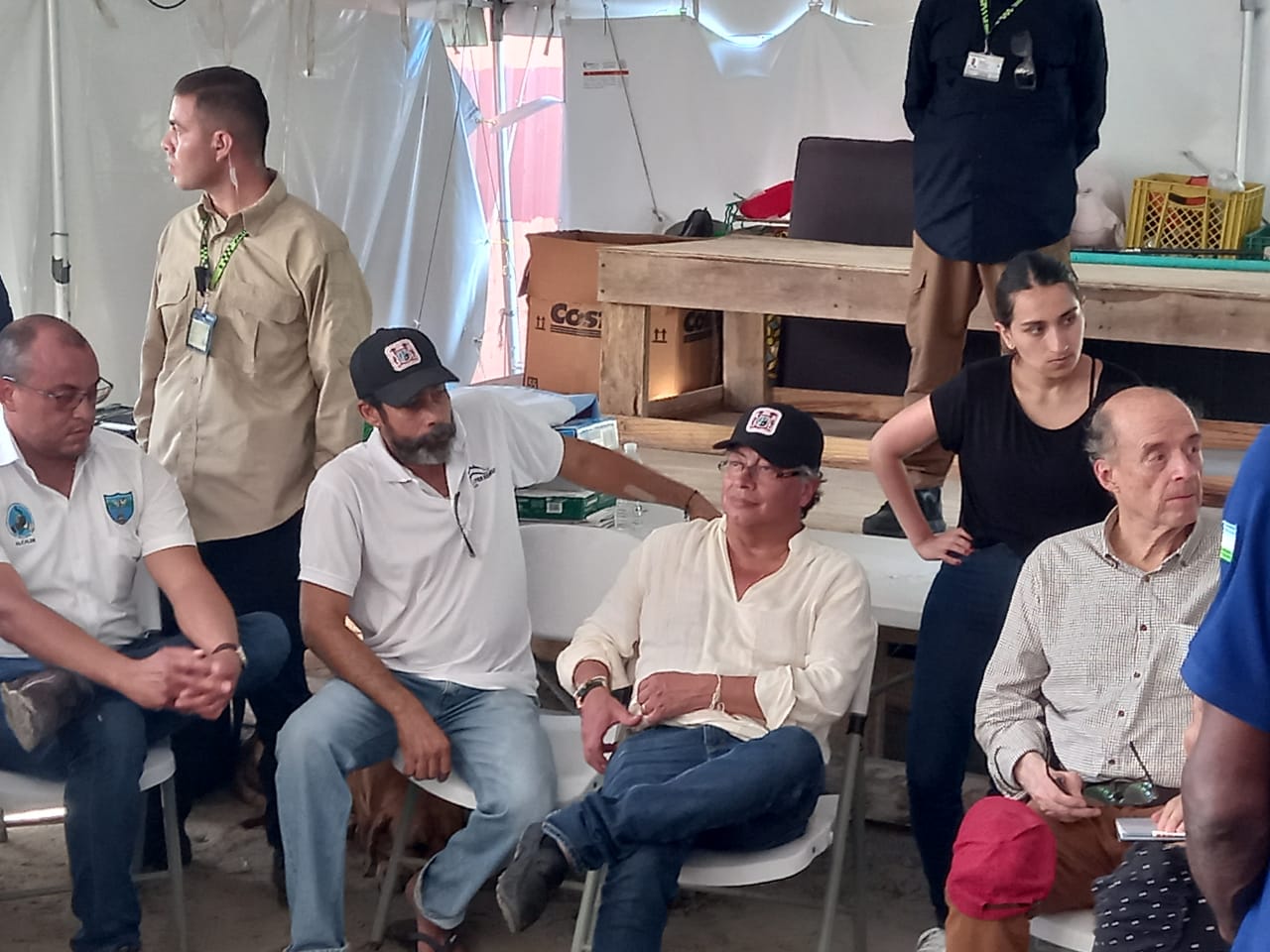
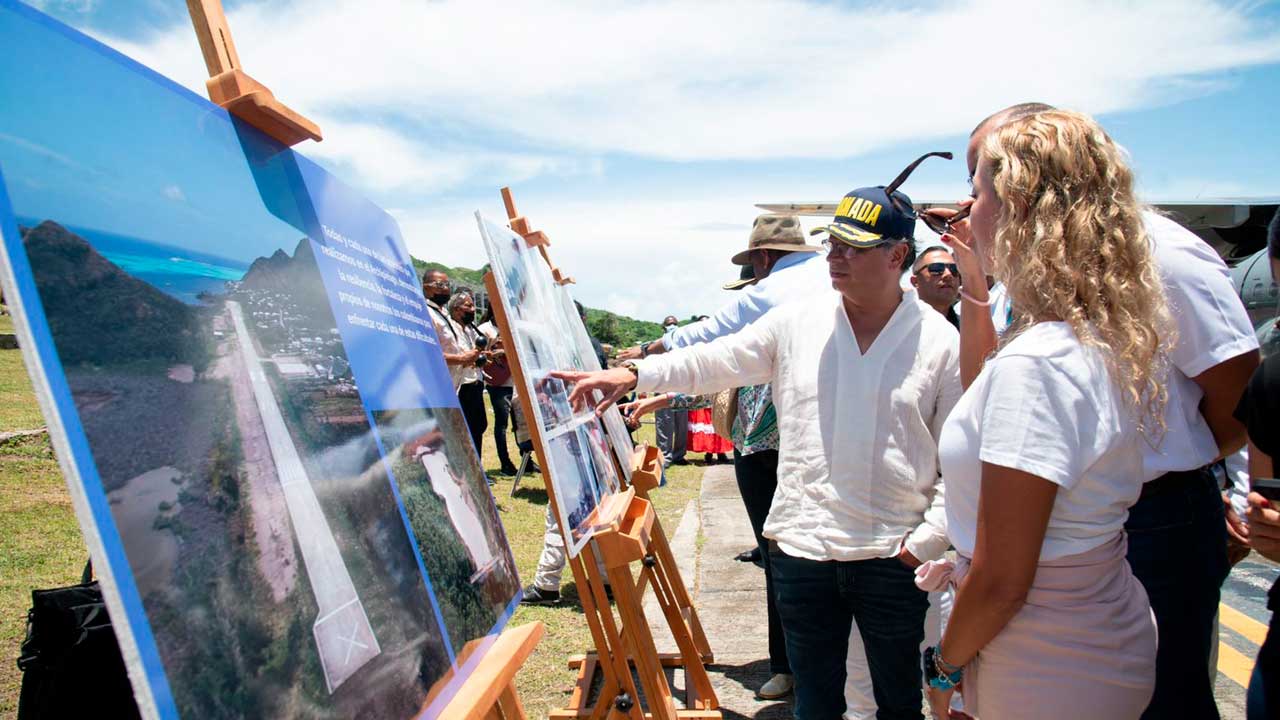
President Gustavo Petro of Colombia seeks the economic reconstruction of the island of Providencia through the industrialization of Raizal fishing. The island’s population was affected by the passage of Hurricane Iota in November 2020. The president led a working visit to the Archipelago of San Andrés, Providencia and Santa Catalina last weekend, to assess livelihood and priorities.
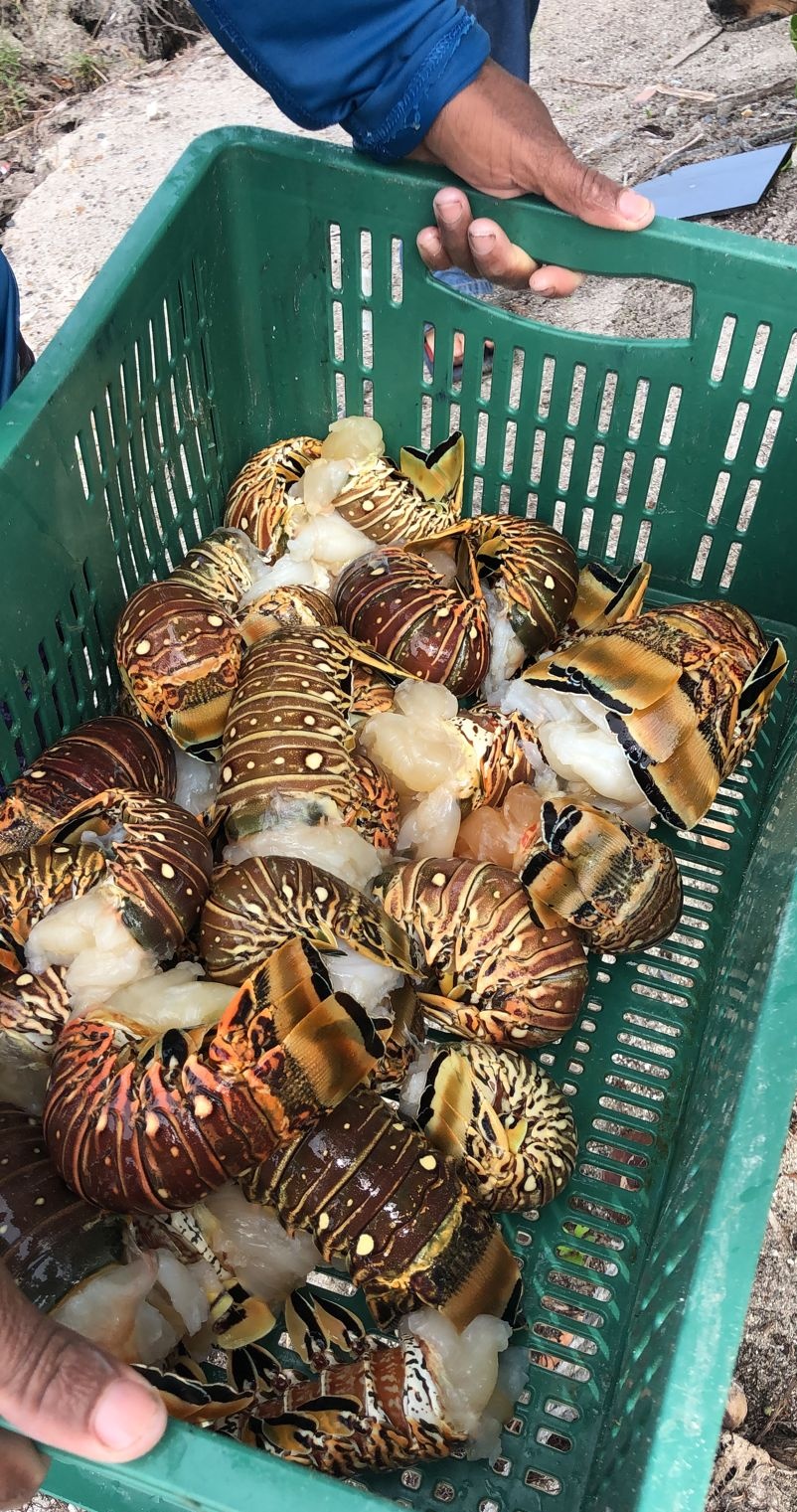
The Head of State, who this Sunday made a working visit to the Archipelago of San Andrés, Providencia and Santa Catalina, asserted that it is important that the island’s fishermen’s cooperative be strengthened through the Ministry of Commerce, Industry and Tourism.
As an economic priority, he indicated that it is necessary that the authorities that grant fishing permits restrict them exclusively to Raizal fishermen.
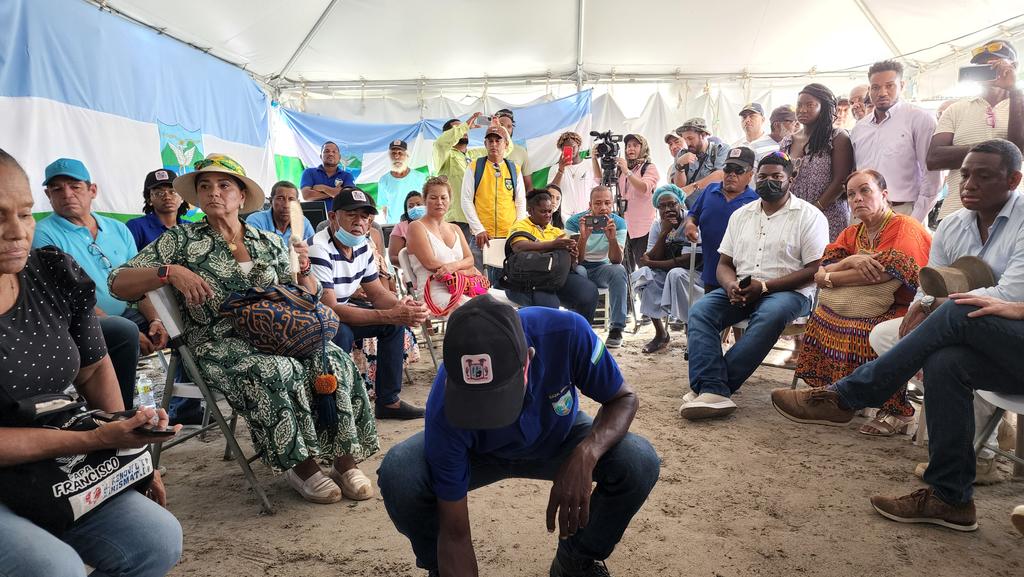
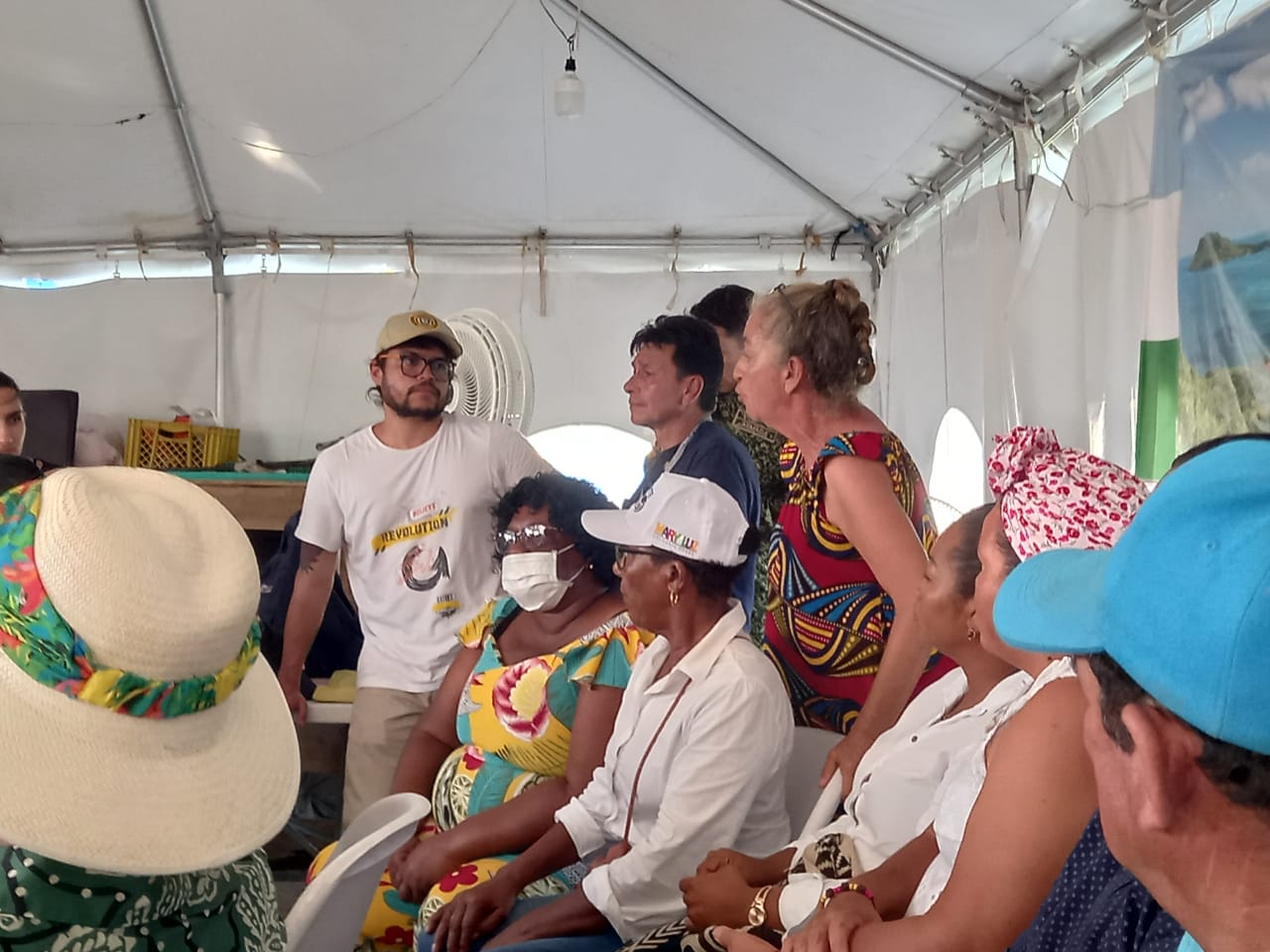
“Licenses ought to be restricted exclusively to Raizal fishermen in the region. If industrialists enter this space, well, they will be taking away the economic base of this island,” said the President in dialogue with leaders of Providencia.
Likewise, the President asserted: “We have to initiate work with the Ministry of Commerce to strengthen the fishermen’s cooperative.”
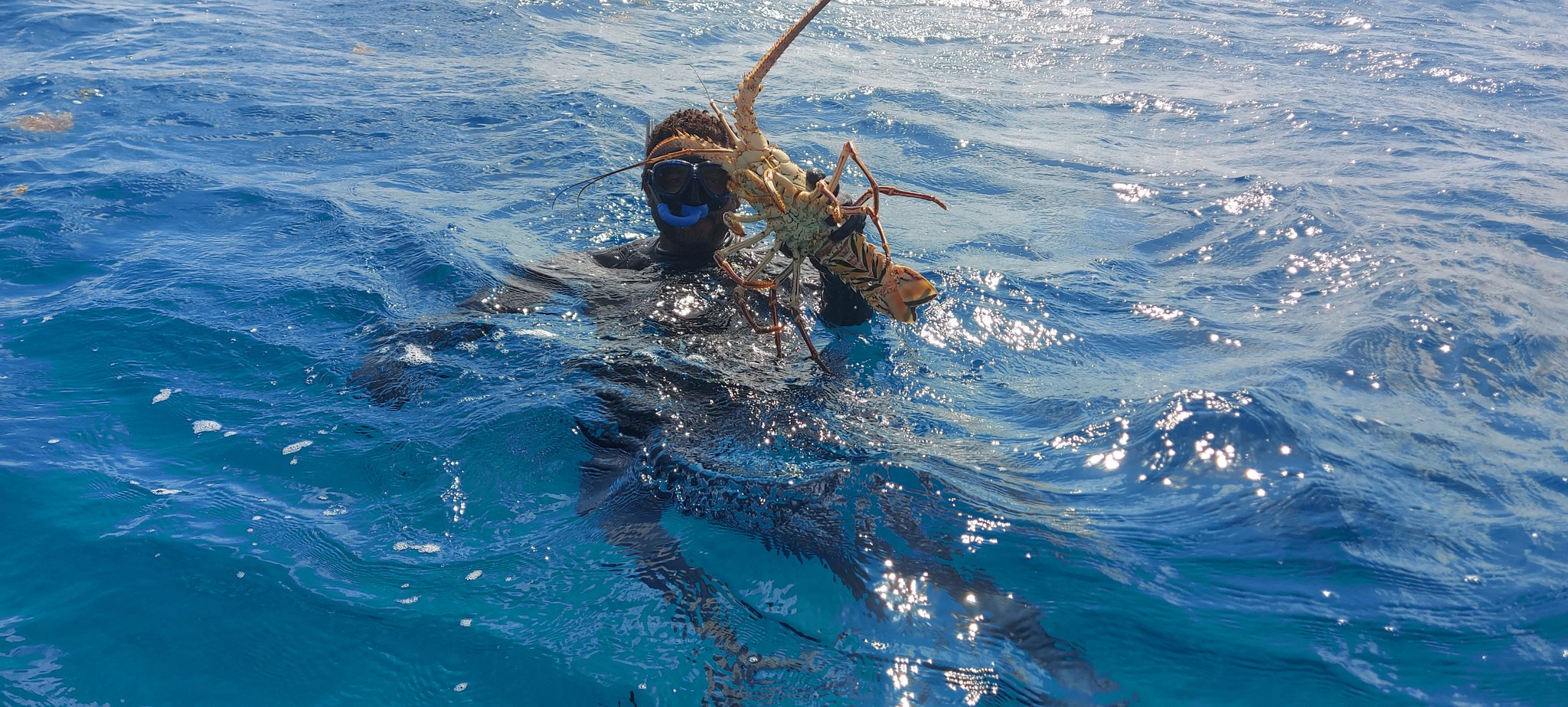
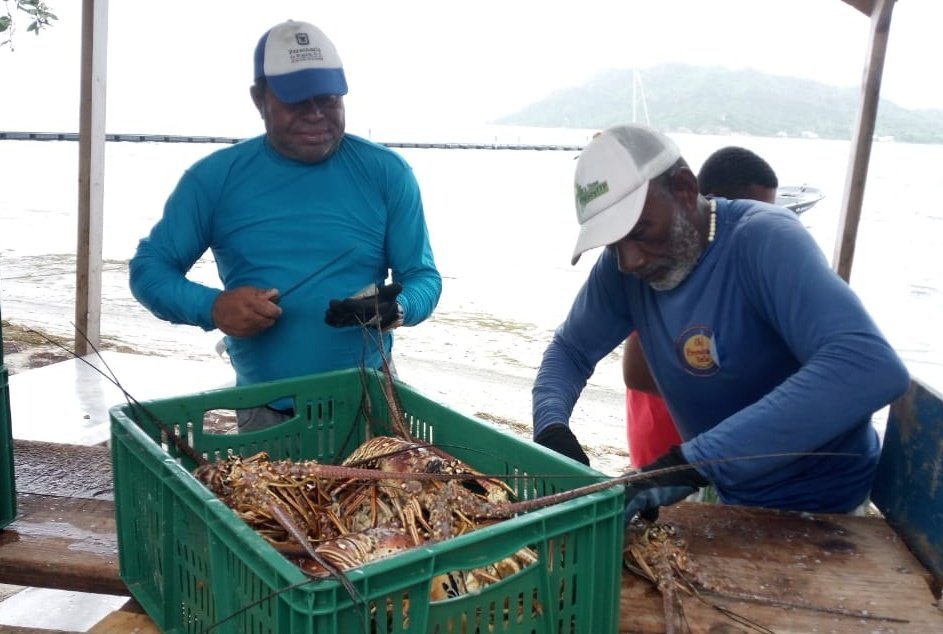
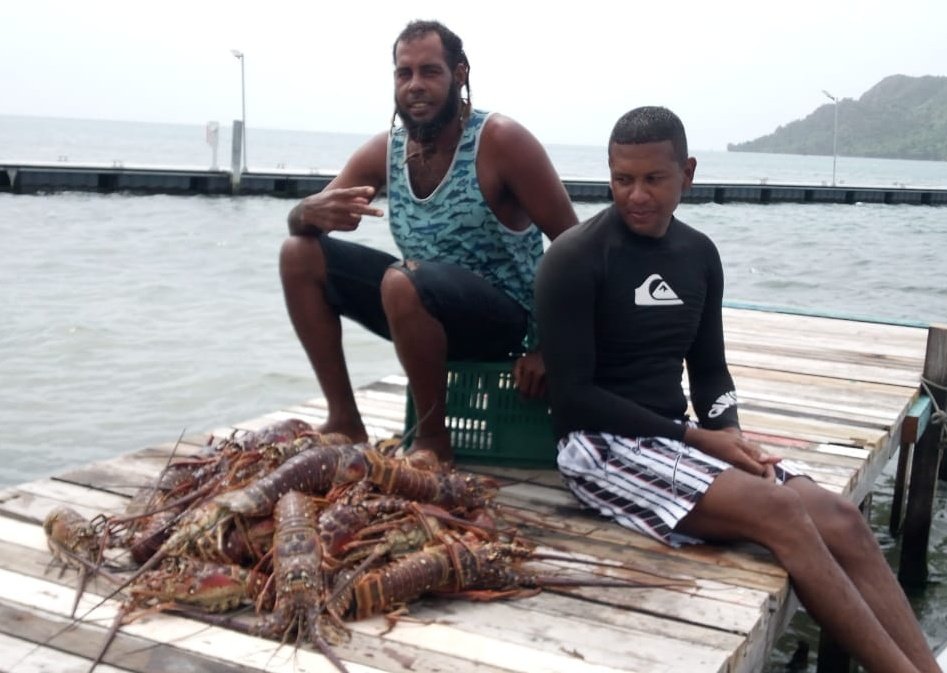
He added that to the extent that this activity is the economic base of the island, “it will be necessary to develop the industrialization of fishing in the hands of the Raizales, and eliminate intermediation, which implies that new commercial routes and alternative vessels will be required.”
The routes would have as a direct destination the city of Cartagena, the island of Curaçao, and tourism ports in the Antilles and Central America.
He explained that fishing on the island “must be strengthened technologically, in knowledge and in capacity. Artisanal fishing cannot stop there. I believe that you can make the leap (to the industrialization of the fishing activity).”
Similarly, he pointed out that tourism could become a key economic activity of the island’s economy.
“When tourists arrive here and leave money, it is as if a product were being exported. Tourism can partially meet the needs of the island, but the fundamental activity is fishing,” he concluded.
Drinking Water
Key to any economic project is access to drinking water. President Petro stated that to guarantee the supply of drinking water Providencia will have to rebuild its ancestral collection systems.
At the end of his working visit to the Archipelago, the Head of State said that in the process of recovering Providencia after the hurricane, “the method of collecting rainwater that each family had traditionally built on the island” were destroyed.
He reiterated the need to “rebuild the traditional and cultural system of the families of the island, around the collection of rainwater, through the method of much larger cisterns.”
Isla San Andrés
During his visit to the Archipelago, Petro identified lack of water as an obstacle to reconstruction: “We have to rebuild the water balance.”
During his assessment of the Archipelago of San Andrés, Providencia and Santa Catalina, the President commented that the original cisterns were replaced “by the plastic tanks that we know in the Colombian continental area, but they have been absolutely insufficient in their capacity for water collection, when compared to the cisterns made within local cultural standards by the inhabitants of the island.”
He also commented that the desalination plant that was installed in Providencia, “produces water that is 10 times more expensive than the one that exists in the reservoir.”
The cost increase in the desalination treatment was confirmed by the Minister of Housing, Catalina Velasco, who said: “We have found enormous costs in the desalination plant, around 10 or 12 times more than what other companies in the country charge when producing drinking water per cubic meter, and this is going to have an impact on the rates for families.”
“So we have to think very quickly how to solve this problem through the provision of rainwater,” emphasized the head of Housing.
Based on the foregoing, President Petro reiterated the need to “rebuild the traditional and cultural system of the families of the island, around the collection of rainwater, through the method of much larger cisterns,” and stressed that this process “should have never been destroyed and that is another element of the policy that we are going to carry out in the coming months.”

Housing Costs
As part of his assessment of the Archipelago, Petro addressed the cost of housing. “Why is a house in Providencia worth $600 million?” the president asked during a press conference.
The Head of State commented that reasons provided for the high prices were due to the cost of transporting concrete, cement, and steel from Cartagena.
However, he assured: “Part of that cost was assumed by the National Navy itself, which helped in the transfer from the port of Cartagena to the island” of Providencia.
“The island is experiencing a deep economic anxiety and a deep food insecurity problem. There is hunger on the island. The previous reconstruction plans should have considered more than concrete and the concrete contractors. They should have considered the plans’ impact on human beings,” he emphasized.
Petro mentioned that control organisms would investigate possible cost overruns.
“Neither the Raizal community nor its architectural culture were taken into account,” traditional materials were not used and “it was cement and steel from Colombia and companies from Bogotá that built a completely different culture,” added Petro.
“The reconstruction was, basically, an imposition and has consequences that any tourist would not see in a colorful house, but would have to go much further to understand them,” said the Head of State.
He said that “an architecture basically from Bogotá, based on concrete and steel, brought in a workforce of hundreds of foreign workers to the island, many of whom are still there, that caused another economic blow, perhaps more destructive than the hurricane, because today an egg on the island is worth a thousand pesos.”
The arrival of these crews “escalated the prices of food; the prices of the leases rose substantially, a lease that was worth $450,000 today is worth $7 million.”
For this reason, Petro labeled the work ahead as multi-fold: “This is a classic example of reconstructions made from outside without considering the culture, nor the strength of the community itself, without consulting the community, to the point that the island of Providencia is really suffering a deep cultural, economic and hunger crisis.”
Hospital, a Priority
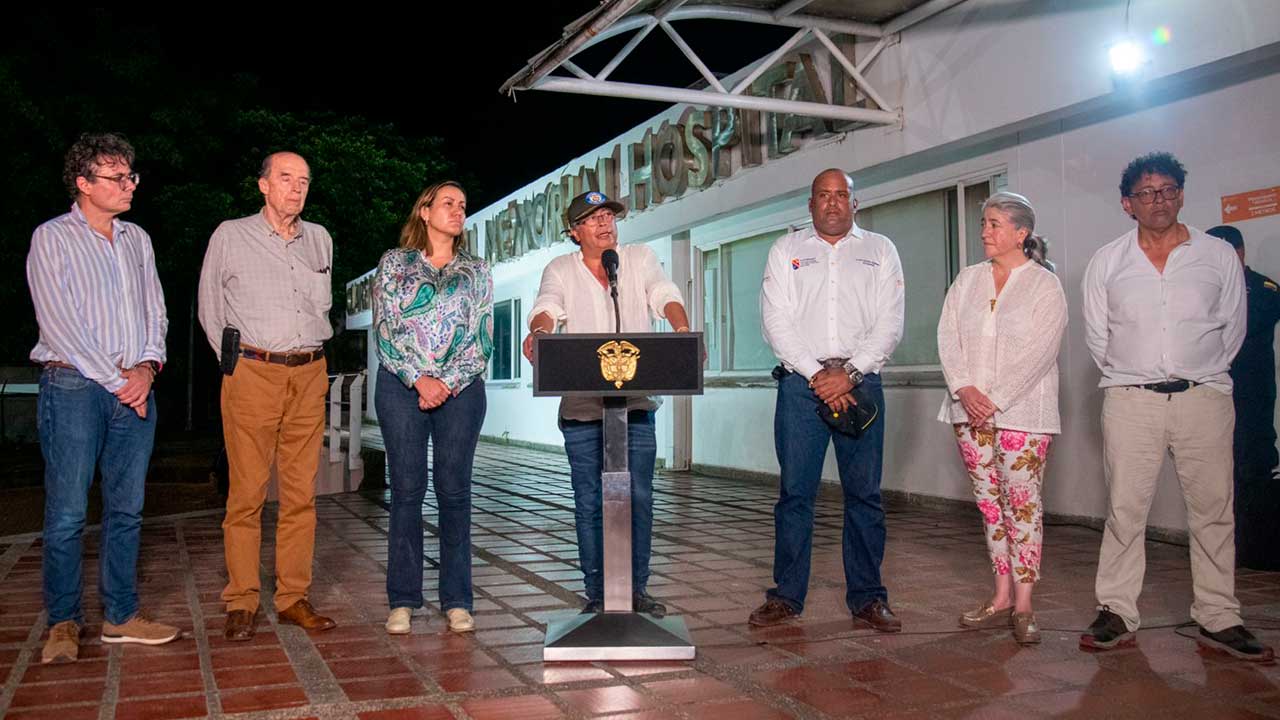
“The Providencia hospital should have been built as a priority,” said the Head of State last Sunday at a press conference on the island of San Andrés, after a working visit to Providencia.
The President indicated that the reconstruction of the Providencia hospital began “a week before we took possession (August 7),” and added: “Today there is only one cement footing there. Today, there is no hospital.”
In this regard, he added that the people of the island are subjected to complex transfer problems in case of serious illness.
“The possibilities of transferring very sick people depend on the capacity of the National Navy at a given time. The track does not have lighting, at night these transfers cannot be made. If someone gets seriously ill, they have to be transferred by boat, on a bumpy ride across the sea for two and a half hours,” explained the President.
In this regard, the Minister of Health, Carolina Corcho, said at the press conference that there is a hospital de campaña (mobile medical unit) on the island of Providencia.
“It is surprising that the hospital was not among the reconstruction priorities. In fact, right now in Providencia we have a field hospital, which is located in a vulnerable area. If there is a new tragedy or disaster, the hospital will be the one with the greatest vulnerability,” concluded the Minister of Health.
Petro’s visit to the Archipelago led to a set of proposals to rebuild the economy, culture and regional influence. Here is a summary, in no particular order.
- Abate the hunger crisis
- Strengthen the Fishermen Cooperative with support from the Ministries of Commerce, Industry and Tourism
- Restrict the granting of fishing permits to the raizal fishermen
- Develop industrialization of fishing among the raizal fishermen
- Strengthen technology, knowledge and capacity of raizal fishing
- Eliminate intermediary fishing
- Identify new commercial routes and vessels
- Restore drinking water across the archipelago, rebuild traditional water collection through larger units.
- Build tourism
- Rebuild housing and infrastructure in consultation with the island, with island labor and within the cultural aesthetic of island inhabitants.
- Build a Hospital ready for disasters and emergencies
- Develop a Caribbean presence and regional networks.
Strengthening the Archipelago
“It is by giving strength to the Raizal people that Colombia can have more influence in the Antilles,” said the president.
Gustavo Petro affirmed last Sunday in Providencia that Colombia must appoint ambassadors and consuls from the archipelago to strengthen Colombian influence in the Caribbean and make the importance of the country’s geographical position a reality.
“We believe that San Andrés and Providencia can stand as our center in the Caribbean,” said the Head of State after a tour of this last island, in which he listened to proposals and concerns from the inhabitants and community leaders.
He recalled that, in his inaugural speech on August 7, he announced that Colombia will have Raizal ambassadors in the Caribbean countries. “You must name ambassadors, Raizal consuls. Those people must be found. They may live here; they may live outside. The Raizal authority is then summoned to advise us on a list of people —Raizal people,” he indicated.
The President recalled that the Colombian islands are close to Nicaragua, Belize, Jamaica and Costa Rica. He stressed, “It is about strengthening and empowering this territory.”
 Soledad Quartucci | Latina Republic
Dr. Soledad Quartucci is the founder and CEO of Latina Republic, a 501(C)3 California-based nonprofit organization. Latina Republic is committed to improving the diversity and professional development of storytellers in the media industry as representation matters and affects the stories we tell. Latina Republic makes space for and empowers unheard voices and trains the next generation of leaders in the U.S.