

Mexico | Confronting Sexual Harassment in Universities
“We urge women not to remain silent in the face of harassment and sexual violence on campus. Prevention, intervention, and reporting are vital steps toward creating safe and inclusive spaces,” Luciano Concheiro Borquez, Undersecretary, Higher Education at the Ministry of Public Education.
In a joint effort, the Ministry of Public Education (SEP) and Inmujeres Mexico have unveiled a crucial initiative aimed at combating sexual harassment and assault within intercultural universities.
Titled, The Mechanisms for the Prevention and Comprehensive Care of Victims of Cases of Sexual Harassment and Harassment, the initiative signals a commitment to creating environments where every individual feels safe on campus.
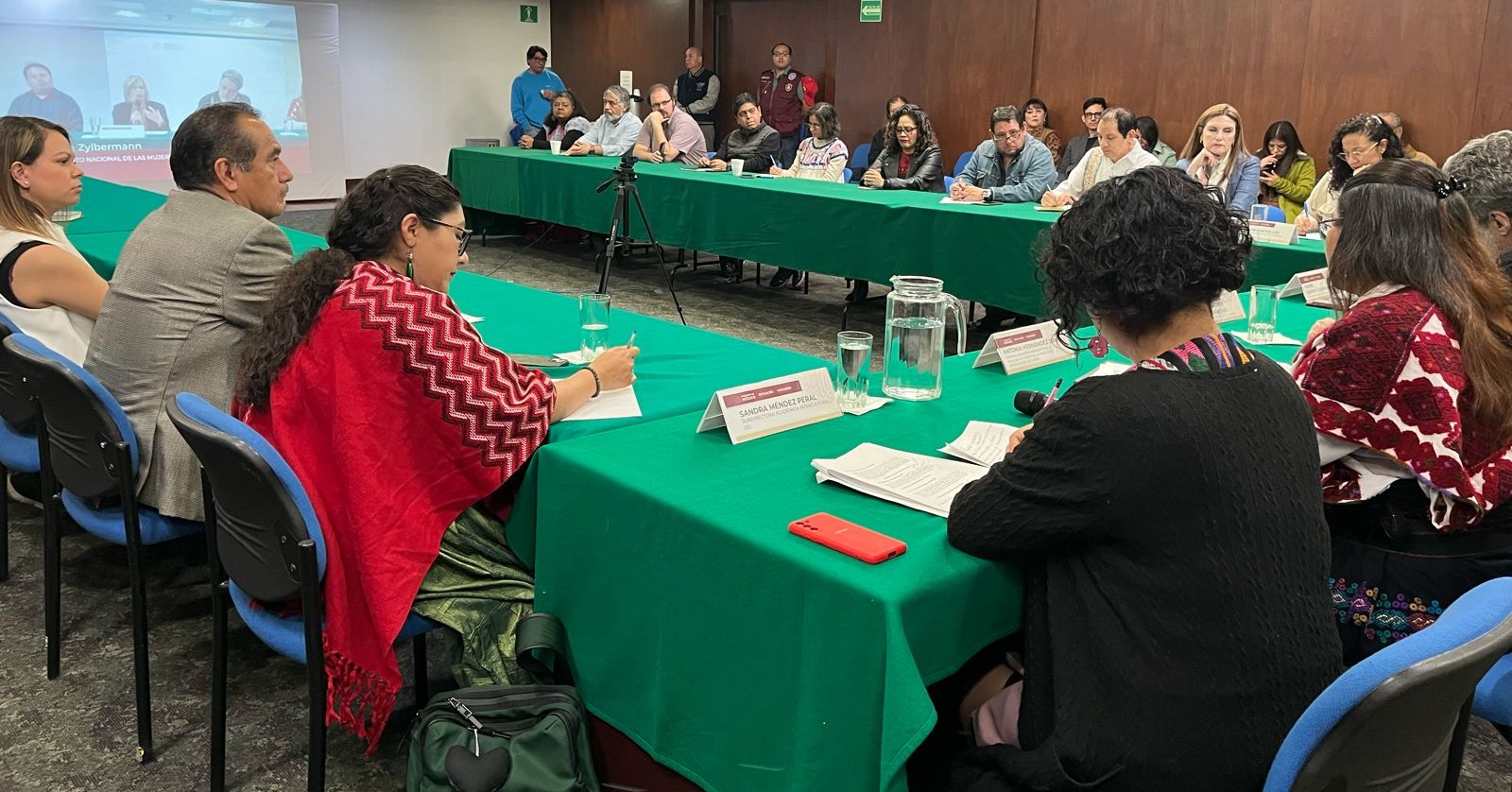
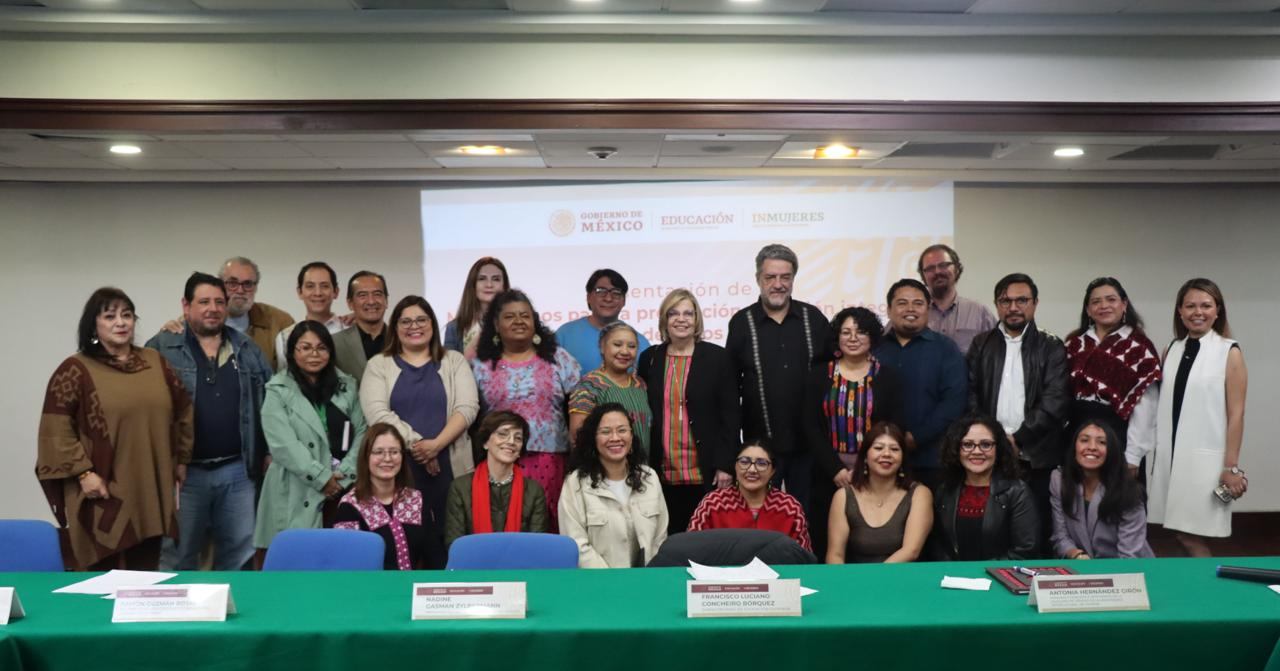
On February 20, 2024, a pivotal collaboration between Mexico’s Ministry of Public Education (SEP) and the National Institute of Women (InMujeres) heralded the launch of the Mechanism for the Prevention and Comprehensive Attention to Victims of Cases of Sexual Harassment and Assault in Intercultural Universities.
Luciano Concheiro Borquez, Undersecretary of Higher Education at the Ministry of Public Education, emphasized the imperative of tackling gender violence with an intercultural lens. He articulated that new proposed mechanisms offer not only a pathway for prevention and response but also a fundamental shift in policy implementation and execution.
“It is not sufficient merely to acknowledge these mechanisms; they demand thorough analysis and active implementation. They signify a departure from traditional approaches toward a new paradigm of policymaking and enforcement,” said Concheiro.
“While our institutions may have protocols for addressing violence, they often lack an intercultural or gender-sensitive perspective and overlook linguistic considerations. Therefore, we advocate for the adoption of new inclusive mechanisms to combat gender violence,” Concheiro continued.
The proposed perspectives extend beyond intercultural universities; they aim to cultivate an intercultural gender ethos within all facets of academic and administrative endeavors.
“We urge women not to remain silent in the face of harassment and sexual violence. Prevention, intervention, and reporting are vital steps toward creating safe and inclusive spaces. Our goal is to foster a culture of respect where everyone feels secure and empowered to contribute to an environment free from violence,” asserted the Undersecretary of Higher Education.
Con el propósito de generar acciones que permitan erradicar el acoso y hostigamiento sexual, presentamos los Mecanismos para la prevención, atención integral a víctimas de casos de hostigamiento y acoso sexual en las universidades interculturales. pic.twitter.com/al6WqNG9pk
— Inmujeres México (@inmujeres) February 20, 2024
Luciano Concheiro Bórquez articulated that the transformative journey of Mexico hinges upon the empowerment and protection of women.
He urged against the silencing of cases of sexual violence, advocating instead for robust prevention, support, and reporting mechanisms to cultivate spaces free from such acts.
“We consider it essential that these mechanisms are not only read but also put into practice. We must agree on how we are going to carry them out. Interculturality should be a perspective that reaches all institutions of higher education,” Inmujeres Mexico.
Initiatives to confront harassment should be informed by intersecting perspectives, including intercultural, gender, and human rights frameworks, reports Inmujeres.
“We want to acknowledge the work that the Undersecretariat has done to incorporate women. Each year, more students are enrolled, with 80% being women, and therefore, we must ensure that their experience is enjoyable and free from violence,” InMujeres Mexico.
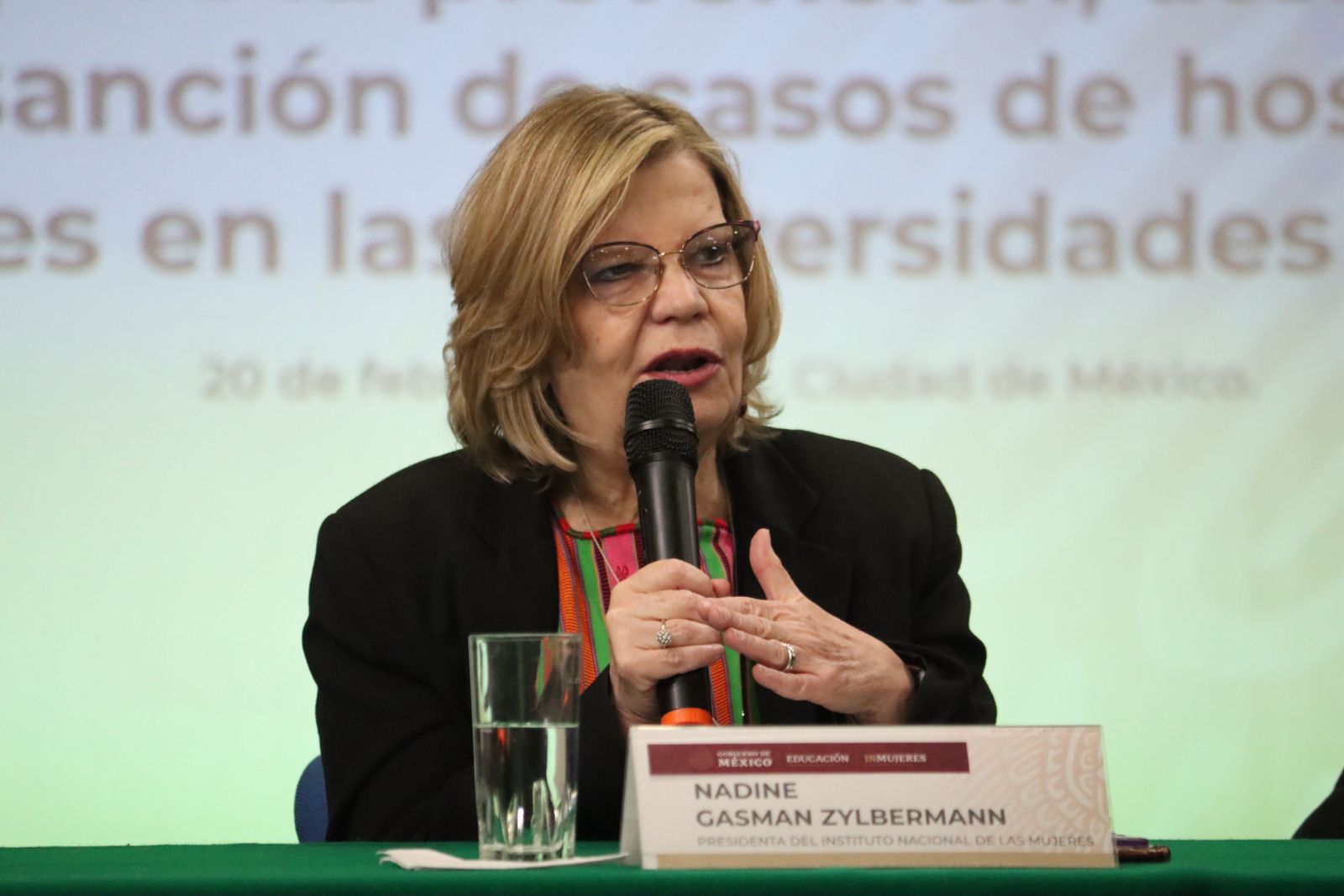
Nadine Gasman Zylbermann, President of Inmujeres, stressed the need for updated initiatives in light of concerning statistics that highlight the widespread prevalence of gender-based violence within academic institutions.
“Today, 70% of universities already have protocols in place. We are very pleased to introduce this mechanism that provides another way of addressing Equality, Prevention, and Violence from an intercultural, intersectional perspective,” Nadine Gasman.
The President of Inmujeres highlighted that these initiatives are consistent with the government’s vision to overhaul public life. She stated,
“We are at a pivotal moment, transitioning from a neoliberal, individualistic model to a more socially-focused approach. Our aim is to prioritize the well-being of individuals through our public policies, marking a significant shift in history.”
The leader of Inmujeres shared some alarming statistics:
“I’d like to shed light on some figures that demand our attention. Consider this: 80 percent of women aged 15 and above have encountered some form of violence within the school environment, not just over their lifetimes, but within the past 12 months alone. Universities ought to be havens of peace and safety. Shockingly, over one million women aged 15 and older have experienced sexual harassment or assault within educational institutions. Such experiences leave deep scars, often resulting in women abandoning their pursuit of higher education.”
Gasman stressed, “We have to include men as we work on solutions. If they are part of the problem, they have to be part of the solution….Indigenous women, youth, Afro-descendants, we want them to live full lives, to reach the university and find creative and enjoyable spaces within them.”

In emphasizing the pressing need for new policies, Marta Ferreyra Beltran, Director General of National Policy for Gender Equality and Women’s Rights, highlighted the profound impact such violence can have on young female students.
Ferreyra emphasized how violence disrupts individual lives and derails life projects, underscoring the challenges faced by women in reaching their goals. “The sudden experience of violence not only affects their academic pursuits but also permeates their social circles, friendships, university life, academic environments, and familial relationships,” stressed Ferreyra.
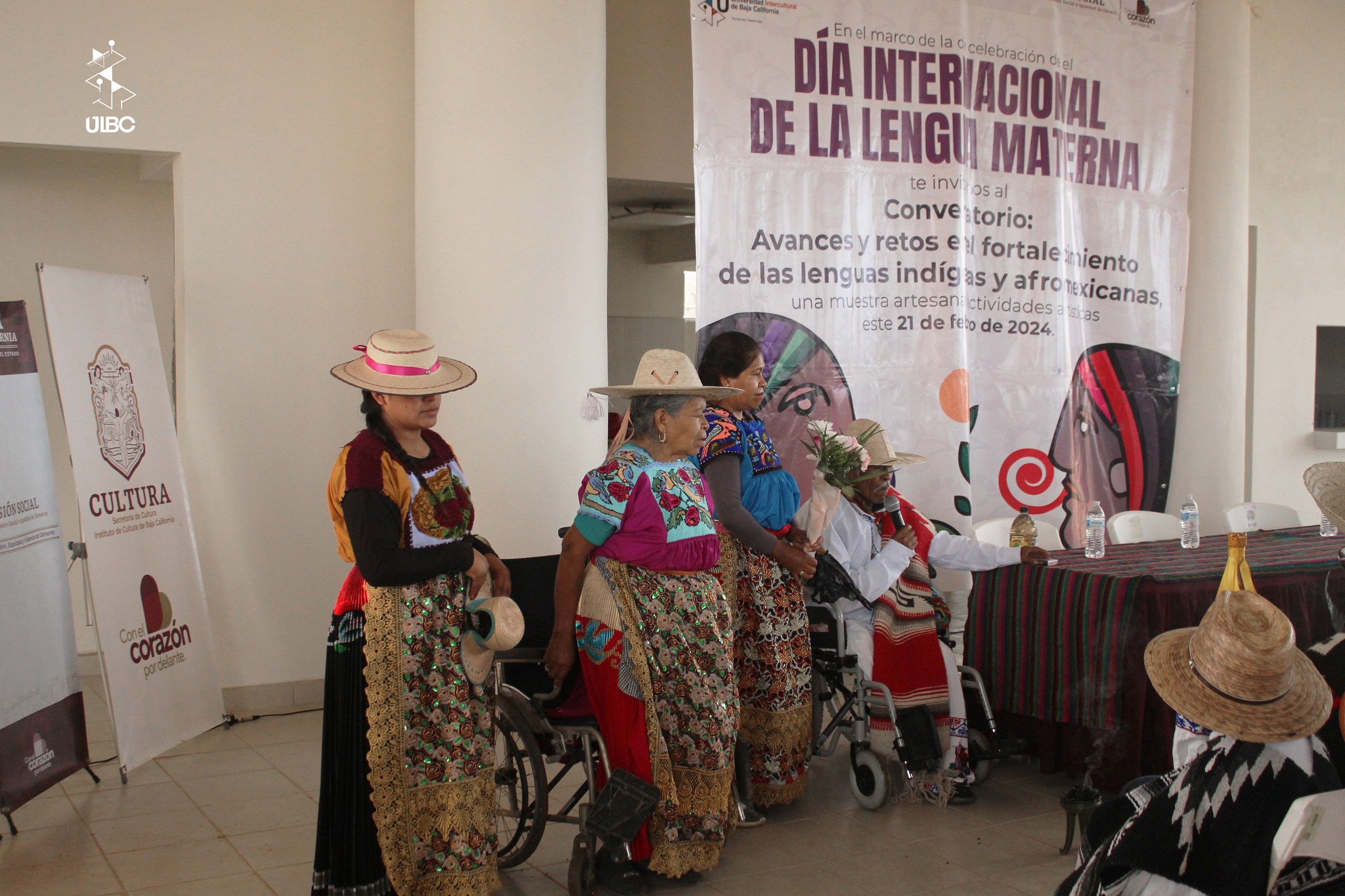
Maestro Ramon Guzman Rojas, the rector of the Intercultural University of Baja California, shared his experience in piloting the Intercultural University of San Quintin’s new preventive initiative and the impact and relevance it can have for intercultural universities.
“At our University, since 2021, actions were initiated to convey the community’s sentiments, to speak from our own experiences, from our history, and this gave us the desire to fight, to do things differently so that higher education can also be for everyone.
There are still many communities and many women in indigenous communities who do not have access, who do not reach higher education. They face two or three times more barriers and obstacles to reach it, and for those who do, I also consider it violence when higher education is structured in a way that does not respond to the context or the needs and priorities of these women and men, causing them to drop out of school, to abandon higher education.
Students, teachers, administrators, we all enter training sessions to reflect, and it’s a double struggle, what we do in the community and at the University. There are historical debts with indigenous women.
We have communities in the streets of Tijuana asking for a peso, when they should be in schools and finding safe spaces in the community, spaces where they are invited to be heard. Women must have safe spaces in universities. Let’s continue building. We are on the right path.”
See Also,
Instituto Nacional de las Mujeres
Universidad Intercultural de Baja California
 Soledad Quartucci | CEO/Founder, Latina Republic
Latina Republic is dedicated to promoting regional understanding through compelling narratives, articles, interviews, and reports that emanate from the heart of the Americas. Our foremost goal is to facilitate constructive dialogue by illuminating local viewpoints frequently overshadowed by mainstream media. Our mission is to equip all stakeholders with essential insights for addressing regional issues, thus empowering them in their efforts. We are committed to portraying the victories and hardships of everyday life in Latin America, while also chronicling the progression of social movements and amplifying the voices of those at the forefront of change.

