Popular Festivals and Traditions of México
The customs of Mexico paint a vibrant tapestry woven with color, mysticism, and timeless traditions. Every festival unfolds like a living history book, providing a captivating glimpse into revered events, ancestral cultures, and the enchanting tapestry of Mexican legends.
Steeped in the rich heritage of the Aztec, Olmeca, and Mayan civilizations, Mexican traditions also bear the imprint of European influence, creating a unique fusion that defines the cultural landscape. The heartbeat of these customs is felt in every corner of the country, where each city embraces the traditions and weaves them seamlessly into their own local rituals and customs.
As you traverse Mexico, you’ll encounter a kaleidoscope of celebrations, each with its own distinct flavor and significance. From the spirited festivals honoring ancient deities to the lively commemorations of historical milestones, the Mexican people passionately keep their traditions alive.
Whether it’s the vibrant Day of the Dead, where families gather to honor their departed loved ones with colorful altars and marigold-adorned graves, or the exuberant Carnaval celebrations that sweep through the streets in a riot of colors and music, each tradition is a testament to the country’s rich cultural mosaic.
In Mexico, customs are not just rituals; they are a living expression of identity, a bridge connecting the past with the present. As you delve into the diverse tapestry of Mexican traditions, you’ll find a profound sense of unity, pride, and joy that transcends time, bringing to life the essence of this extraordinary and culturally diverse nation.
La Guelaguetza
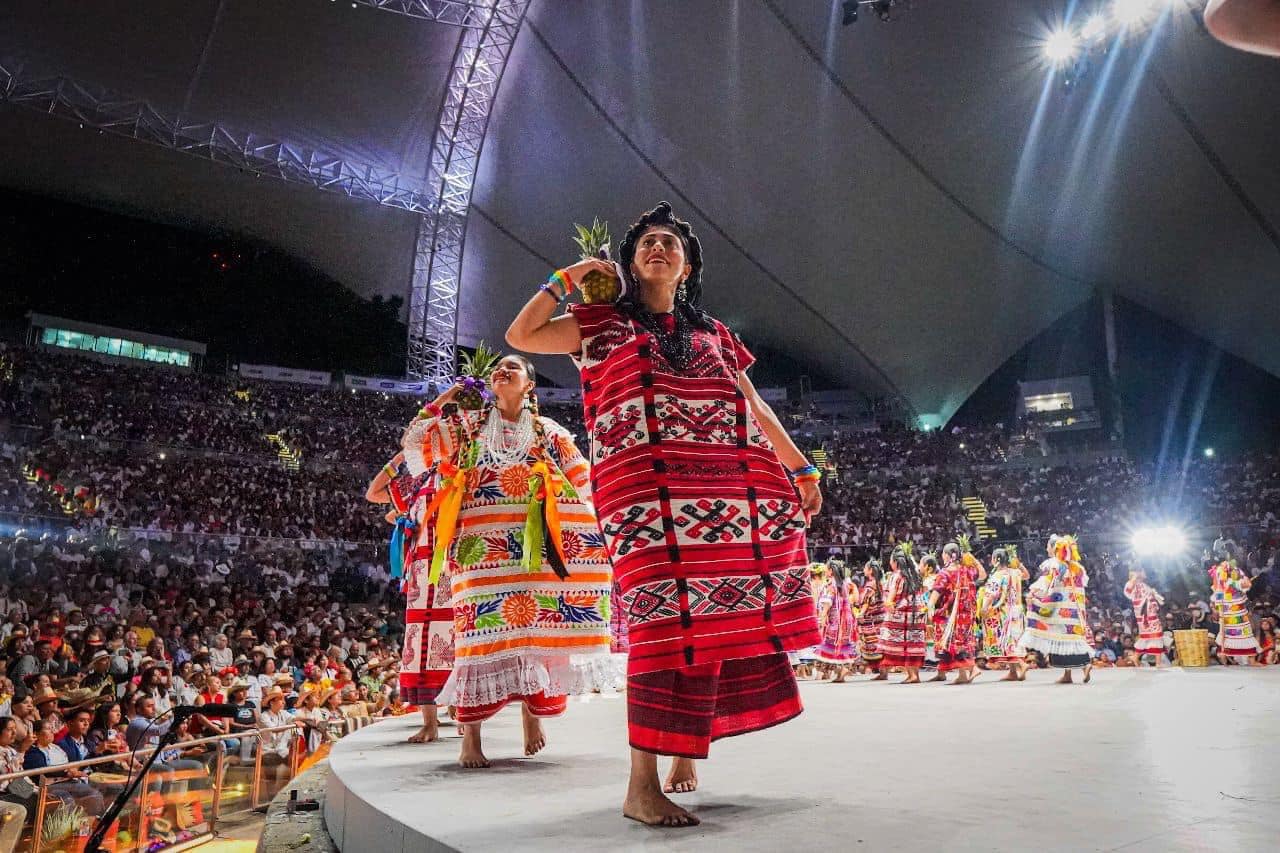
La Guelaguetza is a captivating and culturally rich celebration that unfolds annually in the vibrant tapestry of Oaxaca, Mexico. This festival, often referred to as “Los Lunes del Cerro” (Mondays on the Hill), is a dazzling showcase of indigenous traditions, folklore, and communal spirit.
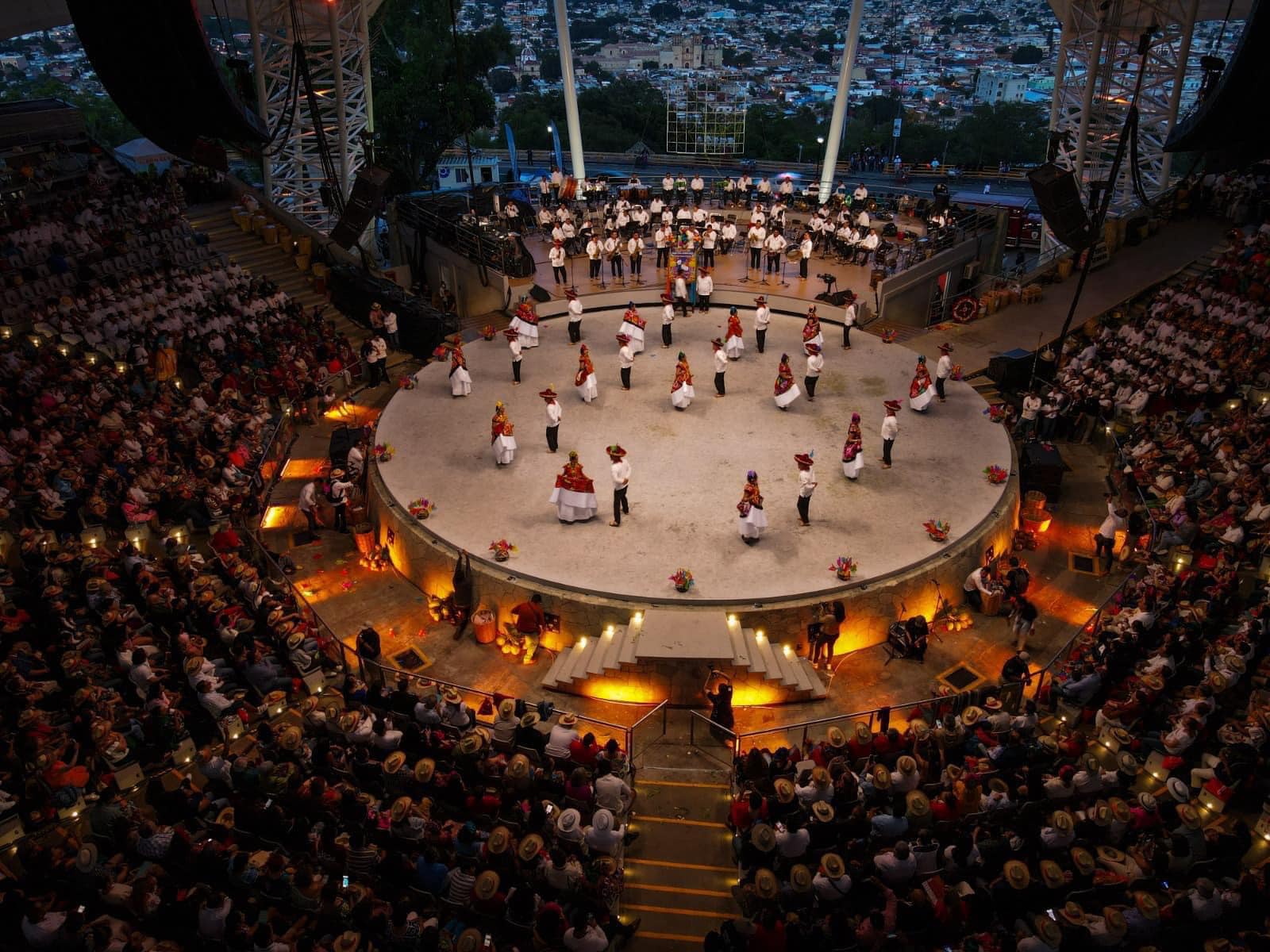
Held in the picturesque hills surrounding Oaxaca City, La Guelaguetza typically takes place in late July, drawing locals and visitors alike to witness the spectacle. The festival is deeply rooted in the Zapotec and Mixtec cultures, paying homage to the indigenous communities that have shaped the region’s identity.
At the heart of La Guelaguetza are the “delegaciones,” or groups, representing different regions of Oaxaca. These delegations come together to share their unique dances, music, costumes, and rituals. The performances are a mesmerizing blend of pre-Hispanic traditions and Catholic influences, creating a harmonious fusion that reflects the complex history of the region.
One of the distinctive features of La Guelaguetza is the sharing of gifts, or “guelaguetzas,” between communities. This embodies the spirit of reciprocity and unity, as each delegation offers a symbolic gesture of their cultural richness to others. The sense of community is palpable as participants come together to celebrate diversity and forge connections.
The festival is not confined to a single venue; instead, it spills into the streets, squares, and theaters of Oaxaca. The air is filled with the lively sounds of traditional music, the vibrant colors of intricately crafted costumes, and the infectious energy of the dancers.
La Guelaguetza is not merely a performance but a living expression of Oaxacan identity and pride. It serves as a bridge between generations, preserving and promoting the cultural heritage of the indigenous communities. For those fortunate enough to witness it, La Guelaguetza offers a sensory feast and an immersive experience into the heart and soul of Oaxacan culture.
The event unfolds on the consecutive two Mondays following July 16, during which representatives from the eight regions of the state convene at Cerro Fortín. This vibrant celebration becomes a platform for showcasing a diverse array of popular dances, including the enchanting Danza de la Pluma, the rhythmic Sones Serranos, the graceful Flor de Piña, the spirited Mixtec dance, and the captivating Sandunga dance.
The popular event brings together dancers from the 8 regions of the State of Oaxaca who perform folk dances for a week accompanied by wind music, typical costumes and Mexican gastronomy.
Día de la Virgen de Guadalupe
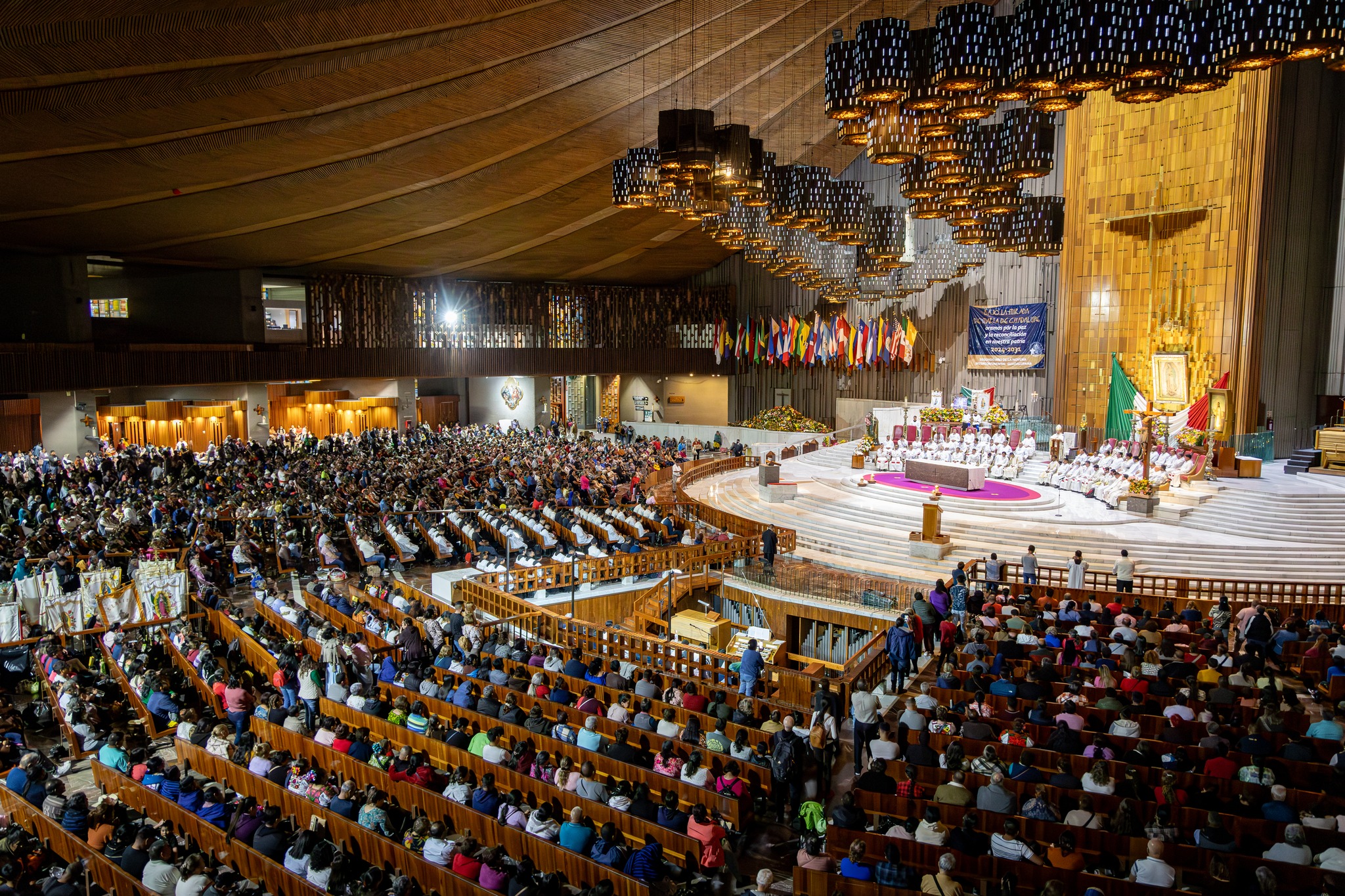
Día de la Virgen de Guadalupe, celebrated on December 12th, stands as one of the most significant and revered traditions in Mexico, honoring the country’s patron saint. This day holds deep religious and cultural significance, marking the appearance of the Virgin Mary to Juan Diego, an indigenous man, in 1531.
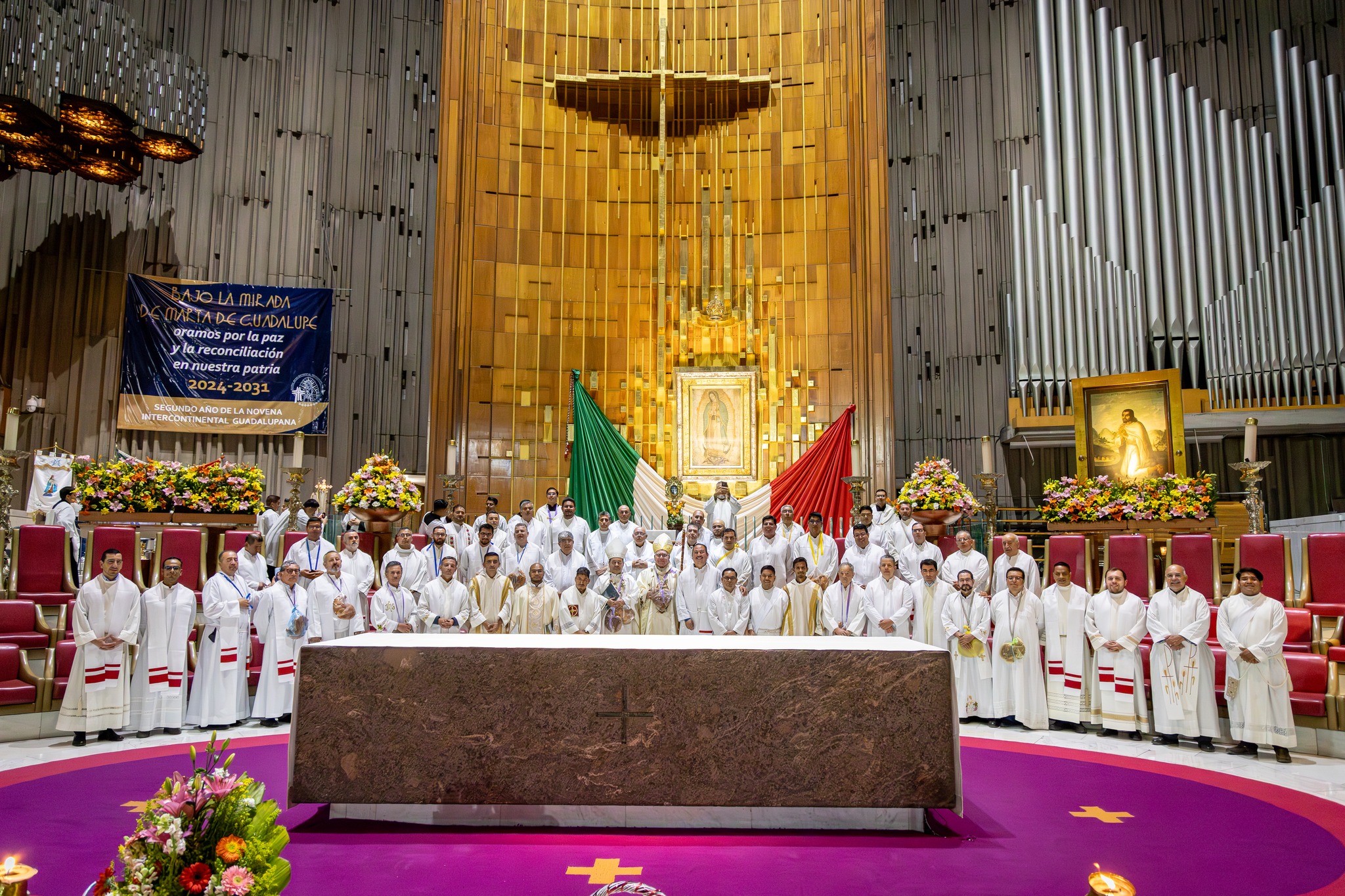
Devotees from across Mexico and beyond embark on pilgrimages to the Basilica of Our Lady of Guadalupe in Mexico City, the site where the miraculous apparition occurred. The atmosphere is charged with a profound sense of devotion, as pilgrims journey for days, often on foot, carrying images and effigies of the Virgin.
The Basilica itself becomes a focal point of celebration, adorned with vibrant flowers, candles, and religious offerings. Throughout the day, masses are held, and the air resonates with hymns and prayers dedicated to La Virgen de Guadalupe. Pilgrims, clad in traditional attire, gather to pay their respects, and the square in front of the Basilica transforms into a tapestry of colors and emotions.

The celebration is not confined to the church; it spills into the streets, where processions, music, and dance fill the air. Traditional Mexican foods and sweets are shared among families and communities, creating a festive and communal atmosphere.
One of the most iconic elements of this celebration is the reenactment of the Juan Diego’s encounter with the Virgin Mary, a symbolic and deeply moving portrayal that resonates with the faithful. The image of La Virgen de Guadalupe, imprinted on Juan Diego’s cloak or “tilma,” is a revered and powerful symbol of faith and unity in Mexico.
Día de la Virgen de Guadalupe is not only a religious event but also a testament to the rich cultural fusion of indigenous and Catholic traditions in Mexico. It serves as a unifying force, bringing people together in a shared expression of faith, love, and devotion to the beloved patroness of Mexico.

Observed on December 12, the celebration commemorates the believed appearance of the Virgin to San Juan Diego on El Tepeyac hill. Festivities kick off on December 11 at 6:45 p.m. with a beloved serenade dedicated to the Virgin, accompanied by various tributes in her honor. A poignant tradition unfolds at midnight, where musicians and artists come together to perform the traditional mañanitas, paying heartfelt homage to the revered Virgin.
Danza de los Voladores
Originating in pre-Hispanic times, the Danza de los Voladores has its roots in the Papantla region, situated on the border between Veracruz and Puebla, Mexico. While its inception is linked to this specific locale, the ritual has transcended geographical boundaries and is practiced in various regions across the Mexican nation. Rich in symbolism and mysticism, this ancient tradition is believed to have served as a conduit for communication with the gods, with legends suggesting its use in invoking rain during times of drought.
Unlike many Mexican traditions tied to specific dates, the Danza de los Voladores is not bound by a particular day on the calendar. Its primary venue is Papantla, Veracruz, where the ritual unfolds with a series of intricate dances and movements performed after ascending a towering 30-meter-high pole. This mesmerizing spectacle not only pays homage to the cultural heritage of the Papantla region but also preserves the sacred connection between humanity, the divine, and the elements that has persisted throughout the ages.
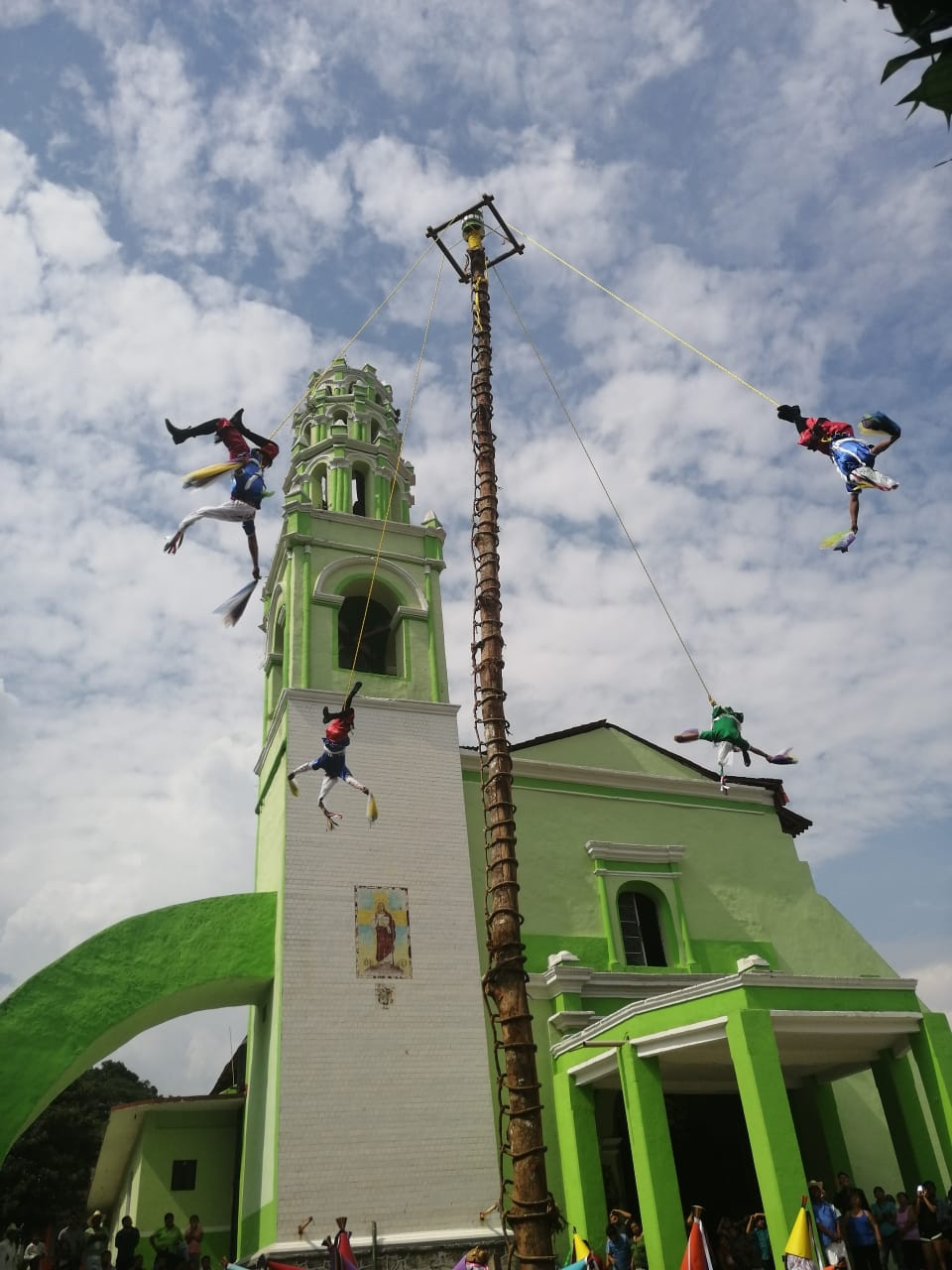
The Danza de los Voladores, or the Dance of the Flyers, is a captivating and ancient Mesoamerican ritual that has endured through generations, representing a harmonious blend of cultural, spiritual, and artistic elements. Originating from the Totonac people of central Mexico, this traditional dance has become a symbol of cultural identity and preservation.
The ritual involves a group of skilled performers, often five in number, who ascend a tall pole, sometimes reaching dizzying heights. Each dancer wears vibrant, symbolic attire that reflects the cultural and spiritual significance of the dance. The central figure, typically adorned as a bird or another symbolic representation, stands atop the pole, embodying a connection between the earthly and spiritual realms.
Once the performers are securely positioned atop the pole, the dance begins. The other four dancers, suspended by ropes tied to their ankles, gracefully descend from the platform while rotating around the pole. As they descend, the ropes unwind, allowing the dancers to spiral gracefully towards the ground. This mesmerizing movement is a symbolic representation of the cycles of life, the connection with nature, and the ancient agricultural traditions of the Totonac people.
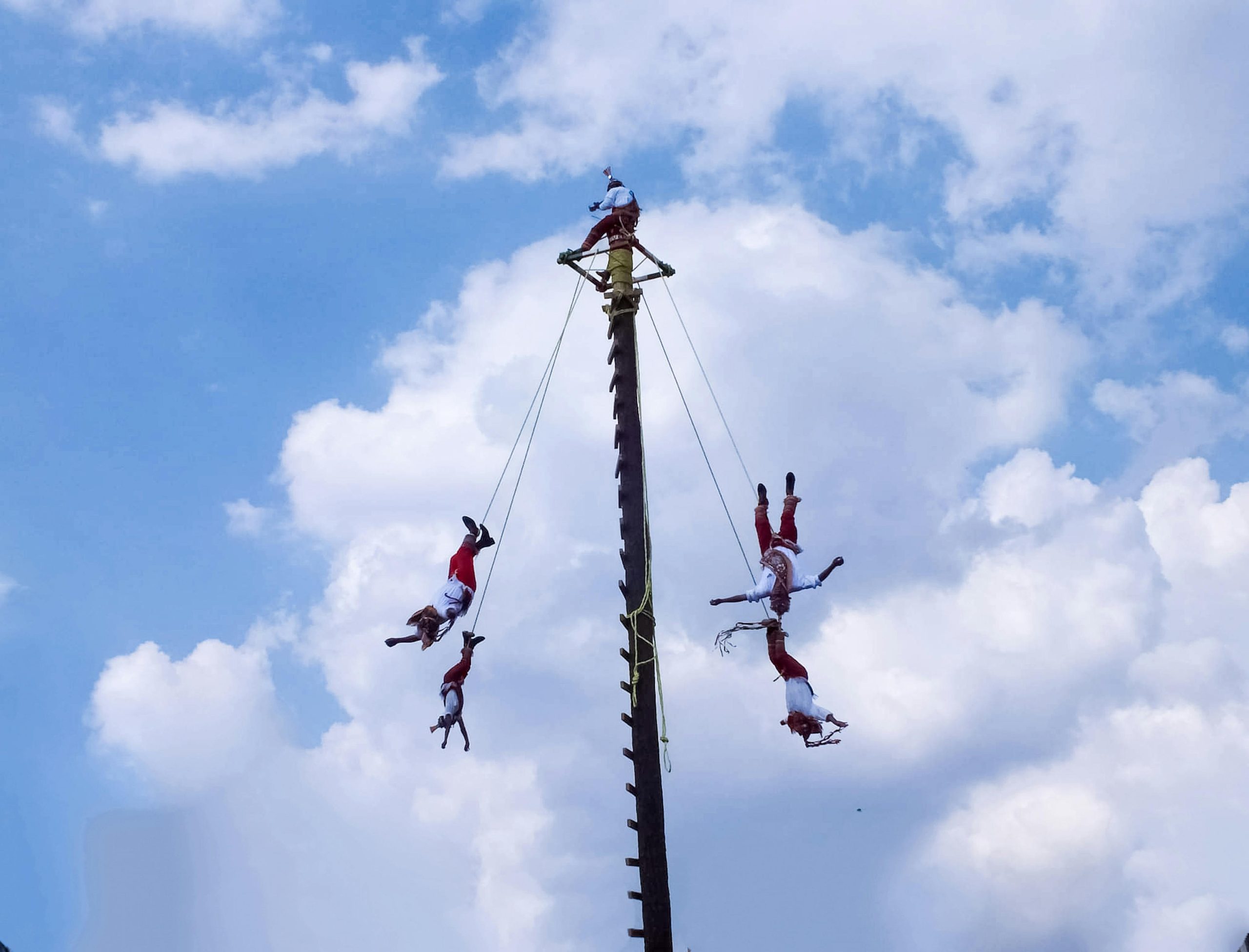
The Danza de los Voladores is often accompanied by traditional music and chants, enhancing the spiritual and cultural atmosphere. The ritual is not merely a performance but a sacred act that pays homage to the sun, the earth, and the natural elements essential for agriculture and sustenance.
This ancient tradition has not only survived the test of time but has also transcended cultural boundaries, becoming a recognized and celebrated symbol of Mexican heritage. The Danza de los Voladores serves as a poignant reminder of the deep-rooted connections between culture, spirituality, and the natural world, offering spectators a glimpse into the rich tapestry of Mexico’s indigenous traditions.
Día de Muertos

Día de Muertos, or Day of the Dead, is a vibrant and deeply meaningful Mexican tradition that celebrates the lives of departed loved ones. Taking place annually from October 31st to November 2nd, this multi-day festivity is a colorful fusion of indigenous beliefs and Catholic practices.
During Día de Muertos, families create ofrendas, or altars, adorned with marigolds, candles, incense, and photographs of the deceased. These ofrendas are carefully arranged to honor and welcome the spirits of departed relatives. Families also place the favorite foods, beverages, and cherished possessions of the departed on the altar, believing that the essence of these offerings sustains and comforts the souls as they return to the earthly realm.
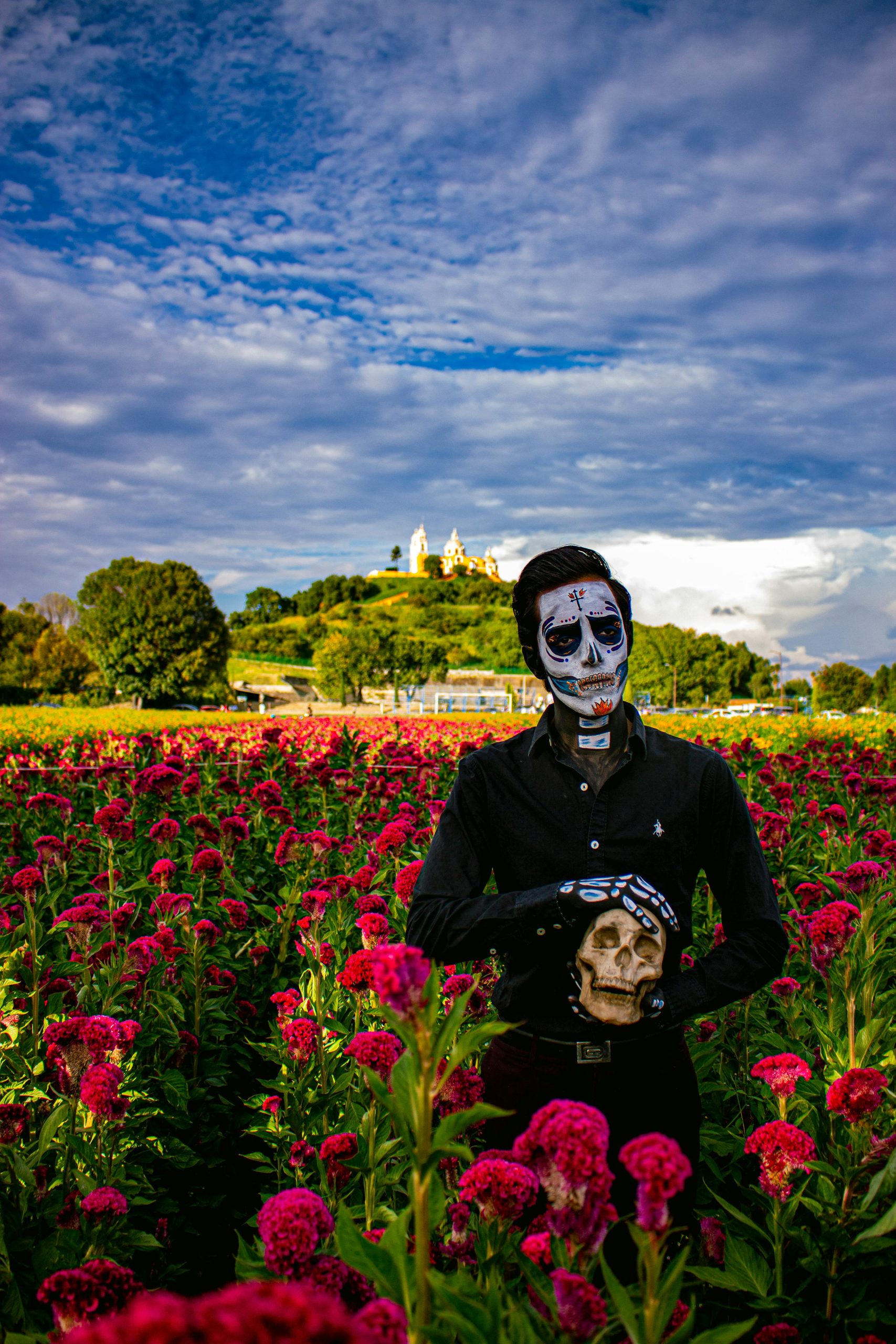
Cemeteries become vibrant hubs of activity during this period, with families gathering to clean and decorate gravesites. The air is filled with the scent of marigolds, known as cempasúchil, which are believed to guide the spirits back home. It is common for families to share stories, laughter, and even meals at the gravesites, turning the cemetery into a place of remembrance, love, and connection.
Calaveras, or sugar skulls, are iconic symbols of Día de Muertos. These intricately decorated sugar confections bear the names of the departed and serve as both offerings and artistic expressions. Families also participate in the creation of papel picado, colorful paper cutouts that adorn streets and ofrendas, adding to the festive atmosphere.
In many regions, parades and processions take place, featuring participants dressed as calacas (skeletons) and Catrinas, elegant skeletal figures. These lively events celebrate the cycle of life and death, emphasizing the joyous aspects of remembering and honoring those who have passed away.
Día de Muertos is not a mournful occasion but a joyful celebration of life’s continuity. It reflects the profound Mexican belief that death is not an end but a natural part of the human experience, and that the spirits of loved ones remain present in the hearts and memories of those left behind.
The offering has very particular elements, such as cempazuchitl flower, colored confetti, incense and the food and objects that those who are remembered liked when they lived. Skulls made of sugar are also placed with the names of the people who are still alive.
An alternative and poignant way to partake in the celebration is by spending the entire night at the gravesites of departed loved ones. In this heartfelt tradition, families gather to decorate the resting places with an array of flowers and an offering of food. The ambiance takes on a ceremonial and festive tone, with the air resonating with the strains of music.
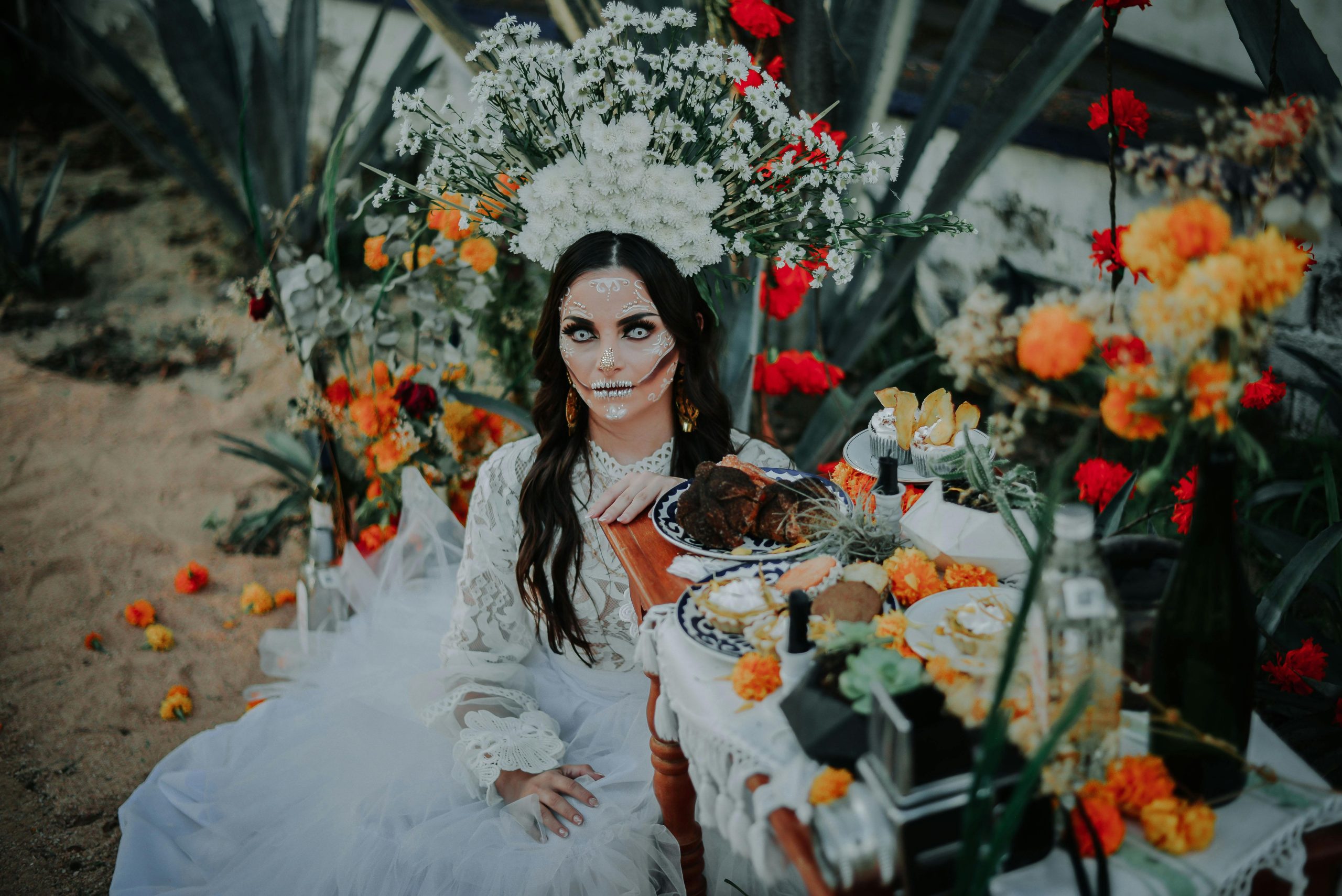
As the night unfolds, the gravesites become illuminated by candles and the vibrant hues of marigolds. The flickering flames cast a warm glow on the commemorative altars, creating an intimate and sacred space. Families engage in the tender act of adorning the graves with love and care, a tangible expression of their enduring connection to those who have departed.
The music that fills the air during this vigil adds a melodic layer to the night, serving as a comforting backdrop to the shared moments of remembrance. It becomes a soundtrack to the stories told, the laughter shared, and the collective reflection on the lives of the departed. The atmosphere, though rooted in the acknowledgment of loss, transforms into a celebration of the enduring bond between the living and the deceased.
In this nocturnal ritual, time seems to stand still as families find solace in the collective act of remembrance. It is a night where the boundaries between this world and the next blur, and the spirits of the departed are welcomed with love, reverence, and a shared sense of celebration that transcends the veil between the living and the dead.

Legend has it that during these sacred days, the spirits of the departed make a poignant return to the physical world. The path they tread is believed to be paved with petals, lovingly laid out by their kin to guide them home.
Central to this commemoration is the traditional altar, a poignant expression of reverence for the deceased. These altars become sacred spaces adorned with offerings – a heartfelt gesture to honor those who have passed. Delicacies and libations are meticulously arranged on the altar, each item chosen with care and significance.
The altar itself is a work of art, draped in a pristine white tablecloth and structured in multiple tiers. The first tier stands as a symbolic representation of grandparents and adults, while the second tier pays homage to the rest of the family. Each element on the altar holds deep meaning, weaving together a tapestry of memories and traditions.
As the festival unfolds, cemeteries transform into vibrant landscapes adorned with festive themes. The air is filled with the scent of marigolds, and the visual symphony of colors paints a lively backdrop to the solemnity of the occasion. The act of decorating cemeteries becomes a communal effort, a collective expression of love and respect for those who have journeyed beyond.
In this celebration, the veil between worlds is thin, and the living engage in a tender dance with the departed. The altars, the petals, and the festive cemeteries become bridges that connect the tangible and the spiritual, creating a space where the memories of the departed are not merely remembered but actively celebrated with reverence, love, and the enduring belief that the spirits of the deceased are, for a brief time, reunited with those they left behind.
La Catrina
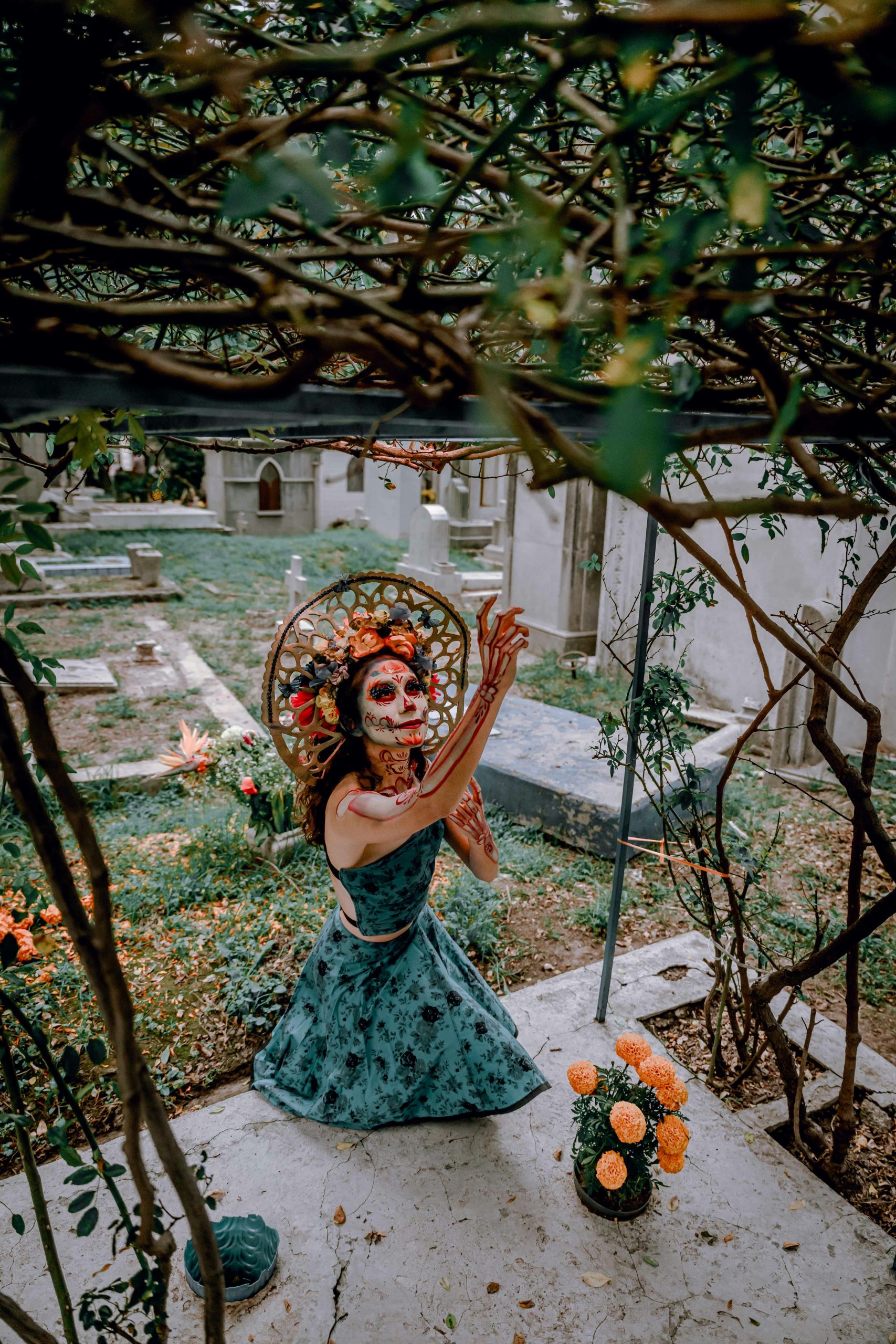
La Catrina is an iconic and elegant figure that has become synonymous with the Day of the Dead (Día de Muertos) celebration in Mexico. Created by renowned Mexican artist José Guadalupe Posada in the early 20th century, La Catrina has evolved into a symbol of both Mexican culture and the playful acceptance of death.
La Catrina, often depicted as a gracefully dressed skeleton with a wide-brimmed hat adorned with feathers, reflects a satirical commentary on social class distinctions. The name “Catrina” is derived from the word “catrín,” which refers to a well-dressed and sophisticated person. This whimsical portrayal of death serves as a reminder that, regardless of social status, everyone faces the same fate.
During the Día de Muertos celebrations, La Catrina takes center stage in various forms. Elaborate costumes and makeup transform individuals into living representations of this iconic figure. People paint their faces to mimic the skeletal features of La Catrina, often with intricate designs and vibrant colors.
La Catrina is not just a symbol of death but also a celebration of life. In parades, processions, and festivities, individuals dressed as La Catrina embody a spirit of joy and acceptance, embracing the cycle of life and death with humor and grace.
One of the most famous representations of La Catrina is the monumental papier-mâché sculpture created by Diego Rivera’s wife, Frida Kahlo, in the early 1940s. This larger-than-life Catrina is often displayed during Day of the Dead events and has become an iconic symbol of Mexican art.
In essence, La Catrina encapsulates the Mexican perspective on death – a recognition that life and death are intertwined, and that death is not to be feared but embraced as an integral part of the human experience. This whimsical and culturally significant figure adds a touch of humor, artistry, and profundity to the vibrant tapestry of Día de Muertos celebrations in Mexico.
La Catrina, a timeless female figure with a history spanning over a century, emerged from the creative genius of the Mexican cartoonist José Guadalupe Posada. Crafted in 1912, La Catrina is not merely a skeleton woman adorned with a large hat; she is the quintessential Mexican embodiment of death itself.
Originally christened as La Calavera Garbancera, this skeletal icon was conceived as a poignant critique of the prevalent classism within Mexican society. At its core, La Catrina conveys a profound message: in death, all distinctions dissolve, rendering us equal, be it in wealth or poverty.
The great lady of death, La Catrina, stands as a powerful symbol that transcends time and societal boundaries. Her creation by Posada was a satirical commentary on the social disparities of the era, but her essence has evolved into a timeless representation of the cyclical nature of life and death. Through the elegance of her attire and the haunting gaze of her skeletal visage, La Catrina serves as a reminder that mortality is the great equalizer, an inevitable force that unites us all.
As Día de Muertos celebrations unfold, La Catrina takes center stage, not only as a cultural icon but as a living embodiment of the Mexican perspective on death. Her legacy endures, both as a symbol of artistic brilliance and as a profound reflection on the shared humanity that transcends the distinctions of this world.

Epifanía
Epifanía, also known as Three Kings’ Day or Día de Reyes, is a cherished Mexican tradition deeply rooted in Catholicism and introduced during the Spanish colonial period. Celebrated on January 6th, this day commemorates the biblical journey of the Three Wise Men, or Reyes Magos, to visit the infant Jesus.

One of the prominent practices during Epifanía is the elaborate construction of nativity scenes, known as “nacimientos.” These scenes depict the birth of Jesus and often include intricate details, miniature figures, and settings that capture the essence of the Holy Land. Families take pride in creating these artistic representations, making them a focal point of their homes and communities.
A delectable culinary tradition associated with Epifanía is the consumption of Rosca de Reyes, a sweet bread adorned with colorful candied fruits. This circular bread, often shaped to symbolize a crown, conceals small figurines representing the baby Jesus. As families and friends gather to share the Rosca, the anticipation of discovering the hidden figurine adds an element of joy and surprise to the celebration.
Sending letters to the Reyes Magos, or Three Wise Men, is a cherished practice among children during Epifanía. Much like writing letters to Santa Claus, children express their wishes, hopes, and gratitude in these missives. It is a heartwarming tradition that underscores the spirit of generosity and magic associated with the arrival of the Reyes Magos.
En el corazón de la Ciudad de México, más de 40 mil personas disfrutamos del Día de Reyes, con rosca, piñatas, una película y libros. #GobiernoConAcentoSocial pic.twitter.com/Eb2tP5HDQT
— Martí Batres (@martibatres) January 7, 2024
On the eve of Epifanía, many communities organize vibrant parades and processions featuring individuals dressed as the Three Wise Men. These events add a festive touch to the celebration, with participants distributing candies and small gifts to children along the parade route.
Epifanía not only holds religious significance but also serves as a joyous occasion that brings families, friends, and communities together. The combination of religious rituals, culinary delights, and festive customs creates a vibrant tapestry that reflects the cultural richness and communal spirit of this beloved Mexican tradition.
Of the customs and traditions in Mexico, this is one of the favorites of the children, because that same day at night, the Reyes Magos leave toys for the children who wrote them a letter and placed it in a shoe. Children believe that the Magi pick up the letters and leave the toys for them next to their shoes.
Aniversario del Día de la Independencia
Día de la Independencia, celebrated on September 16th, is a vibrant and patriotic occasion in Mexico that commemorates the country’s independence from Spanish rule. This historic event, led by Miguel Hidalgo in 1810, marks the beginning of Mexico’s quest for freedom and sovereignty.
The celebration kicks off on the evening of September 15th with the iconic El Grito de Dolores, or the Cry of Dolores. It is a reenactment of Miguel Hidalgo’s call to arms against Spanish oppression. The President of Mexico, along with civic leaders and citizens, gathers in the main square of cities and towns to reenact this historic cry, shouting “¡Viva México!” (Long live Mexico) amidst cheers and fireworks. The atmosphere is electric, filled with patriotic fervor, as the nation unites in remembrance and celebration.
Throughout the country, Mexican flags, banners, and decorations in the colors of the national flag—green, white, and red—adorn streets, buildings, and public spaces. Families and communities come together for festive events, including parades, concerts, and traditional dances. Mariachi music and folkloric performances add a lively and cultural touch to the celebrations.

Traditional Mexican cuisine plays a central role in the festivities, with people enjoying special dishes such as pozole, tamales, and chiles en nogada. Street vendors offer a variety of snacks, and many families gather for feasts that often include traditional Mexican foods and desserts.
In schools, workplaces, and public spaces, people participate in activities that showcase Mexican history and culture. Exhibits, educational programs, and art installations contribute to a deeper understanding of the significance of Independence Day.
Fireworks light up the night sky across Mexico, creating a spectacular display that symbolizes the triumph of freedom. Families and friends come together to enjoy the dazzling show, further enhancing the festive and joyous atmosphere.
Día de la Independencia is not only a historical commemoration but also a celebration of Mexican identity, unity, and resilience. It brings people together to honor the heroes of the past, express national pride, and appreciate the cultural richness that defines Mexico.
Independence Day is celebrated on September 16 in every corner of Mexico. It begins on the night of the 15th, when people congregate in the main squares and zócalos of each city or town. The celebration culminates when the president and members of the local government simulate the famous Grito de Independencia, ring a bell and wave the national flag, recreating the start of the rebellion that led to independence by Don Miguel Hidalgo.
To celebrate, all cities are highly decorated. Food stalls are established around the squares offering traditional dishes representative of Mexican cuisine, such as chiles en nogada and mole poblano. The party culminates when the attendees shout with pride: “Long live Mexico!” The festivity full of color, typical food, mezcal and mariachi music all the squares of the Mexican Republic. On September 16 there is a military parade and a roll call of the armed forces.
Las Posadas
Las Posadas is a cherished Mexican Christmas tradition that reenacts the biblical journey of Mary and Joseph seeking shelter in Bethlehem. This festive and heartwarming celebration takes place during the nine nights leading up to Christmas Eve, from December 16th to December 24th.
The term “posadas” translates to “inn” or “shelter” in English, and the tradition involves a procession where participants, often community members or neighbors, go from house to house, symbolizing the search for lodging. The central figures in the procession are individuals dressed as Mary and Joseph, accompanied by others representing angels and shepherds.
As the procession moves from one house to another, they carry lit candles and sing traditional Christmas carols, known as “villancicos” or “posadas.” At each home, they request shelter by singing verses asking for a place for Mary to give birth to the baby Jesus. The hosts inside the house respond with a song, symbolizing the rejection Mary and Joseph faced in Bethlehem. This call-and-response dynamic continues until the final home, where the hosts open their doors to welcome the procession.
Once the participants are granted shelter, the celebration inside the house begins. Traditional Mexican treats, such as tamales, buñuelos, and atole, are served to the guests. A piñata shaped like a star, symbolizing the Star of Bethlehem, is often a highlight of the festivities. Children take turns trying to break the piñata, symbolizing the triumph of light over darkness.
Las Posadas is not only a religious tradition but also a cultural celebration that fosters community bonds. It embodies the spirit of generosity, hospitality, and the joy of coming together to celebrate the Christmas season. The reenactment of Mary and Joseph’s journey serves as a reminder of the importance of compassion and kindness during the holiday season.
It is one of the most beloved traditions in Mexico. It is celebrated from December 16 of each year until December 24. Like many other traditions, this one also has a religious origin. Here is a recreation of the journey that the Virgin Mary and Saint Joseph made in search of refuge in the days before the birth of the Child Jesus. On those dates there are processions in which candles are lit and Christmas songs are sung.
The procession ends at the home of one of the participants (chosen in advance), in which they have a small party with music and dance. Each night a different house is chosen.
Año Nuevo
New Year’s Eve, or “Nochevieja” in Mexico, is a joyous occasion marked by various traditions and rituals that symbolize hope, renewal, and good fortune. Mexicans celebrate the arrival of Año Nuevo with a mix of cultural and personal customs. Here are some common traditions observed on New Year’s Eve in Mexico:
Family Gatherings: New Year’s Eve is often celebrated with family and close friends. Families come together to share a festive meal, exchange good wishes, and enjoy each other’s company as they bid farewell to the old year.
Countdown and Toasts: As midnight approaches, people gather around to count down the seconds until the new year. At the stroke of midnight, there are cheers, hugs, and kisses. It is customary to make a wish for the upcoming year and exchange heartfelt toasts with loved ones.
Eating 12 Grapes: A popular tradition involves eating 12 grapes at the stroke of midnight, each grape symbolizing a month of good luck for the coming year. People make a wish with each grape, and the sweetness of the grapes is believed to bring sweetness and prosperity.
Wearing Colored Underwear: Many Mexicans follow the tradition of wearing colored underwear to attract specific energies for the new year. Red underwear is thought to bring love, yellow for wealth, and white for peace and harmony.
Sweeping Out the Old Year: Some people engage in a symbolic act of sweeping out the old year by sweeping their homes at midnight. This ritual is believed to clear away negative energy and make room for positive experiences in the new year.
Carrying Empty Suitcases: Walking around the block with an empty suitcase is another common ritual. It is believed that doing so will bring travel opportunities and adventures in the coming year.
Fireworks and Firecrackers: Mexicans love to celebrate with fireworks and firecrackers. The night sky is illuminated with colorful displays, symbolizing a festive and vibrant start to the new year.
Burning Effigies: In some regions, people create effigies or “Año Viejo” (Old Year) dolls representing the past year’s negative experiences. At midnight, these effigies are set ablaze to symbolize leaving behind the old and welcoming the new.
Attending Mass: Many Mexicans attend a special New Year’s Eve Mass to seek blessings and express gratitude for the year that has passed while welcoming the opportunities of the coming year.
Overall, New Year’s Eve in Mexico is a time of celebration, reflection, and optimism, where age-old traditions blend seamlessly with personal rituals to create a festive atmosphere filled with hope and joy.
It is celebrated on the night of December 31 of each year. On this date it is customary to get together as a family to say goodbye to the old year and receive the new.
There are many traditions that Mexicans follow during this night, which have to do with abundance, renewal, wishes fulfilled, among others. Among these traditions are:
-
- Standing on a chair, with the aim of achieving success in the workplace.
- Walking around the block with personal bags to take trips in the year to come.
- Using different colored underwear according to one’s wishes. For a year full of passion, red; for health, green; for abundance and prosperity, yellow, for true love, pink.
- Sweeping from the inside to the outside of a house, according to custom, bad energies are removed.
- Throwing salt on the floor hours before midnight, so that bad energies are absorbed.
- Eating 12 grapes, one for each end of the year chime. Each grape represents a wish.
******
To learn more about Mexican culture and traditions visit, Secretaria de la Cultura, and the Secretaria de Turismo, Gobierno de Mexico.
 Soledad Quartucci | Latina Republic
Dr. Soledad Quartucci is the founder and CEO of Latina Republic, a 501(C)3 California-based nonprofit organization. Latina Republic is a reporting, research, advocacy and charitable organization advancing human rights in the Americas. We fill the void in coverage of urgent social, political, human rights, economic and gender inequalities affecting the Americas. Through our allies in Latin America, we highlight contributions, heritage, history, leadership and innovation. Latina Republic reports on stories that integrate local strategies to the betterment of the region. We make space for and empower unheard voices and celebrate the rich histories of Latin America.