
Kallari, the creation of Kichwa women with a penchant for chocolate, has been benefiting amazon communities for 26 years. Originating from a group of determined Kichwa women, the association known as Kallari now extends its benefits to 2,500 individuals from 890 families in Napo. Nayeli Andi, one of its proud members, handles customer service and sales at one of Kallari’s marketing points in Tena, Napo province, reports Rocio Echeverria for Primicias.
For Nayeli, Kallari symbolizes a gateway to countless opportunities for her family. Her parents are among the 890 producers directly involved with Kallari, a name that translates to “beginning” in Kichwa, reflecting the genesis of numerous possibilities for its members.
The genesis of Kallari stems from the aspirations of Amazonian Kichwa women in Ecuador, who sought to contribute to their households without compromising their domestic duties. Faced with this challenge, they turned to agriculture, leveraging their farm activities to explore cocoa and coffee cultivation.
???????????
?Recibimos la visita de @quiquesempere , experto en cocina jueces del reality de cocina @MasterChefEcuador , Visitando el hogar de Lupita Grefa productora de Kallari, en la comunidad de 5 de enero, parroquia Talag, cantón Tena en la provincia de Napo. pic.twitter.com/IyqAlxC2QQ— @kallari_chocolate (@Kallari_ec) April 24, 2023
Opting for a cooperative approach, they vowed to maintain chemical-free farming practices. In 1997, their journey began with the support of foreign volunteers and the Jatun Sacha Foundation. Two years later, their entrepreneurial spirit bore fruit as their fine aroma cocoa gained recognition.
By 2000, with additional support from a Canadian foundation and Jatun Sacha, the Kichwa women further enhanced cocoa quality and scaled up production while adhering to sustainable farming practices. Their dedication paid off when they made their maiden export of 12 tons in 2006.
We continue touring the communities associated with the purchase of cocoa through different established routes. Advancing with the social, environmental, economic development of the communities and producers, guaranteeing to provide quality products to our clients and the world. pic.twitter.com/DOgOOuk6cB
— @kallari_chocolate (@Kallari_ec) April 20, 2023
Presently, a significant portion of their output, 80%, finds its way to Germany and Switzerland annually. The remaining 20% is channeled into processing their branded products and supplying local companies. This collaborative effort has earned them seven certifications, underscoring their commitment to quality and sustainability.
Critical to their success is the equitable compensation they offer producers, directly benefiting 21 communities in the Napo province. By paying above-market rates, they incentivize and empower local producers. This commitment to fair trade extends to strategic partnerships with local allies like the Magical Chocolate Factory of the Monteselva Group. Here, additional premiums are paid for every quintal of cocoa, reinforcing the economic viability of sustainable farming practices.
Gira de intercambio de conocimiento a la empresa #vainuz, la gira forma parte de las actividades del proyecto denominado “Fortalecimiento de la cadena de valor de la vainilla producida bajo el sistema ancestral chakra. #GIZ #Kallari #Biovalor #vainilla #produccion #vainilla pic.twitter.com/iw12nnnV6j
— @kallari_chocolate (@Kallari_ec) March 21, 2023
Beyond economic empowerment, Kallari invests in leadership workshops for women, imparting ancestral knowledge and tools for sustainable livelihoods. Nayeli’s story exemplifies the transformative impact of Kallari, enabling her family’s educational pursuits and ensuring their financial stability.
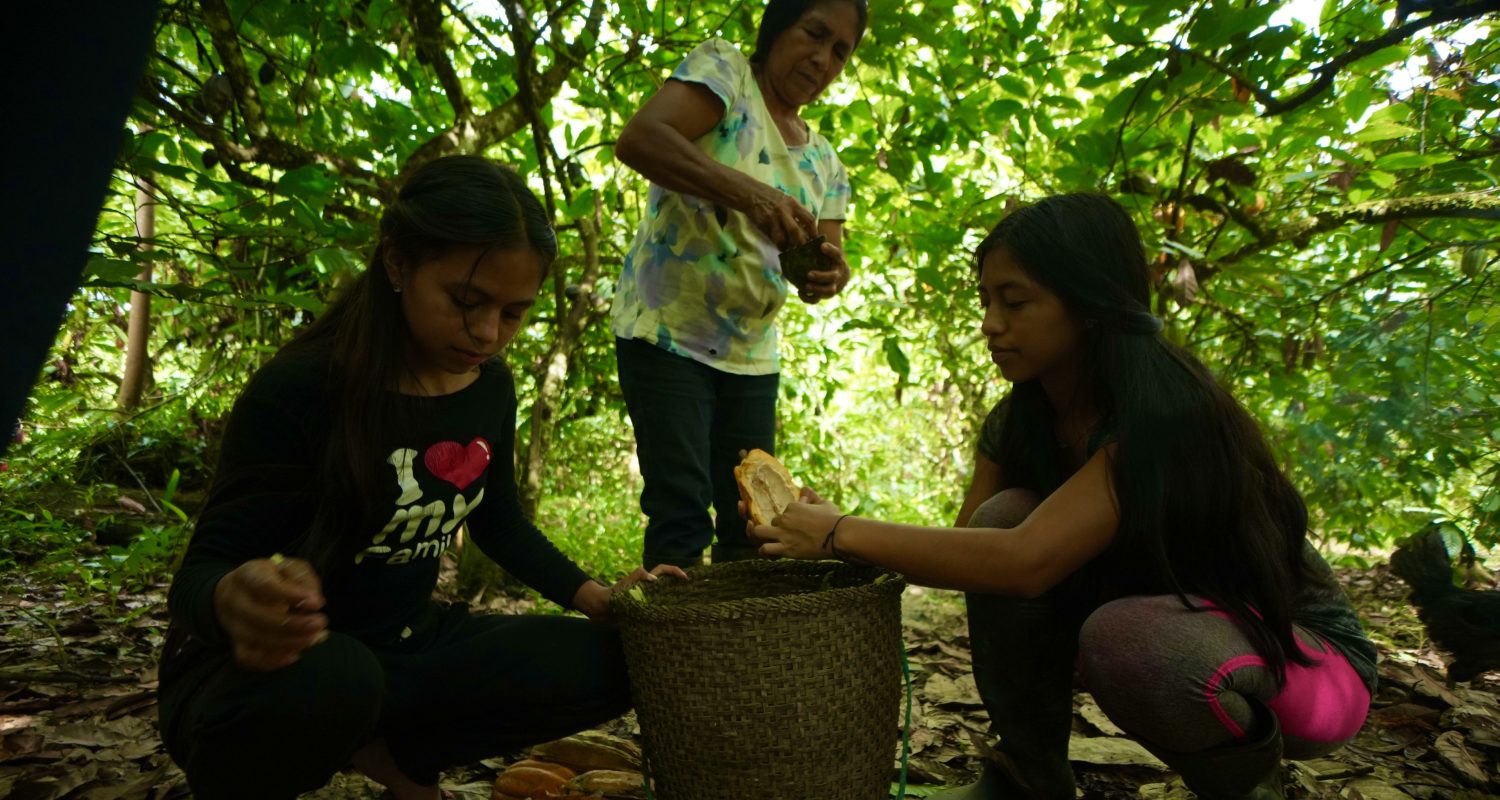
???The cocoa harvest season begins, Kichwa families gather with their children to collect cocoa inside their chakras. ????#cacao #cacaonacional #cacaofinodearoma
#cacaonacionalecuatoriano #kallarichocolate #kichwas #warmis #chakraamazonica
??Tena-Napo-Ecuador ?? pic.twitter.com/xgd5U5bmGn— @kallari_chocolate (@Kallari_ec) February 28, 2023
At the Magical Chocolate Factory, visitors are reminded of the origin of their indulgence – Napo’s organic cocoa farms. Through 70 unique flavors, the factory showcases the diversity and richness of Ecuadorian cocoa, embodying the magic of Kallari’s mission to uplift Kichwa families in Napo.
To learn more visit:
Learn More about Kallari on Youtube
Kallari, el emprendimiento de mujeres Kichwa con sabor a chocolate
 Soledad Quartucci | CEO/Founder, Latina Republic
Latina Republic is dedicated to promoting regional understanding through compelling narratives, articles, interviews, and reports that emanate from the heart of the Americas. Our foremost goal is to facilitate constructive dialogue by illuminating local viewpoints frequently overshadowed by mainstream media. Our mission is to equip all stakeholders with essential insights for addressing regional issues, thus empowering them in their efforts. We are committed to portraying the victories and hardships of everyday life in Latin America, while also chronicling the progression of social movements and amplifying the voices of those at the forefront of change.

