
Murals Dedicated to Tela’s 500th Anniversary
Tela, the resplendent little port town resting peacefully in its own glorious Caribbean bay on the north coast of Honduras, has been celebrating its 500 year anniversary over the last couple of weeks.
Tela was reportedly one of the first towns founded by the Spanish explorers in Honduras. The city was founded on May 3rd, 1524, by the Spanish commander Cristóbal de Olid, under the name of Triunfo De La Cruz or “Triumph Of The Cross.” For the inhabitants of the city the name was far too broad, thus the town was abbreviated as Tela; the city became known simply as Tela.

The name Triunfo de la Cruz was retained by a small promontory in the bay, continuous with the current city of Tela. Other versions of the city’s name indicate that it comes from a contraction of ‘Tetela,’ which in indigenous language means, “rough land of mountains.”
The city was originally founded in the vicinity of an indigenous town called Tehuacán, which had a very good source of pure water, food and medicinal plants, and was controlled by the chief Cucumba, who convinced the Spanish that it was a good place for settlement. Several months after it was founded, the municipality was dissolved and became part of the jurisdiction of the Town of Trujillo.
At the end of the 16th century, the Bay of Tela was frequented by buccaneers who prowled the Caribbean Sea, looking for a way to raid the Spanish schooners that carried fortunes in metals and precious stones, coming from Trujillo, Puerto Cortés, Havana and other ports of the Caribbean. In 1825, the year in which the first territorial political division was made, Tela was made part of the Department of Yoro.
In 1876 they gave it the status of Municipality. With the creation of the department of Cortés, on June 4th, 1893, Tela became a part of Cortés. Afterwards, on July 17th, 1894, it passed hands again to the department of Yoro; yet in 1902, it finally became part of the department of Atlántida. The port of Tela reached the classification of being a ‘city’ in March 1927.
Between the years 1860 and 1900 the local economy was based on the cultivation and production of bananas in Honduras. By 1912, the government began to give concessions to nationals and foreigners who wanted to promote the local economy, thus beginning the great era of banana companies in the country.
During this time, the small town enjoyed a period of great splendor, when the transnational Tela Railroad Company, had its main offices there. Tela was established as a municipality on June 2nd, 1876, under the government of the constitutional president of the republic, Doctor Marco Aurelio Soto.

Starting in 1912, the United Fruit Company (UFCO) generated 80 percent of the area’s jobs. In 1930 with the transfer of the UFCO to the Sula Valley, Tela found itself in serious unemployment problems.
In 1976, this company returned the lands it occupied to the municipality of Tela. The banana potentate greatly influenced state decisions until creating a parallel form of government that lasted during several decades in the last century. After the demise of the Tela Railroad Company, the small town fell into a slumber from which it has begun to awaken in recent times.

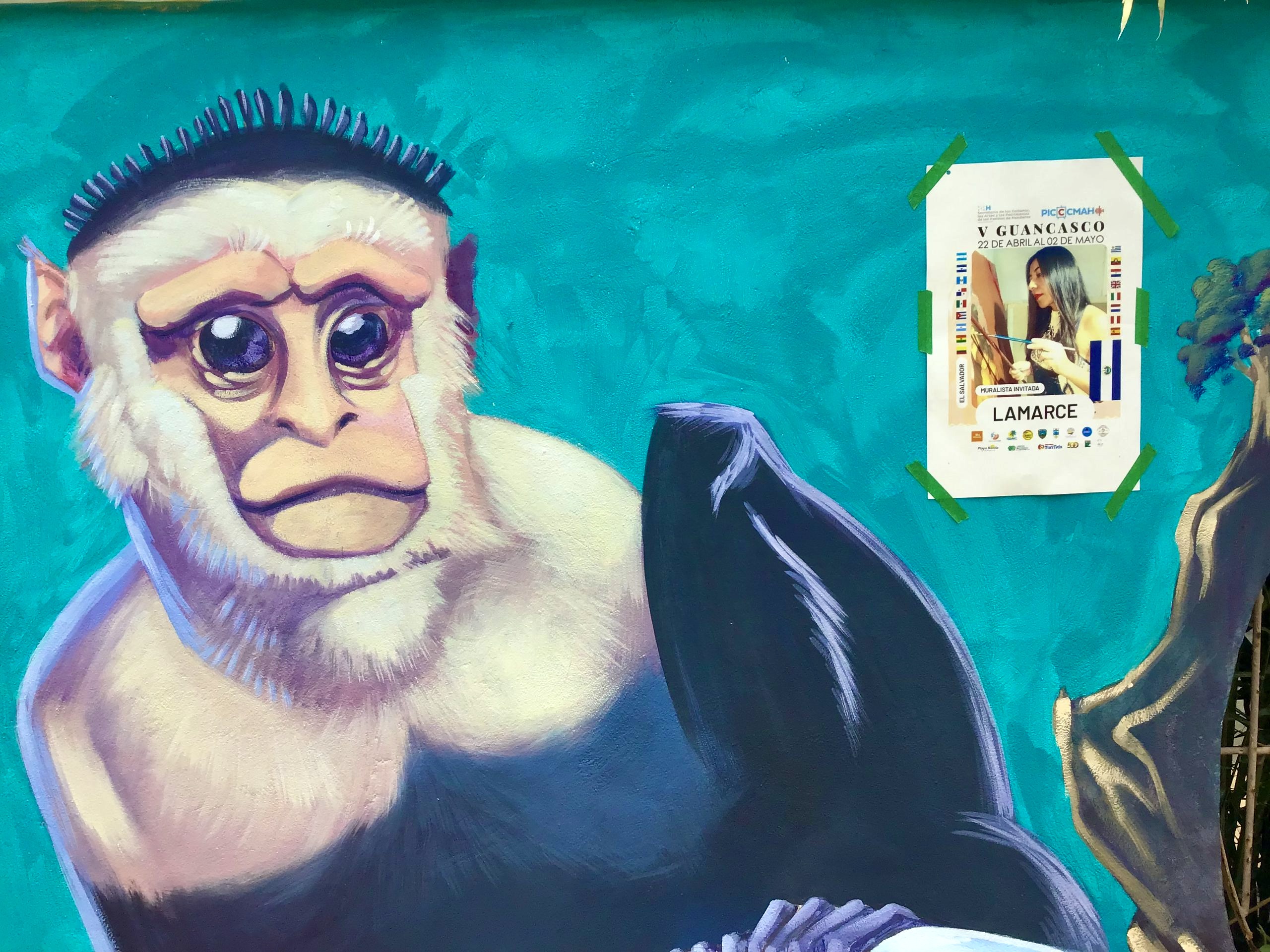
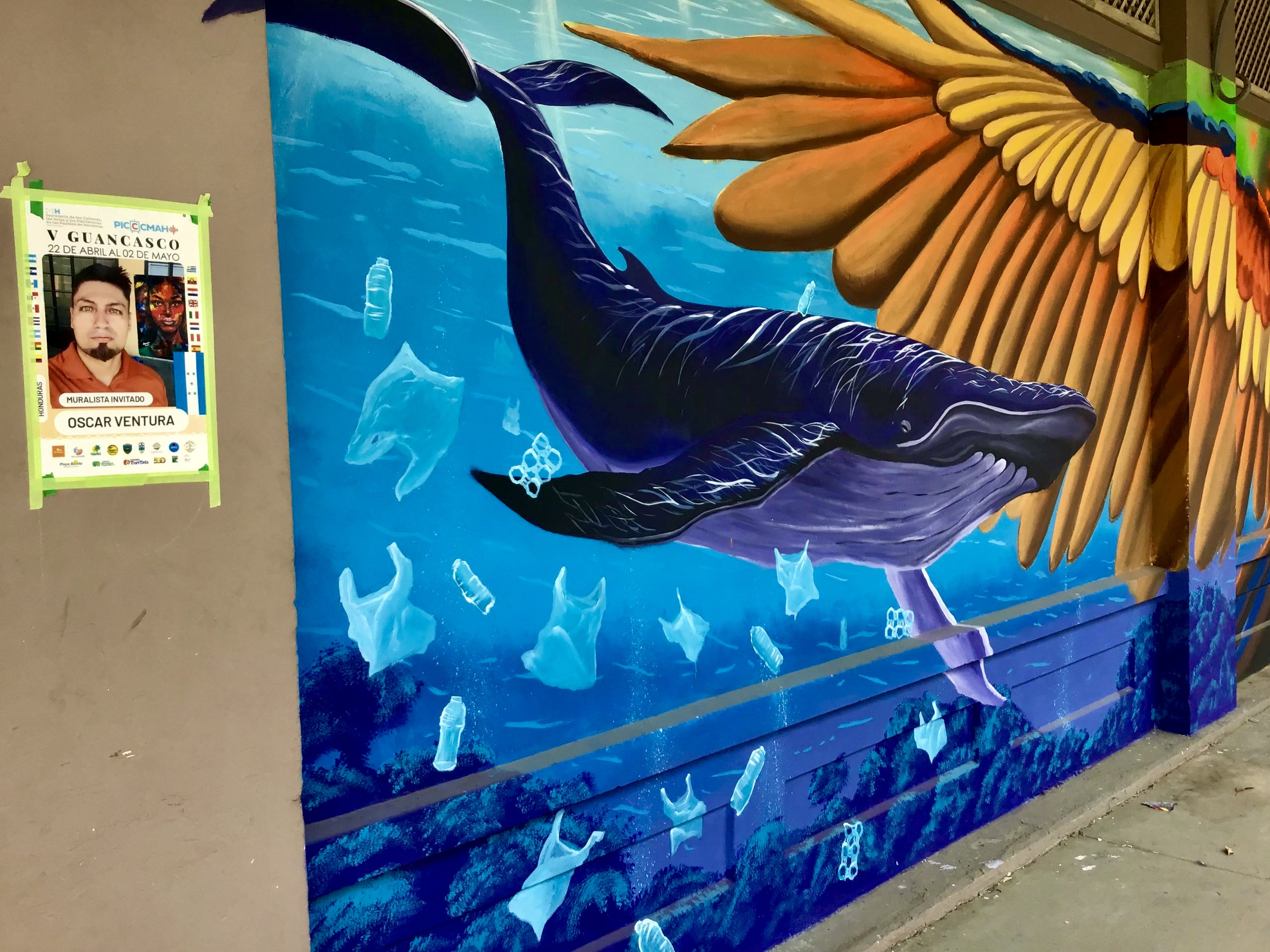
To commemorate the town’s impressive 500 year anniversary, the local municipality commissioned a group of Central American artists to paint some rather excellent murals around the town. They have added a wonderful touch to the buildings and walls upon which they have been created.
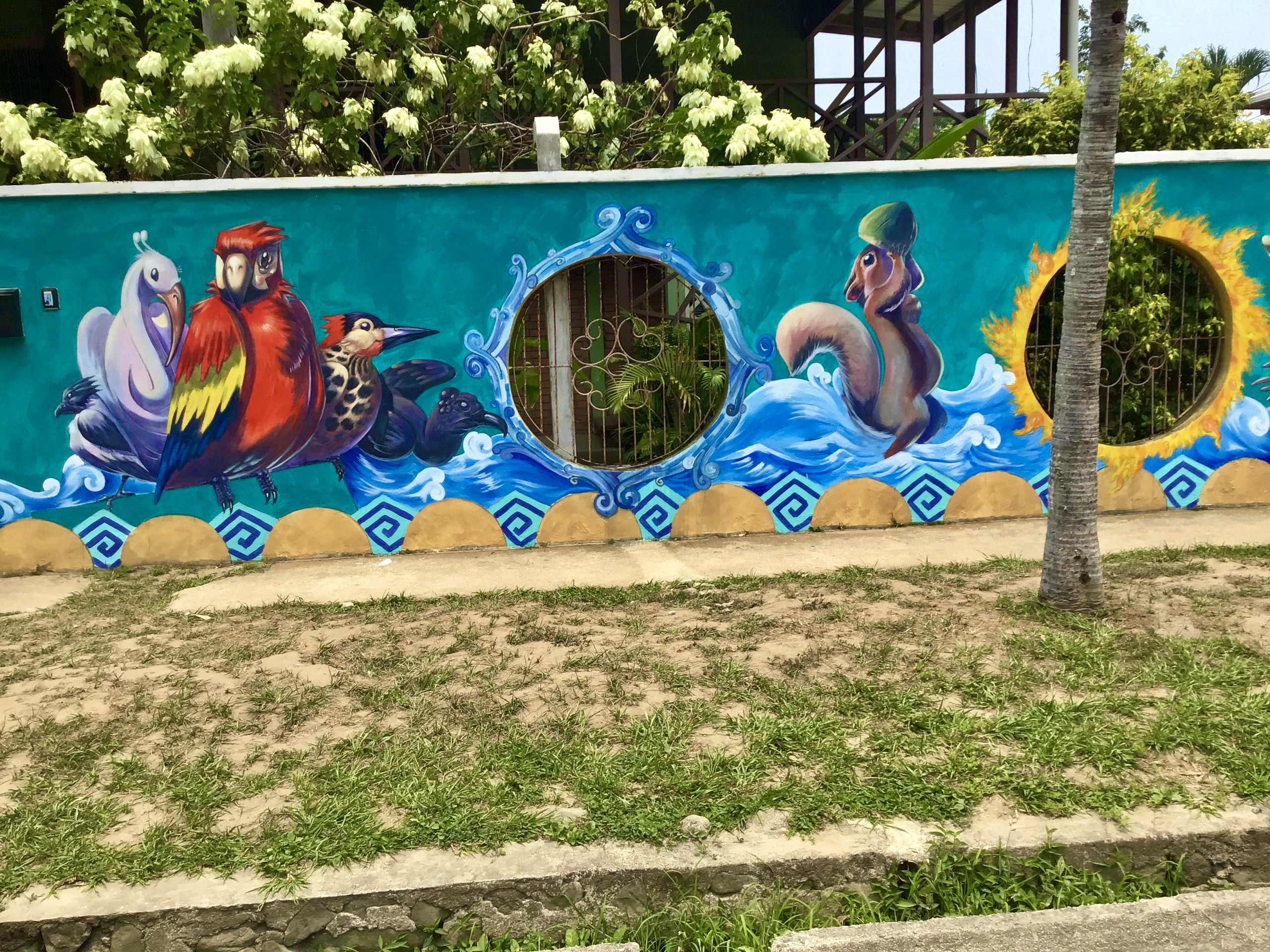
The best aspect of the initiative is that these murals provide an opportunity for the region’s artists to express themselves and showcase their talents. Unfortunately, investment in and support for the arts are often minimal and limited, making such opportunities rare for many artists.
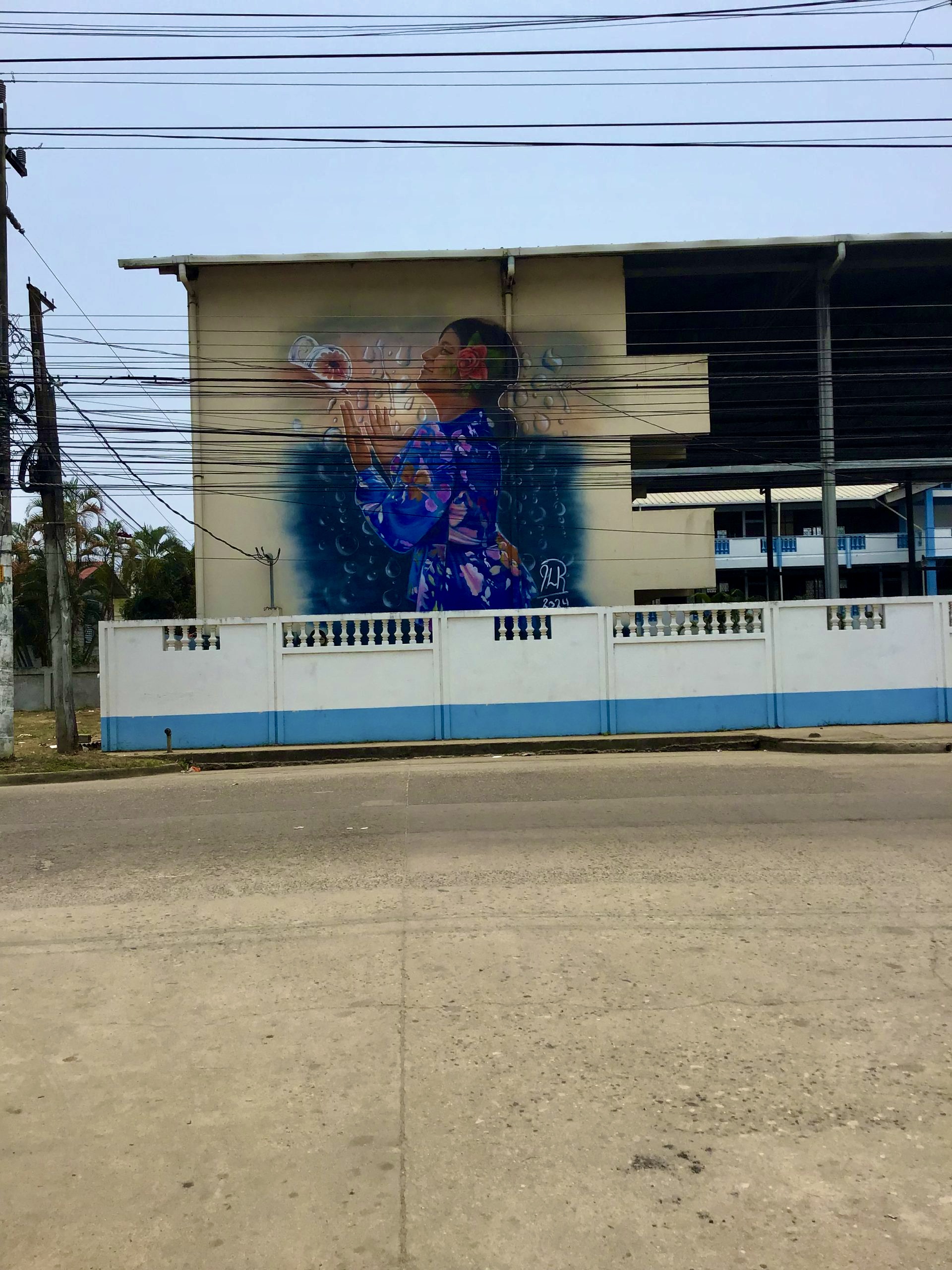
The murals, as the reader can see, contain bright and colorful images of traditional scenes of the north coast – its wildlife, heritage and culture.
 Ben Anson | Journalist, Honduras
Ben is a freelance writer, journalist and translator whose career has taken place primarily within the Hispanic and Latin American realm despite his headstart at the age of seventeen when he was first published with an outdoor wilderness survival magazine for – given his rural setting at the time (in Southeast England), he began his writing career by covering such topics. Bilingual in English and Spanish, he has enjoyed gainful positions of employment with some of the largest online English language titles in Latin America and the Caribbean such as the once regionally renowned newspaper ‘Caribbean News Now’ where he operated as an associate editor based in Central America, often participating in international assignments from as far as wide as the US Virgin Islands to Taiwan. His endeavors attracted the attention of other regional titles such as ‘The Havana Times,’ ‘The Santiago Times’ and ‘The Latin American Post,’ whereupon he was employed as a professional translator, contributing writer and managing editor. He still assists certain publications on a voluntary basis, whilst maintaining his sights on personal goals within the mentioned arenas. Ben has appeared on Central American television and radio for his exploits.