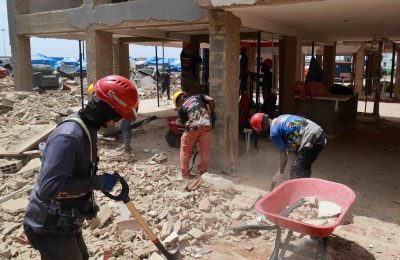
Four days after the devastating magnitude 7.2 and 7.5 earthquakes that struck Venezuela on June 24, rescue operations remain underway as authorities continue searching for survivors, expanding humanitarian assistance, and coordinating international relief efforts. However, as the critical 72-hour rescue window closes, frustration is growing among many residents who say emergency assistance has not reached all affected areas quickly enough.
The hardest-hit regions remain La Guaira, Caracas, Miranda, Aragua, Carabobo, Lara, and Yaracuy, where extensive structural damage has left thousands displaced.
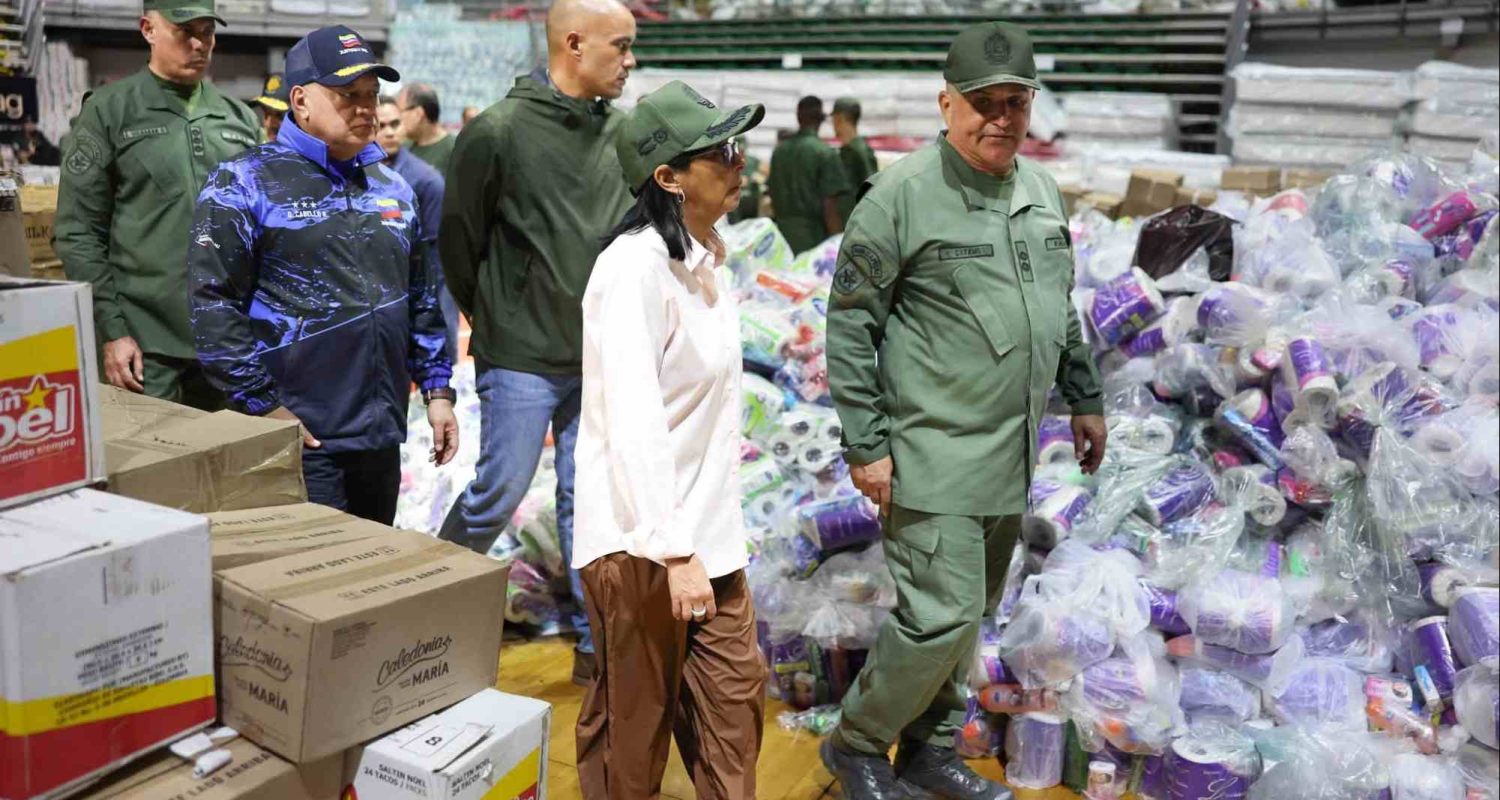
According to the latest official figures released Sunday afternoon, 1,450 people have died, 3,150 have been injured, and 12,721 have been displaced. More than 12,000 people have received medical attention, including over 500 patients transferred to hospitals in Caracas. Authorities also report that nearly 74,000 families have received assistance, with more than 7.2 million kilograms of food distributed, 20,000 food packages delivered, and over 222,000 hot meals served.
Search-and-rescue efforts continue with more than 25,000 Venezuelan emergency personnel, supported by a growing international response. Officials say 2,624 foreign rescue specialists, 137 search-and-rescue dogs, 49 support vehicles, and 84.4 metric tons of equipment, medicines, and medical supplies have arrived from partner countries. Foreign Minister Iván Gil welcomed new rescue contingents from Costa Rica and Vietnam, including an 82-member Vietnamese rescue team and additional humanitarian supplies.
Acting President Delcy Rodríguez announced that rescue teams have so far located 33 survivors alive beneath collapsed structures. At the same time, disaster experts warn that the chances of finding additional survivors decline significantly after the first 72 hours following a major earthquake, although rescue personnel note that partially collapsed buildings can sometimes contain survivable voids where victims may remain alive.
Official figures show that 7,876 volunteers have now registered at Caracas’ Poliedro arena to support relief operations in La Guaira. Authorities said volunteers are being screened, issued official travel permits, and assigned according to their qualifications. Teams are being deployed in three primary areas: medical assistance, search-and-rescue operations, and support services at temporary shelters, with transportation coordinated by state security forces.
Muchas veces nos dijeron que no había señales de vida, pero la madre de Lucas ha mantenido la fe, y nosotros también.
Durante varios días hemos estado trabajando con menos de un 0.01 % de probabilidades.
Pero vamos a seguir. Para Dios no hay nada imposible. pic.twitter.com/fqCzYvaS7t
— Nayib Bukele (@nayibbukele) June 28, 2026
The government has also expanded public assistance measures. A patient locator website has been launched to help families identify hospitalized relatives, while the 0800-RESCATE hotline and the VenApp platform are receiving reports of missing persons and requests for emergency assistance. A separate psychological support hotline, 0800-AYUDA-01, has been activated to provide counseling for people experiencing grief, anxiety, and post-traumatic stress following the disaster.
Authorities additionally opened emergency reporting channels for potential damage to natural gas infrastructure. Residents are being urged to immediately report gas odors, hissing pipes, or suspected leaks through the PDVSA Gas emergency hotline or VenApp. Officials also advised the public to keep evacuation routes clear and to avoid re-entering damaged buildings until they have been inspected by firefighters or Civil Protection teams.
Meanwhile, transportation and communications are gradually being restored. The Caracas, Valencia, and Maracaibo metro systems, along with the national railway, have resumed operations, while Movistar has activated satellite-based SMS connectivity using Starlink Mobile technology to restore communications in La Guaira, where telecommunications infrastructure suffered extensive damage.
Alongside official updates, independent media reports describe increasingly difficult conditions in some of the hardest-hit communities. Journalists from BBC News and Venezuelan outlet El Nacional reported families waiting beside collapsed buildings for heavy machinery and specialized rescue teams, with some residents attempting to recover victims by hand despite the dangers. In several neighborhoods, residents expressed frustration over what they described as slow rescue efforts, delays in structural inspections, and limited official organization at temporary shelters.
Many displaced families are now spending nights in parks, plazas, museums, and other open spaces throughout Caracas, fearing aftershocks and waiting for engineers to determine whether their homes remain structurally safe. Interviews with residents describe widespread uncertainty about housing, concerns over the coming rainy season, and requests for more organized shelter management, sanitation facilities, and official assessments of damaged buildings.
Después de 86 horas de estar atrapada bajo los escombros, y luego de 11 horas de intenso trabajo, hemos logrado rescatar con vida a Belkys Josefina Barreto García, de 60 años, quien permaneció bajo los escombros del edificio Breogan, en Caraballeda.
Este logro fue posible… pic.twitter.com/OKt5dAKgmr
— Nayib Bukele (@nayibbukele) June 28, 2026
Despite these challenges, both official agencies and independent reporting highlight a remarkable outpouring of public solidarity. Volunteers continue arriving with food, water, clothing, hygiene supplies, and other essentials, while affected communities have organized informal support networks to assist displaced families and supplement ongoing humanitarian operations.
View this post on Instagram
Emergency assistance remains concentrated at major relief centers across Caracas and La Guaira, where authorities continue providing legal guidance, psychosocial services, child protection, and humanitarian aid. Rescue operations remain the government’s stated top priority as recovery planning and infrastructure assessments continue alongside the ongoing search for survivors.
 Latina Republic is a 501(c)(3) nonprofit organization that tracks government initiatives across Latin America and the Caribbean. We feature official updates on immigration, the economy, social welfare, environmental policy, and cultural stories, filling critical information gaps to highlight the region’s diversity, resilience, and wealth of lived experiences.