

“Para que sepas lo que te espera si no estudias una carrera universitaria.” – Luis Guerrero
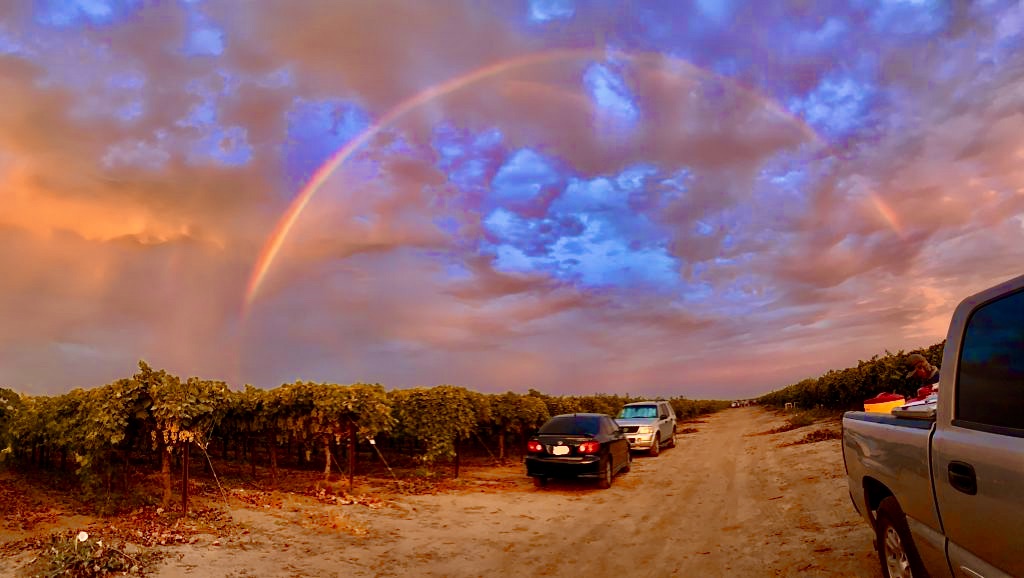
I was born and raised in the Central Valley my entire life, so I grew up surrounded by the farm working community. My parents, grandparents, siblings, aunts, uncles, cousins, friends, and myself have had some sort of experience working in the fields. Don’t get me wrong, not everyone has, but a good majority of us have.
My work experience began in late June-early July of 2016. I will never forget how angry I felt when my dad told me that I was going to spend my summer working, specifically, in the fields. I did not want to experience the heat for eight hours straight during the day. I felt a lot of mixed, negative emotions that early summer.
I did not understand why my dad wanted me to work. His reasoning was, “experiencing this will teach you where you will be have to work if you do not continue with your education.” But I knew that already. I knew I had to achieve a higher education and get a job that is easier on my body. In all honesty, I knew that already back then. Even with the anger and frustration that I felt at first, I am thankful I was pushed to work in the fields.
My schedule was different my first two summers of working in the fields since I was a stamper. I would wake up around 4:00 a.m. to the smell of my lonche. I have always been fortunate to have a mother who makes my lunch. I would quickly get ready and wait downstairs for my grandma to pick me up. While I would wait for her, I would put away my lunch and snacks, pens, notebook, and stamp in my backpack and then my water bottles and juices in my cooler.
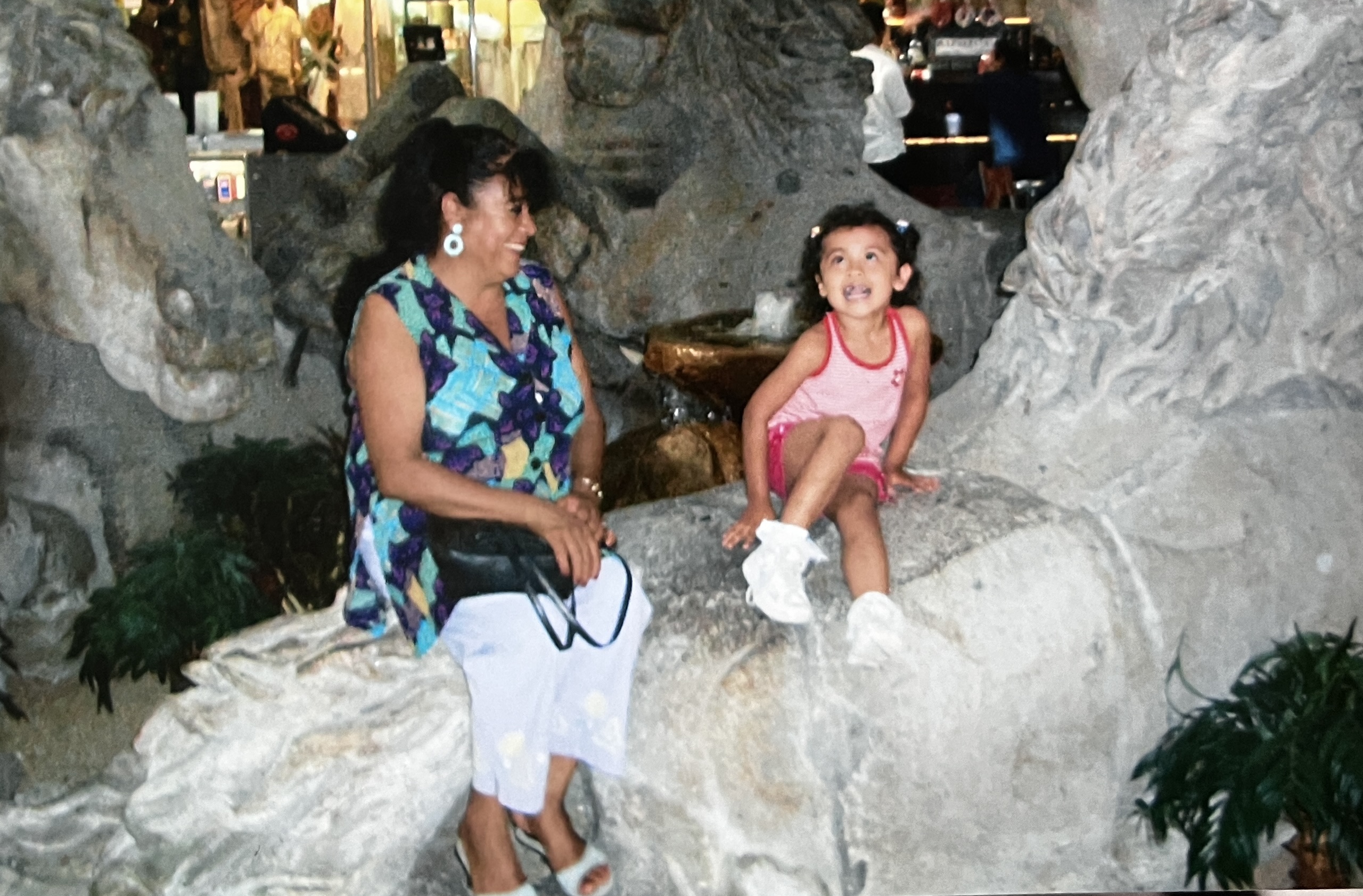
My grandma was my ride because I was only fifteen years old and didn’t know how to drive, plus we worked together. Once I saw her pull into the driveway from the screen door around 5:00 a.m., I would run out with my stuff. The mornings were usually cool and fresh, and I would always wish that weather would last longer before the heat kicked in. Leaving to work was a smooth ride; my grandma would drive slow, and I enjoyed it. Usually there was traffic since all the field workers were getting to their work locations.
Once we arrived at work, we gathered our belongings from the car and walk to my grandma’s packing table greeting others with a buenos días or being greeted with a buenos días to the fresh smell of grapes and coolness from the early morning. I would help out my grandma set up her table after we fixed our lonche and chairs under the vines. This would only took a few minutes.
After helping her set up, I would sit down for one hour or wait in the car because my shift started at 7:00 a.m., unlike theirs which started at 6:00 a.m. At 6:55 am, I would get up and get my notebook ready to take the workers’ attendance. I would walk down the block asking each table for their assigned number and how many people were in their group, which was usually two, “Buenos días. ¿Cuántas personas hay en su grupo?” After that, I would make sure the restrooms were clean and stocked up with toilet paper, hand towels, and that hand soap was in stock.
Eventually, I would set up my stamp with the block number, crew number, and date to start stamping boxes. The task of stamping boxes sounds easy, but it was overwhelming when I had to stamp about 600-1200 boxes a day, bent down to stamp boxes, while making sure I wrote down the correct number of boxes picked up from each group.
The process could quickly turn overwhelming, especially on good days when boxes had to be packed quickly to keep up with the pace. When stamping my boxes, I would walk up and down the block under the hot sun. Sometimes it would be so hot that I would have to stand under some shade by a packer’s table to avoid some of the heat that was directly hitting me.
I also ended up learning that a good way for to stay hydrated was to freeze about five water bottles a day and carry them with me throughout the day. This helped me stay somewhat cool when stamping boxes and counting each table’s boxes as they were loaded on the truck. The job was overwhelming due to heat, but I learned to work my way around it and was able to create a closer relationship with both of my grandparents.
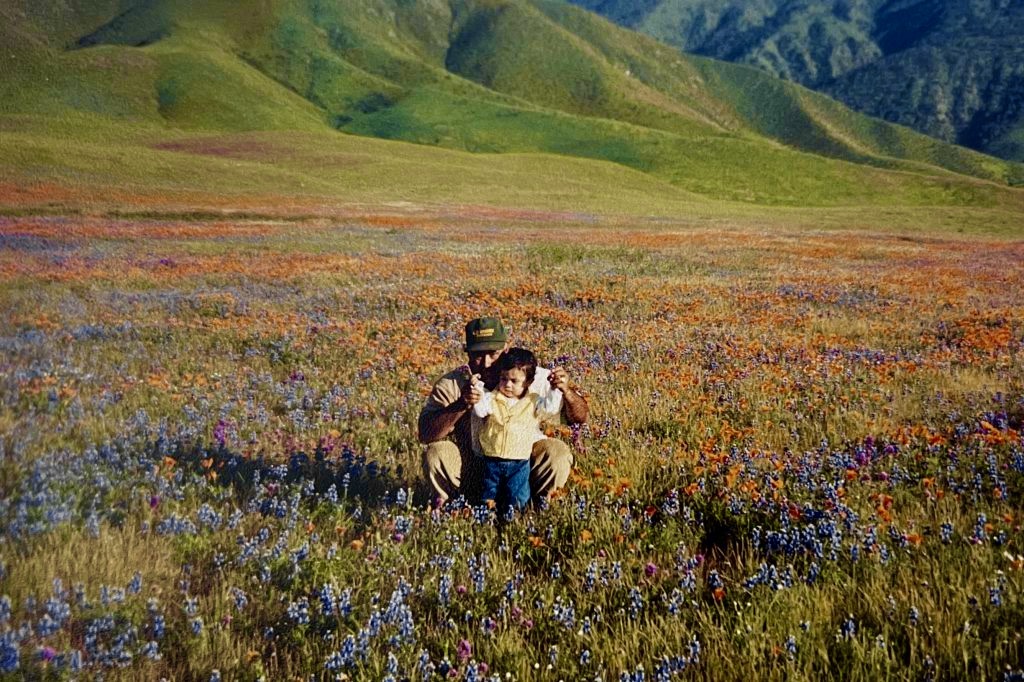
My grandpa was a supervisor, but even though he didn’t work in our crew, he would try, whenever possible, to eat lunch or take breaks with my grandma and I. Sometimes my grandma would make me call him to join us for our break because apparently he would only go since I was there, “Llamale, porque si yo le llamo no viene. Nada más viene porque tú estás aquí.” He would also stop by randomly to make sure that I was as safe as possible, since I was only 15-16 years old working in heat for the first time in my life.
On the other hand, my grandma was a part of the crew. She worked as a packer. While working together, she was able to teach me how to pack when days would go by slower. She taught me how to clean the grapes that the pickers would bring to her. I learned how to distinguish la primera and la segunda. She taught me how to fix the material nicely on the boxes and make them look presentable. Eventually, I got the hang of it and would sometimes just go to her table when I had free time and help her pack. Eventually helping her pack became part of my routine that I enjoyed doing because I learned the ropes of the job while having conversations on everything from grapes to family drama to her life, her feelings or my life and my feelings.
Working alongside my grandparents was a blessing. It was a blessing to spend so many hours with them. Usually, grandparents and grandchildren do not spend as much time as either side would like, but this work experience allowed me to spend more time with my grandparents and connect with them on a deeper level. I was able to have conversations with my grandma on the way to work, during work, during our breaks, and on our way back home. With my grandpa, I called him every day during work to get more material or he would stop by throughout the day and for most of our breaks.
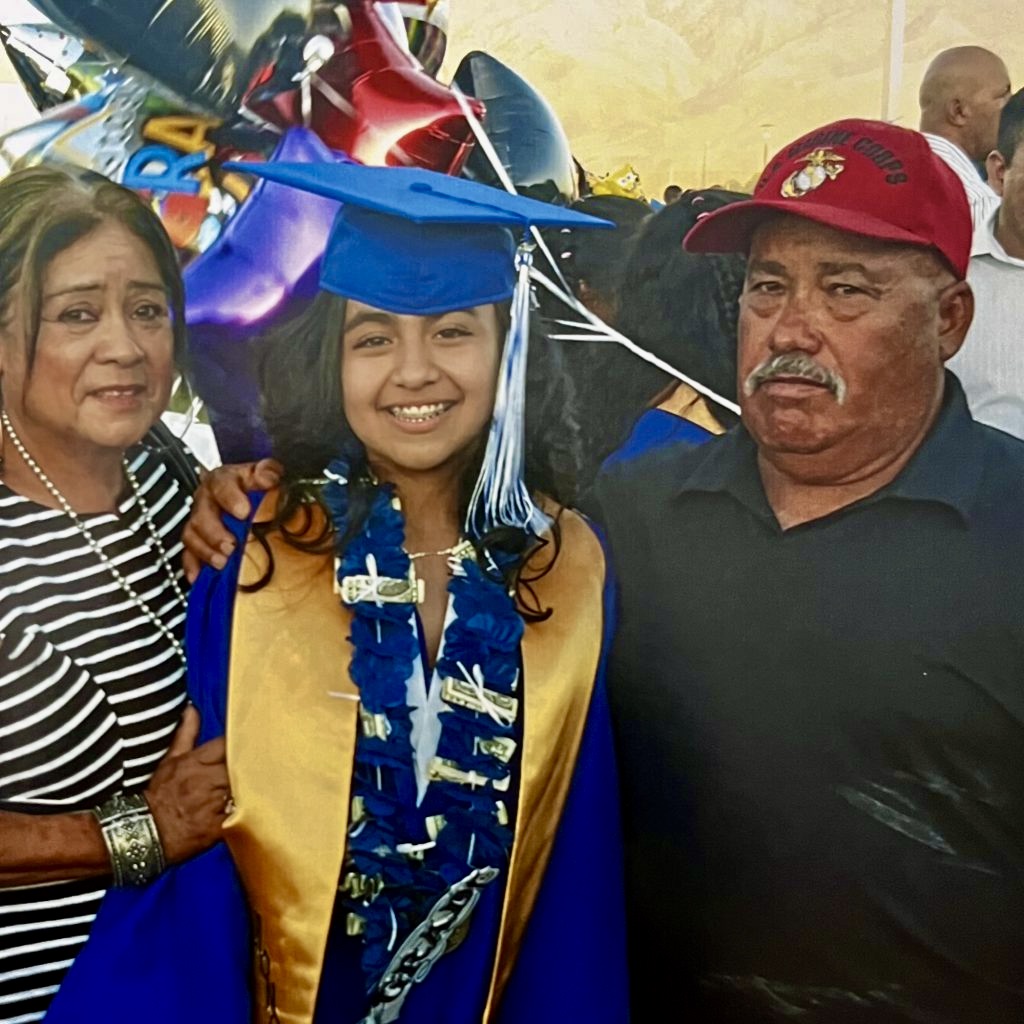
Being able to work with my grandparents at 15 and 16, gave me an eye opening experience. I always knew field work was difficult. I knew for many of my family members it was the only job they could get, but I never had a real understanding of what field work consisted of until I was pushed to work. I saw my family and community members in extremely hot weather being pressured to pack a certain amount of boxes.
I witnessed the hot restrooms they had to use (porta potty). The porta potty was awful. It was always my goal to go to the restroom during the early morning to avoid it during the rest of the day when the weather would be about 100 degrees and feel hotter in the porta potty.
I always tell others that I felt I was sometimes suffocating in there and once I would come out of the porta potty the 100 degree weather felt like a fresh breeze. I also hated the fact that field workers had to eat their lonche on the ground, unless they brought their chair or sat on their cooler.
Working at 15 years old was a blessing in disguise that I will always be grateful of. I was able to create a stronger relationship with my grandparents while also learning what my family and community experience as farm workers.
My second job in the fields started during the pandemic from 19+ as a packer or empacadora. During this time, it was difficult to choose where to work because we were all new to the pandemic. If I worked a customer service job, then I was going to expose myself to many random people. If I worked in the fields, I was only going to expose myself to the crew. It was a difficult decision to make, but it eventually came down to work in the grape fields alongside my mom.
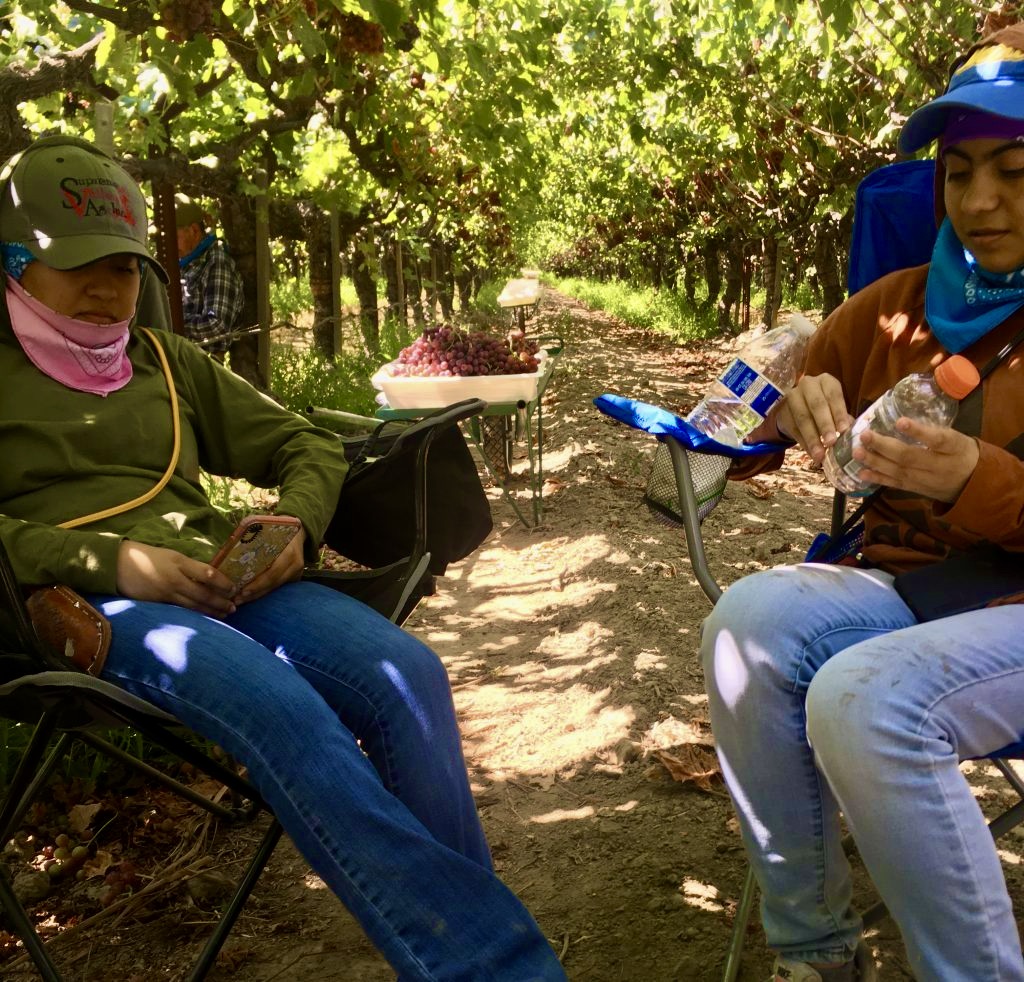
The first summer working as an empacadora was a little stressful for the first couple of weeks. I did have a small understanding of how packing grapes worked because, thankfully, my grandma spent two summers teaching me when I worked alongside her as a stamper, but I was still new to that job. I only had limited experience.
I have mostly worked with my mom the last two summers, with my little sister joining us during her summer break both years. My mom always woke up around 4:00 a.m .- 5:30am depending on the time our shifts started to make lunch for us. She is a superwoman. I would always set up my alarm about half an hour before we would leave, or there were mornings in which I would wake up to the fresh smell of tortillas.
After waking up, I would brush my teeth, wash my face and wake up my little sister. Eventually, we would dress and take our coolers, chairs, and lunch bags to the front of the house while waiting for my mom to come outside and wait for my uncle to pick us up. He was our ride. The mornings to work were always the same, dark with traffic and a fresh breeze. Everyone was trying to get to work.
Once arriving at the block assigned to us for that week, we would take our lonche and the rest of our things under a vine in some shade. Next, we would set up our table and bandejas for the day. We would fix an umbrella on the table for shade and set up some bags or labels if there was material ready. I would grab the bags needed for the bandejas and help my mom put them on the bandejas.
I argued with my mom almost every day about setting our table and getting the bandejas ready before our shift really started because we weren’t getting paid yet. Once the shift would start, we would all gather around the foreman para la clase to hear the instructions for the day: What is expected from the piscadores and what is expected from the empacadores.
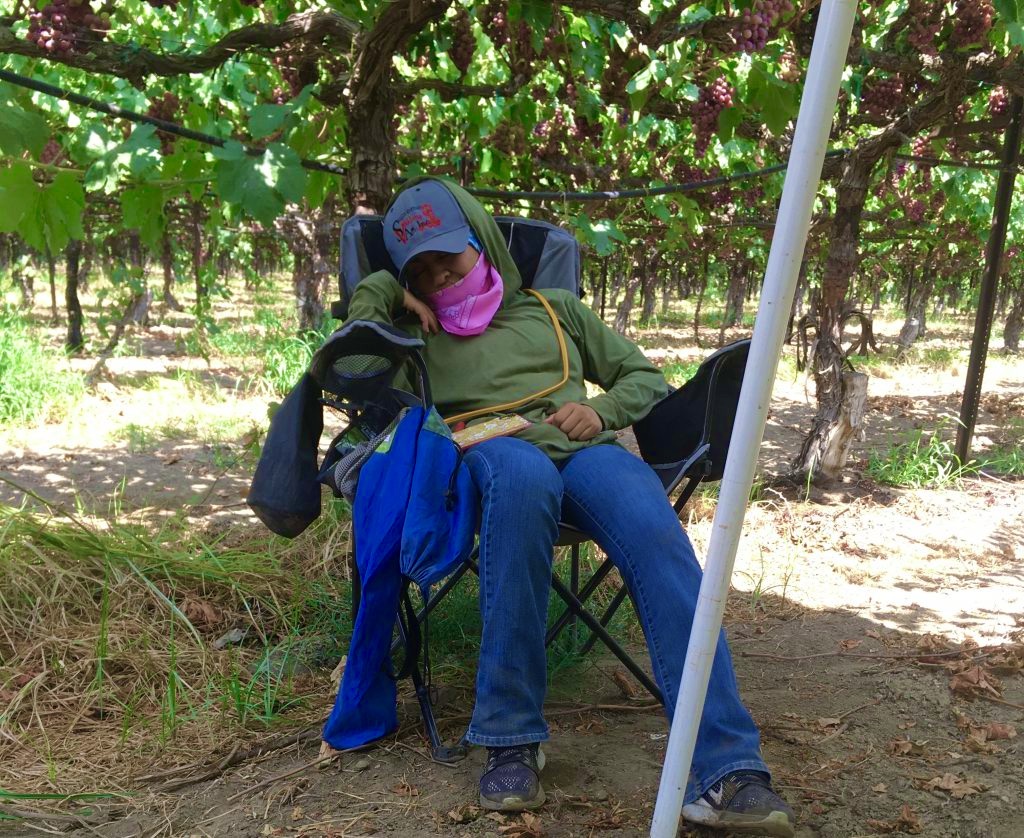
After the clase ended, we would all start off the morning picking grapes with the goal to have at least three to four bandejas filled. Then, my mom or I would take them back to the table for me to start packing.
Packing was not just throwing the grapes in the boxes, either. It consists of making sure the grapes are clean and divided between 2-3 boxes. Usually we have two boxes, box la primera and box la segunda. La primera holds the pretty boxes with full, bigger bonches of grapes. La segunda holds the decent grapes; the grapes that are smaller, skinnier, shaped funky, etc. Other than separating the grapes, we need to gather the material in the mornings and throughout the day. The material includes the bags, salt, liner, bubble wrap, pamper, etc. As an empacadora, I prepare my boxes with material that is needed that day, fix the grapes nicely and quickly, and as a group we try to reach the amount of boxes that is asked or expected, typically 60+ boxes.
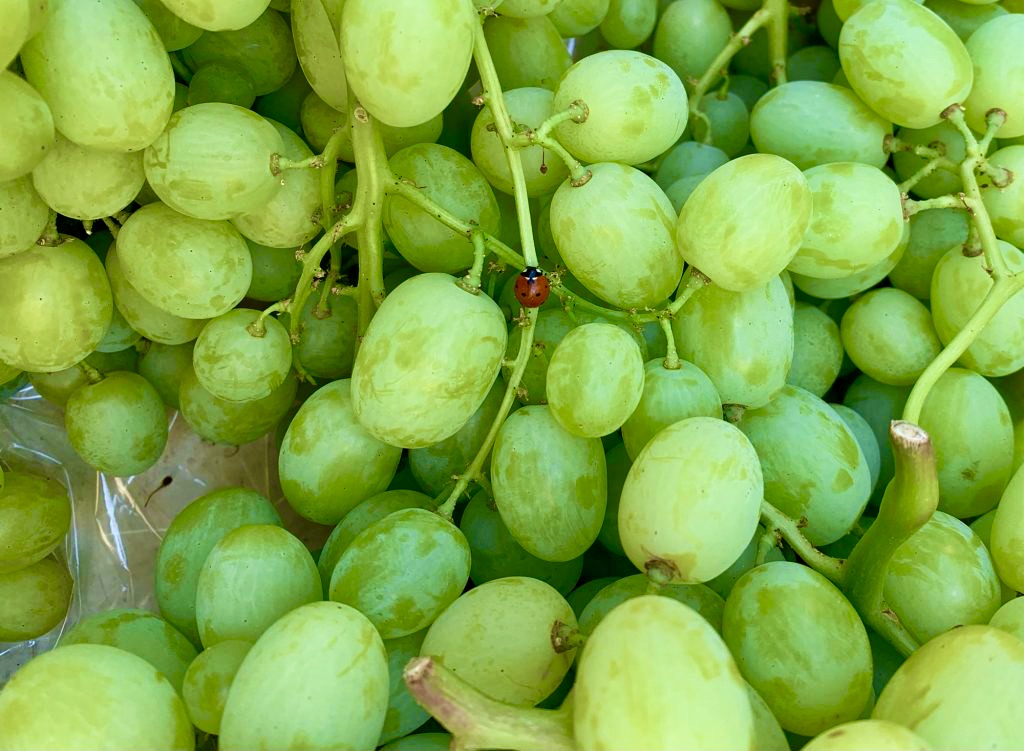
I got better at the job my second summer. I worked quicker when packing and was not too focused on perfection. I adapted to the routine of packing daily. It was the same every single day. Nothing changed about typical tasks, just what the owner or buyer wanted from the grapes or boxes, which was easily adapted. I started knowing how much each box weighed without having to look at my scale. I like packing more than picking. It’s better when dealing with the heat because I had some sort of shade throughout my day. The job however would get boring. Sometimes, when there were no conversations among my coworkers, what would put a smile on my face were the random lady bugs that would pop up in the bandejas or on top of the grapes. Those small interactions with lady bugs were one of my favorite things.
Being an empacadora has been a difficult job because of stress to reach numbers or the heat that interferes with work requirements, but the hardest part of the job has been to work alongside my mom. Yes, I may have experienced my little sister struggling with the job and heat, but it was a reminder for us to be appreciative. It was a learning experience for us. However, it was different and really difficult seeing my mom in this type of job.
My mom is a small woman, but she pushes her body to work while taking care of my sister and I when working to make our job easier. I do tell her we are not babies anymore, to be easy on herself, we can all help each other, but as a mother, she will always put us before her. At home my mom cooks, cleans, and maintains our house even after having a long day at work. Working with my mom has changed how I choose to help at home to make her life just a bit easier.
Although I was forced to work from a young age specifically in the fields, thinking that I knew the difficulty of the labor, I did not really know what field workers experienced until being a field worker myself. It hurts to see my family, especially parents and grandparents working at their age in these types of jobs. Their bodies are pushed to work to their maximum capacity.
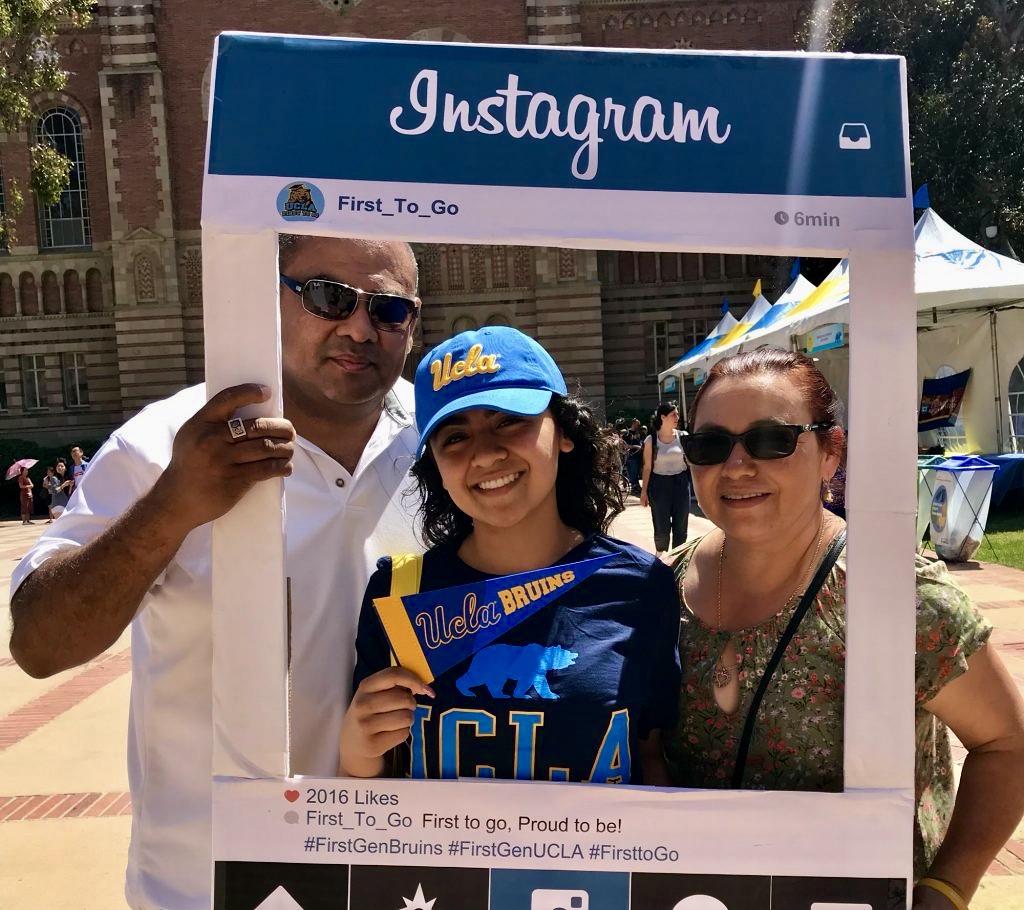
I have worked in the grape fields for a few summers now. When I was first told that I was going to work in the fields, I was frustrated, upset, mad, and unheard, but now I am thankful I have had this experience. I will admit, I still do not understand my dad’s reasoning to send me to work when I knew I had to succeed through my education. I have known that since I was so young. Even then, I am grateful and appreciative of working alongside my relatives in the fields because every single day of my life I am reminded of my privilege. It is important to take advantage of the privilege I hold.
I may be a first generation college student struggling with an entire new educational experience, but even this is a privilege that few of my family members or community members have the opportunity to experience. I have family members who couldn’t continue going to school even though they loved it because of financial reasons or immigration status.
Taking advantage of my privilege has been important, especially after becoming a field worker. I understand my position as a first generation student and what benefits come with it. I was born in the United States, and I this has given me the opportunity to earn an education, so it is important that I take these advantages in a positive manner and continue making my family and community proud. I may have my moments when I want to give up or question myself, but the reminder of the people I come from always reminds me of my privileges and so I charge forward.
“Echale ganas.” – Our Latino Families
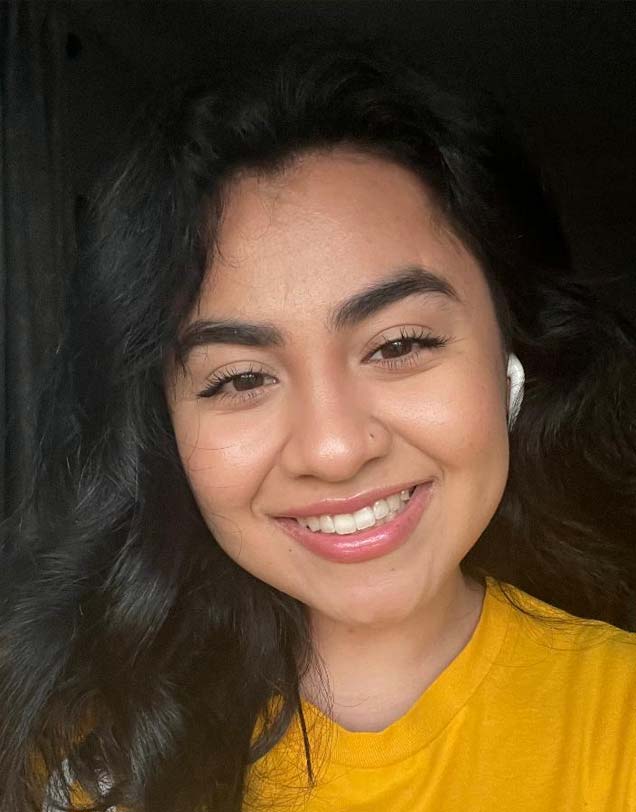 Jacqueline Guerrero | University of California, Los Angeles
My name is Jacqueline Guerrero, and I am a third year undergraduate student at the University of California, Los Angeles (UCLA). I am currently double majoring in psychology and sociology with a minor in spanish. I am from a small rural city in the central valley in California, Arvin, with a population of about 21,000 residents. My city consists of mostly Hispanics in a farming, agricultural community, which has allowed me to stay connected with my culture and community. Because of my community and culture, I plan to become a bilingual therapist in marriage and family counseling in order to bring awareness to mental health in the Hispanic culture while also communicating with Spanish speakers. Through Latina Republic, I hope to learn more about the Hispanic/Latinx culture and its differences among different parts of the country while also learning about the different views of mental health among Hispanics/Latinxs.