Honduras Promotes Responsible Tourism in Tela
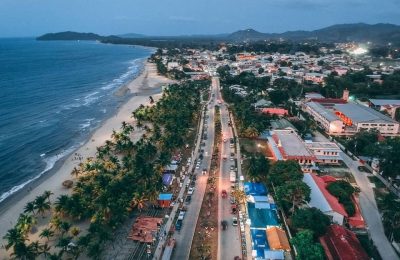
Tegucigalpa, March 15, 2023. The Honduran Institute of Tourism, the Municipality of Tela, the Inter-Institutional Committee for the Environment of Tela (CIAT) and the Costas Listas project, implemented by the World Wide Fund for Nature (WWF Mesoamerica) in conjunction with The Center for Marine Studies (CEM) with the support of the International Climate Initiative (IKI) presented the campaign “Buenas prácticas de turismo responsable para este verano,” (Good responsible tourism practices for this summer).

This campaign emerged as a climate change adaptation effort identified by the Costas Listas project based on science-based data generated by the project, contrasted with information provided by local communities and other stakeholders.
The objective of the Costas Listas project is to strengthen the adaptation capacities to climate change of the coastal communities that inhabit the region of the Mesoamerican Reef System, of which the north coast of Honduras is a part.
Mesoamerican Reef System
The Mesoamerican Reef System is the largest transboundary reef in the world and contains the second longest barrier reef in the world. The system extends across four countries and more than 1,000 km of coastline, and constitutes a key place for the protection of biodiversity, including sea turtles, more than 60 types of corals and more than 500 species of fish that are in danger of extinction.
Millions of tourists visit the region every year, drawn by the chance to snorkel in secluded spots, swim with the highest concentration of whale sharks on the planet, and relax on spectacular beaches. Ironically, these activities and the coastal development linked to them threaten the very resource on which they depend. WWF works in partnership with communities, governments and other nonprofit organizations, and academic institutions to renew the integrity of this delicate reef system and to preserve its resources for generations to come.
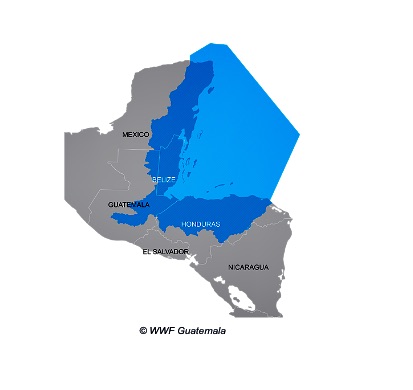
In the case of Honduras, these communities are located in the Cuyamel-Omoa protected areas subsystem in the municipality of Omoa, the coastal zone of the municipalities of Omoa and Puerto Cortés, the Jeanette Kawas, Punta Izopo and Refugio de Vida national parks, and Silvestre Bahía de Tela in the municipality of Tela. For this area, the project designed a portfolio of adaptation measures to climate change.

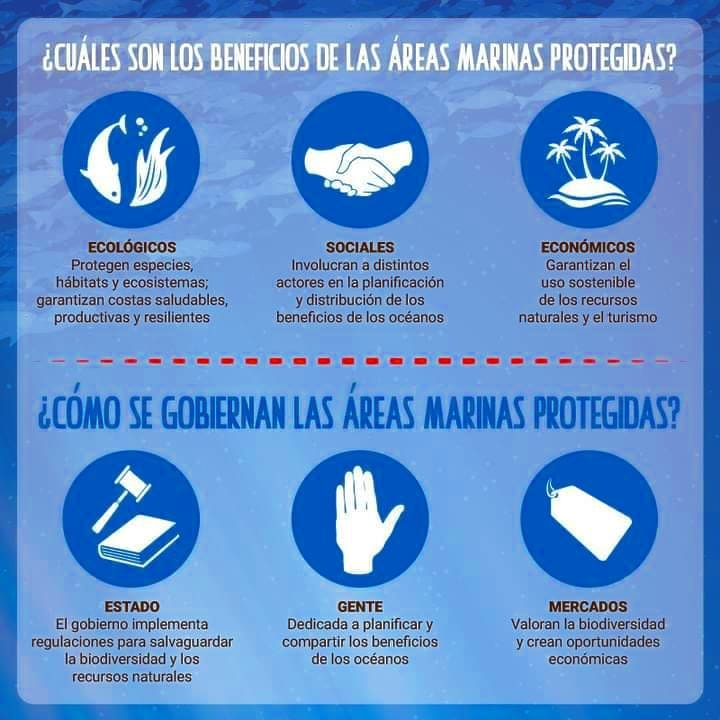
In the Bahía de Tela Wildlife Refuge, one of the adaptation measures identified is the protection of corals and said measure will be achieved through the promotion of sustainable tourism and strengthening of governance and management of beaches and corals within the protected area.
The adaptation measure is being implemented by the Center for Marine Studies (CEM) which, to carry it out, is training tourism operators in the area in order to provide guidance to visitors to avoid damaging the corals in the area.
In addition, the project also designed the communication campaign to promote responsible visitation in Tela’s protected areas and natural attractions, which is also part of the actions of this climate change adaptation measure.
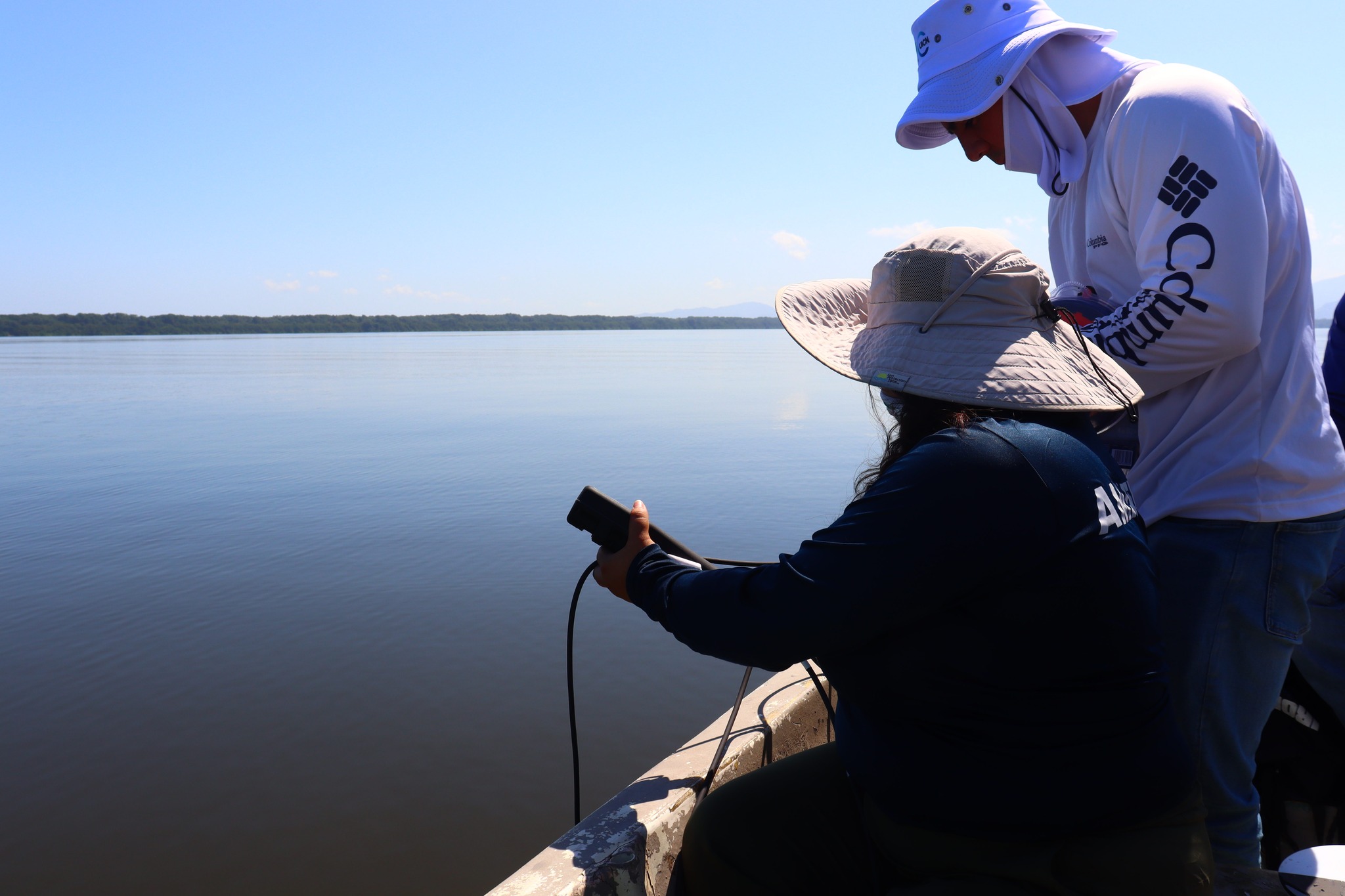
The Honduran Tourism Institute also participates in this campaign in its capacity as the authority in charge of stimulating and promoting tourism as an economic activity that promotes the development of the country, through the conservation, protection, and rational use of national tourism resources.

In this sense, the Vice Minister of Tourism, Luis Chévez indicated that this activity is one more example of how tourism can be used as a tool for conservation and adaptation to climate change, which also promotes the sustainable development of communities.

The Inter-Institutional Committee for the Environment of Tela (CIAT) is the entity that will give sustainability to the implementation measure. On behalf of the Municipality of Tela and CIAT, Alba Ocampo expressed,
“Let’s integrate ourselves into the different initiatives for the protection, restoration and conservation of the ecosystems closest to our communities to enjoy the natural beauty that Honduras possesses.”

For his part, Jimmy Andino, director of the Center for Marine Studies (CEM) as one of the implementing partners of the Costas Listas project in the Bahía de Tela Wildlife Refuge added that this media campaign promotes the adoption of good responsible tourism practices and a change in behavior is being encouraged in visitors who come to the Tela region and responsible visitation to protected areas is encouraged, respecting corals and all natural resources in the region.
The campaign has several graphic pieces that will be published on the social networks of the participating entities and also includes the design of printed materials that will be placed in different businesses related to tourism, such as hotels and restaurants, especially in the sector near the beach. The campaign will also be disseminated through different radio stations.

Mauricio Mejía, senior officer of Food Production WWF Mesoamerica and representative of the WWF office in Honduras added that, for his organization, it is of special interest that this campaign be widely disseminated so that both tourism service providers and visitors know the importance of protect the corals in the area not only to guarantee their conservation, but also because of the relevant role they play as natural barriers to the impacts of climate change.
 Dr. Soledad Quartucci | Founder
Latina Republic is a reporting, research, and advocacy nonprofit organization advancing human rights in the Americas. Latina Republic fills the void in coverage of urgent social, political, environmental, economic and gender inequities affecting the Americas. Latina Republic’s mission is to inspire humane policies that fortify relations between the U.S. and Latin America. Our work is guided by peaceful international relations focused on solidarity. We believe asylum and seeking refuge is a human right. Our work envisions a world where neighboring countries are seen as partners, and immigrants and refugees don’t have to live in the shadows. Our goal is to advance peaceful dialogue by highlighting local perspectives that don’t make it into the mainstream news. Our vision is that this knowledge will assist all stakeholders in solving regional problems while strengthening ties.