National Land Agency Strengthens its Rural Woman program.
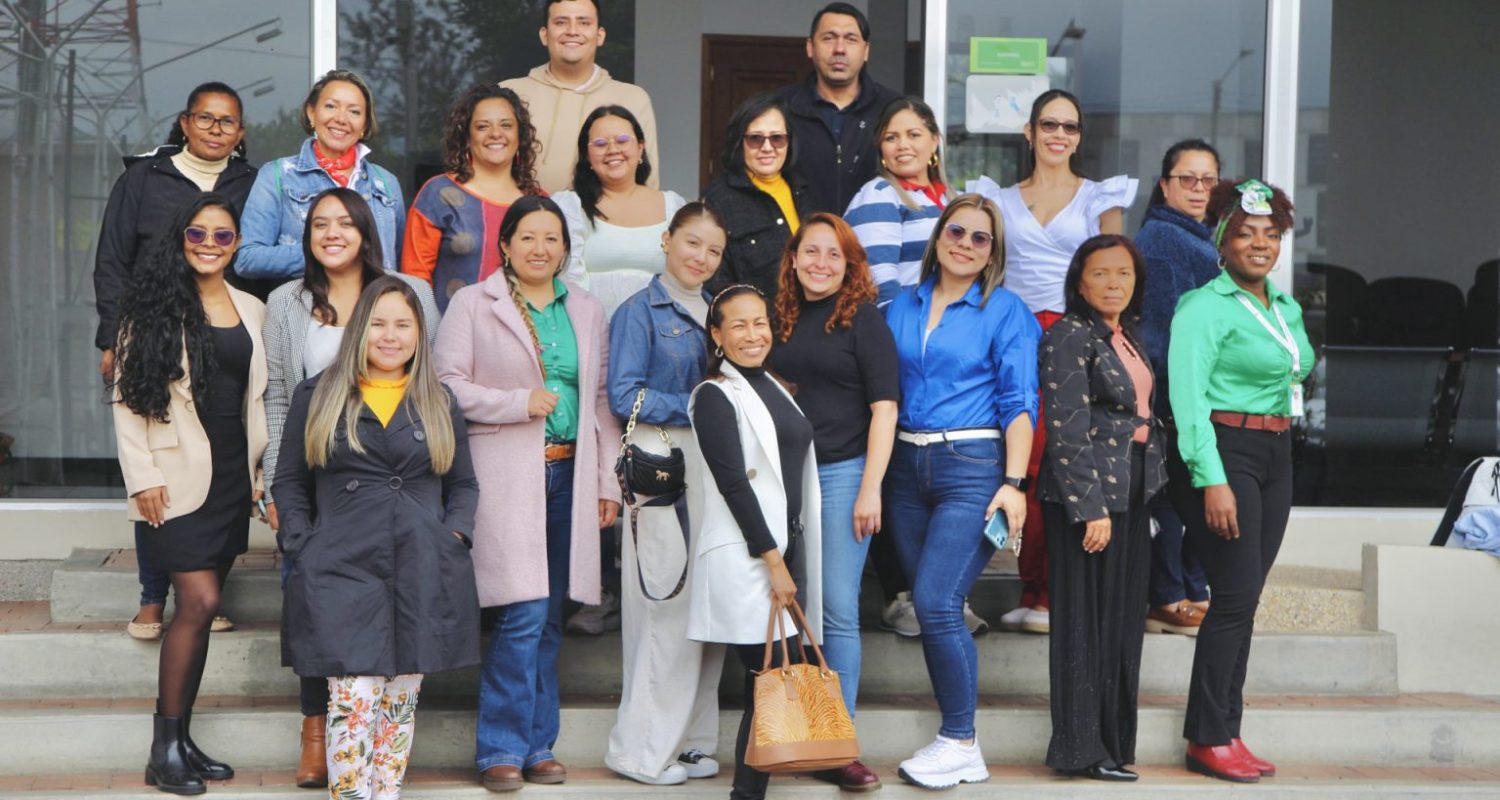
The entity organized a meeting with 17 leaders to advance a differential approach in all regions of Colombia. The Agencia Nacional de Tierras (ANT), through its Mujer Rural program, seeks to empower rural women’s access and formalization of land. In a press statement, ANT stated that women are a priority for the government of Colombia’s president, Gustavo Petro and the vice president, Francia Márquez.
Bogotá, March 31, 2023 @AgenciaTierras.
Women’s access to land is essential for the current government. Through its policies for social justice and total peace, the Petro administration seeks to turn Colombia into a world power of life. Out of 1.4 million hectares delivered by the Government of Change, 50% have benefited women, evidence of the government’s plan to advance its goals, states ANT.
To progress the agenda, 17 leaders of Enfoque Diferencial and Mujer Rural from the Territorial Management Units (UGT) of the National Land Agency (ANT) participated last week in the national training meeting organized by the Agency in Bogotá to strengthen their knowledge and skills in the matter for application across the regions.
The workshop was supported by the Ministry of Agriculture and Rural Development and the Food and Agriculture Organization of the United Nations (FAO). Bibiana Buitrago, who leads the Enfoque Diferencial y Mujer Rural team of the ANT, explained that Mujer Rural is a programmatic axis of the Agency that has priority in the current National Government.
The main objectives of the program in 2023 are to increase access and formalization of land for rural and peasant women, advise a minimum of 2,000 women on formalization and access to land, and comprehensively recognize unpaid care work as a determining factor in guaranteeing access to land.
“The goal is to advise women; that equity be guaranteed with respect to access to and formalization of land. Empower them, increase their economic autonomy, and highlight their contribution to food security and peacebuilding,” said the official, adding that the plan is for each of the country’s departments to have access to professionals from Enfoque Diferencial.
UGT Oriente
Jessica Hernández is a liaison for the Enfoque Diferencial and Gender Approach of the UGT Oriente, which covers Vichada, Casanare, Guaviare and Meta.
She grew up in Buenaventura, Valle del Cauca, and now lives in Villavicencio. She recalled how in her childhood, at school, once her classmates pushed her and made her fall down some stairs “because she is black,” according to her words.

“At one point, I wanted there to be a cream to change my skin color,” she added.
Jessica studied sociology and it helped transform her view of her world. She has two children that she coparents with her husband.
UGT Occidente
Gabriela Mera is from Popayán and is the liaison for the Enfoque Diferencial of the UGT Occidente, which groups Cauca and Valle del Cauca. In her opinion, one of the main difficulties for women in Colombia is “machista stereotypes.”
She lived in the village of Siloé in Timbío, Cauca. In the fields, she experienced the adversities experienced by women regarding access to education and spaces for participation, such as community action meetings.
For this reason, she considers that from her role she can contribute to the construction of a more equitable society between men and women.
UGT Boyacá
Petrona Jaramillo is a native of Apartadó, Urabá, Antioquia, and this year she settled in Tunja. She works as a liaison for the Enfoque Diferencial of the UGT Boyacá.
She lived in the corregimiento El Reposo de Apartadó, where she was a single mother and head of the family.
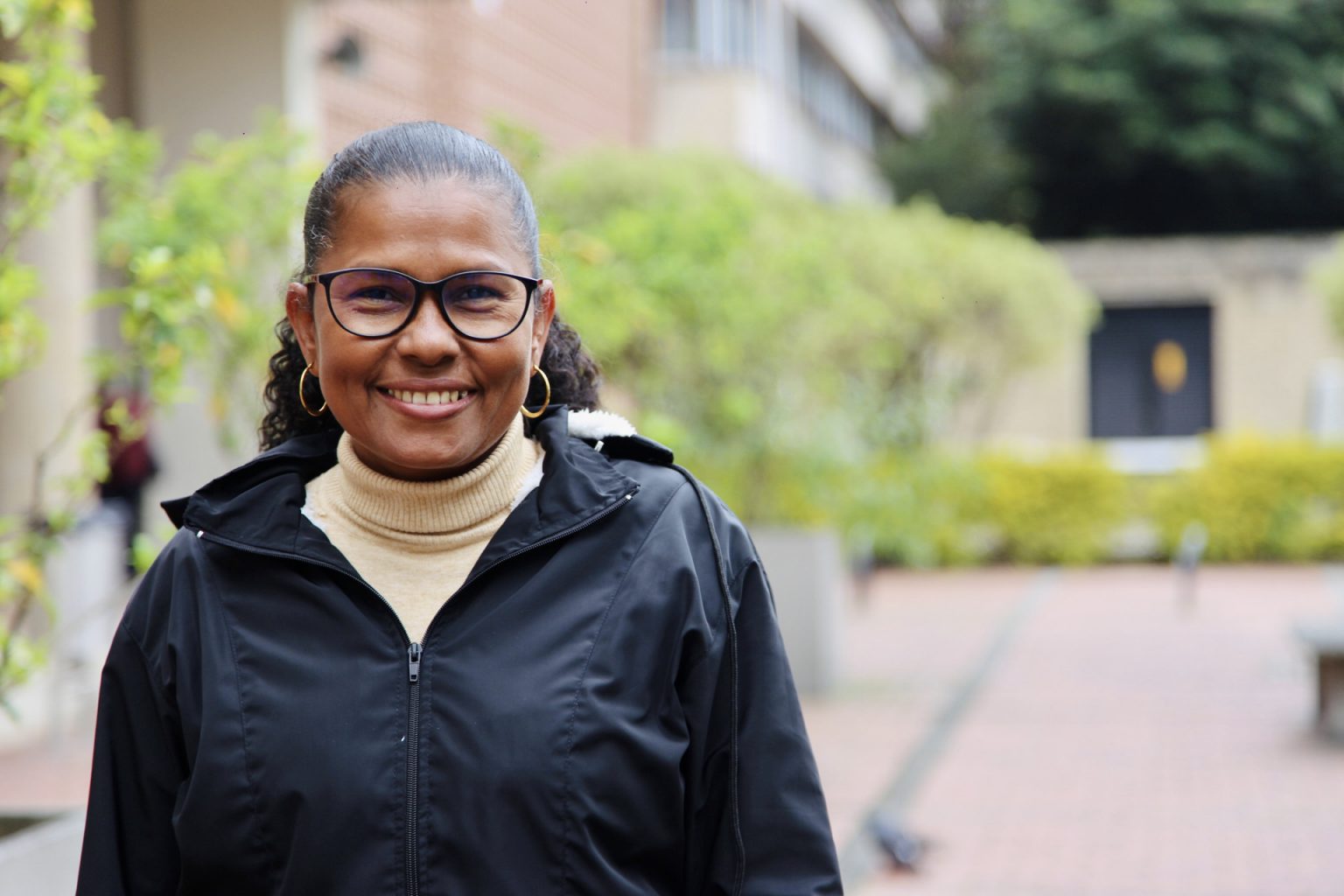
“The most difficult thing about being a rural woman is that her work is undervalued. In addition, she experiences economic, physical and mental violence; some expect that in a meeting she will be the one that should cook. In the countryside, men and women have faced the armed conflict; we, women, have held the territory,” commented Petrona.
She is convinced of the importance of education and that women exercise their political rights. The land, considers Petrona, “gives you family, food, you raise your children, you have family memories. It gives you another worldview of life.”
UGT Atlántico
In the group of participants in the training session there were two men. One of them, Enrique Mastrodoménico, liaison for the Differential Approach of the UGT Atlántico.
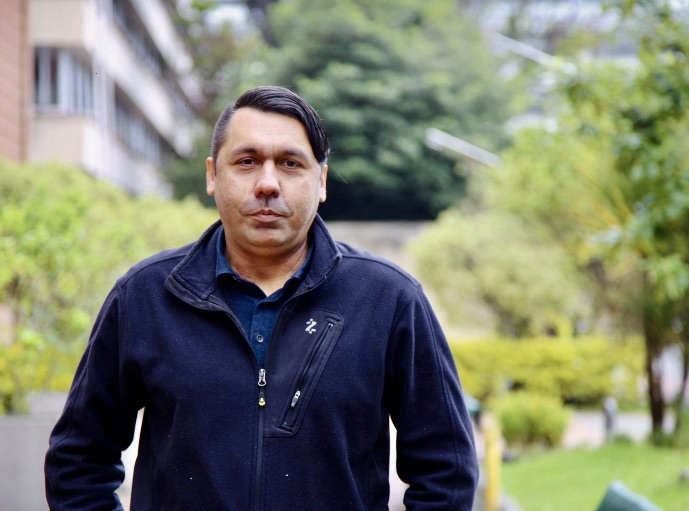
For this man from Barranquilla, men can contribute to the generation of awareness that “rural development is a construction process among all of us.”
At the end of the meeting, the leaders returned to their regions to implement a work plan that seeks to improve the living conditions of rural and peasant women, strengthen ties in the territories, and ensure access and legal security over their lands so that Colombia can effectively be a world power of life.
To learn more visit, Agencia Nacional de Tierras.
 Dr. Soledad Quartucci | Founder
Latina Republic is a reporting, research, and advocacy nonprofit organization advancing human rights in the Americas. Latina Republic fills the void in coverage of urgent social, political, environmental, economic and gender inequities affecting the Americas. Latina Republic’s mission is to inspire humane policies that fortify relations between the U.S. and Latin America. Our work is guided by peaceful international relations focused on solidarity. We believe asylum and seeking refuge is a human right. Our work envisions a world where neighboring countries are seen as partners, and immigrants and refugees don’t have to live in the shadows. Our goal is to advance peaceful dialogue by highlighting local perspectives that don’t make it into the mainstream news. Our vision is that this knowledge will assist all stakeholders in solving regional problems while strengthening ties.