

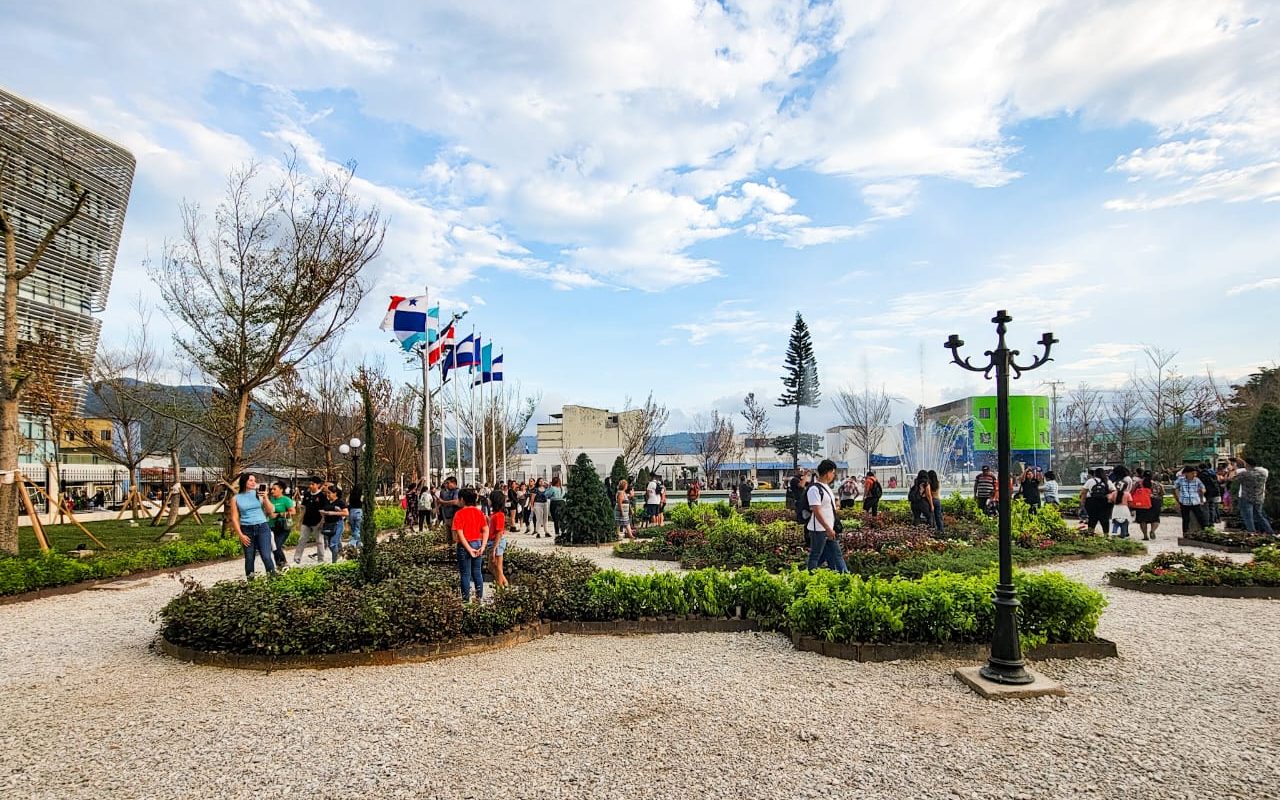
Salvadorans Enjoy the New Central America Garden in San Salvador’s Historic Center
Hundreds of Salvadorans walk along Rubén Darío Street, marking the entrance to the revitalized Historic Center of San Salvador to explore and enjoy its new colonial charm; a sight not seen since before the 1960s and 70s. This pleasant walk, both day and night, through the Historic Center offers plenty to see and do, with many restaurants open late into the night. Many visitors are eager to experience the Central America Garden, located next to the National Palace.
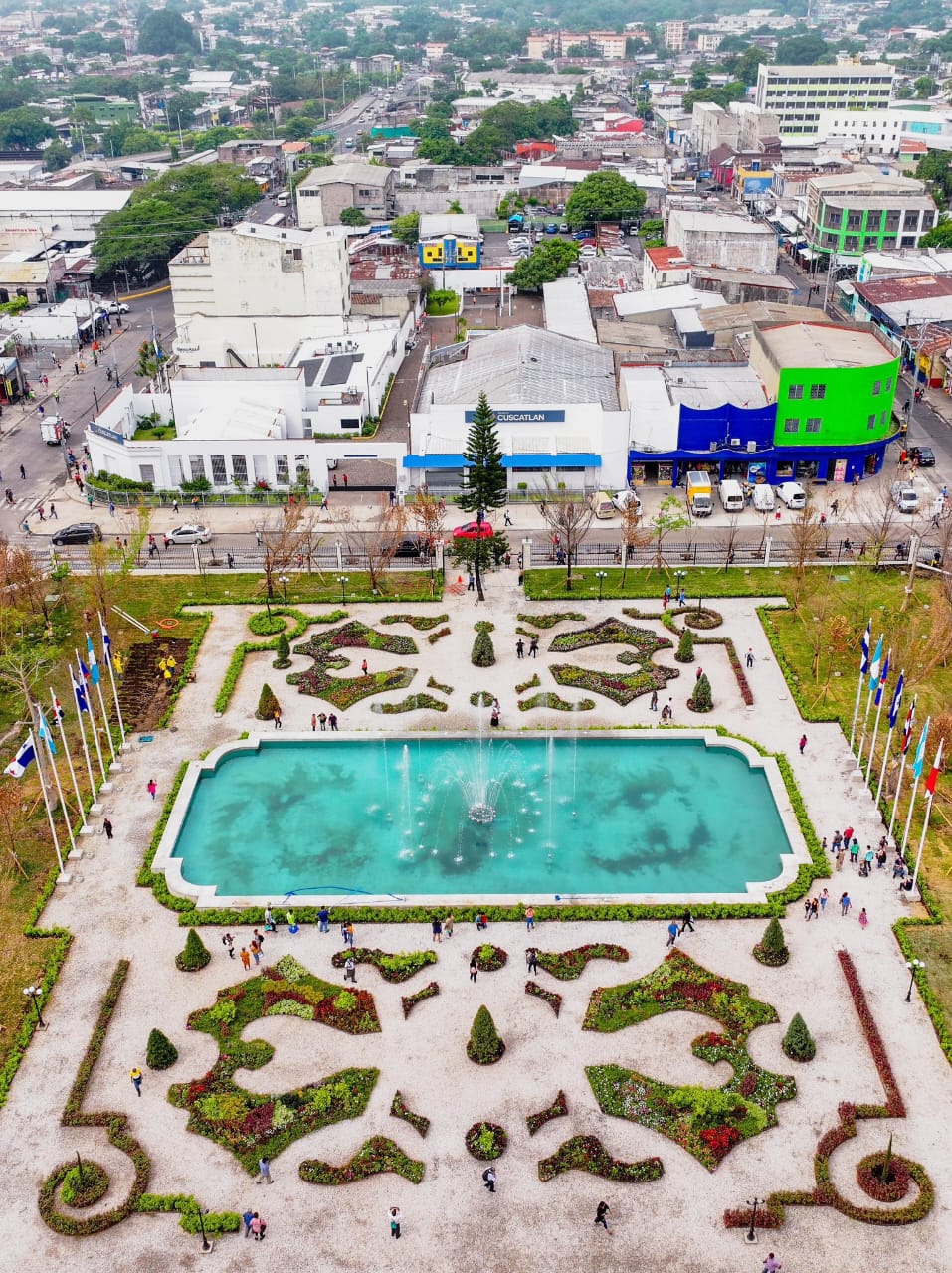
The Historic Center of San Salvador is where the capital city’s expansion began in the 16th century. Although the original Spanish colonial buildings were destroyed by natural disasters over the years, notable surviving structures were built in the late 19th and early 20th centuries.
The earthquake on October 10, 1986, severely damaged the area. Due to increased unemployment at that time, the area became occupied by a large number of informal businesses. Recently, the municipality has relocated these businesses to areas with better conditions.
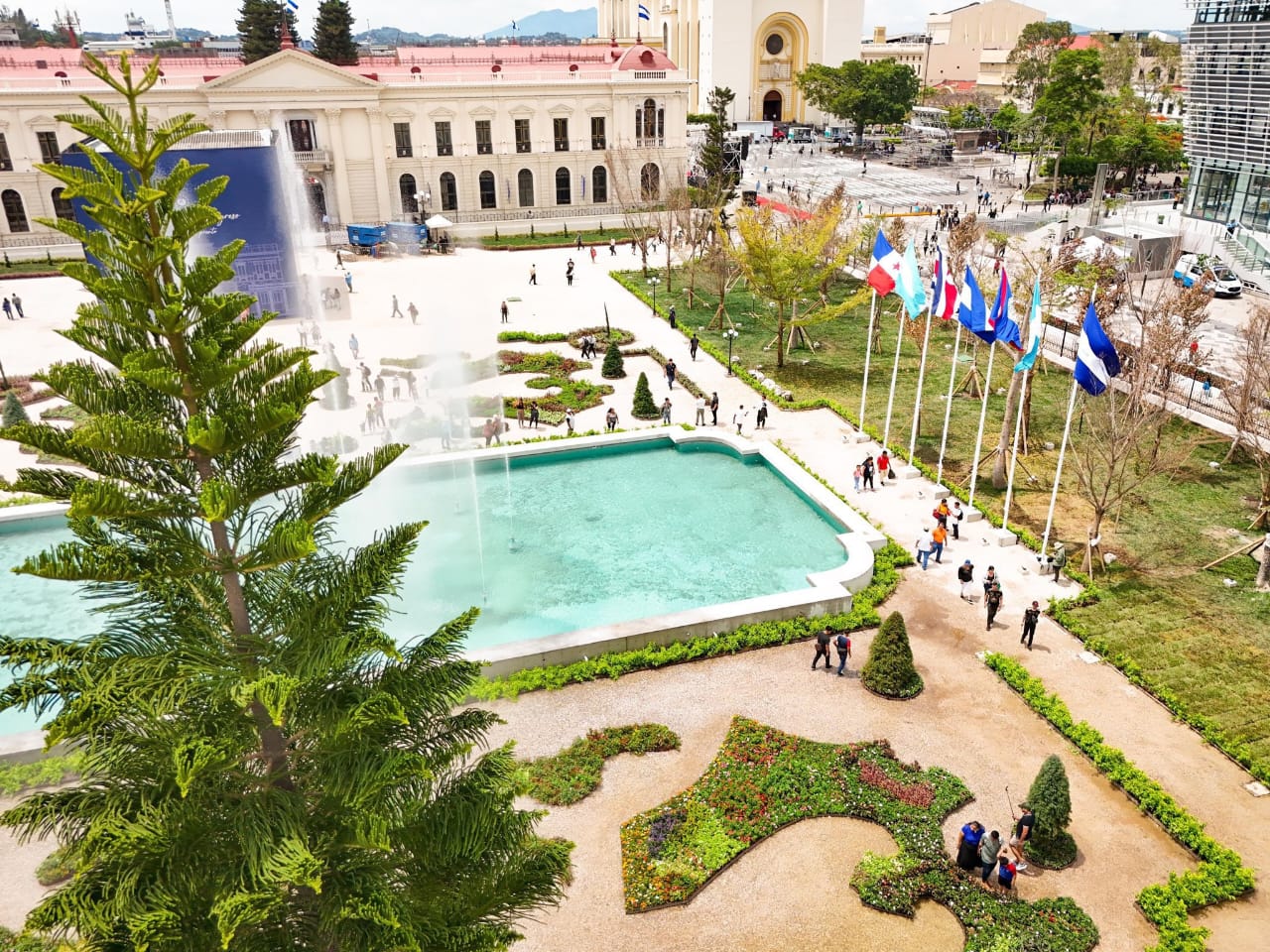
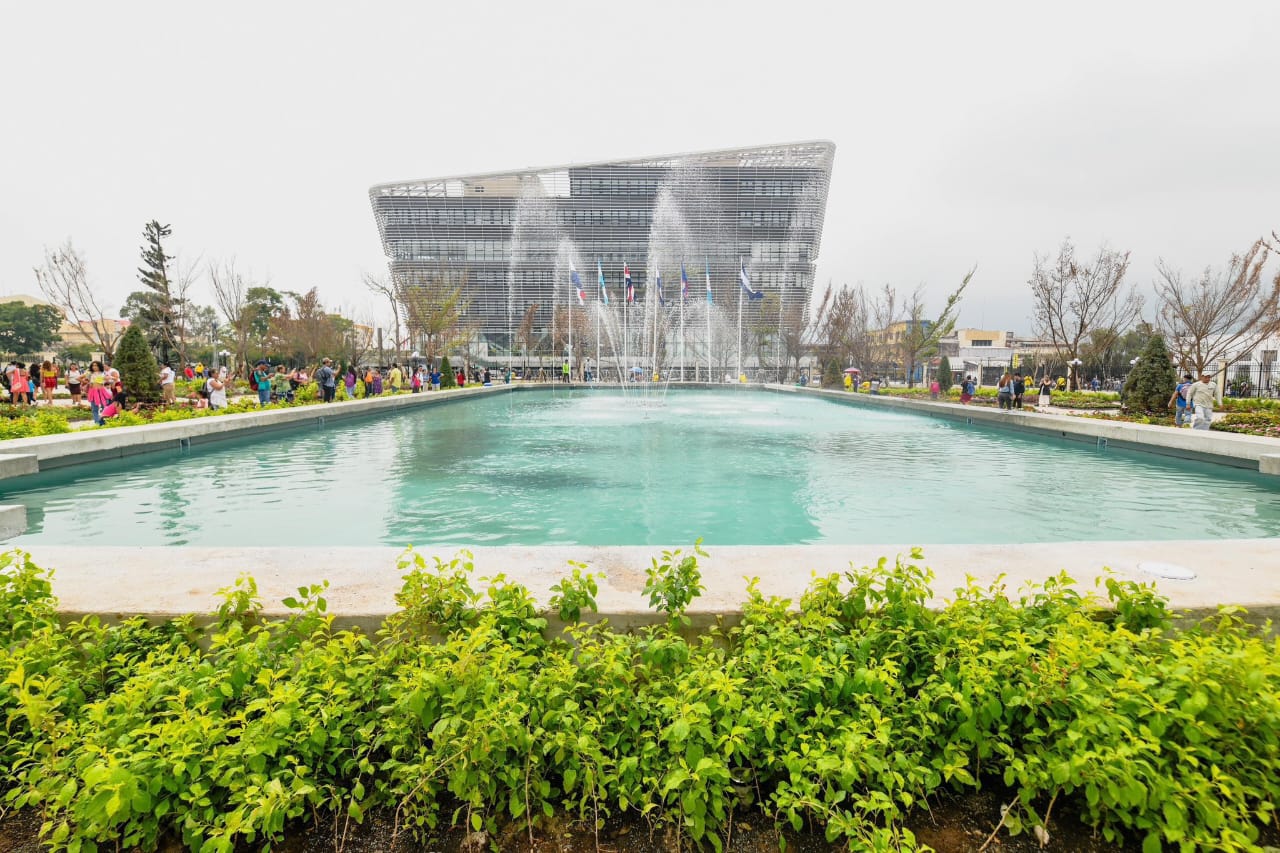
After President Nayib Bukele’s inauguration and swearing-in, the new Central America Garden, located on the south side of the National Palace, opened in the Historic Center. This green space is inspired by the famous gardens of the Palace of Versailles. President Nayib Bukele has led the creation of public spaces, and the establishment of the Central America Garden reaffirms his commitment to the benefit of the population.
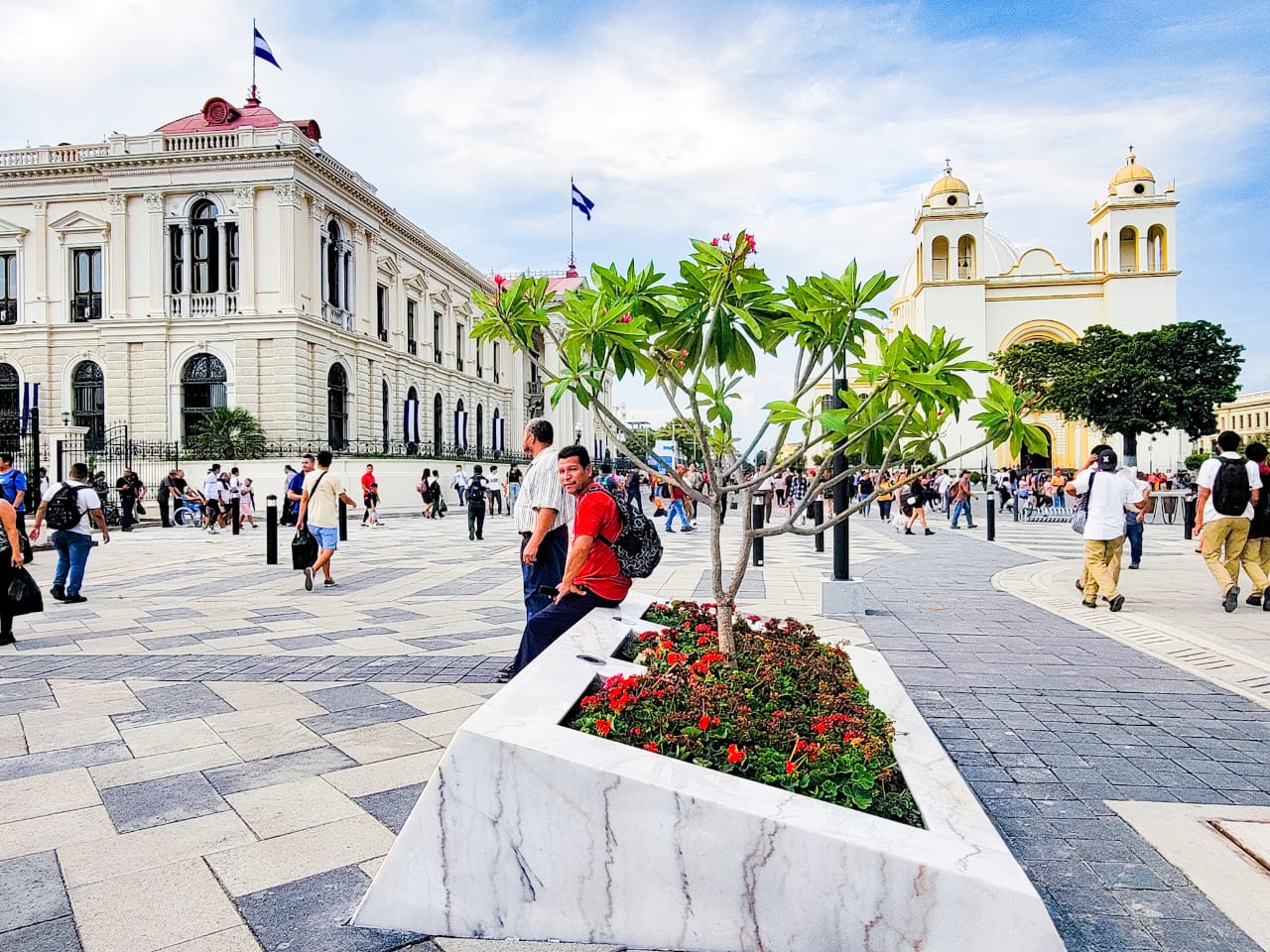
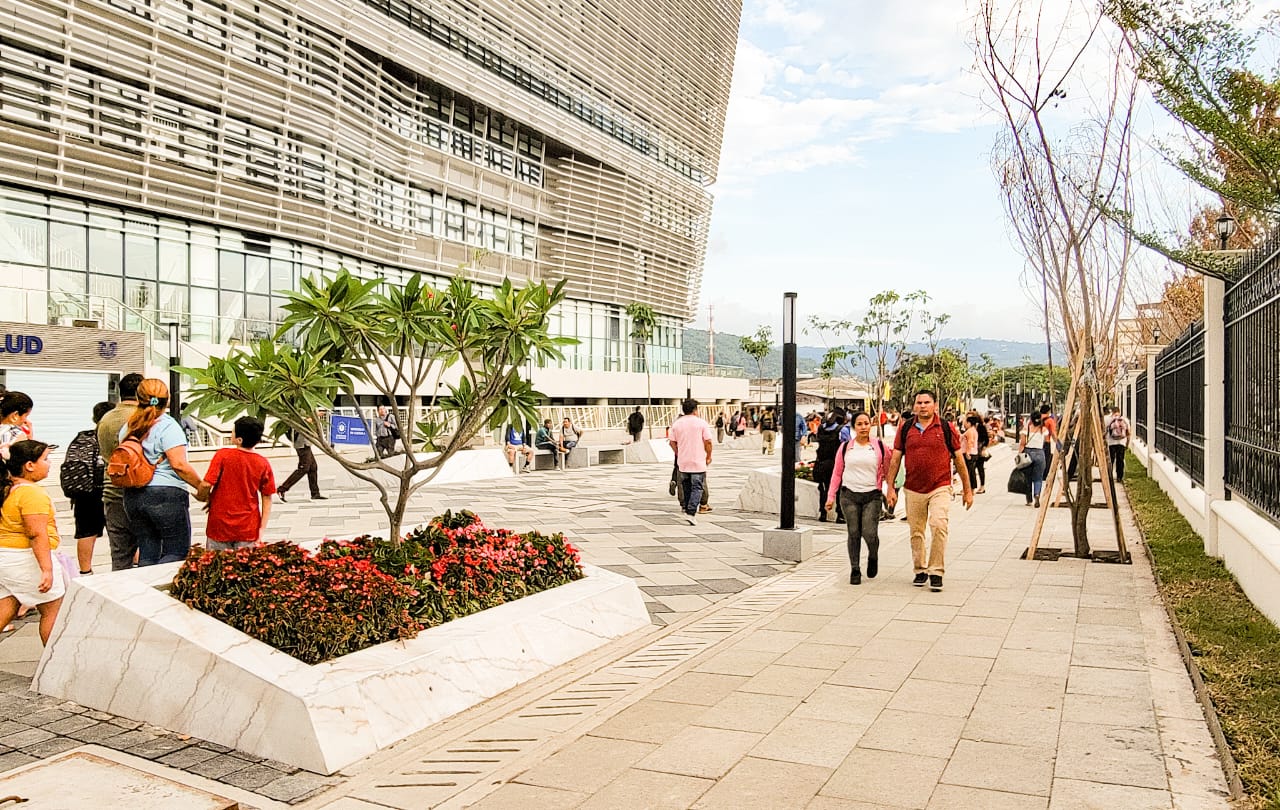
The new space is designed for the healthy coexistence of Salvadoran and foreign families visiting the country. Visitors will find more than 172 trees, flowers, and a beautiful fountain—the main attraction of the spacious area. Here, people can walk, enjoy sunsets, and experience the country’s security.
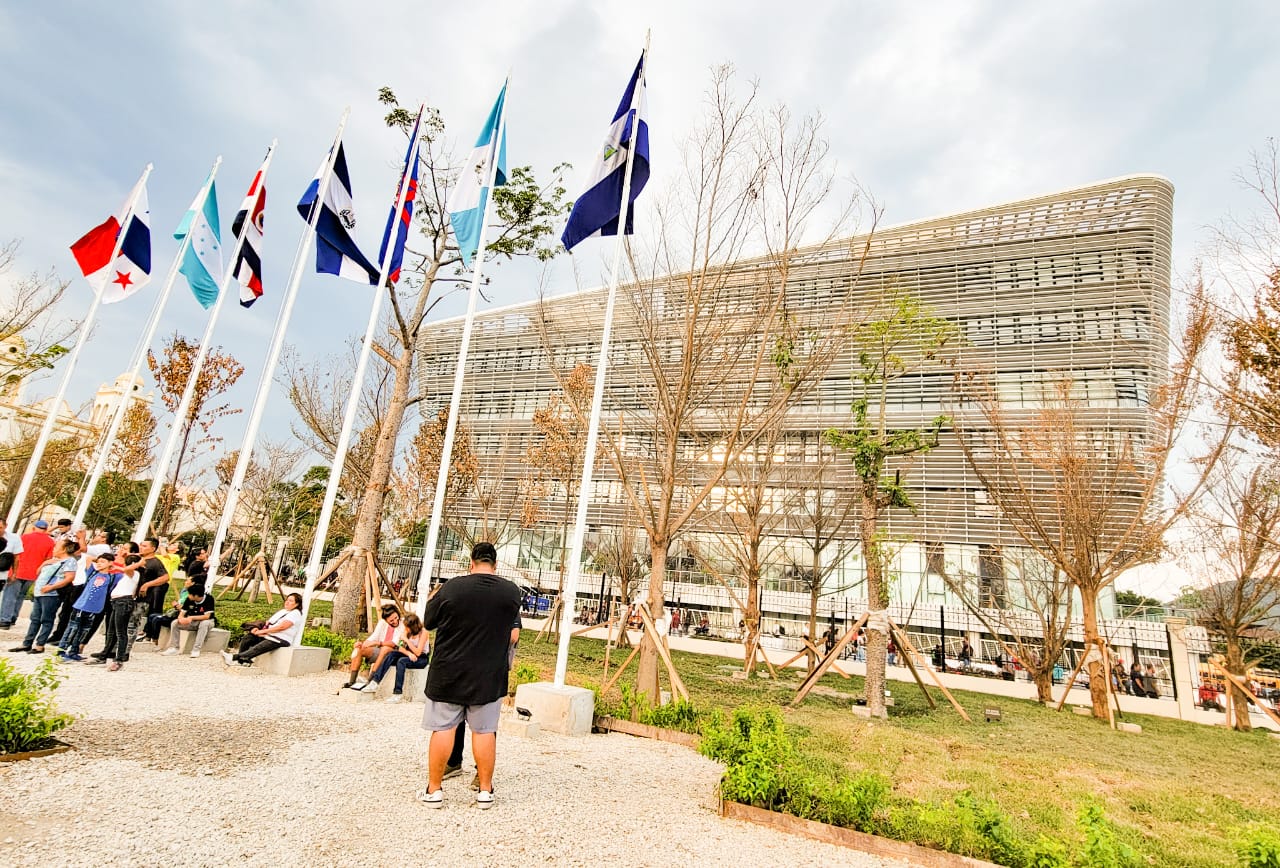
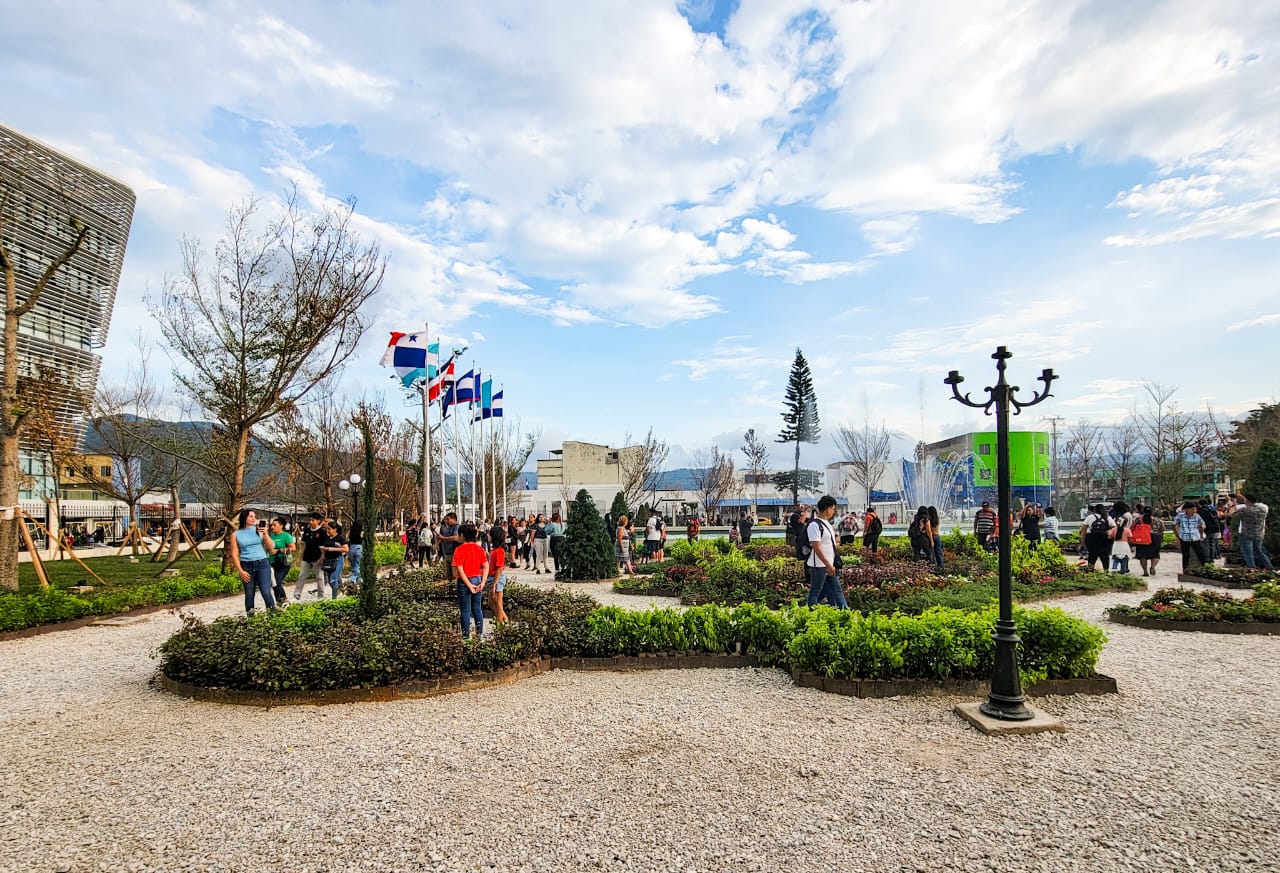
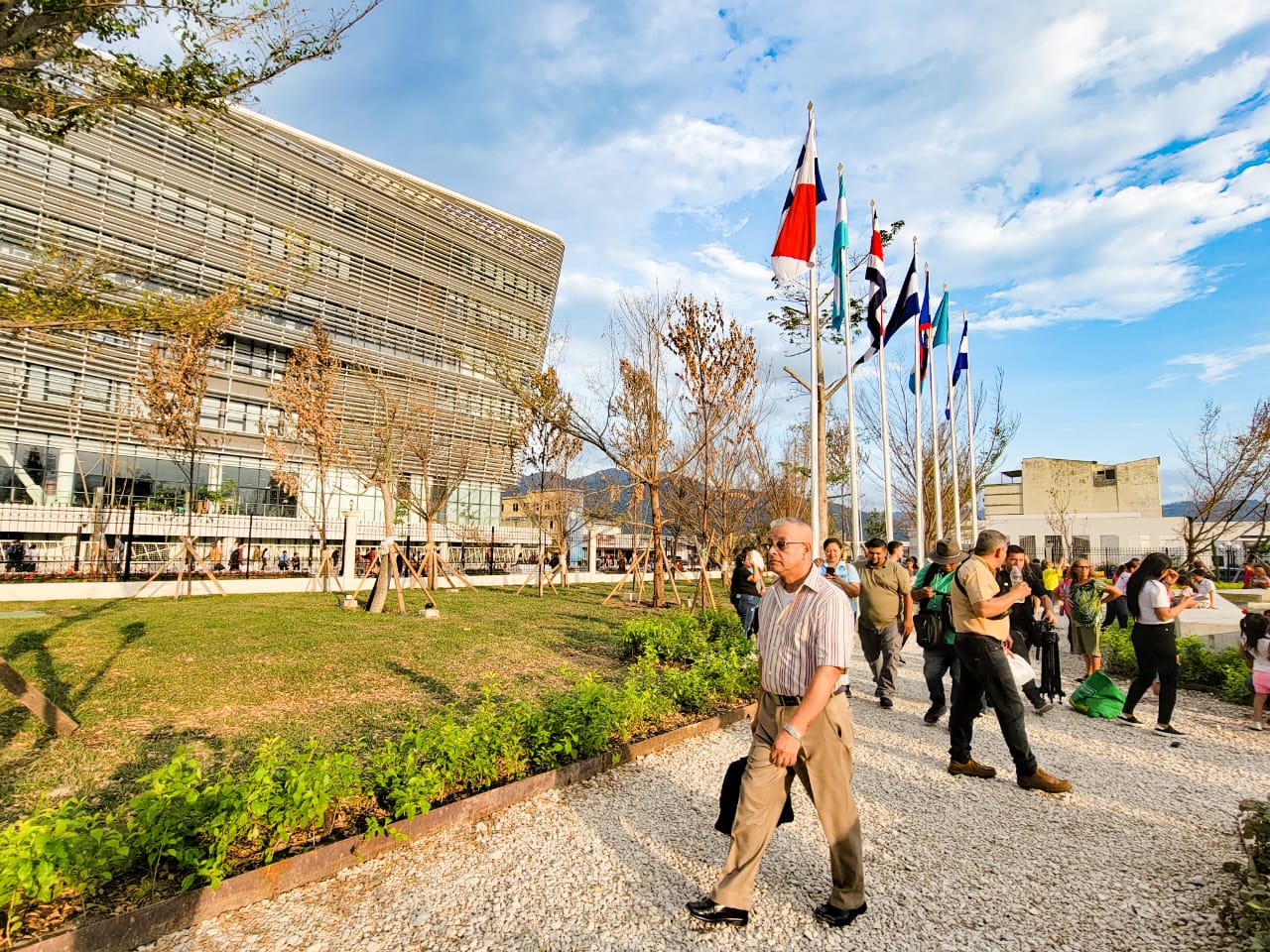
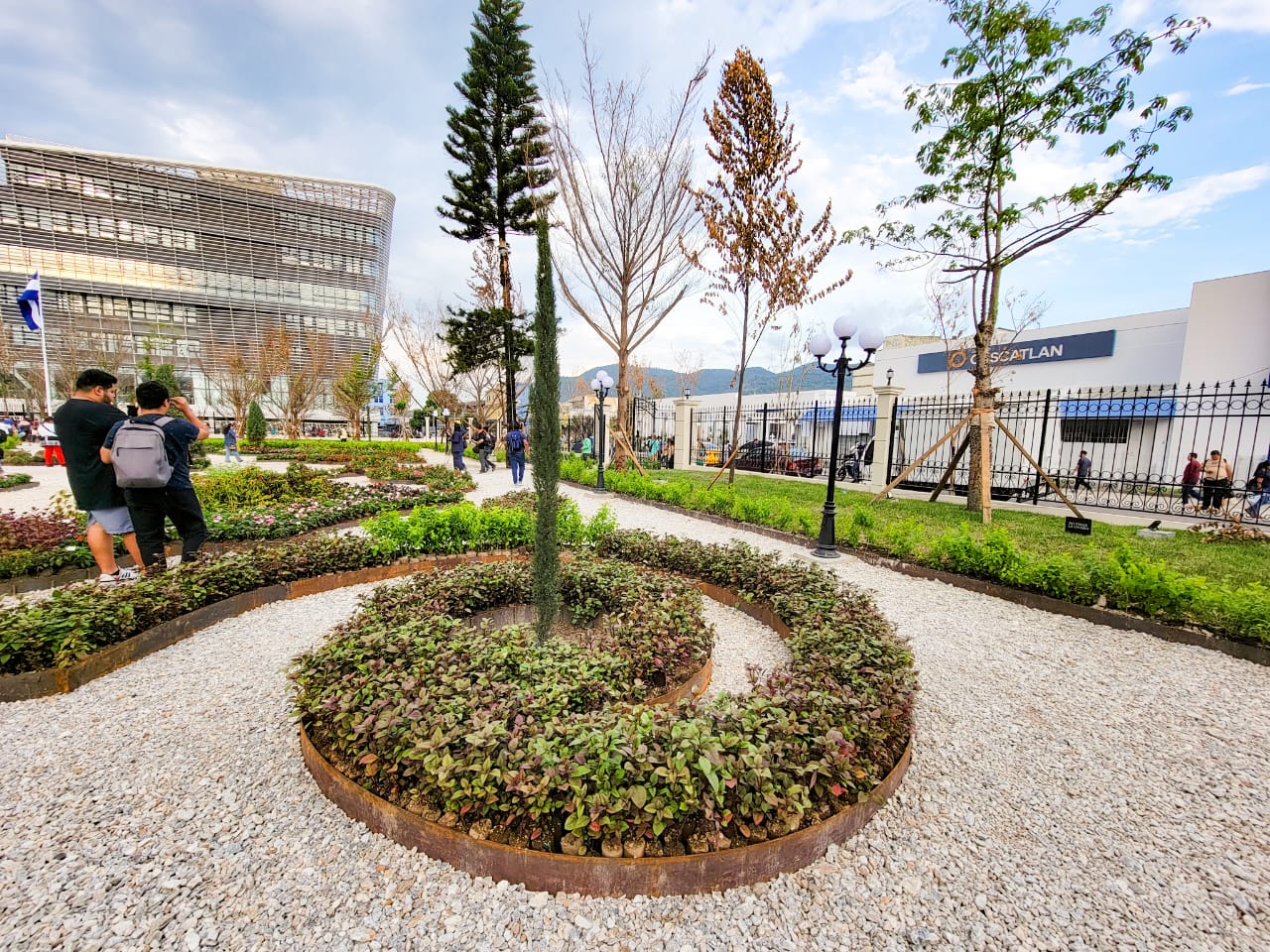
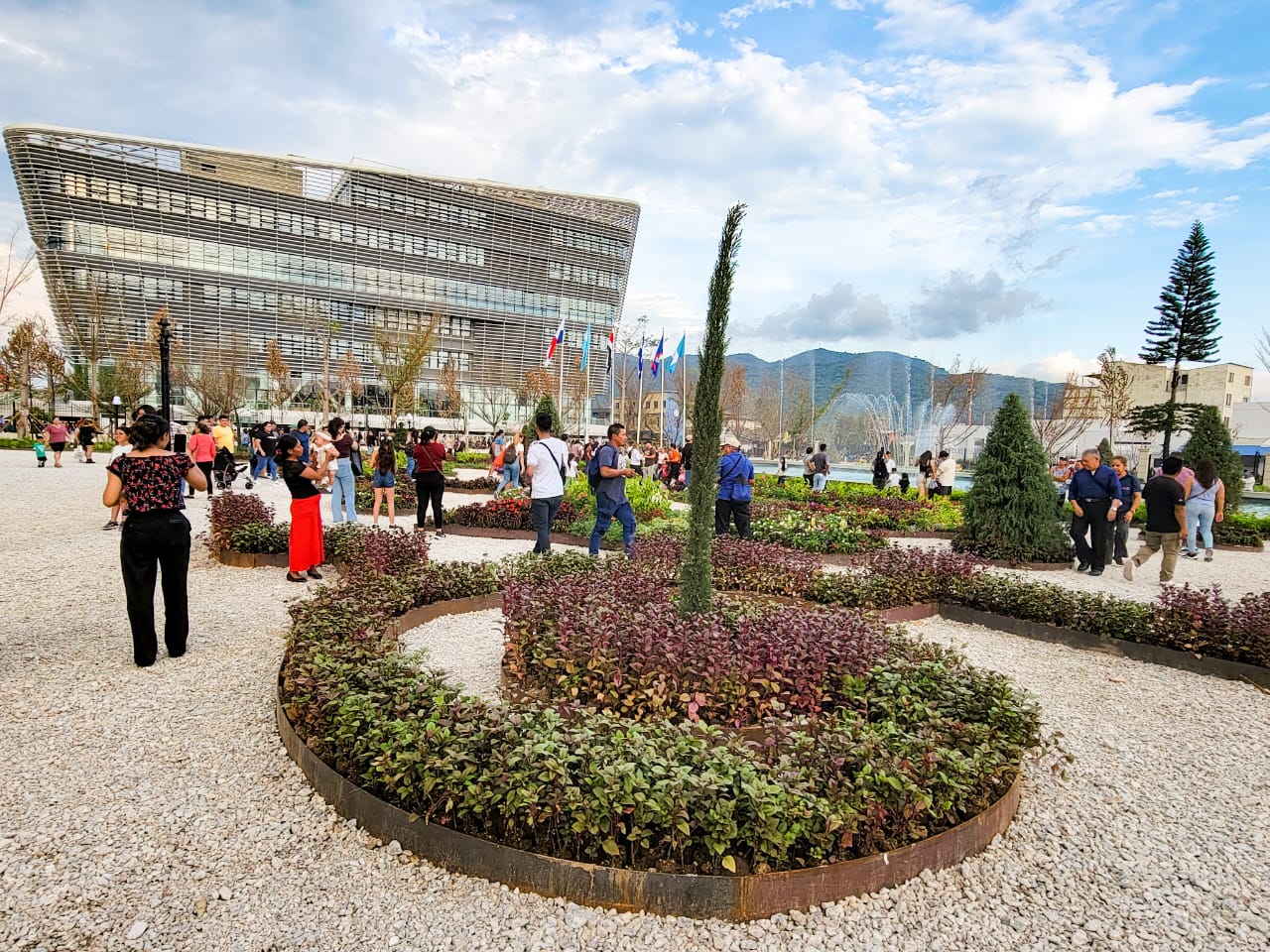
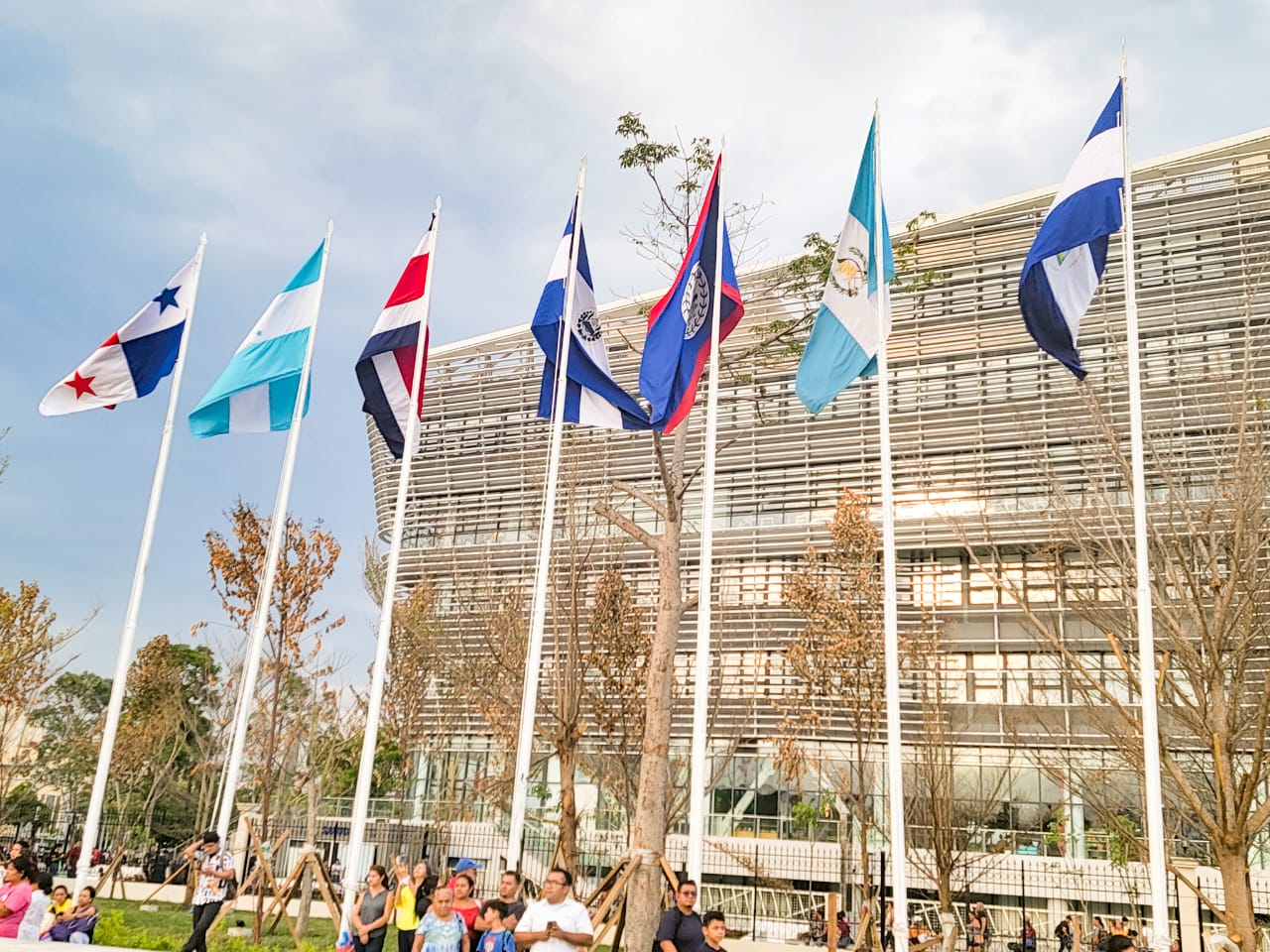
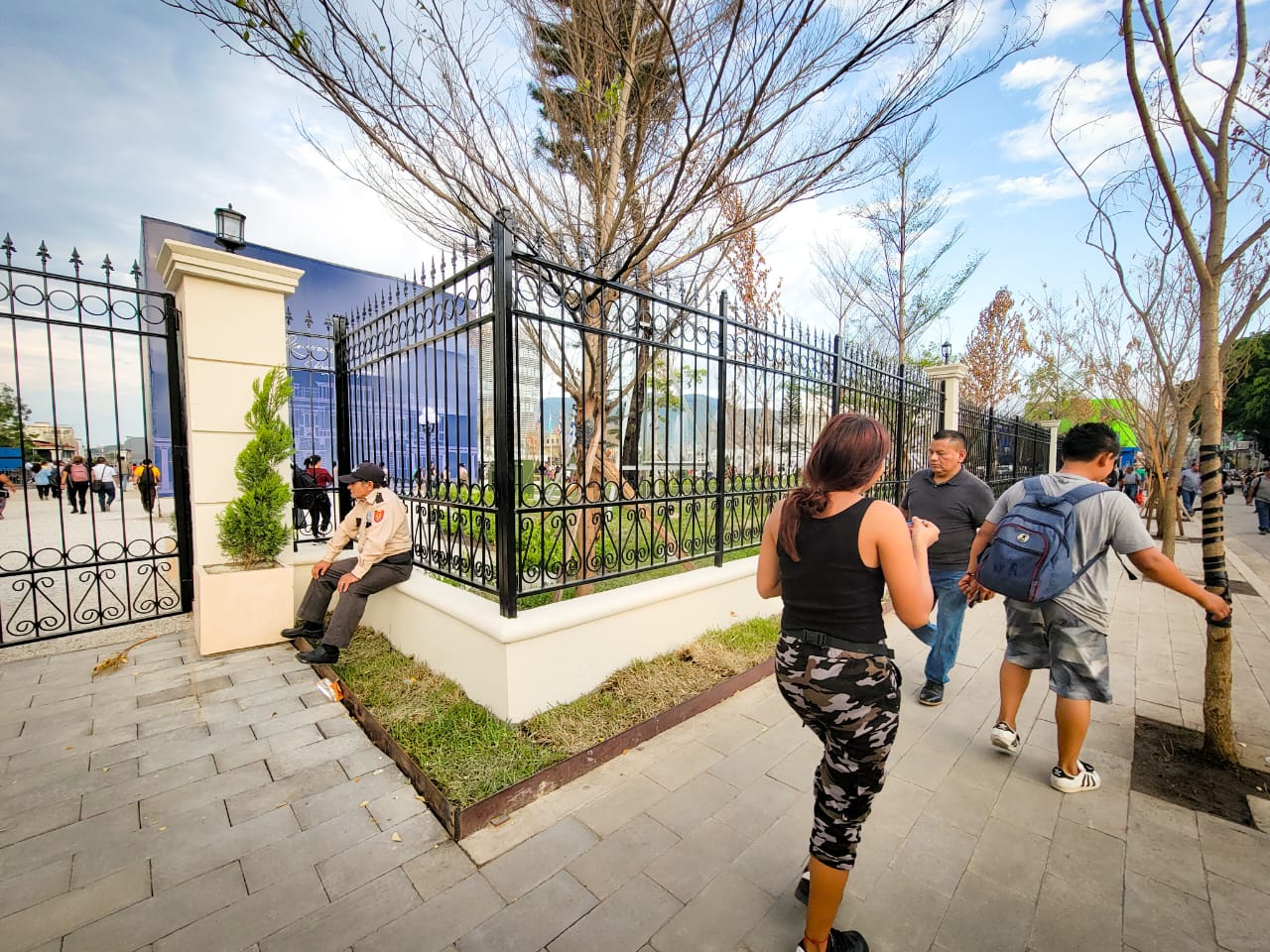
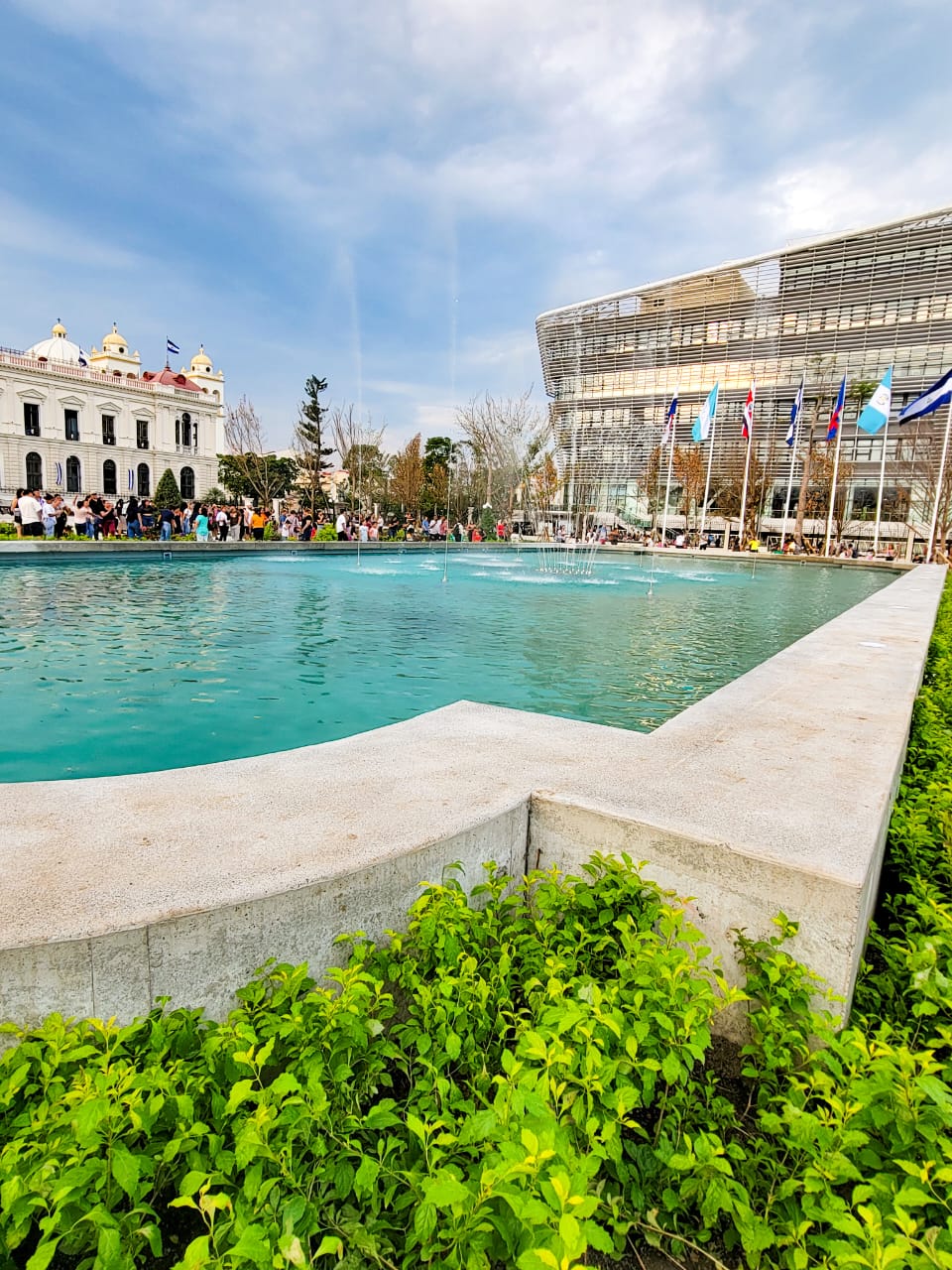
“These works are for the citizens, allowing them to appreciate the beauty of nature. The more places like this we have, the more tourism will be promoted,” said Héctor Marroquín, who visited the Central America Garden in the Historic Center of San Salvador.
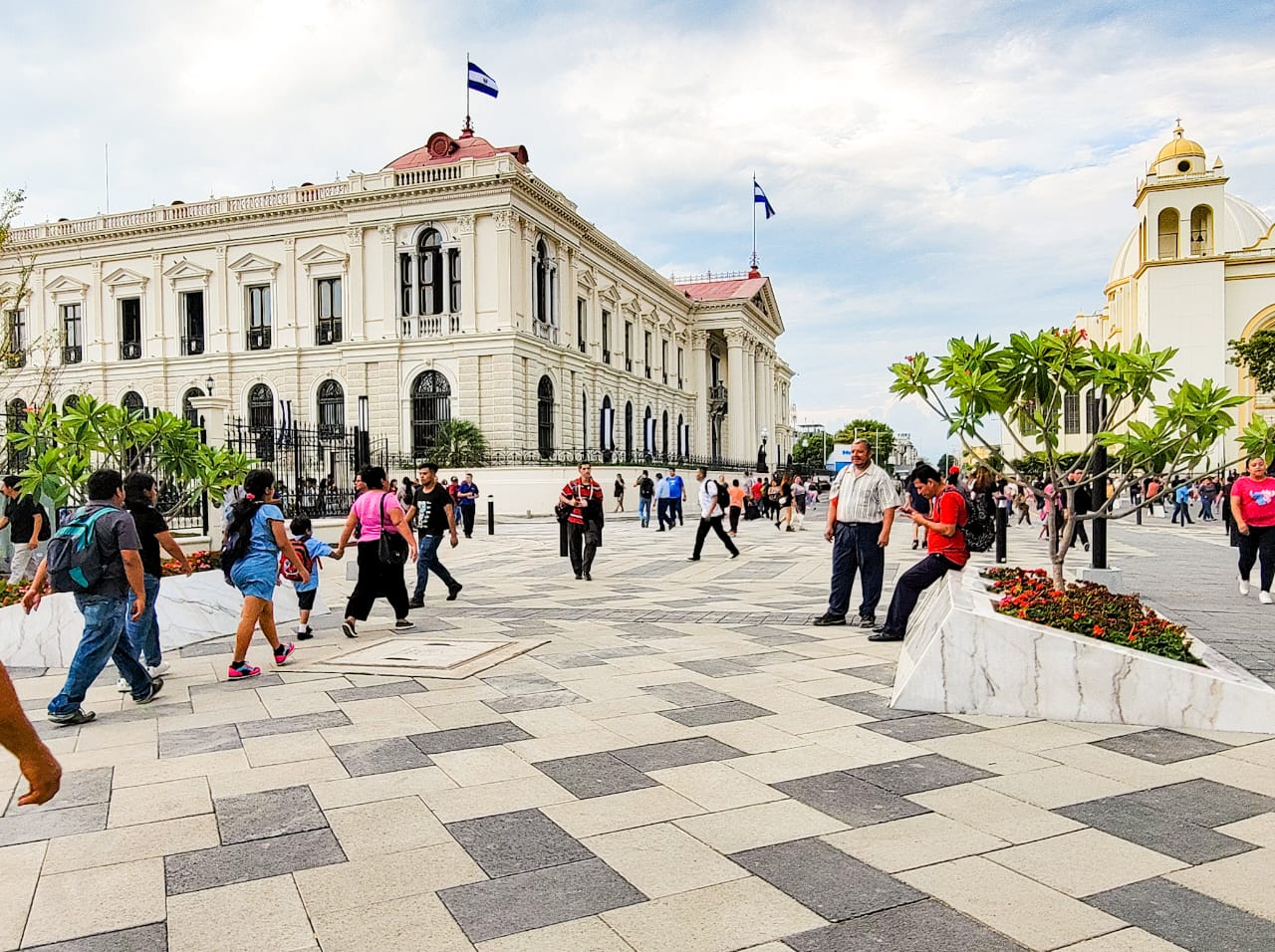
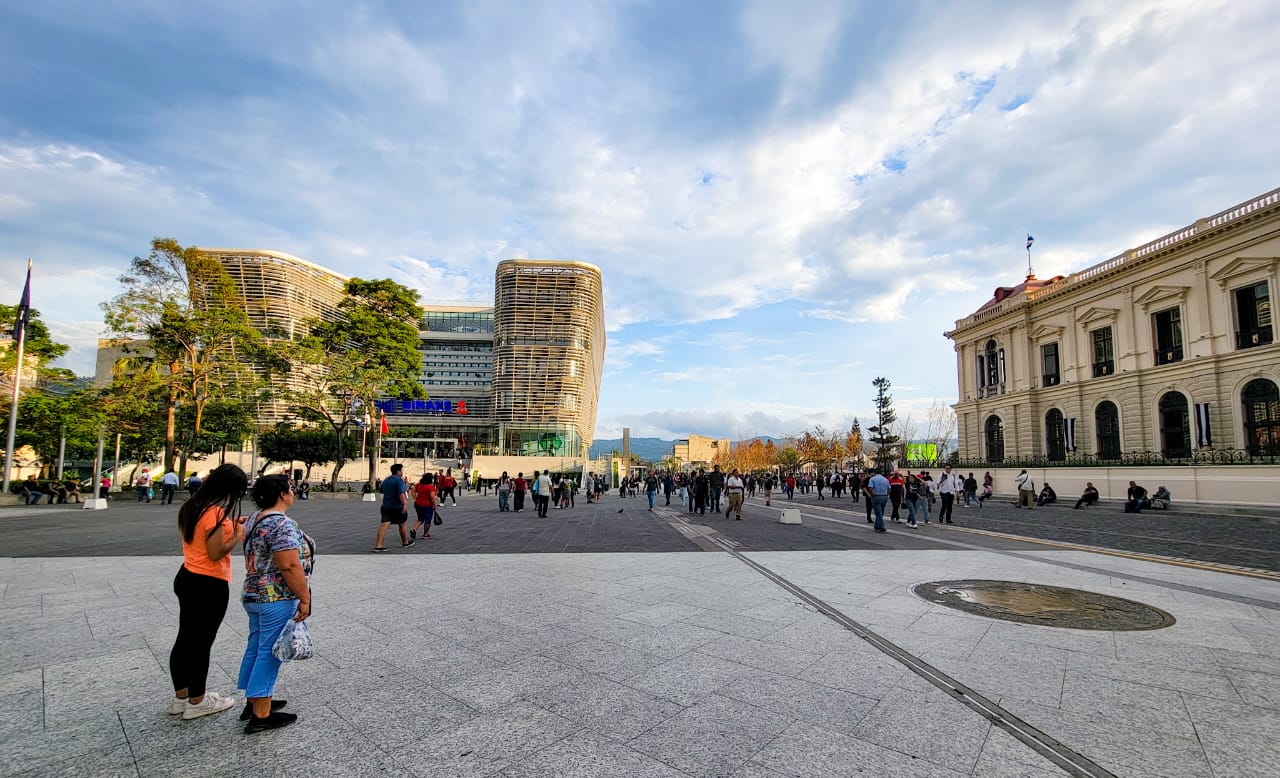
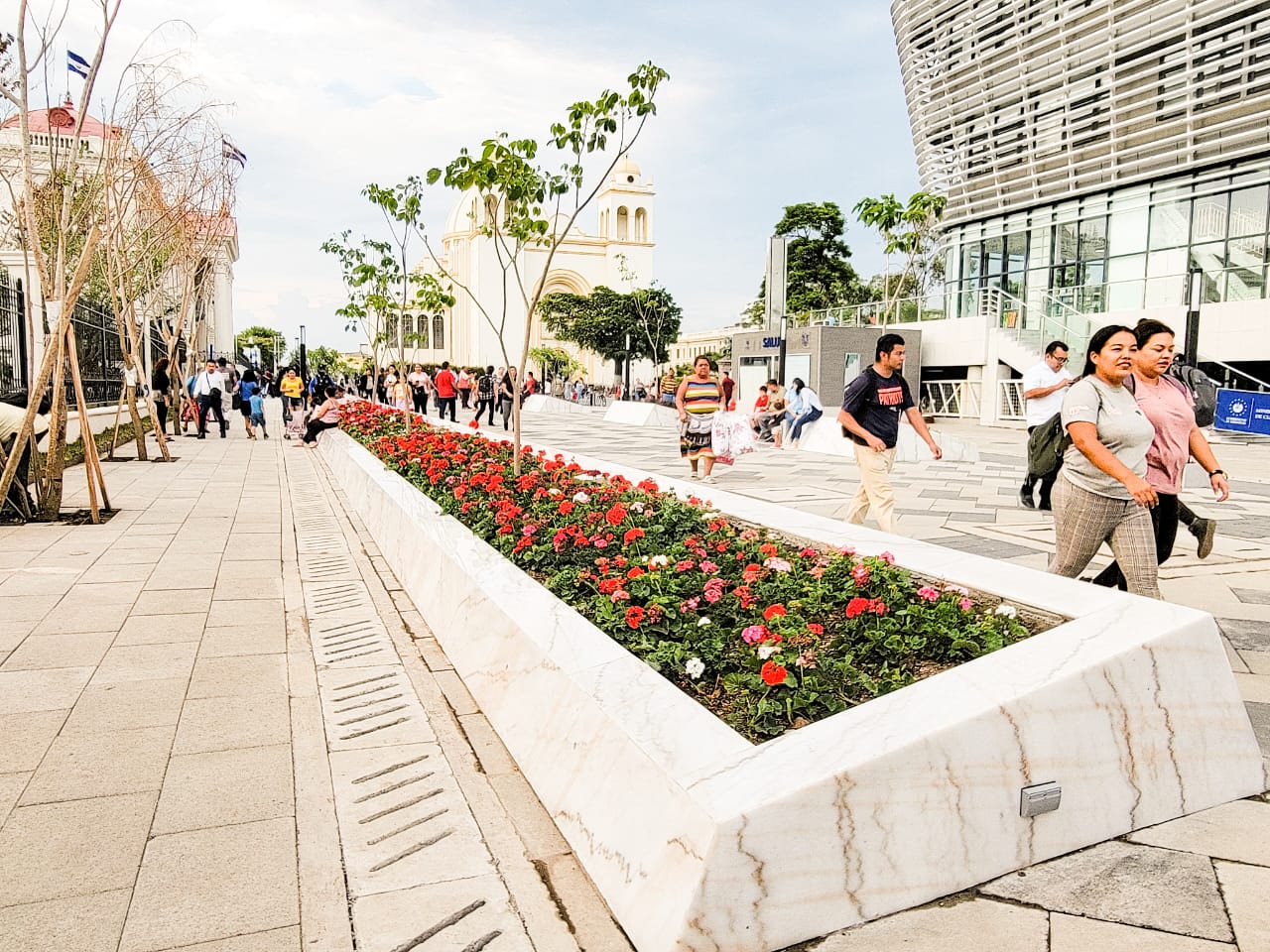
This renovated area highlights the government’s commitment to transforming the Historic Center of San Salvador into a space for the healthy recreation of both adults and children and promoting urban tourism. At night, families can enjoy delicious dishes sold nearby and listen to live music performed by national artists.
“These are spaces we couldn’t access before; now, thank God, we can have fun with the family,” said Luis Santos, who visited the area with his family.
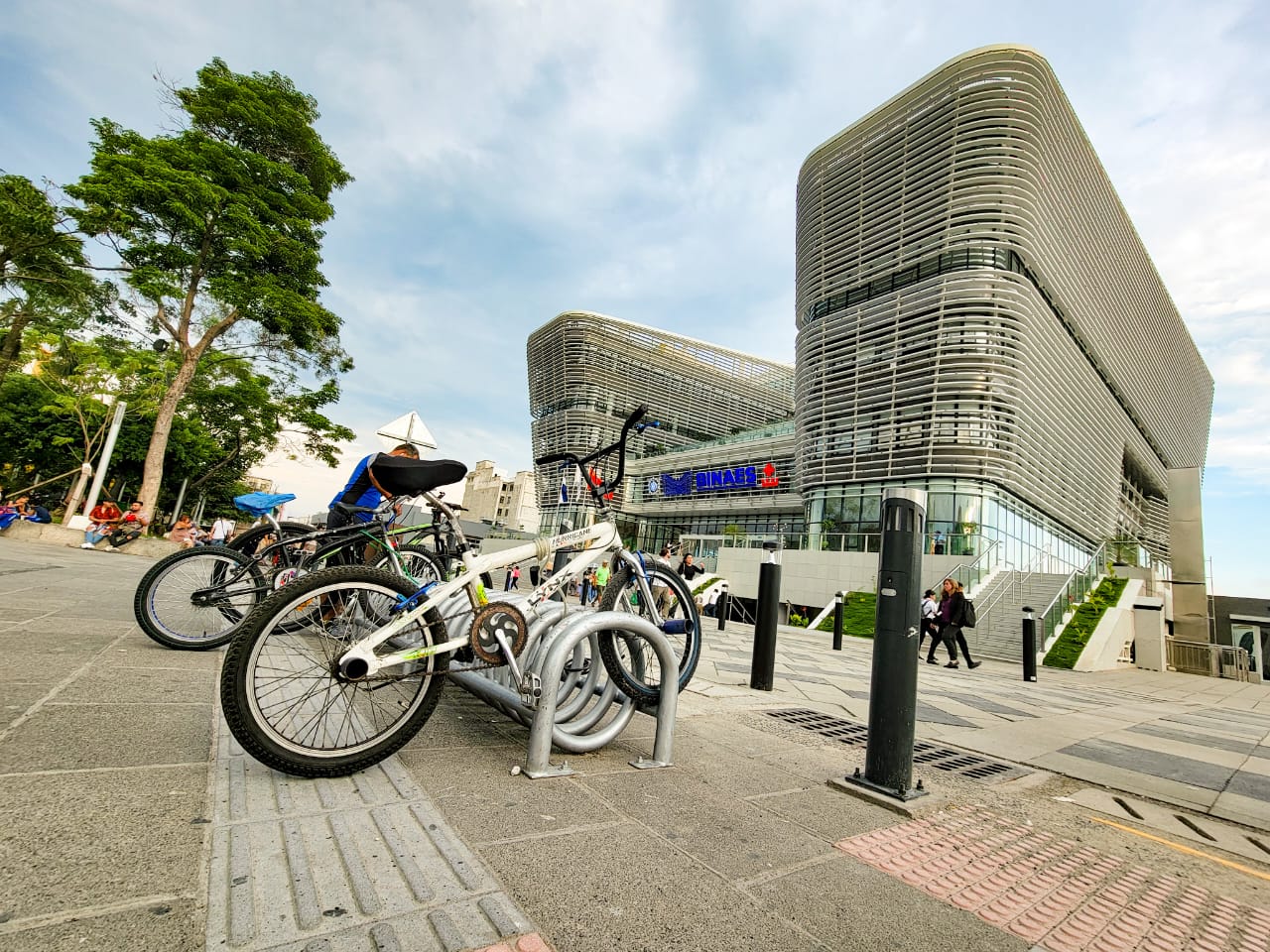
The area is well-lit, and visitors take photographs while appreciating the space. Children have a large play area as the perimeter is pedestrian-only. The government works tirelessly on public projects to stimulate the country, one of which is the revitalization of the Historic Center of San Salvador.

The Legislative Assembly of El Salvador declared the area as the Historic Center within the boundaries established in Legislative Decree No. 680, dated July 18, 2008, published in the Official Gazette No. 155, volume No. 380, on August 21, 2008.
 Mauricio Cáceres | Journalist, El Salvador & Latin America
Mauricio Cáceres is a Correspondent for Latina Republic focused on El Salvador and Latin America. He is a renowned Photojournalist and Documentarian from El Salvador. Migration is personal to him. His father and family moved to the United States as migrants. His work showcases the power of human stories. Among his specializations, Cáceres has reported on “The migrant route” of the Guatemalan border, Mexico and the United States. He completed the migrant route to the US on four occasions. Cáceres has a degree in Migration from the Universidad de Centro América, UCA. Cáceres has served as an Editor of the newspaper Más, EDH and elsalvador.com. He has extensive experience in national and international news coverage, studied journalism and has won several photography awards throughout Latin America, including second place in a photographic contest centered on the migrant woman, and earning the Santa Clara de Asís prize for his report on the migrant route.

