

Instituto Sinal do Vale, or SINAL, is a Brazilian NGO located located 50 km from downtown Rio de Janeiro in a buffer zone between the city and some of the last remaining protected areas of the Atlantic Forest. The organization works primarily for the simultaneous regeneration of ecosystems, communities, and individuals—all factors that are interconnected.
Furthermore, SINAL seeks to foster long-lasting relationships and promote diverse learning experiences through various projects, hospitality services, and educational programs while developing ways to regenerate sustainable agricultural systems, forests, soil, and communities.
View this post on Instagram
Projects are implemented on the levels of individual, community, and ecosystem in the following areas: Change Agents, Resilient Infrastructure, Hospitality and Soil, Food and Forest. Furthermore, the center hosts events, conferences, and retreats for local organizations in which emerging leaders may learn, through practical experiences, to expand their capacity for transformation in their own communities.
SINAL’s hospitality projects involve the provision of meeting spaces, accommodation, and other services for individuals and local organizations in efforts to facilitate connection and inspire engagement with nature.
“We believe that addressing the world’s complex challenges call for new ways of being, relating and doing. Our place allows people to come together in a more authentic way, where meaningful conversations take place and can unfold into new collaborations,” SINAL.

The organization’s Land Stewardship projects, meanwhile, involve developing nature-based solutions to the challenges facing local landscapes and ecosystems by engaging stakeholders in addressing their social, environmental, and economic impacts. SINAL focuses mainly on soil regeneration, sustainable agriculture systems, and equitable economic opportunities.
View this post on Instagram
“We believe that the world’s ambitious commitments around restoring the social and ecological functions of territories can only be achieved through decentralized arrangements where communities take up responsibility as co-guardians of their bioregion,” SINAL.
Lastly, SINAL’s vision is immensely centered on the realm of education, as it creates learning experiences for those of all ages to expand their capacity to be change-agents in their own communities.
“We are a campus for those who want to make a difference in the world, providing a space where they can experiment and innovate from the ground up,” SINAL.
SINAL is certified as an Advanced Post of the Atlantic Forest Biosphere Reserve by UNESCO, is a member of the Chamber of Biodiversity of the Serra da Estrella State Wildlife Refuge, and is certified as a Global Ecosphere Retreat by the Long Run Initiative.
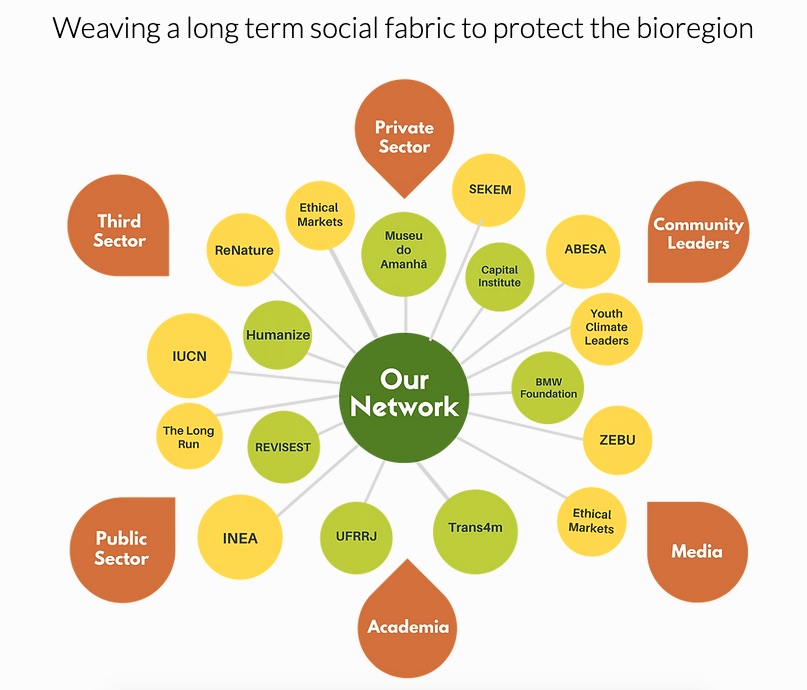
In less than a decade, the organization has impacted over 4,000 globally in its efforts to nurture agents of change. Those who engage in SINAL initiatives come in many forms and from many walks of life—as students, interns, volunteers, or as guests of retreats and conferences.
SINAL has, in total, hosted 48 national and international learning conferences on topics ranging from social entrepreneurship to sustainability and agroecological techniques. Over 8,000 trees have been planted through different reforestation and agroforestry projects, regenerating nearly 20% of the surrounding territory. SINAL, meanwhile, monitors Golden Lion Tamarin populations through a research station that monitors the endemic and endangered species within SINAL grounds.
Ultimately, SINAL strives in all domains to empower the local community in ways that allow them to connect with nature, themselves, and others.
 Clara Rabbani | University of Chicago
Clara Rabbani is a rising sophomore at the University of Chicago, majoring in Anthropology with a minor in Urban and Environmental Studies. She is passionate about poetry and is the editor of “The World is Waking Up: Poetry of Resistance from Youth Around The World”. With a Brazilian and Iranian background, she is also fascinated with the diversity of human cultures and their intersection with environmentally sustainable practices. She will be collaborating as the Environmental Writer for Brazil.