

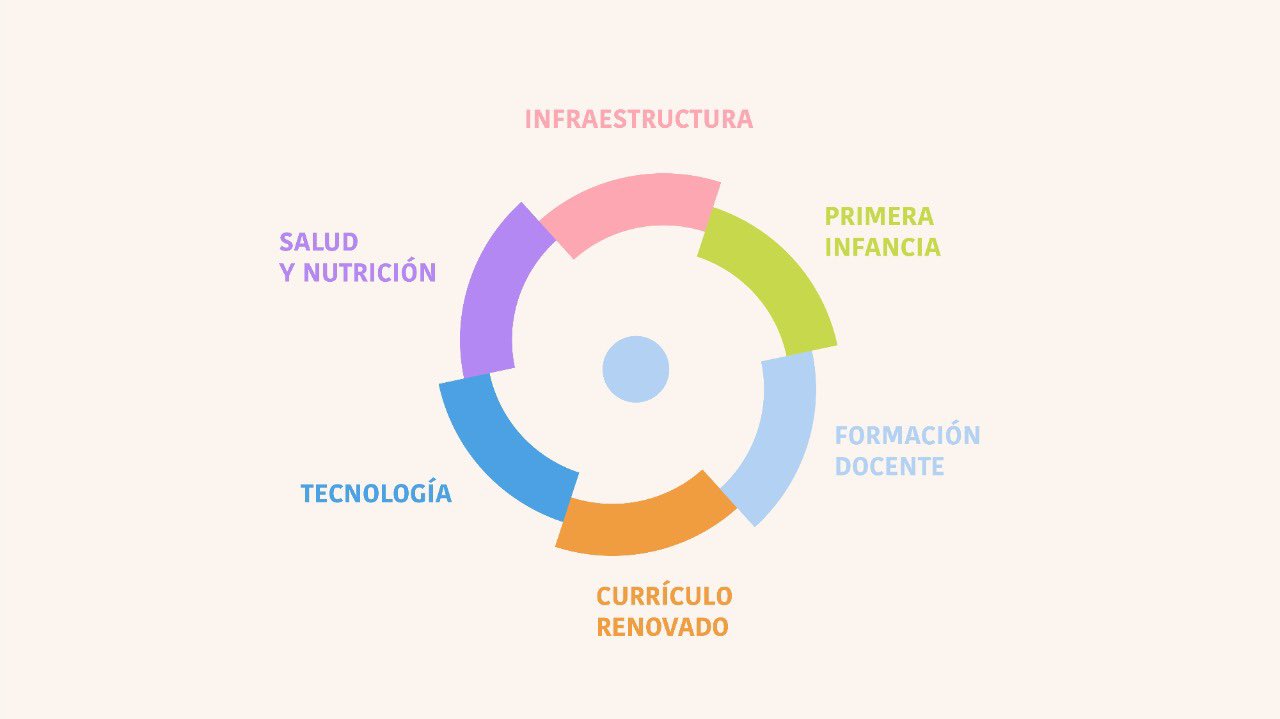
El Salvador Launches Mi Nueva Escuela, an educational reform program intent on bringing equality of opportunity for all. The plan targets six pillars: Infrastructure; Early childhood; Teacher training; Renewed Curriculum; Technology, Health and Nutrition.

El Salvador Launches Mi Nueva Escuela
The President of El Salvador, Nayib Bukele, has initiated an educational reform plan known as: Mi Nueva Escuela. The last reform of the Salvadoran educational system dates back to 1995 and since then, “the sector was practically abandoned,” reports the official press, Diario El Salvador.
New Books
The president said last Wednesday -when he made the announcement-that the old books will leave the educational system to be replaced by the Árbol de Vida collections, with content such as Growing Up Reading and Textures of My Land.

Inclusivity in Learning
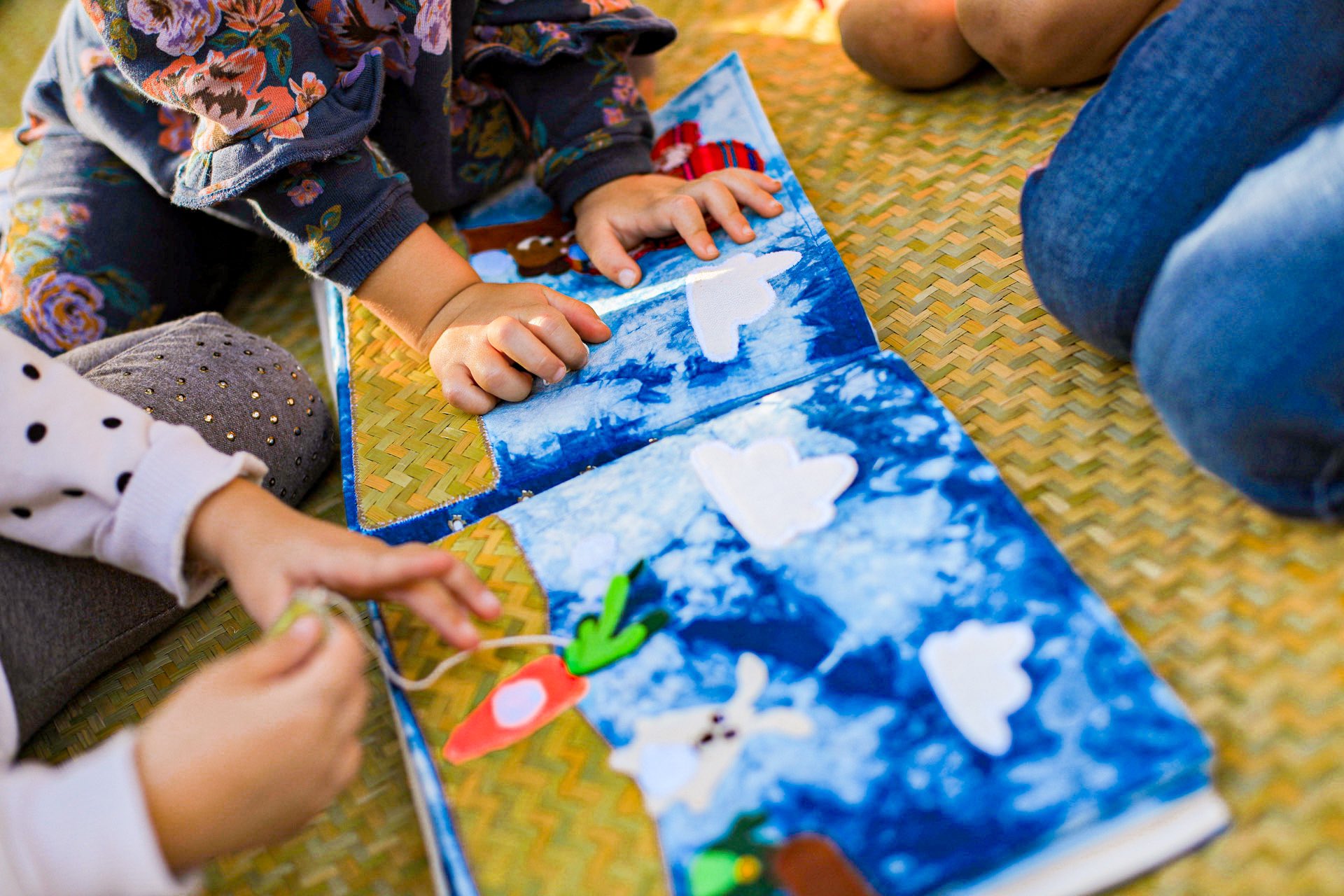
The reform is inclusive. Learning materials will be available in braille and audio books for students with disabilities.
For early childhood, the delivery of mini tablets is under consideration.

The Bukele Administration has already delivered tablets and computers to students from first grade to high school in the public education sector. This year the investment in the Education branch totals $1,472.23 million, which corresponds to 5.1% of the Gross Domestic Product (GDP).

Ley Crecer Juntos
The reform will go hand in hand with the Ley Crecer Juntos, which will come into force on January 1, 2023, and which is promoted by the First Lady of El Salvador, Gabriela de Bukele.

Crecer Juntos aims to provide quality education-inclusive and integral-to the entire public education system, as announced by President Bukele.
La fase dos del Plan de Formación de la #LeyCrecerJuntos inicia con la capacitación de más de 2,500 docentes que atienden a la niñez salvadoreña desde los cero hasta los 8 años en los departamentos de La Libertad y Chalatenango. pic.twitter.com/zK0jdq4lmD
— Casa Presidencial ?? (@PresidenciaSV) September 9, 2022
Current State of Schools
“These are the schools that our children and possibly, many adults attended. These are not closed schools,” President Bukele.
“Estas son las escuelas en las que nuestros niños y quizás muchos adultos recibieron clase. Estas no son escuelas clausuradas, son las escuelas a las que asistían miles de niños y jóvenes”, Presidente @nayibbukele. pic.twitter.com/1JXn0oaJrU
— Casa Presidencial ?? (@PresidenciaSV) September 7, 2022

What Renovation Will Do

Infrastructure Renovations
In addition to renewing the curriculum, the infrastructure of schools will also be improved. From September of this year to September 2023, 1,000 schools will be remodeled and within five years, 5,150 nationwide.

The first school to be remodeled through the new reform is the José Ciro Brito Educational Center, in the municipality of Nahuizalco, Sonsonate.

The works will be executed by the Dirección Nacional de Obras Municipales (DOM), the Ministerio de Obras Públicas (MOP) and the Ministerio de Educación (MINED).

Financing Education Reform
The president explained that the source of financing is the Central Government’s own funds and multilateral banks, with organizations such as the Banco Centroamericano de Integración Económica (BCIE), the Banco Mundial (BM) and the Banco Interamericano de Desarrollo (BID).
Reform in Teacher Training, Technology, Materials
The educational reform will also be accompanied by teacher training and technology in schools, which includes the renovation of desks, and the installation of refrigerators and kitchens in each school to feed students.
Equal Opportunity
“We are going to work to guarantee equal opportunities. Everyone will have textbooks, braille books, audio books, internet and everything they need to get ahead. But the outcome will depend on the students and their parents,” President Nayib Bukele.
In the announcement of Mi Nueva Escuela, Nayib Bukele said the comprehensive educational reform is the counterpart of the #GuerraContraPandillas, to stop the social problem that has originated gangs in the country.
 Soledad Quartucci | Latina Republic
Dr. Soledad Quartucci is the founder and CEO of Latina Republic, a 501(C)3 California-based nonprofit organization. Latina Republic is a reporting, research, advocacy and charitable organization advancing human rights in the Americas. We fill the void in coverage of urgent social, political, human rights, economic and gender inequalities affecting the Americas. Through our allies in Latin America, we highlight contributions, heritage, history, leadership and innovation. Latina Republic reports on stories that integrate local strategies to the betterment of the region. We make space for and empower unheard voices and celebrate the rich histories of Latin America.