Sea Turtle Protections in El Salvador
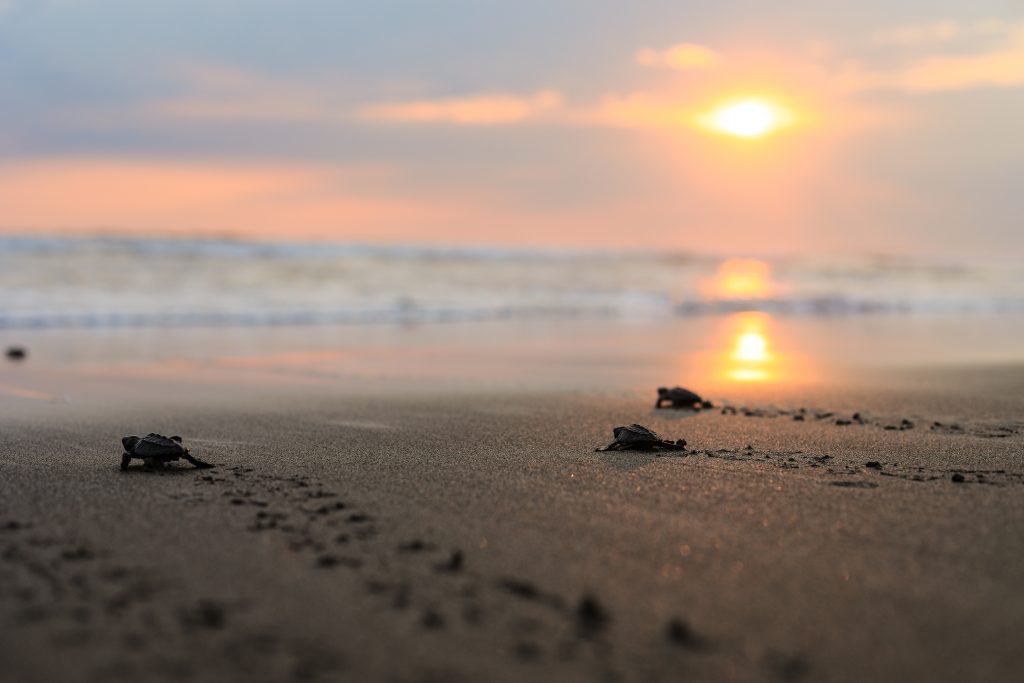
More than 11 million sea turtle hatchlings have been released on Salvadoran coasts, according to El Salvador’s Ministry of the Environment and Natural Resources (MARN).
The release of sea turtles in El Salvador is possible thanks to the National Program for the Conservation of Sea Turtles and is carried out through to the support of civil society.
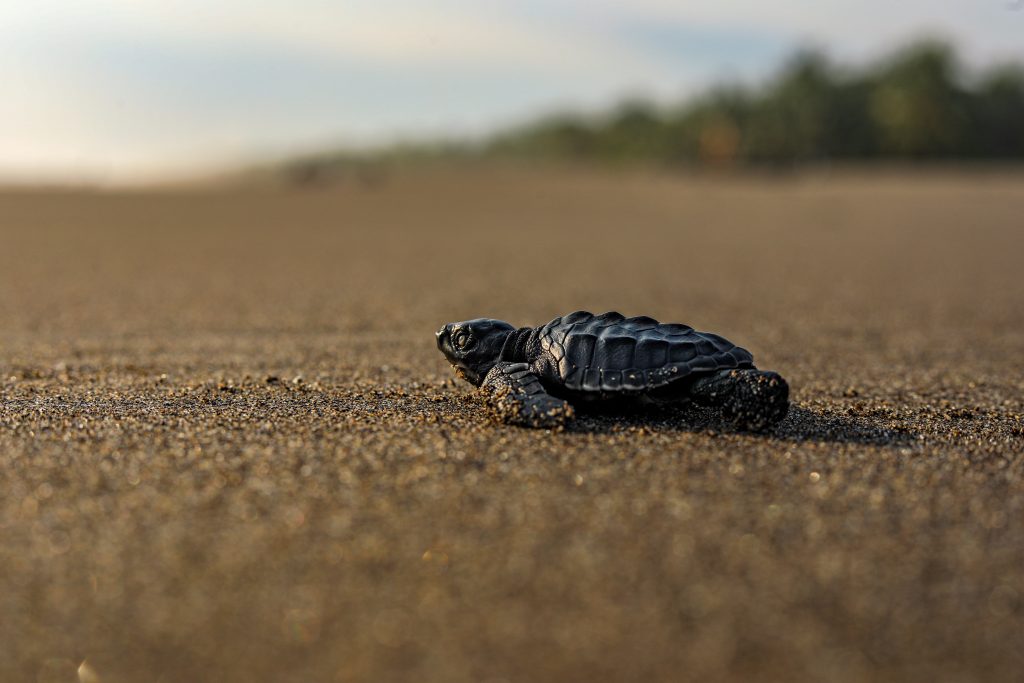
The coasts of the Salvadoran territory have been the scene in which more than 11 million hatchlings of sea turtles have been released, stated (MARN) on Friday, March 3rd in the framework of the commemoration of the World Wildlife Day.
World Wildlife Day
On December 20, 2013, the UN General Assembly, in its 68th session, proclaimed March 3 as World Wildlife Day through a resolution with the aim of raising awareness about the value of wildlife and the wild flora. The chosen date marks the anniversary of the approval in 1973 of the Convention on International Trade in Endangered Species of Wild Fauna and Flora (CITES), which plays an important role in the protection of species against the international trade.
The Convention recognized that “wild fauna and flora, in their many, beautiful and varied forms, constitute an irreplaceable element of the earth’s natural systems, and must be protected for this generation and those to come; and that peoples and states are and must be the best protectors of their wild fauna and flora.”
The Convention also determined that international cooperation is essential for the protection of certain species of wild fauna and flora against overexploitation through international trade.
Sea Turtles Global Risks
Poaching And Direct Consumption
Hunting and gathering of eggs for consumption are the main causes of the drastic reduction in populations around the world. Turtle eggs are considered an aphrodisiac in some countries and are eaten raw or sold as snacks in bars and restaurants.
Bycatch
Every year thousands of turtles are trapped by shrimping operations. Sea turtles are reptiles, so if they can’t get to the surface to breathe, they drown. Longline and gillnet fisheries are also among the major causes of mortality among sea turtles. Every year, sea turtles get caught in trawls, longline hooks, and fishing nets.
Illegal Commerce
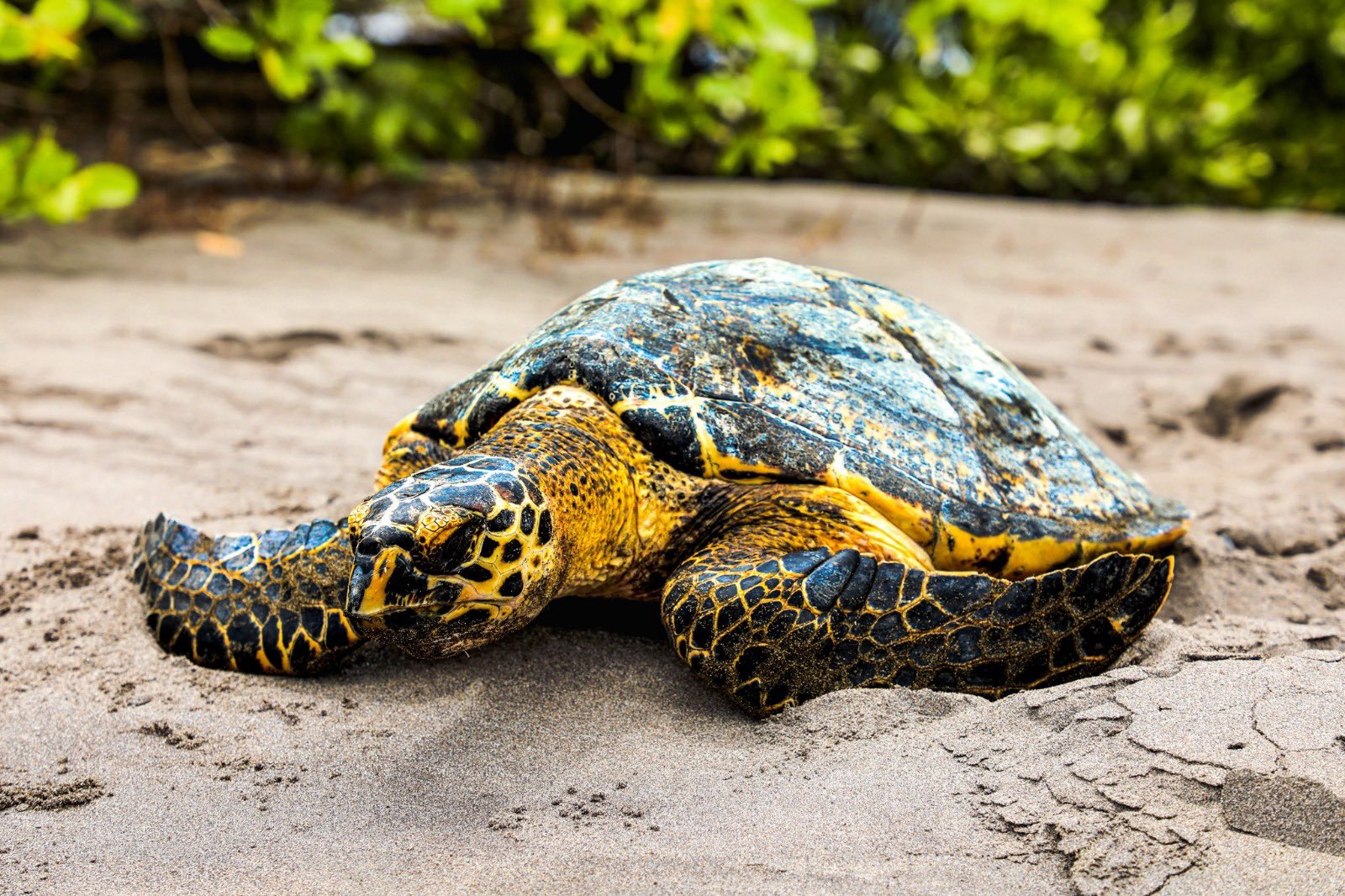
Strong demand and high market prices for sea turtle shells – especially hawksbills – and leatherback leather products threaten populations of these vulnerable species.
Climate Change
The changing climate and global warming can have a severe impact on turtle populations. The determination of the sex of sea turtles depends on the temperature. A change in global temperatures alters the temperature of the sand, which affects the sex of the hatchlings and increases the risk of instability in the composition of the populations.
Marine Trash And Pollution
Sea turtles can mistake floating plastic objects for food, such as jellyfish, and suffocate when trying to eat them. They become entangled in discarded fishing gear, drowning, or unable to feed or swim. Litter on beaches can trap newly hatched hatchlings and prevent them from reaching the sea. Oil spills can poison turtles of all ages.
Coastal Urbanization And Loss Of Habitats For Nesting And Searching For Food
Uncontrolled coastal development has destroyed beaches that are essential for nesting. Lights from roads and buildings attract newly hatched hatchlings and disorient them away from the sea. Human and vehicle traffic on beach restoration projects, which include dredging and sand-filling, destroys nearshore feeding areas and turtle nesting beaches.
WWF recommends spreading awareness to the inhabitants so that they avoid consuming turtle eggs and meat. They also advice conducting studies of their migratory routes and their nesting sites to protect those, avoid eating turtle meat and eggs and reduce the use of plastic bags.
MARN’s Efforts to Preserve Sea Turtles
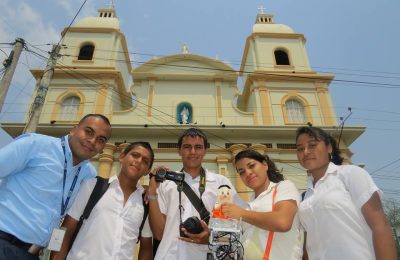
In El Salvador, the Ministry of the Environment, as well as other State agencies, coordinate efforts for the preservation and care of wildlife in the country. Similarly, endangered species are preserved under strict care in Protected Natural Areas strategically located in the national territory.
Within the framework of said commemoration, MARN pointed out several actions that are carried out in El Salvador for the protection of wildlife, including the release of sea turtles.
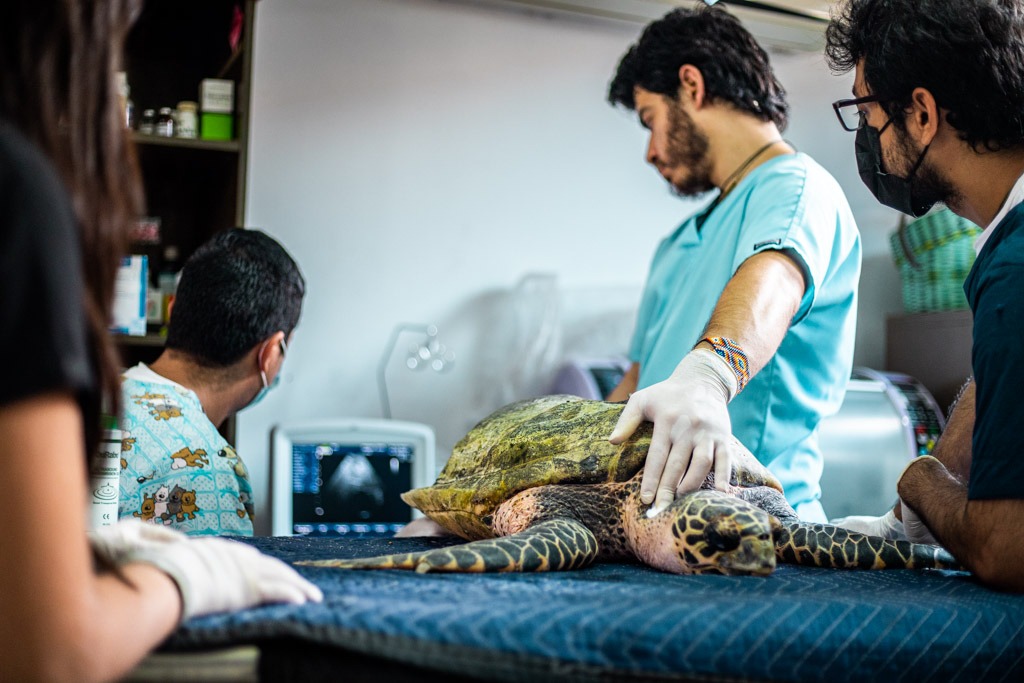
Sea Turtle Protections
El Salvador promotes the protection of the 4 species of sea turtles that visit the nation’s coast.
Hawksbill, leatherback, olive ridley and brown turtles are priority species for El Salvador. Through the country’s National Conservation Program, El Salvador seeks to direct actions for their protection and the integral and sustainable development of the marine coastal zone, in a participatory manner and with shared responsibilities.
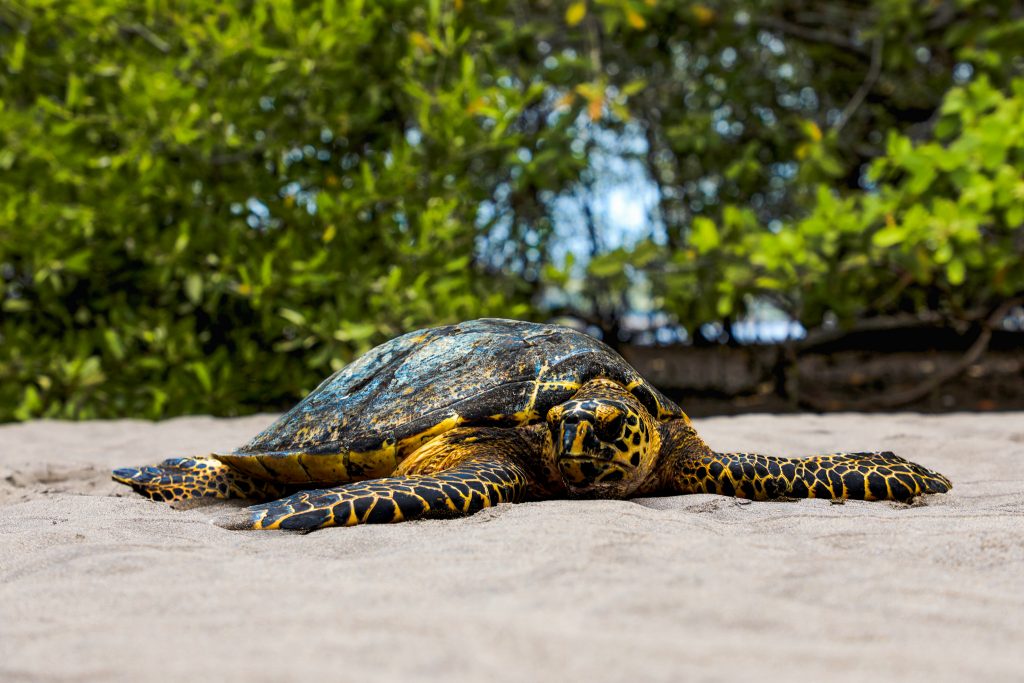
Through the Ministerio de Medio Ambiente, El Salvador promotes research and monitoring, articulates efforts to improve the application of regulations, promotes the generation of instruments and processes for decision-making and the elimination of sociocultural patterns that affect sea turtles and their ecosystem.
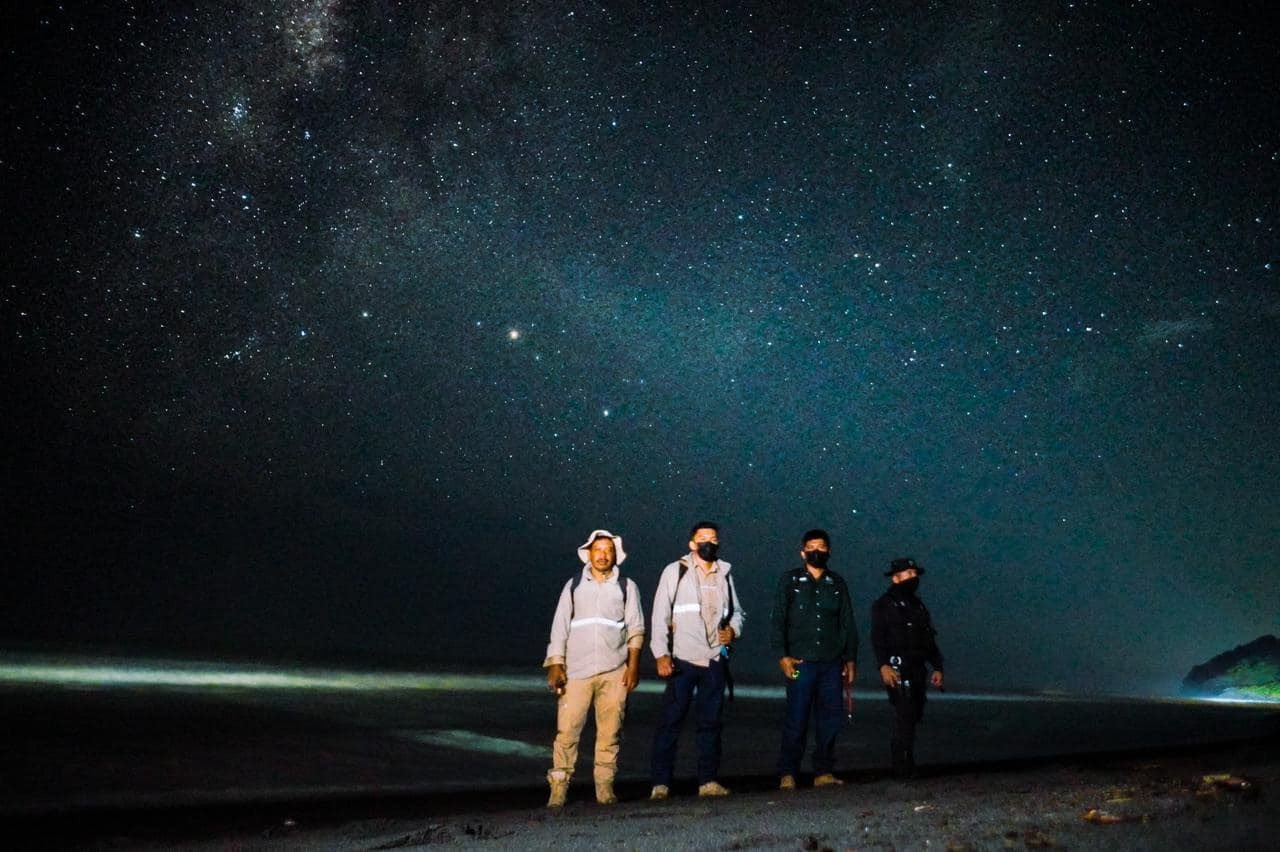
The Ministerio leads subprograms for environmental awareness and education, conservation of key ecosystems for the recovery of sea turtle populations, research and permanent monitoring, management of sea turtles, and governance and strengthening of local capacities.
As a result of this implementation, more than 11 million hatchlings of sea turtles of the 4 species that nest in El Salvador have been released on El Salvador’s coast, a joint action with civil society that adds to our National Sea Turtle Conservation Program.
“We are establishing procedures for dealing with stranded ones and obtaining operating permits for incubation pen projects, as well as a manual for incubating sea turtle eggs. We maintain preventive patrols and make seizures of sea turtle eggs during the nesting season, to prevent them from being traded. In addition to including a component of environmental awareness and distribution of educational material,” detailed the Ministerio de Medio Ambiente, El Salvador.
These and other actions are aimed at promoting changes in attitude and the way in which the population relates to sea turtles, in order to conserve these species and their vital ecosystems.
To stay updated on the work of the Ministerio de Medio Ambiente, follow them on Twitter: @MedioAmbienteSV; Facebook: MedioAmbienteSLV
 Dr. Soledad Quartucci | Founder
Latina Republic is a reporting, research, and advocacy nonprofit organization advancing human rights in the Americas. Latina Republic fills the void in coverage of urgent social, political, environmental, economic and gender inequities affecting the Americas. Latina Republic’s mission is to inspire humane policies that fortify relations between the U.S. and Latin America. Our work is guided by peaceful international relations focused on solidarity. We believe asylum and seeking refuge is a human right. Our work envisions a world where neighboring countries are seen as partners, and immigrants and refugees don’t have to live in the shadows. Our goal is to advance peaceful dialogue by highlighting local perspectives that don’t make it into the mainstream news. Our vision is that this knowledge will assist all stakeholders in solving regional problems while strengthening ties.