Visiting San Salvador
Latina Republic contacted the Ministry of Tourism of El Salvador to seek their recommendations for Rutas de Turismo (Tourism Routes) tailored for first-time visitors to the country. They directed us to elsalvador.travel, where comprehensive information on all tourist routes and trip planning details for El Salvador can be found. In the upcoming series, we will be focusing on each route individually.
In this edition, we spotlight the top attractions in San Salvador and have handpicked a few suggested places from elsalvador.travel. It’s important to note that this is just a sample, as the city abounds with a wealth of incredible experiences waiting to be explored and uncovered.
SAN SALVADOR
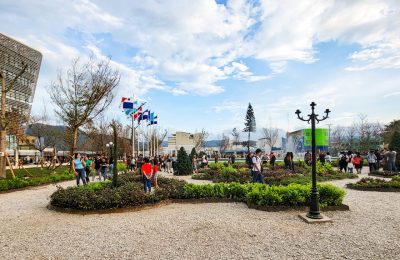
The capital of El Salvador is an excellent starting point for any adventure in the country. It offers a diverse range of options for leisure, culture, shopping, and business.
Situated just 40 kilometers away from the International Airport, the capital houses the government headquarters, major companies, embassies, charming boutique hotels, and luxurious five-star accommodations. Additionally, visitors can explore museums, monuments, and residential areas.
In San Salvador, you’ll find modern shopping centers featuring renowned international brands and cherished local ones. The heart of the city is its Historic Center, where iconic landmarks like the National Theater, the Metropolitan Cathedral, and the National Palace reside. The area is surrounded by small shops that offer a glimpse into the city’s daily commercial life, making it an important cultural and historical hub.

How to get there
From the Aeropuerto Internacional de El Salvador San Óscar Arnulfo Romero y Galdamez, take the highway to Comalapa. In just 50 minutes you will reach the city center.
The following coffee shops and hotels are some of the recommended sites in El Salvador Travel.
Where to Eat-Coffee Shops
2a. Calle Ote. 2a. Av. Sur, Local 6, Edificio El Fenix. San Salvador, El Salvador
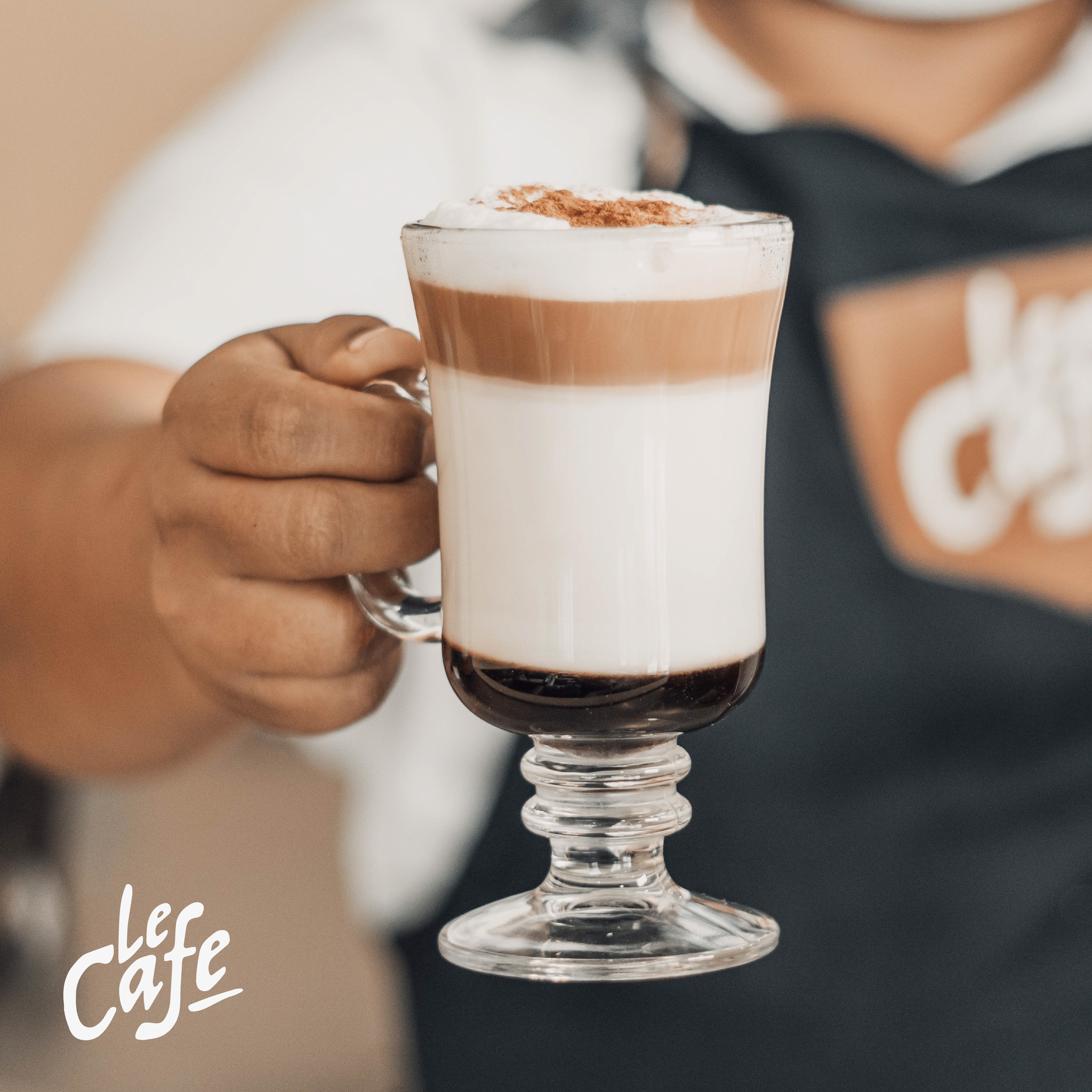

2da. Calle Oriente, Edificio Santa Teresa, Local No. 3, a 15 metros a la izquierda de la puerta del Teatro Nacional, San Salvador

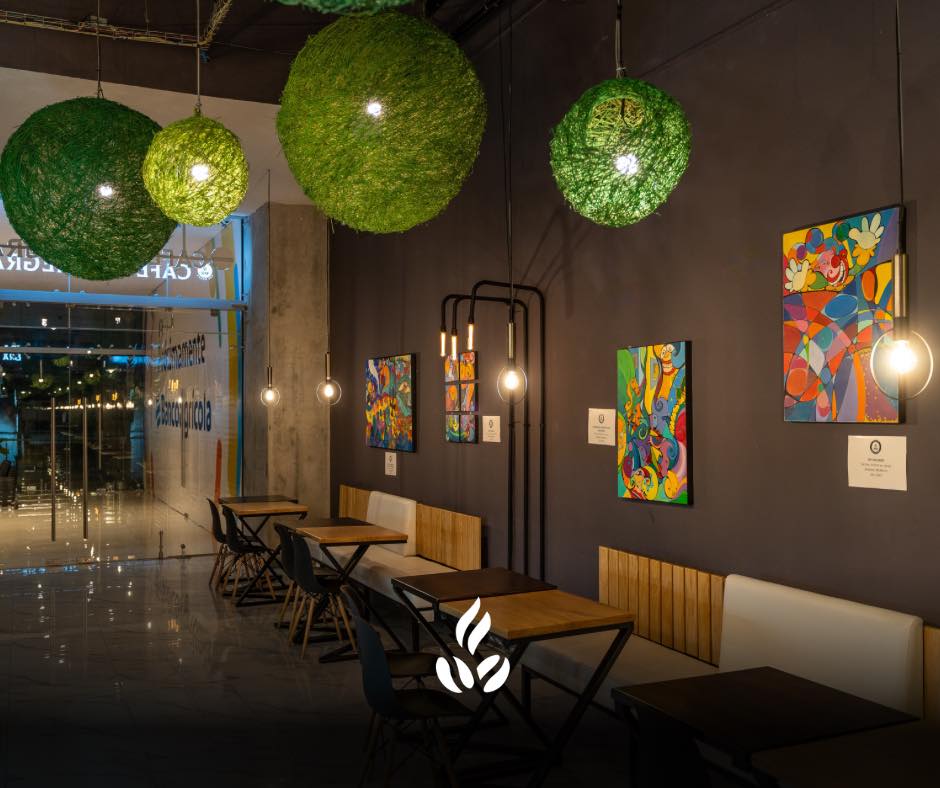
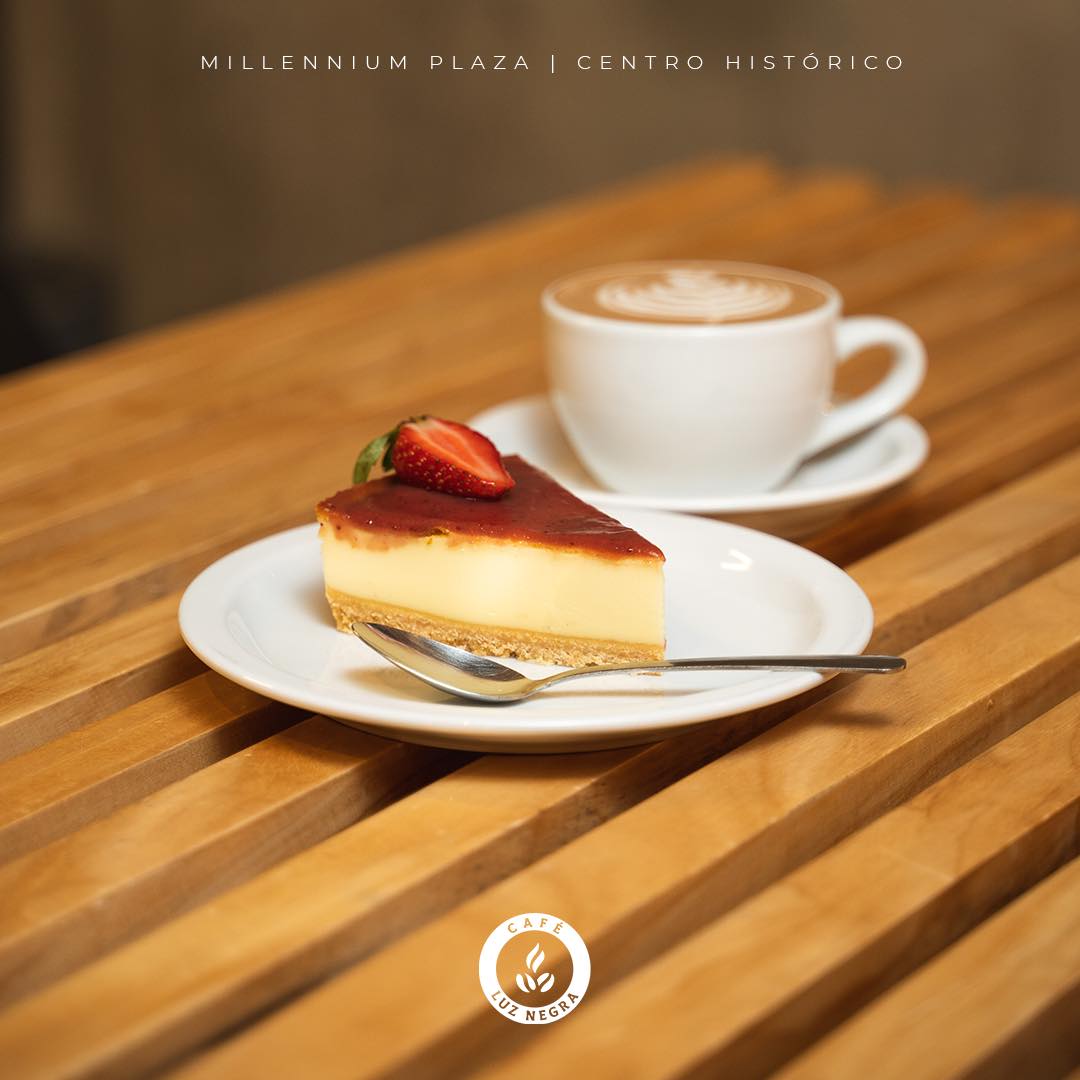
Café Teatro in the Centro Histórico de San Salvador
The recommended starting point of the journey is the Historic Center, nestled amidst iconic buildings in the heart of San Salvador. Within the National Theater of San Salvador lies a café that showcases an architectural gem.
The café’s structure and design pay homage to the original beauty of the National Theater, accentuating its charm and allowing visitors to relive the elegance of this unique property.
At this café, you can indulge in a variety of coffees, particularly those from El Salvador, paired with delicious desserts and other appetizers.
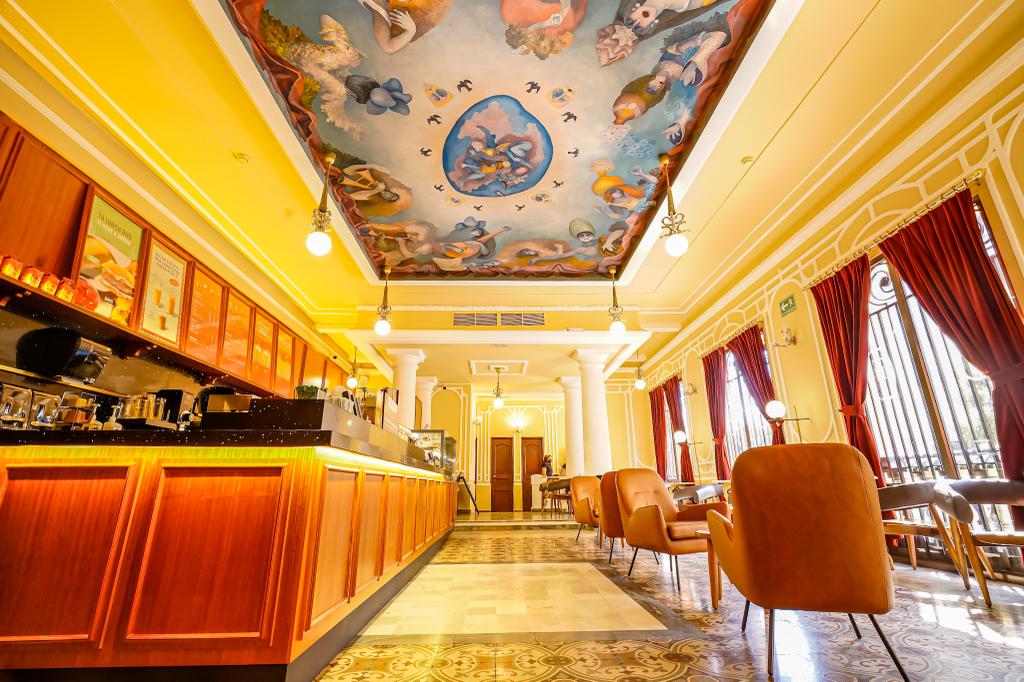
Café Palacio in Santa Tecla
11 kilometers from San Salvador is the Tecleño Palace in Santa Tecla, an infrastructure of more than 112 years composed of 1,570 square meters of art, beauty, and well-preserved wooden doors, columns and balconies.
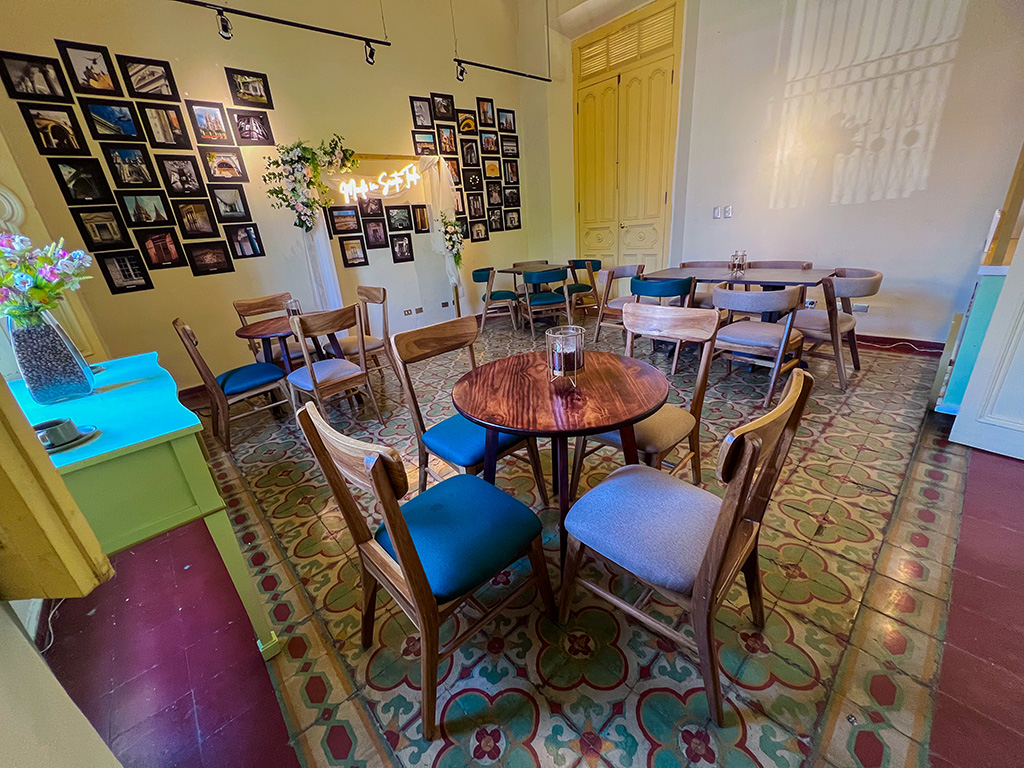
Inside, is Café Palacio, where visitors can consume 100% Salvadoran coffee, as well as desserts made by local entrepreneurs. The venue can also be reserved for private events.
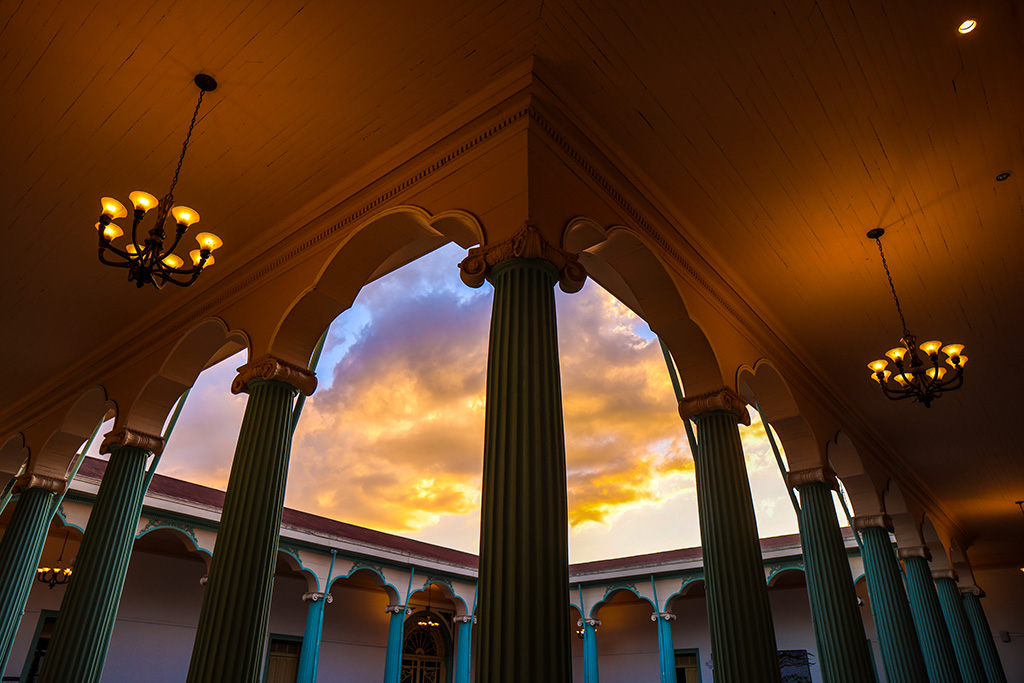
There is always something new in this place. Art exhibitions and tours of the palace are constantly being held for all who visit Café Palacio.
Other Places to Eat
View this post on Instagram
View this post on Instagram
Where to Stay
Avenida Las Magnolias No. 226, Colonia San Benito, San Salvador
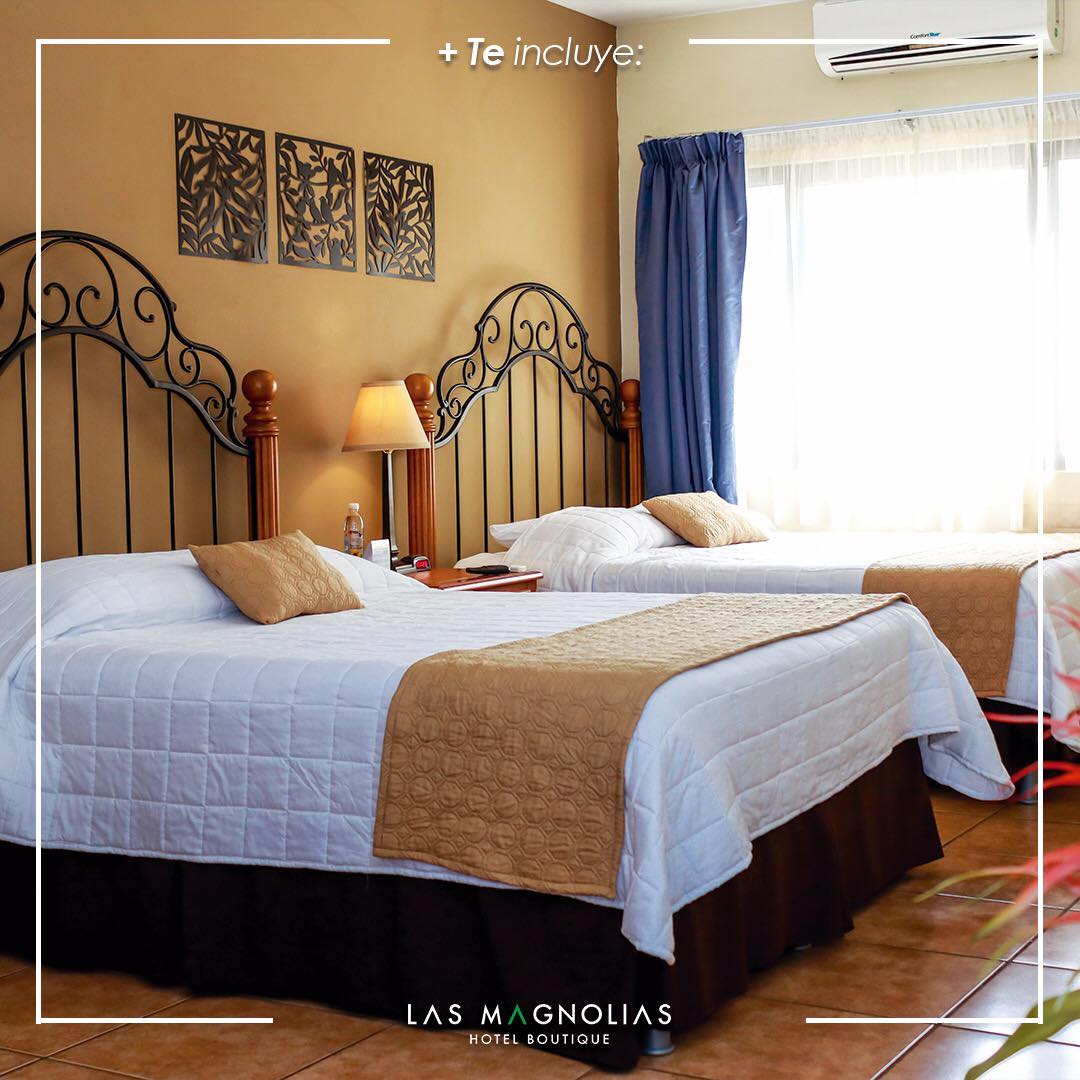
View this post on Instagram
Calle el Mirador y 95 a. Avenida Nte. No. 4907, Colonia Escalón San Salvador
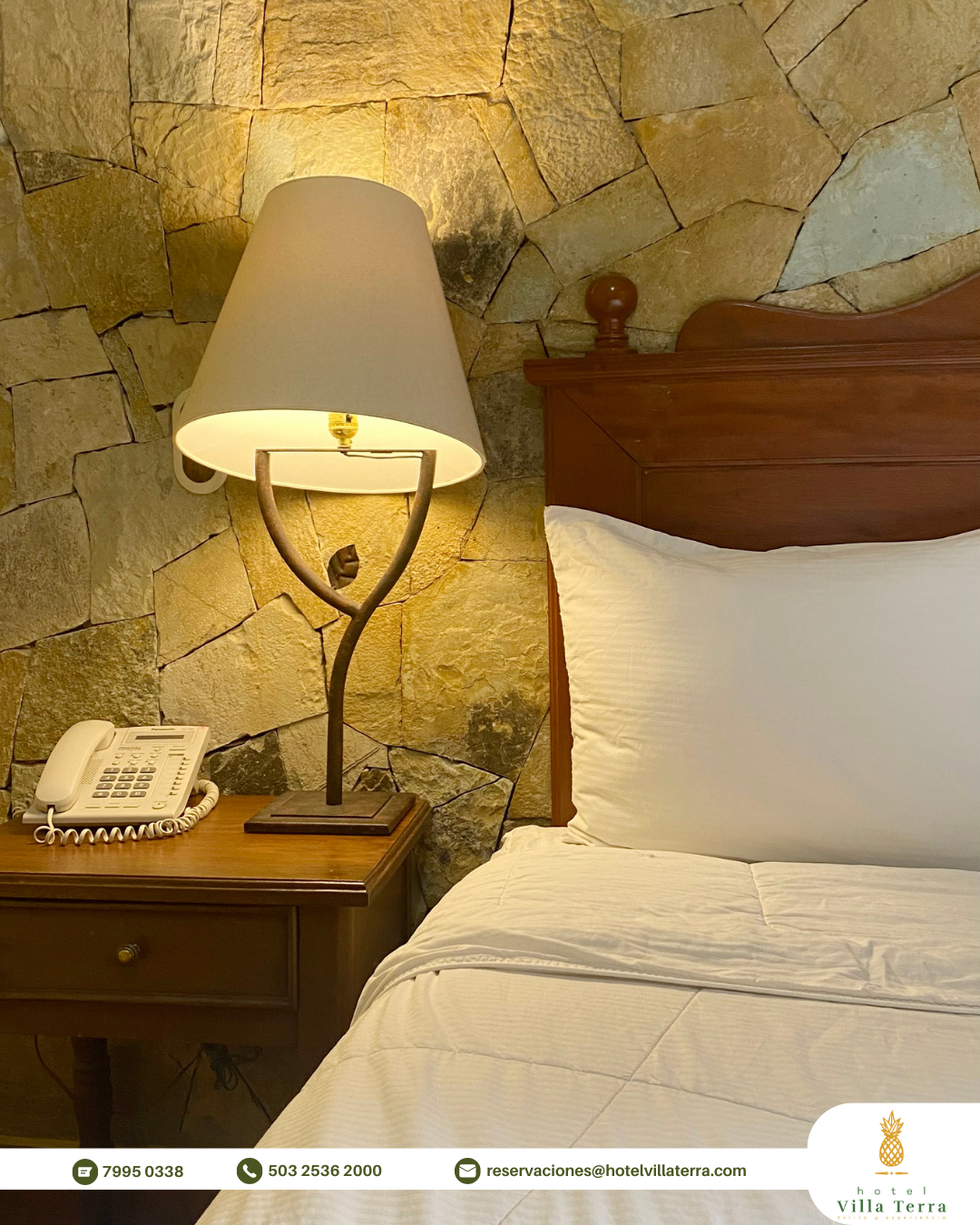
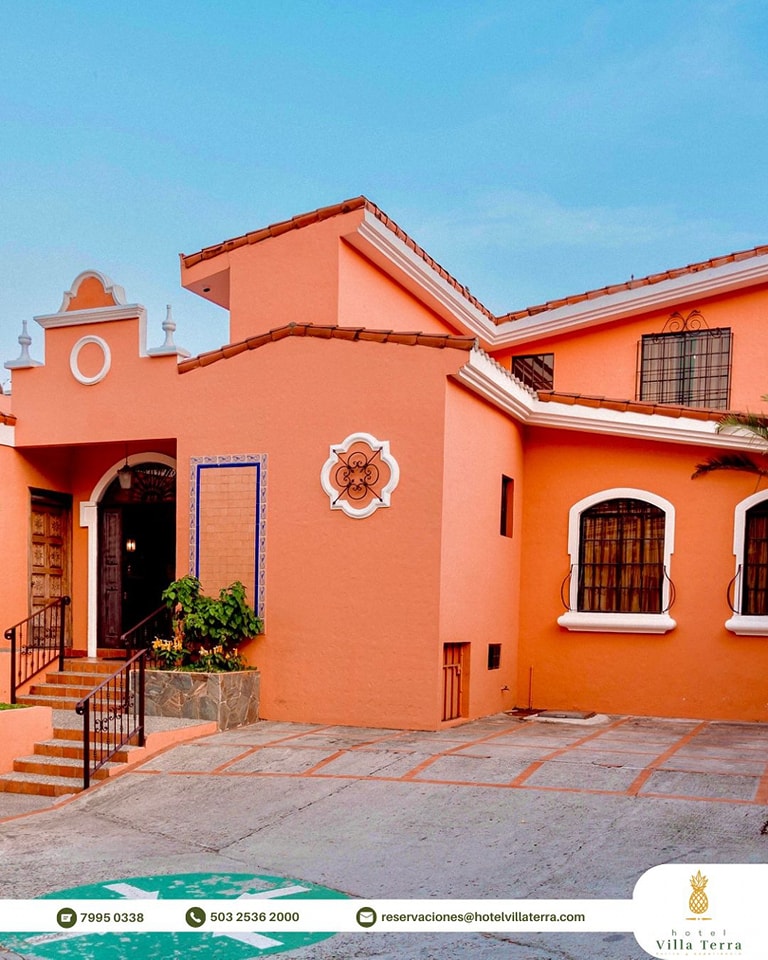
95 Avenida Norte y Calle El Mirador, numero 4908, Colonia Escalón, San Salvador
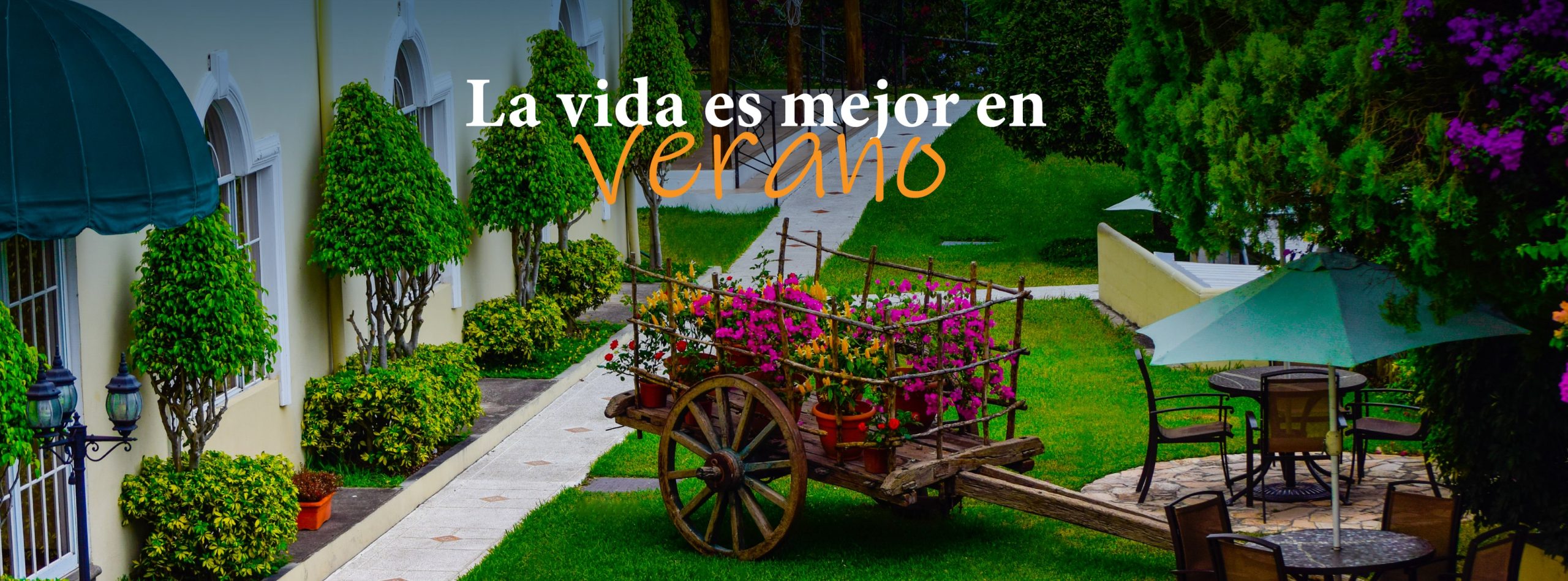
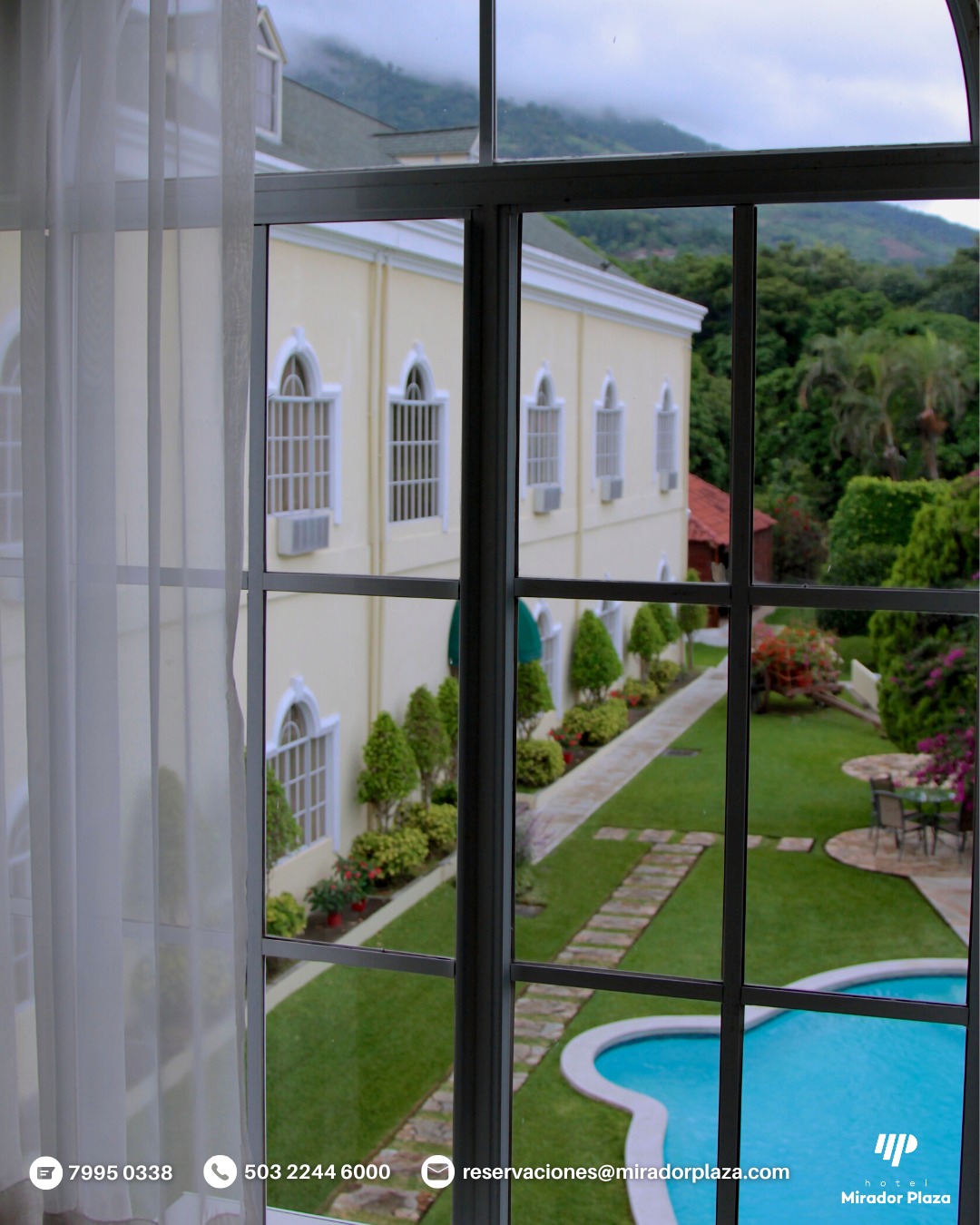
Avenida Antiguo Cuscatlán # 11-C, Colonia La Sultana, San Salvador
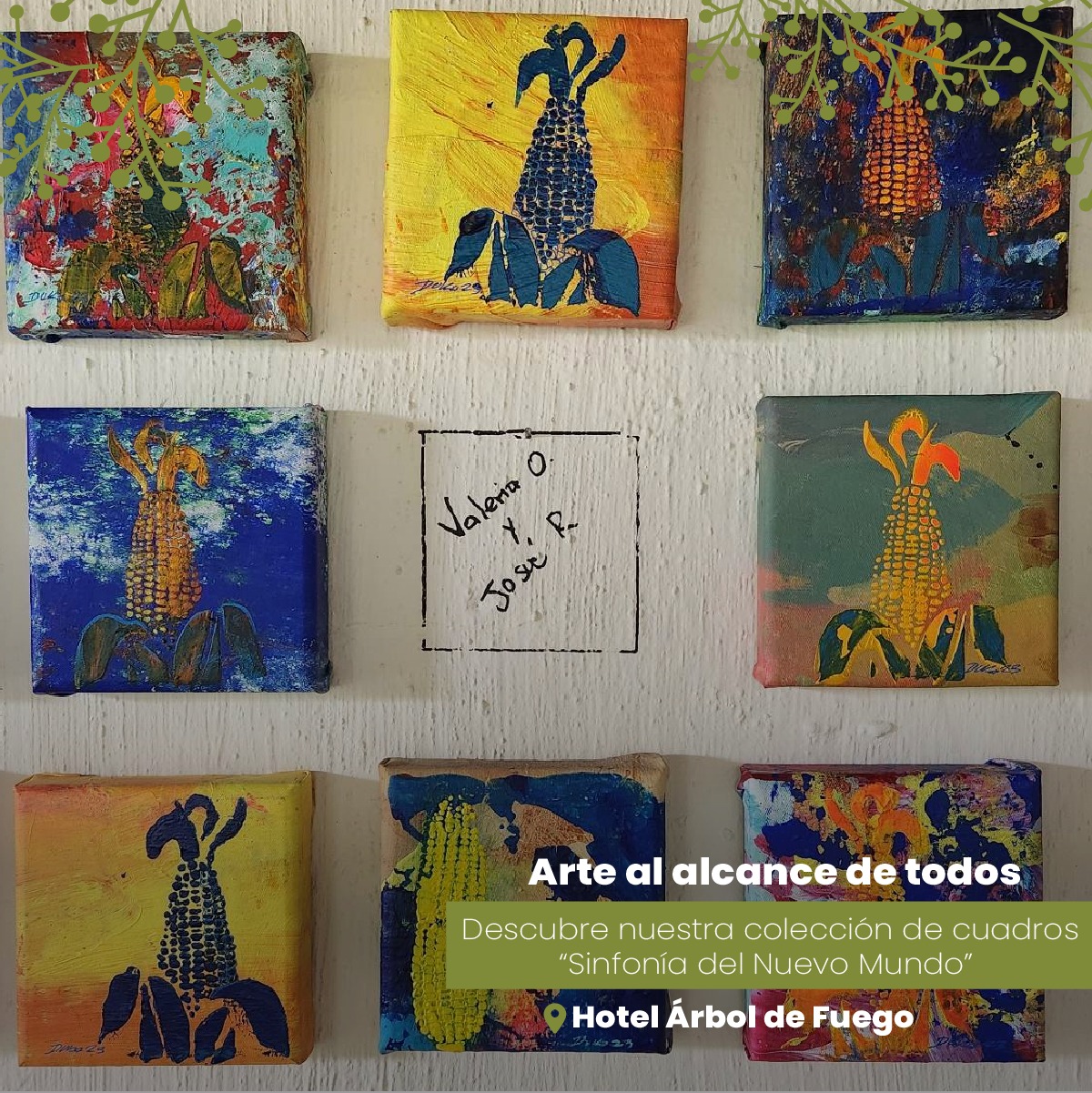
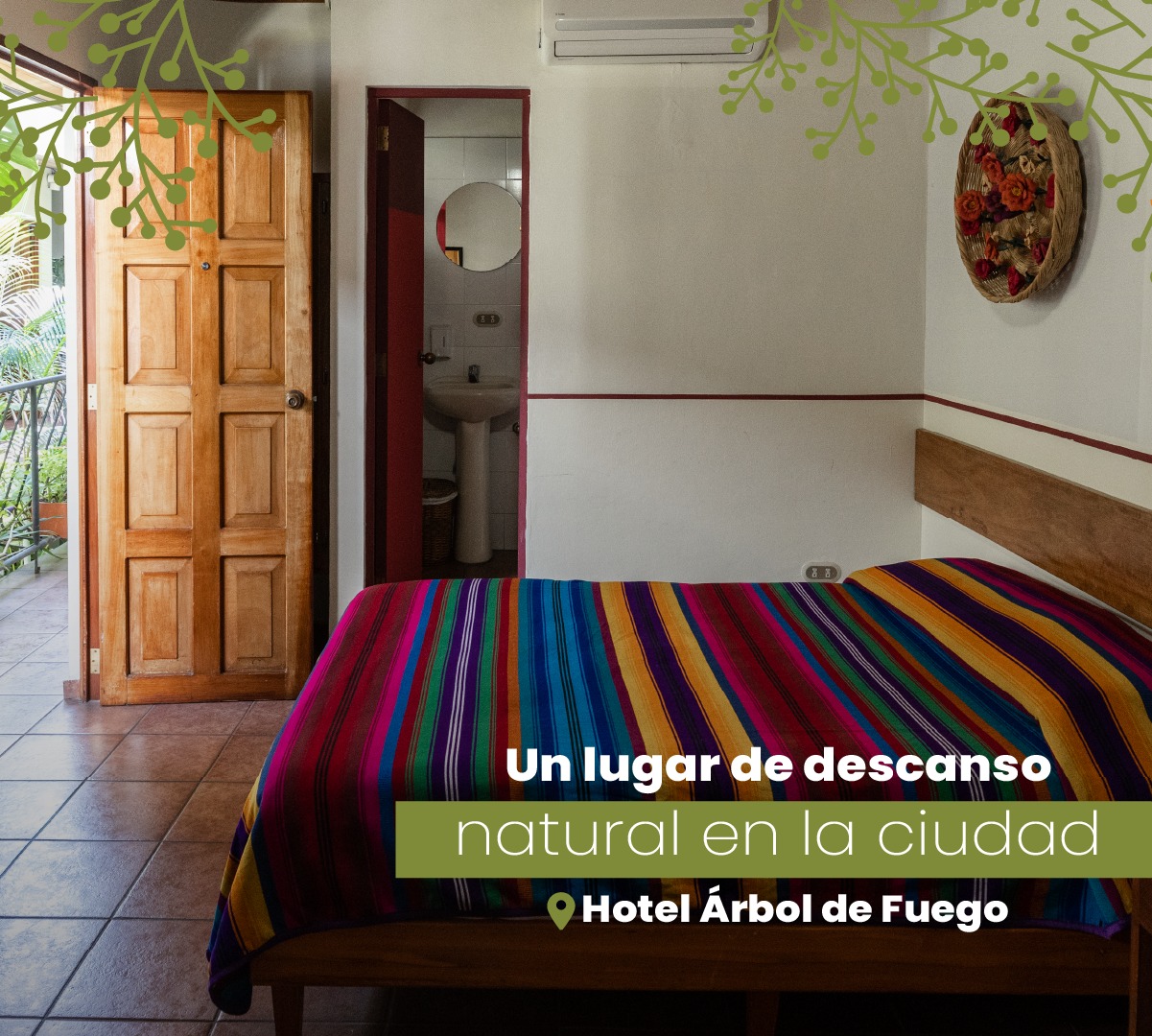
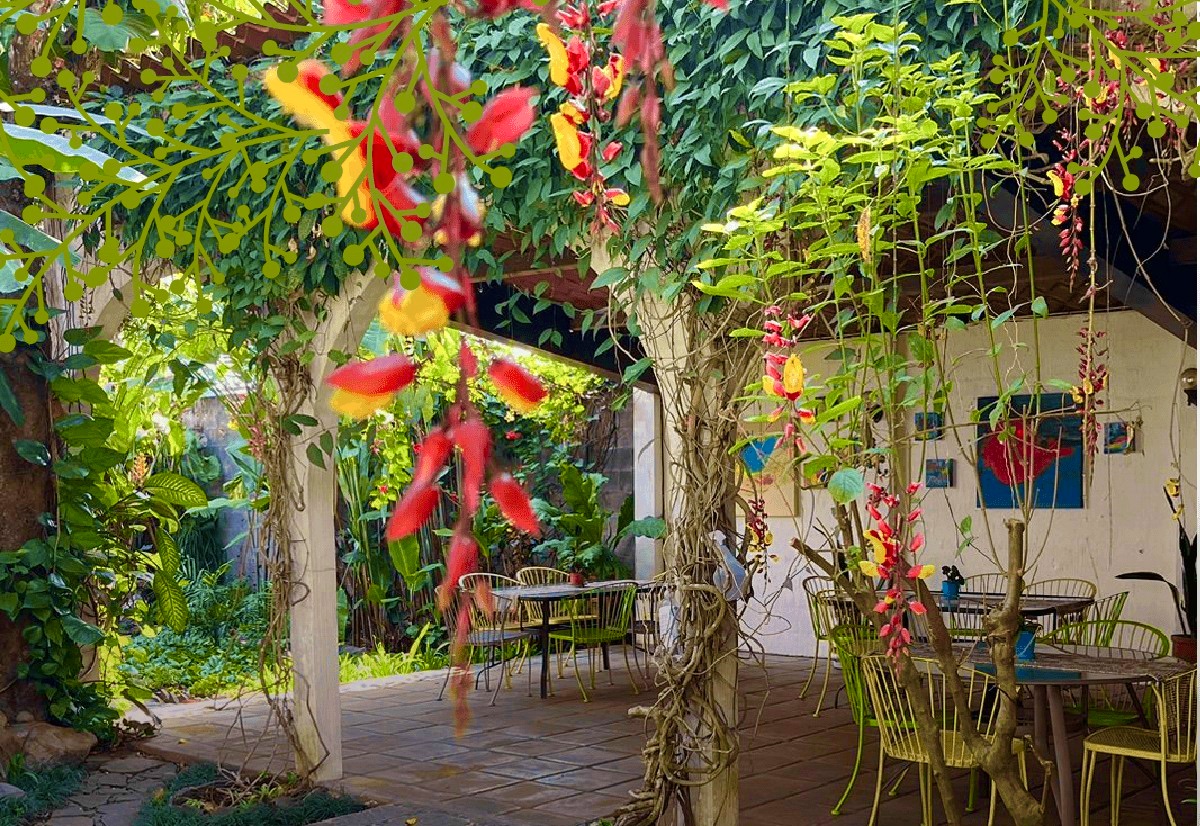
Historic Center of San Salvador
When visiting the Historic Center of San Salvador you will be transported to the golden times of El Salvador. The beautifully restored buildings keep and care for the spirit of the colonial architecture that the capital possesses.
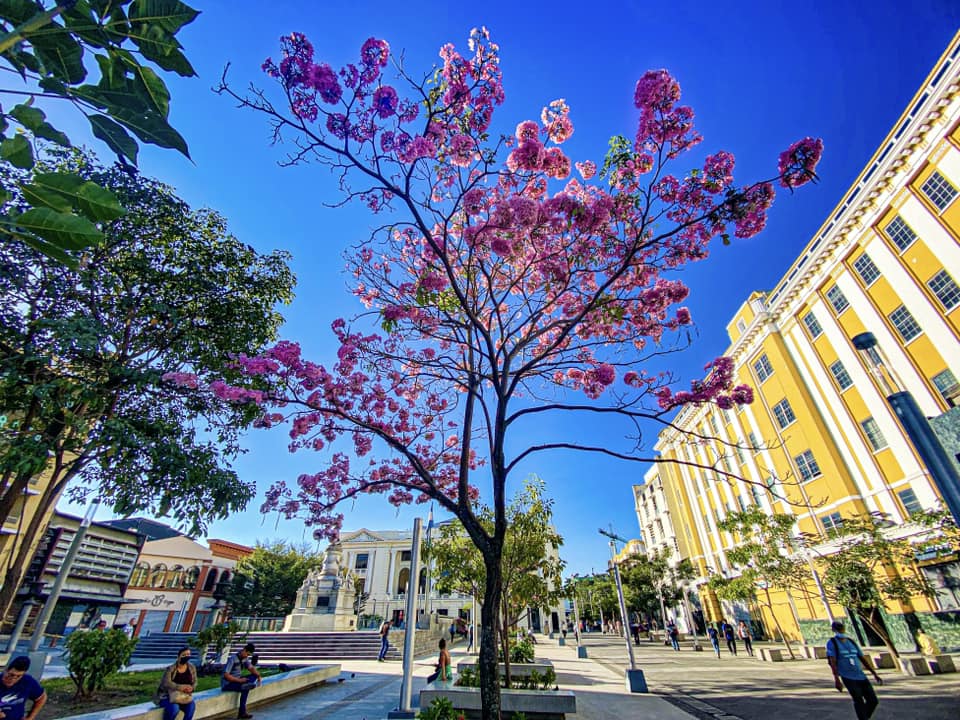
Metropolitan Cathedral
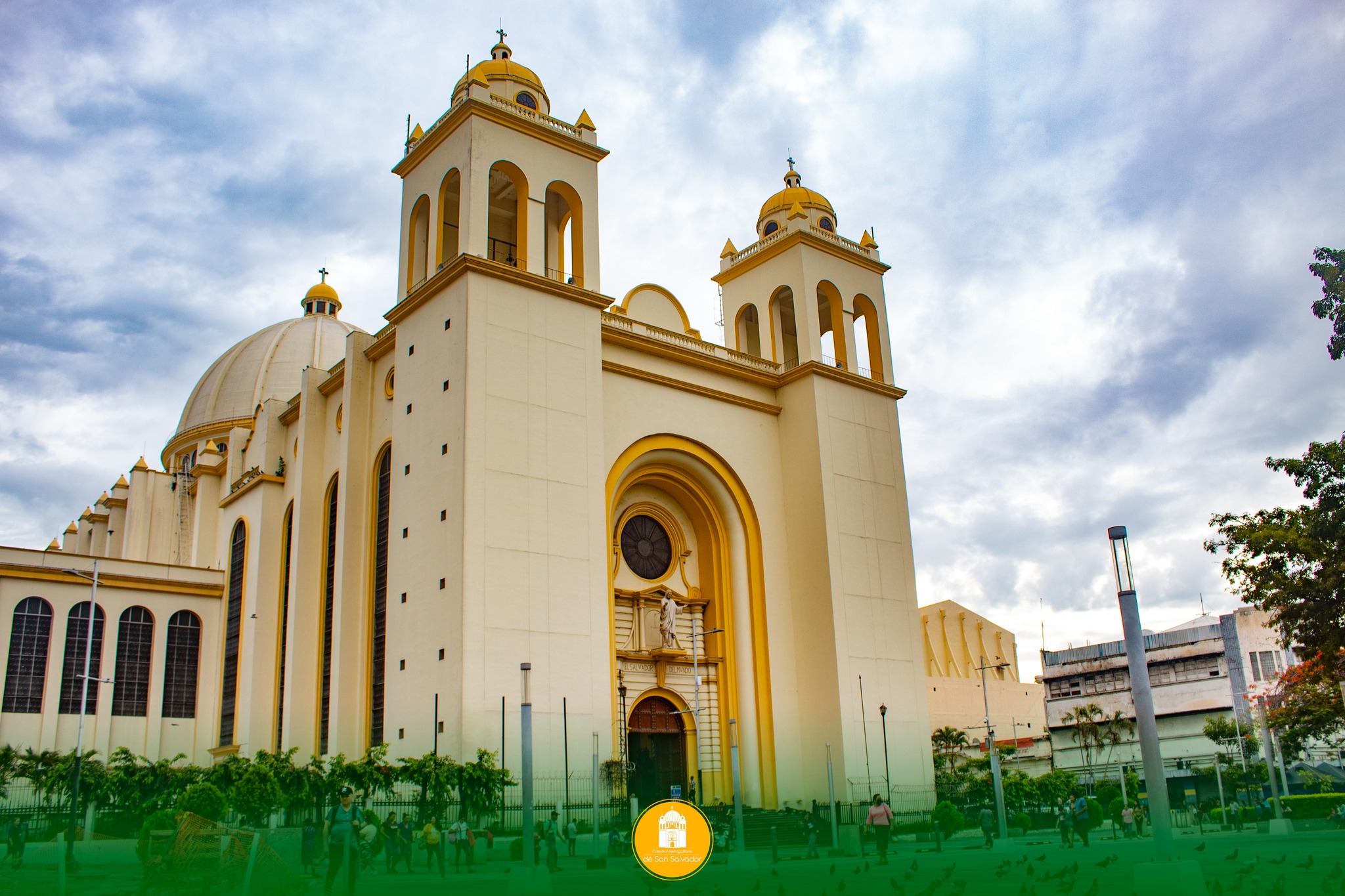
The Metropolitan Cathedral of San Salvador, in the heart of the Historic Center, is the main church of the Catholic Archdiocese of San Salvador. This place is filled with a lot of history. Inside, is the Crypt of San Oscar Arnulfo Romero.
National Palace
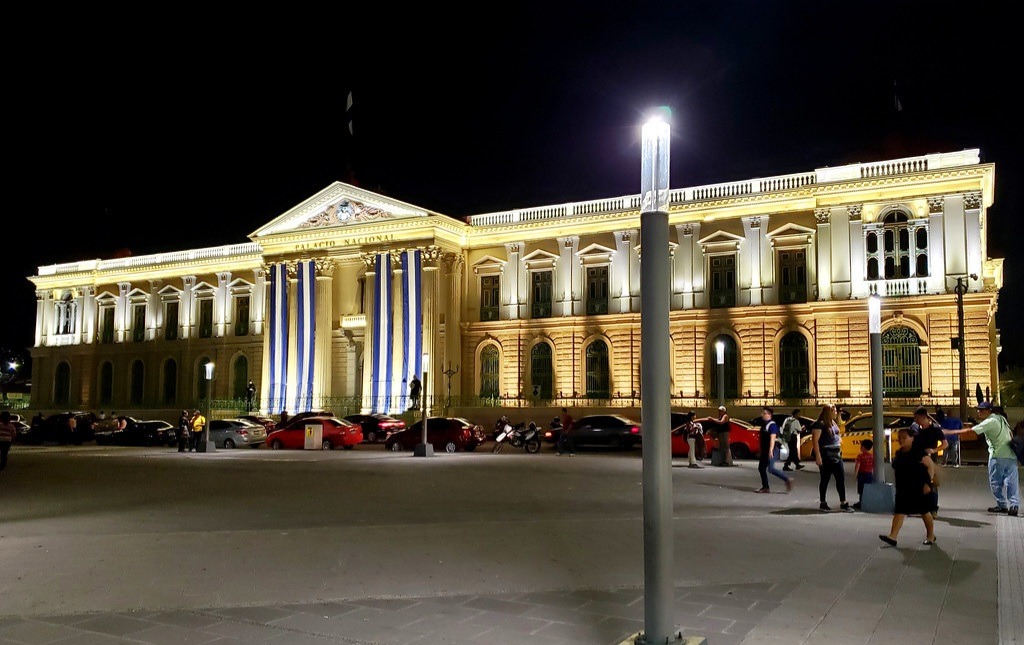
The Palace has 4 main rooms: Red, Blue, Pink and Yellow, sixty-four large rooms, forty small rooms, eight service rooms and two large basements. Among the large number of rooms, the Red Room and the Blue Room stand out for their elegance and beauty.
The Red Room, undoubtedly the most lavish and rich in detail in the Republic, is located above the main hall and part of the Palace’s honorary staircase. Its name is due to the fact that red color predominates in decoration along with white and gold. The French Renaissance-style room with baroque and classical elements is an exquisite combination that makes this a room that does not have to envy in luxury and good taste to other similar ones in America and Europe.
More on the history of the National Palace.
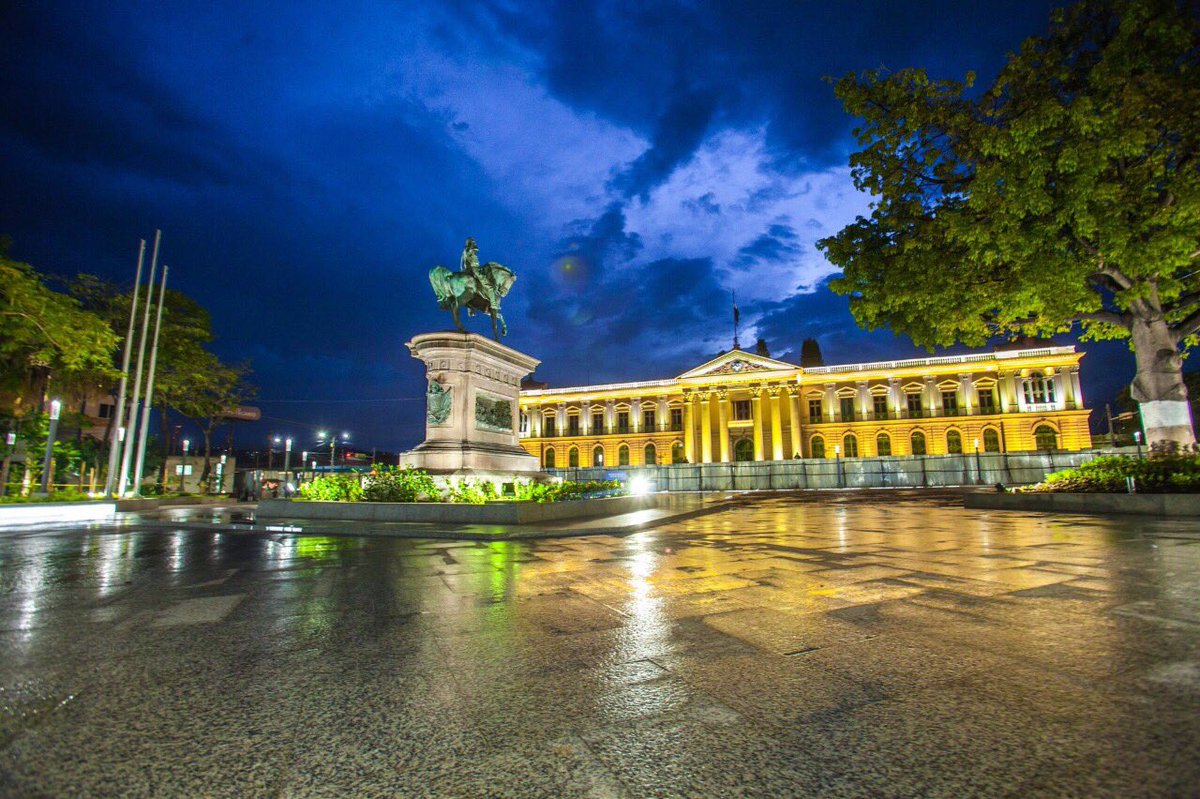
The Blue Room: This historic place, located on the second floor on the west side of the building, was the seat of the Legislative Assembly until 1974 and in which the colors of the Republic predominate, blue and white, with a profusion of ornaments in gold.
The Pink Room: In this room the Supreme Court of Justice worked until 1974.
The Yellow Room: This was the president’s office until 1930. Negotiations, meetings and reception of diplomatic people, among other positions, were held there.

National Theater
This scenic space, constructed in the “Renaissance” architectural style and utilizing the Hennebique reinforced concrete system, stands as one of the nation’s most vital and cherished landmarks.
As a cultural heritage establishment, it nurture and supports performing arts companies under the Ministry of Culture, along with independent, national, and international groups. Its top priority is to offer the highest quality of service to its users and the general public.
The Rosary Church
Steeped in historical significance, this location is widely regarded as a gem of contemporary architecture. What sets it apart is its vibrant stained glass windows, which create an unparalleled atmosphere when bathed in rays of light.
Upon entering, visitors can behold a minimalist Way of the Cross, masterfully crafted from iron and reinforced concrete, spiraling upwards to the risen Christ.
Visitors can also enjoy a walk through its famous and lively squares Capitán General Gerardo Barrios, Plaza Libertad and Plaza Morazán; and discover the museums of Banco Hipoteario and Banco Central de Reserva.
In addition to its historical significance, the center provides a wide range of entertainment and gastronomic experiences. Alongside the various activities taking place within each building, the open squares serve as stages for captivating shows and living statues.
Visitors can also indulge in a diverse culinary selection, with a plethora of restaurants and cafeterias offering both traditional and gourmet dishes.
Parque Bicentenario
San Salvador and Antiguo Cuscatlán
El Espino farm stands as a vital green space within the Salvadoran capital and serves as the home to the Bicentennial Park, an essential destination for mountain biking, hiking, or simply unwinding amidst the city’s surroundings.
Situated on Jerusalem Avenue, nestled between San Salvador and Antiguo Cuscatlán, El Espino features a plethora of amenities, including cycle paths, pedestrian walkways, charming squares, and picnic spots equipped with grills and gardens. This sanctuary of lush vegetation allows visitors to breathe in fresh air without having to venture far from the metropolitan area.
Encompassing a rich ecosystem, the park is home to over 420 species of fauna and boasts more than 500 specimens of wild flora. Notably, it provides a refuge for migrating parrots that journey to various points in San Salvador and La Libertad.
The Bicentennial Park holds the distinction of being the first protected natural area in the metropolitan region, inaugurated on November 5, 2011, to coincide with the Bicentennial celebration of Central American Independence, hence its name.
Access for pedestrians is free, and visitors are welcome to bring along their pets and food. For those arriving by car, parking fees amount to $1 from Monday to Friday and $2 on Saturdays and Sundays. The park operates from 6:00 a.m. to 5:00 p.m., and in some cases, until 6:00 p.m.
Zona Rosa
This area is known as the epicenter of culture, gastronomy and nightlife. Located in Colonia San Benito, it has the widest variety of bars, restaurants, cafes to enjoy your stay. It is recognized for its great development in the tourism field, mainly hotels and nightlife in the city with discos, bars, restaurants, live music, cozy and fun spaces.
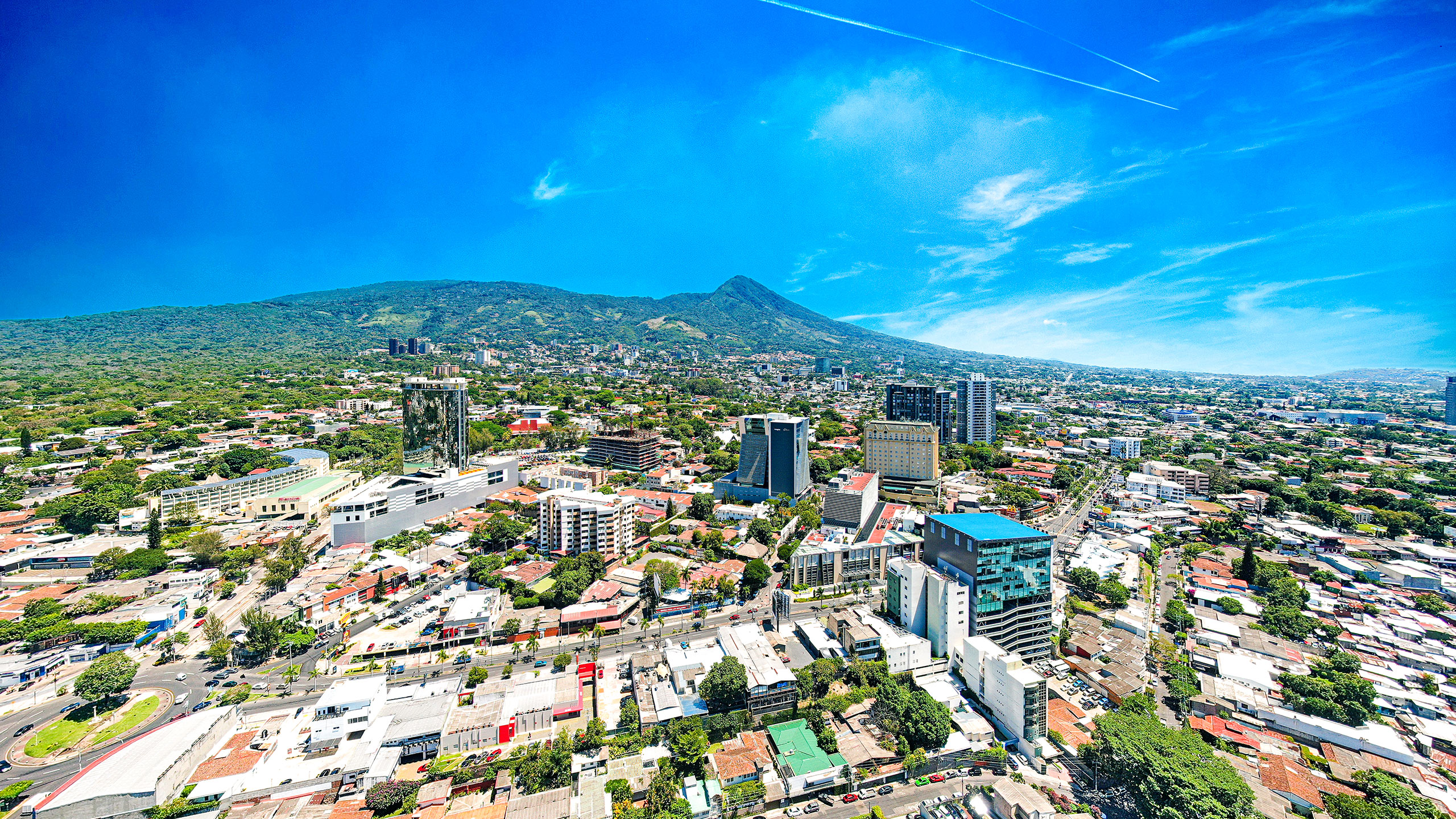
During the day, this area is also home to museums, apartment towers, embassies, banks and others. Its attractiveness is also enhanced by its location, adequate infrastructure (large spaces), wide streets and many connections to other important centers of the city.
Santa Tecla
La Libertad
Santa Tecla is the most important city in the department of La Libertad with a rich history that is stamped in its colonial infrastructure and blends with modernity.
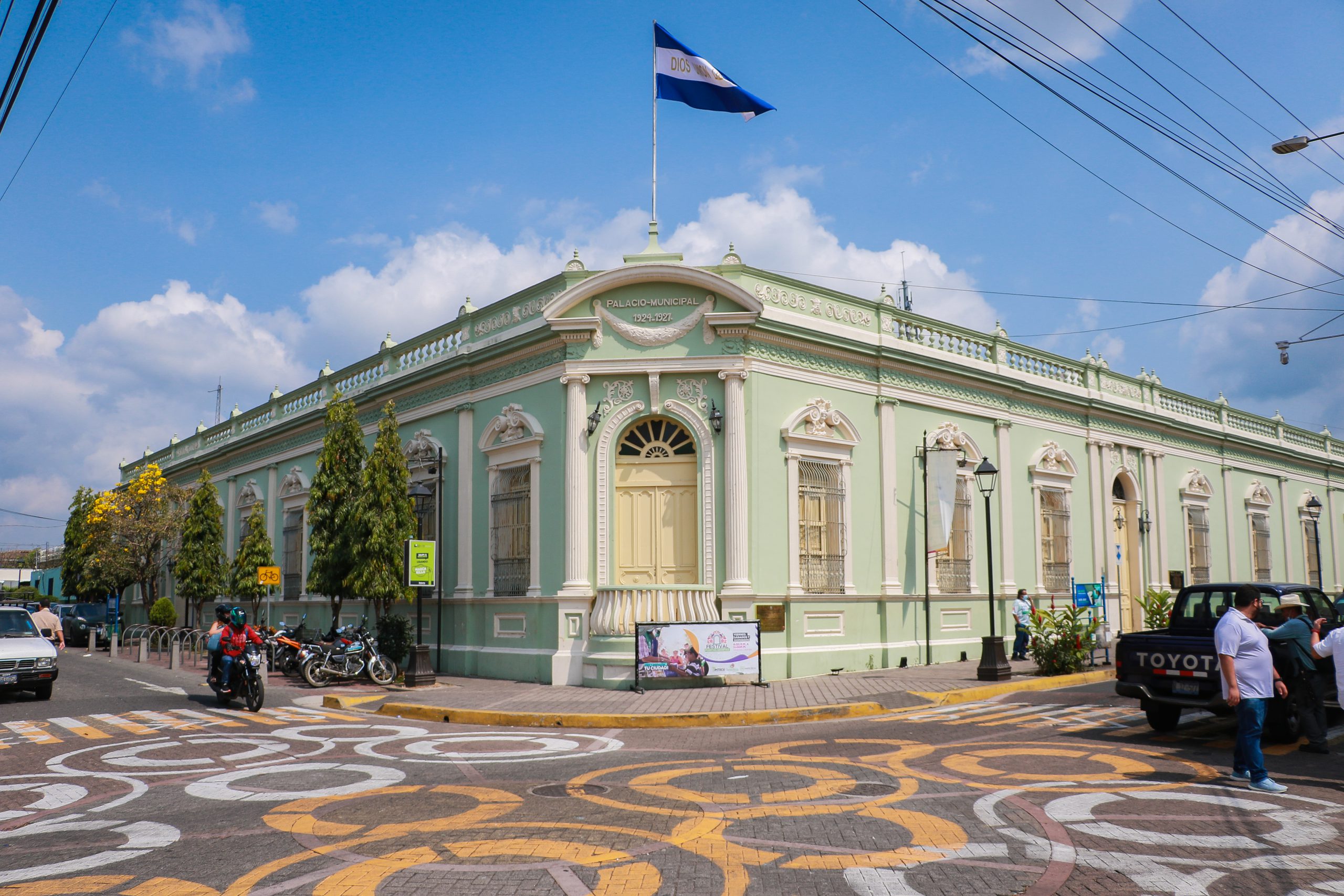
This destination is surrounded by vegetation, which gives it a pleasant climate most of the day. Wherever you go you will find many green landscapes both in its urban and rural areas, the most impressive is its route to the El Boquerón volcano, which brings together a thread of restaurants, bars and beautiful cafes that offer views of the city of San Salvador and Santa Key.
El Boquerón is just a few minutes from the center of Santa Tecla, which will allow you to experience two different atmospheres: city and mountain in just 15 minutes away.
It is a city that can be easily visited on foot, which will allow you to contemplate the colonial architecture in its old houses that are now occupied by shops. Among the styles of its infrastructure are eclectic, neo-Gothic, art nouveau, or neo-baroque.
Check Out Nearby Places:
Volcán de San Salvador – Parque Nacional El Boquerón
Museo de Antropología David J. Guzmán – MUNA
Museo de Arte de El Salvador – MARTE
To learn more, check out: elsalvador.travel; a recommended site by the Ministry of Tourism of El Salvador. The site offers a comprehensive, city by city look at where to stay, where to eat, what to do plus lots of great details, like booking a tour, working with an independent tour guide, and transportation.
Check out also, entry requirements, visas and other relevant information ahead of your trip.
 Soledad Quartucci | Founder
Latina Republic is a reporting, research, and advocacy nonprofit organization advancing human rights in the Americas. Latina Republic fills the void in coverage of urgent social, political, environmental, economic and gender inequities affecting the Americas. Latina Republic’s mission is to inspire humane policies that fortify relations between the U.S. and Latin America. Our work is guided by peaceful international relations focused on solidarity. We believe asylum and seeking refuge is a human right. Our work envisions a world where neighboring countries are seen as partners, and immigrants and refugees don’t have to live in the shadows. Our goal is to advance peaceful dialogue by highlighting local perspectives that don’t make it into the mainstream news. Our vision is that this knowledge will assist all stakeholders in solving regional problems while strengthening ties.