
Texas Politicians Address Border Migration
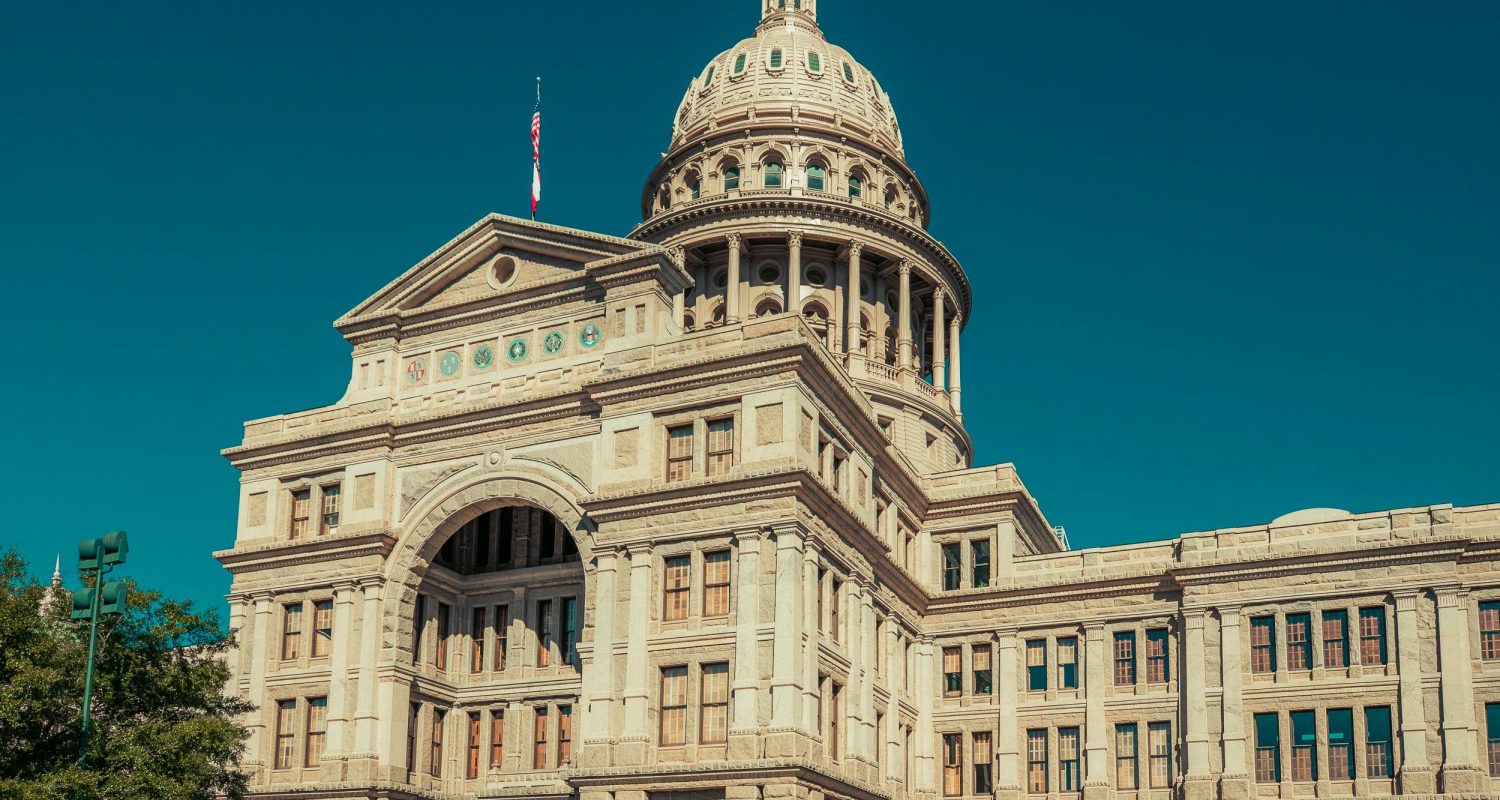
“Texas Capitol Under Blue Sky” Alex Kviatkouski, Pexels.com
Introduction
The 2024 Presidential Election nears, and as it does, politicians nationwide scramble to cater to their constituents to maintain their votes. Certain controversial yet important topics–such as migration–have risen to the surface and became the forefront of debates and speeches.
Politics around migration in Texas tend to be quite conservative and unfortunately oppressive. With little protection measures for migrants, futile attempts at safeguarding the asylum process, and an overwhelmed court system, politicians in Texas have a tough decision to make as they choose the best approach to the topic of migration.
A Texan Overview
Governor Greg Abbott sets the tone as he aligns himself closer with his more conservative constituents, after releasing a statement on Vice President Kamala Harris’s “border failure”. Referring to the Democratic Presidential Hopeful as “border czar”, Abbott placed sole blame on Kamala Harris for security measure “failures” at the border such as undocumented entry into the United States.
While Harris was tasked with identifying the root causes of migration from the southern border, her role was far from responsible for halting immigration from the region or overlooking the asylum process. Nevertheless, the term utilized by Abbott was also picked up by the Republican National Committee, further depicting migration from Central America as an epidemic.
However, some Democratic representatives, such as San Antonio Congressman Greg Casar, have helped launch a joint congressional caucus to address global migration. Namely, they aim to “find effective, long-term solutions to humanely address irregular and forced migration around the world.”
Still, in the wake of Abbott’s busing of migrants to nearby sanctuary states, Texas politicians have a legacy of repatriation to change. One Dallas Representative, aiming for Senator Ted Cruz’s position, has built his platform upon border politics.
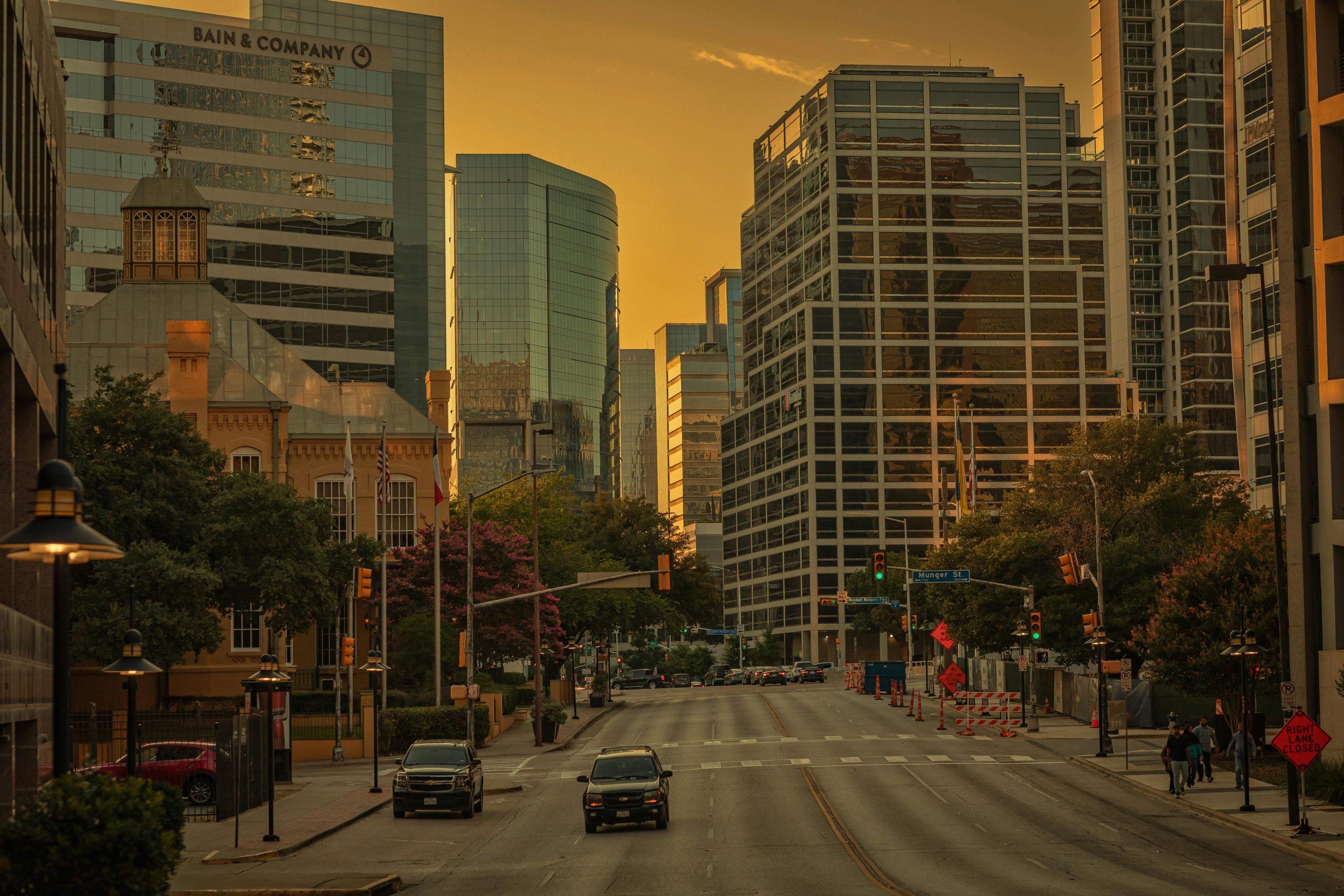
Dallas
Colin Allred is a Texas Congressman who prides himself on working with bipartisan colleagues to “secure” the border. Recently, his approach to addressing migration came in the form of public statements against Senator Cruz.
Allred claims he’s worked to add more border patrol agents, “stop the flow of fentanyl,” and “end human trafficking.” His focus seems to be teamwork and change-driven impact. It is worth noting that an impressive 70% of his bills have been the result of bipartisan work.
U.S. Representative Colin Allred’s efforts include tackling employer exploitation of migrant workers, working to prevent family separation at the border, and addressing the root causes of “economic instability and violence that fuel migration.” Allred is not the only U.S. representative fighting for his constituents. In Harris County’s Houston city, Sylvia R. Garcia paves her own path.
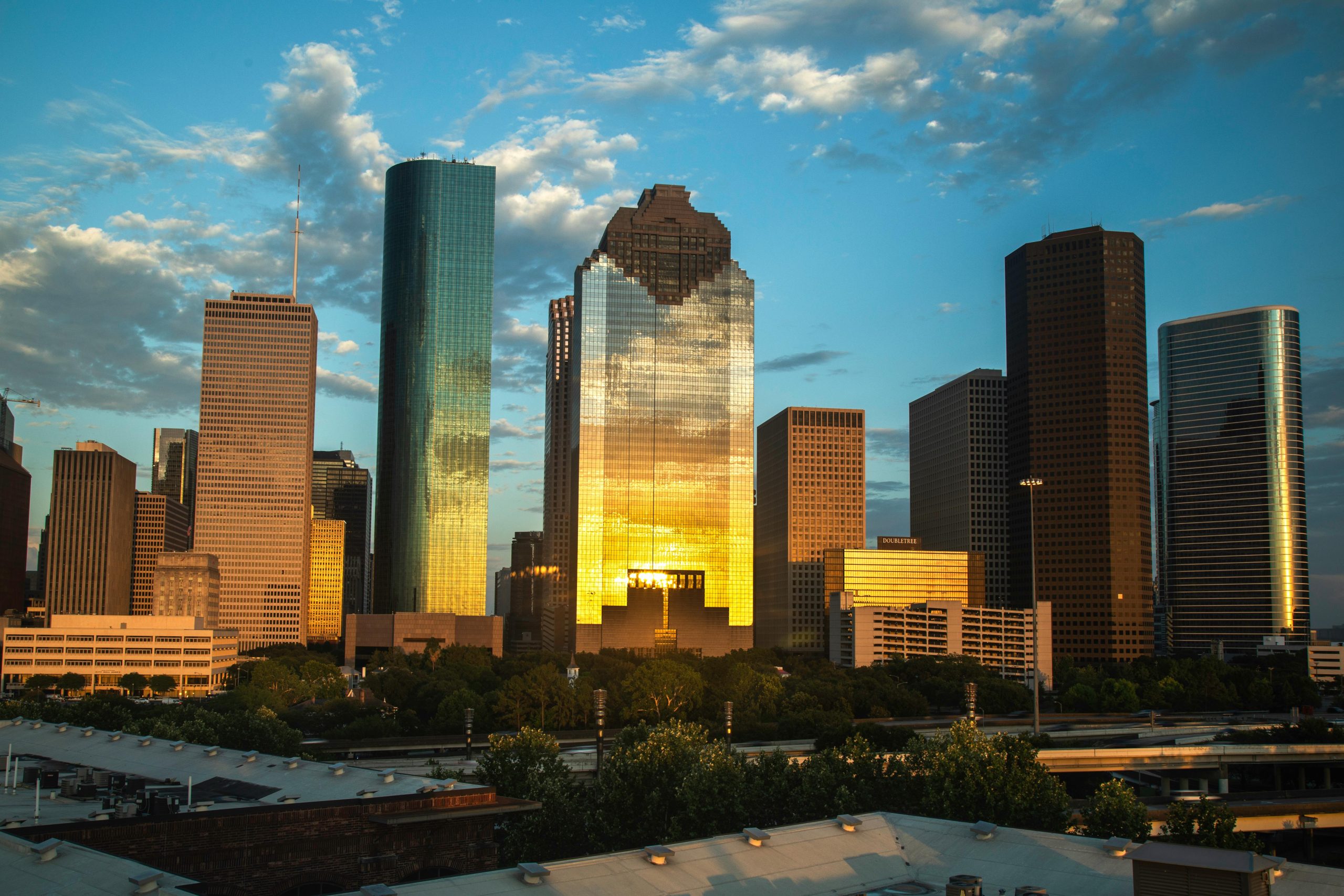
Houston
U.S. Representative Sylvia R. Garcia is a member of the Judiciary Committee as well as the Subcommittee on Immigration and Citizenship. Her constituents are from Texas’s 29th district, and comprise a vibrant community of migrants.
She works diligently to protect the rights of her community members both within her district and at the border, namely by signing legislation that shares her focus. Some of her work includes the H.R. 4718, the Polling Access Safety Act of 2019 (PASA), which restricts ICE enforcement at polling locations to ensure eligible voters are “not intimidated on election day.”
She has also introduced the Keeping Families Together Act and the Stop Shackling and Detaining Pregnant Women Act, both of which prohibit the eviction of mixed-status families and set new standards of care of pregnant women in custody, respectively.
Conclusion: A Voice to Vote
As Texas politicians race to prove their commitment to the people and action over politics, this election year proves to be one of the most divided on immigration. From Austin to Dallas to Houston, politicians have addressed migration coming in from the border in various ways, though all ultimately cater to the communities they represent.
The future of migrant communities in Texas is not unclear; its path is headed towards protection measures for migrants seeking asylum, as well as extra training for border patrol agents as they’re utilized differently by those in power. District by district, Texas is consistently becoming more diverse with a flow of domestic and international migrants from different states and countries.
As the lone star state houses a changing array of people, the eligible voters within hold the power to mold its politics to bring about positive change. Texas voters can ensure their voice is heard by being present at polling stations. Whether they elect new or different politicians, Democratic or Republican representatives, the choice rests upon their collective effort.
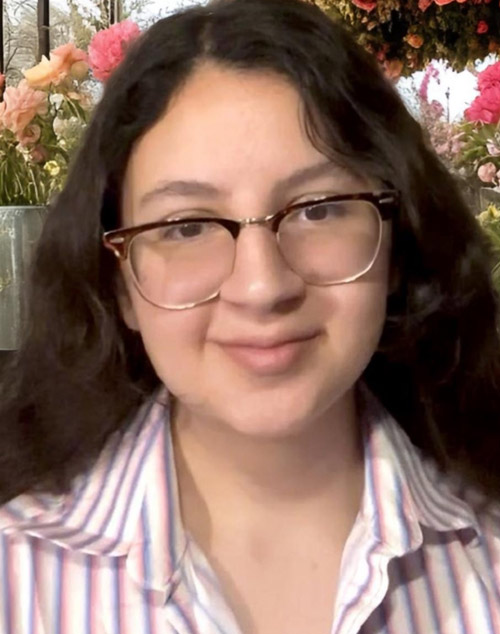 Mawadda Moussa | Immigration Correspondent
I’m interested in working as an Immigration Correspondent intern because I believe that immigrant communities of various backgrounds have incredibly important stories to tell, and their voices need to be amplified through initiatives like this in order to enact real, tangible change. I would like to pursue stories exploring local laws impacting lives, anti-immigrant treatment, and even my own personal experiences and insight into the immigrant conversation. Stories like that are significant because they contribute to the visibility of these struggles, and in order for issues to be addressed, they must first be acknowledged.