

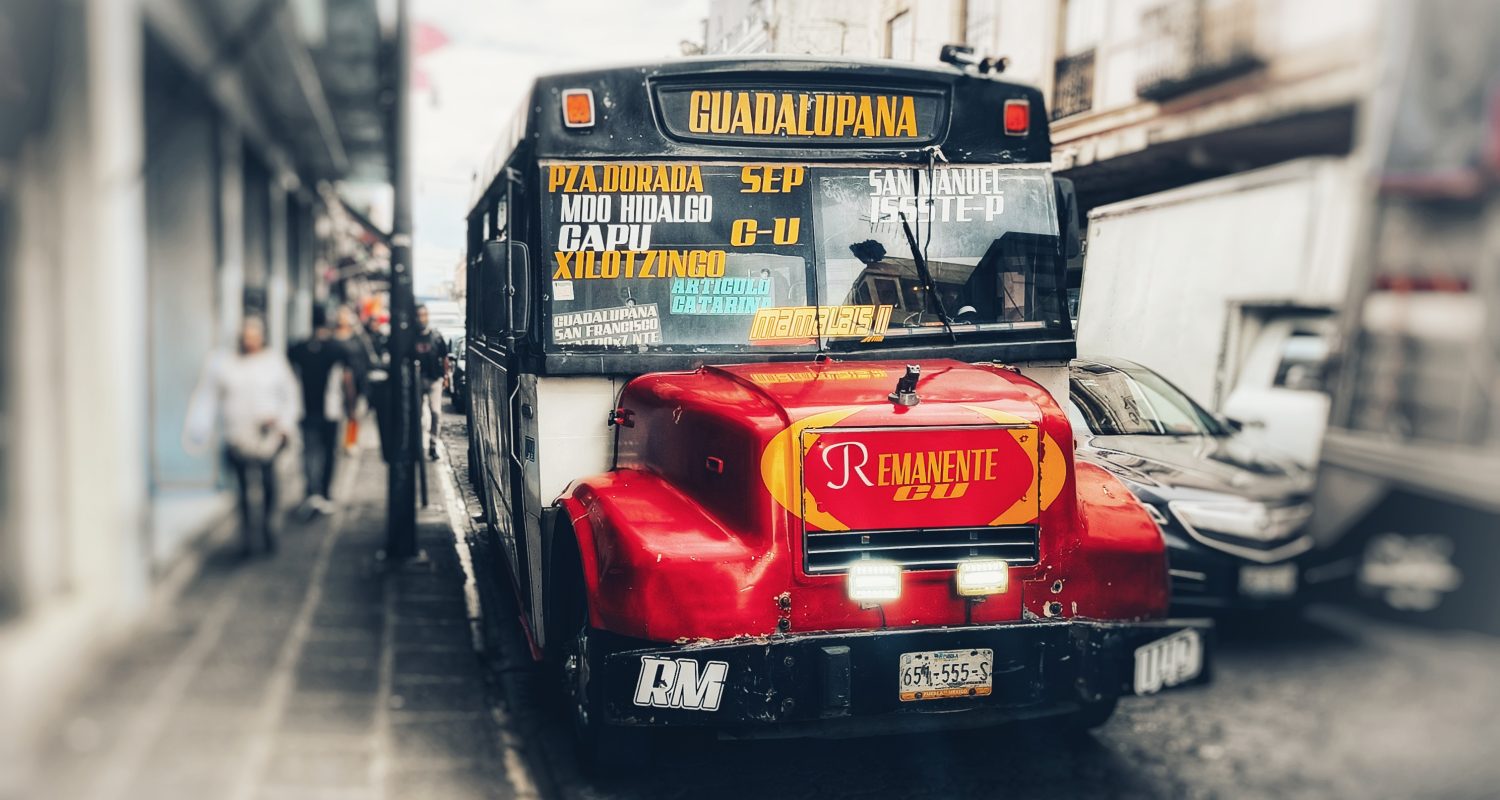
“An image can reveal what we avoid and start the conversations we don’t want to have,” Carmen Sánchez Bonilla.
Carmen Sánchez Bonilla, known on Instagram as Lula Pop, is a photographer shaped by the rhythms of everyday life and the landscapes of her hometown, Puebla, Mexico. Her journey into photography is deeply rooted in memory, in the changing textures of the places she’s called home, and in the quiet beauty of the ordinary.
“I’ve spent my whole life in working-class neighborhoods,” she reflects. “I have childhood memories of the little corner stores, riding my bike through the streets, and the closeness of people who would greet you and where everything you needed was nearby.”
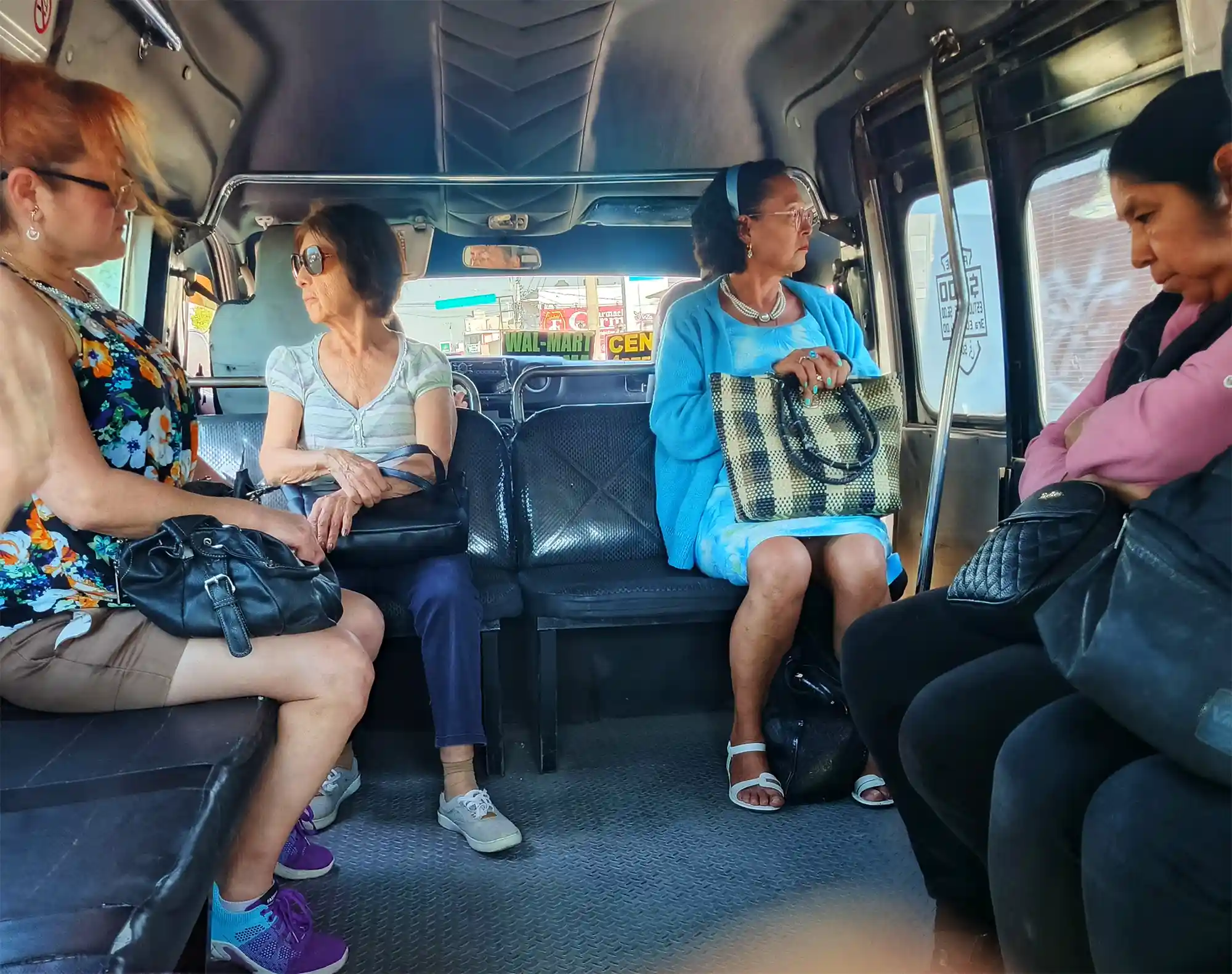
Later, her family moved to a housing complex on the outskirts of the city, reachable only by a narrow road that crossed sprawling cornfields. “To me, it felt magical, as if we were living on an island of buildings in the middle of a forest. In reality, there was a lot of countryside around us, and we were quite isolated.”
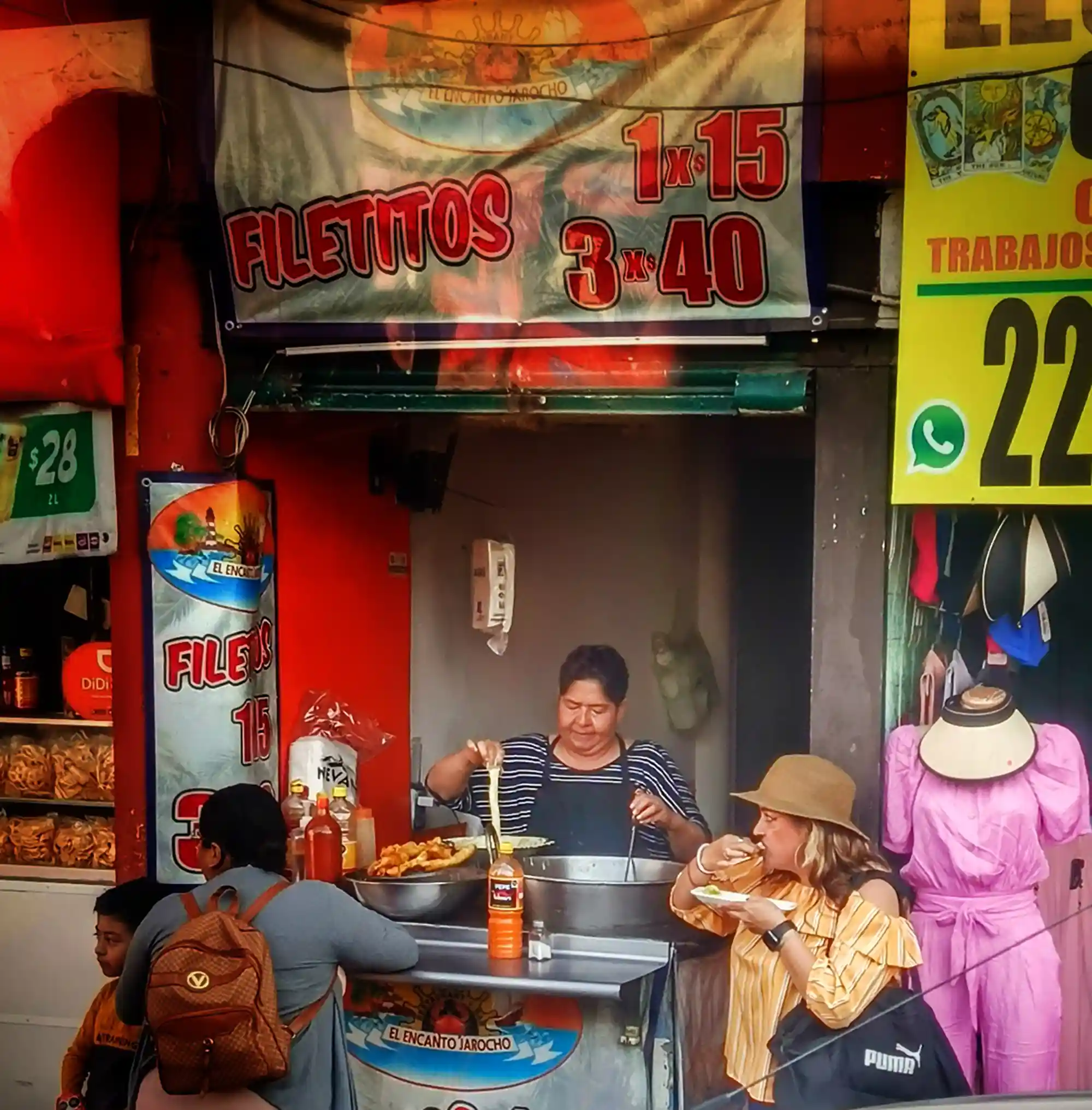
By then, Carmen was already commuting to school on her own, leaving at dawn and returning in the afternoon. “The images of the rising sun, the way the afternoon light fell, or the cloudy skies with a halo of light over the cornfields left a deep impression on me.”
Over the decades, this area changed dramatically. Where once there were green ravines and trees, there are now irregular settlements.
“That area has changed a lot. It became filled with other housing units that gradually appeared along the road. A ravine once full of trees and greenery was filled in, and now there are informal settlements there. I think this is where photography plays an important role as a testimonial document — capturing constant change and showing how everything I describe was, at one time, true.”
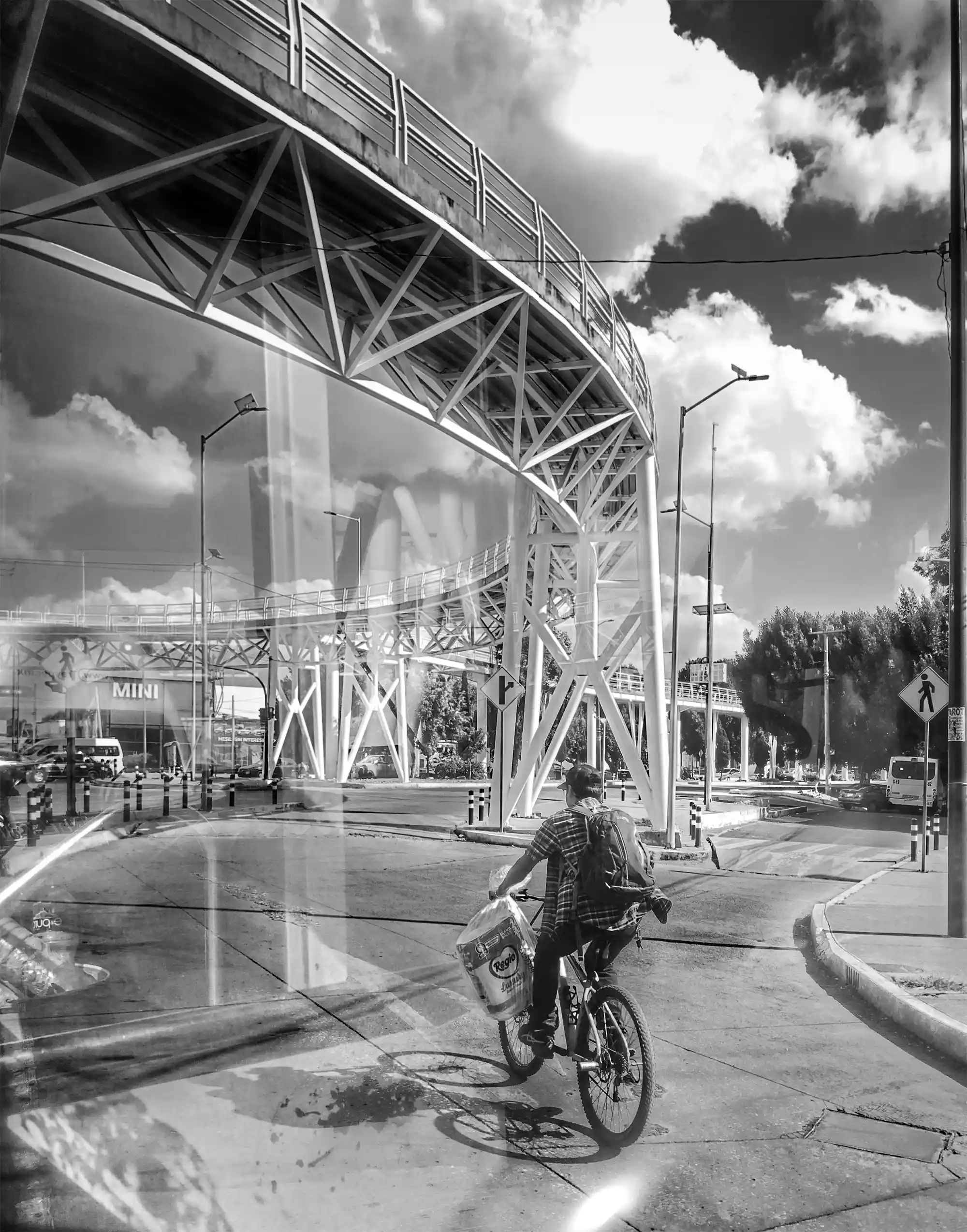
The historic center also had a strong influence on Carmen. “For me, photography began with the joy of capturing unrepeatable moments — fleeting things, graffiti on walls, buildings, landscapes… Collecting images became something I deeply enjoyed.”
Now, Carmen lives in a community that she feels is in transition — “once a small town, now becoming urbanized, with highways and neighbors arriving from the city. After fifteen years here, I feel like I’ve become part of it. Little by little, I’ve been invited to participate in local traditions, mostly religious, where one can find rich cultural and social meaning.”
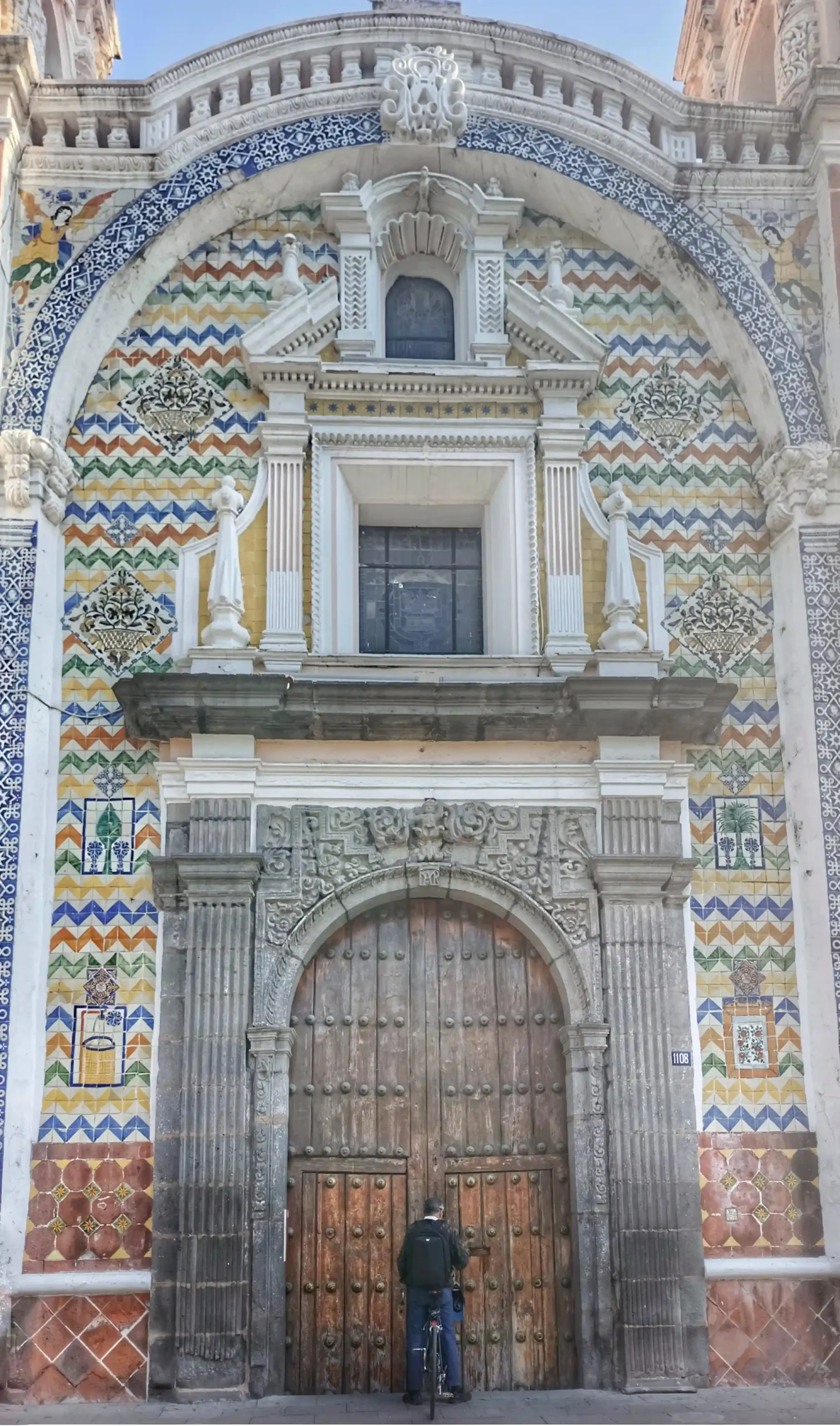
As she describes it, “This is my context — this is where I’ve grown up — and what has shaped me as an observer is that I’ve come to love finding beauty in the simplest, most everyday things. That’s what I enjoy most these days.” For Carmen, this merging of nostalgia, place, and change laid the foundation for her artistic eye.
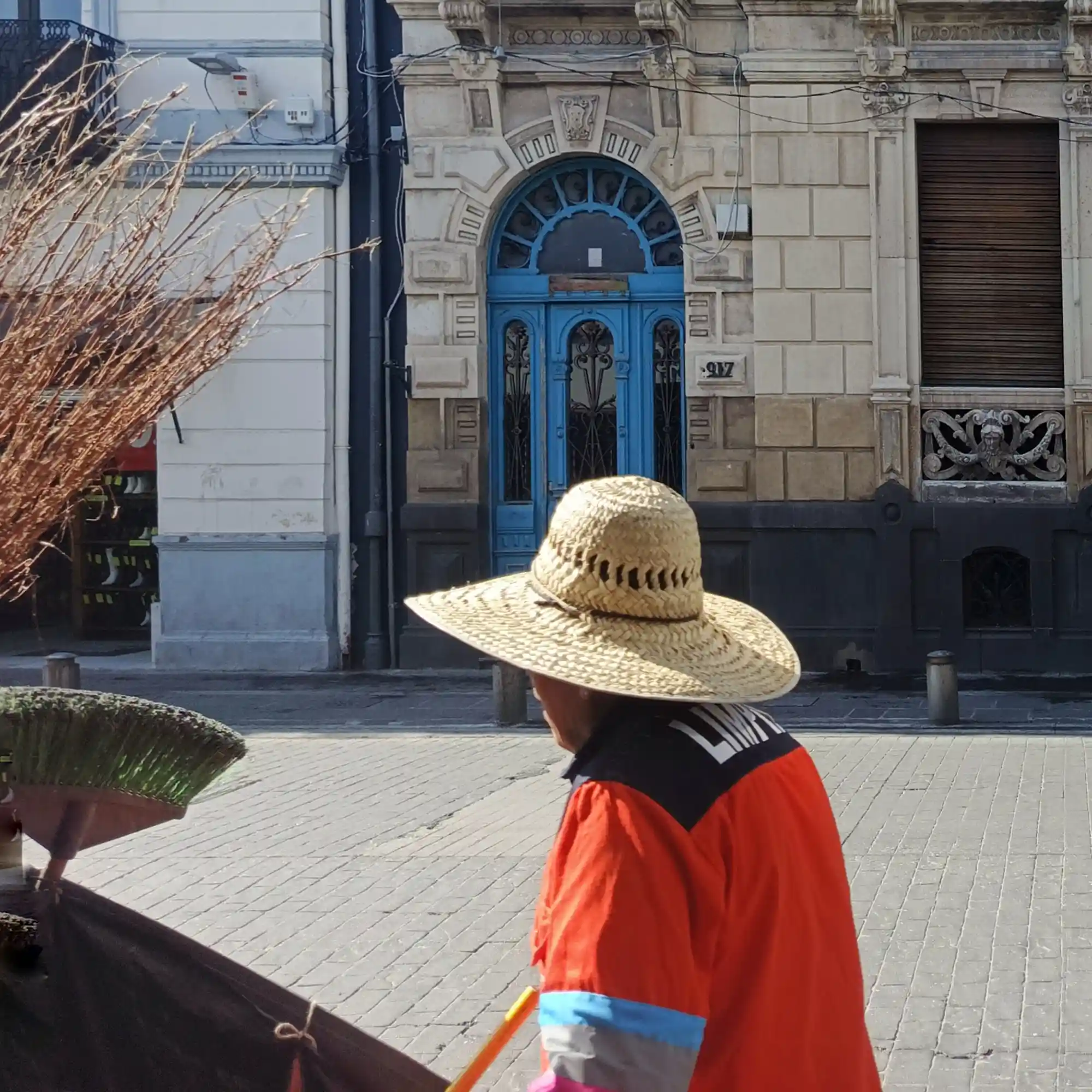
She first encountered photography through a compact Kodak 110 camera that fascinated her as a child. “I couldn’t believe something so small could capture images,” she remembers.
“Later, in high school, we won a science contest, and the prize was a 135 film camera — I was thrilled, especially because it was mine. In college, I had my first formal encounter with photography, and that’s when I discovered the magic of developing film. Looking back, photography has accompanied me in a very intuitive way — it’s been with me all my life. Maybe I’ve turned away from it at times, perhaps ungratefully, but photography has never abandoned me.”
At some point, it became a way to express Carmen’s emotional states, “like an atemporal diary,” she explains, “one that holds experiences, memories, melancholy, sadness, or joy. Now, people have become part of my visual landscapes, and I see myself reflected in them — a mirror of my own fragments.”
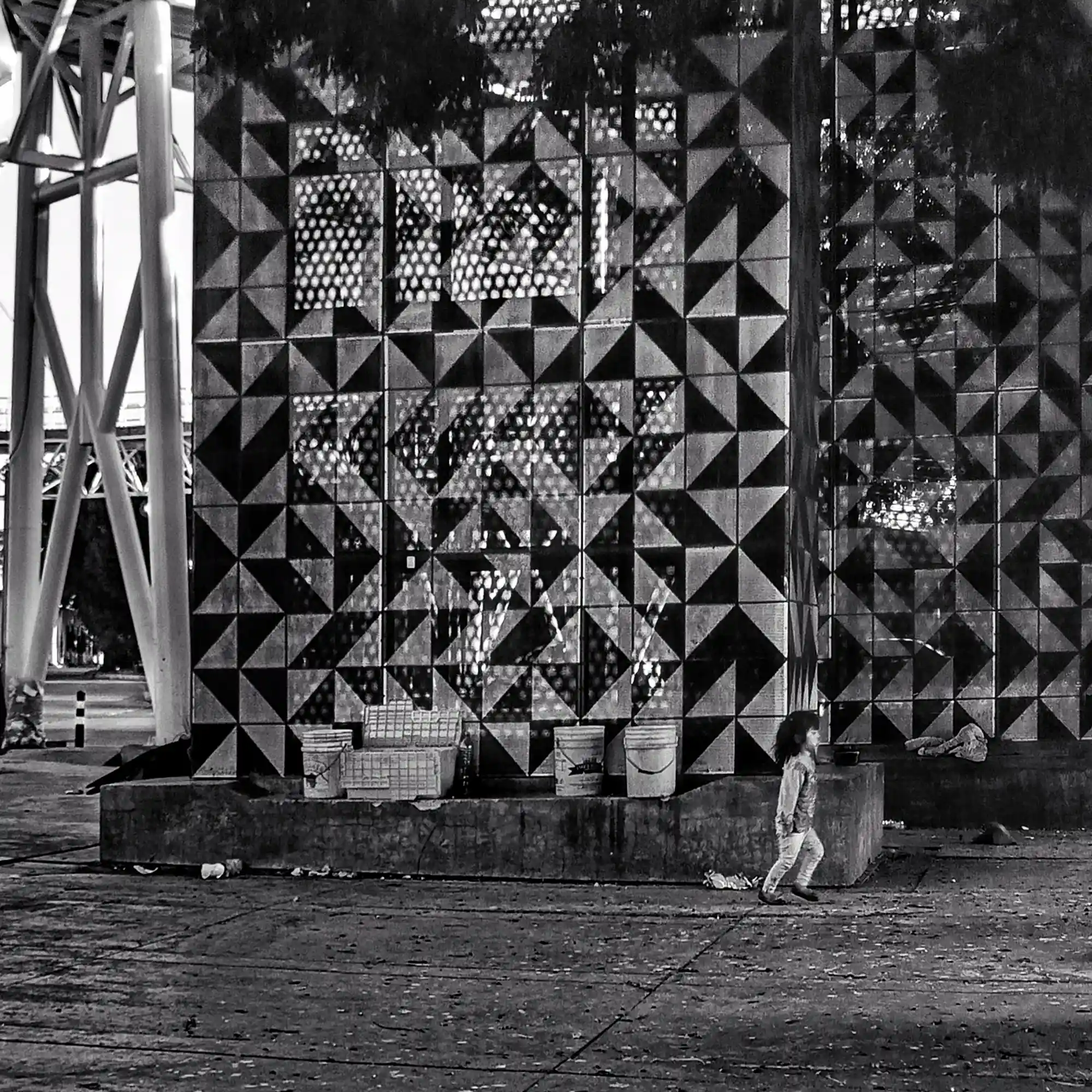
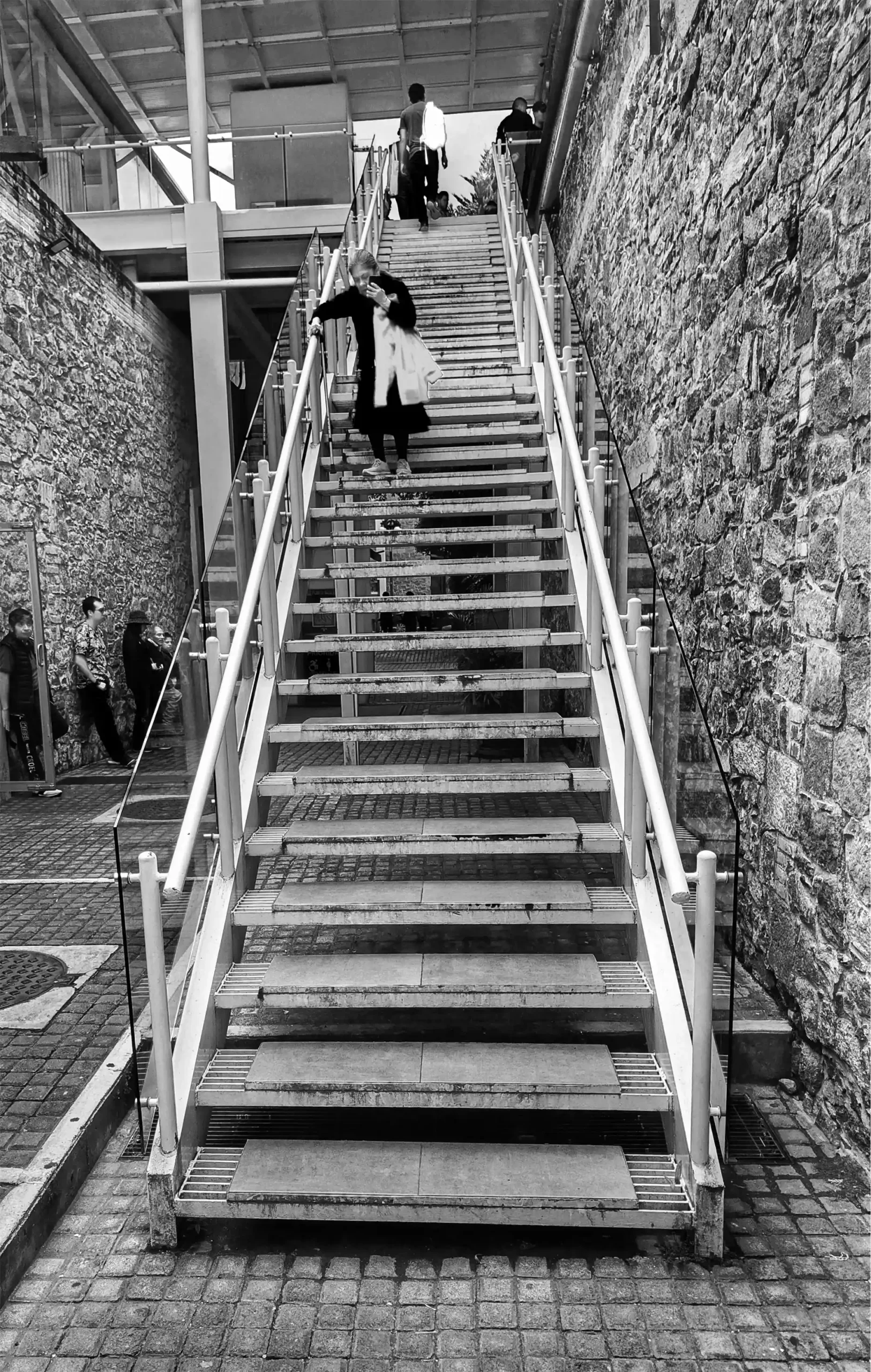
Lately, photography has also become a way for Carmen to highlight scenes or landscapes that, because of how rushed or routine life is, we fail to see — “it’s about the uniqueness, the beauty,” she clarifies. “Women on public transportation, people on the street… even if there’s a part of me present in those images, there’s also a raw and unmatched beauty in them that we’ve grown desensitized to, that we’ve pushed aside and no longer notice.”
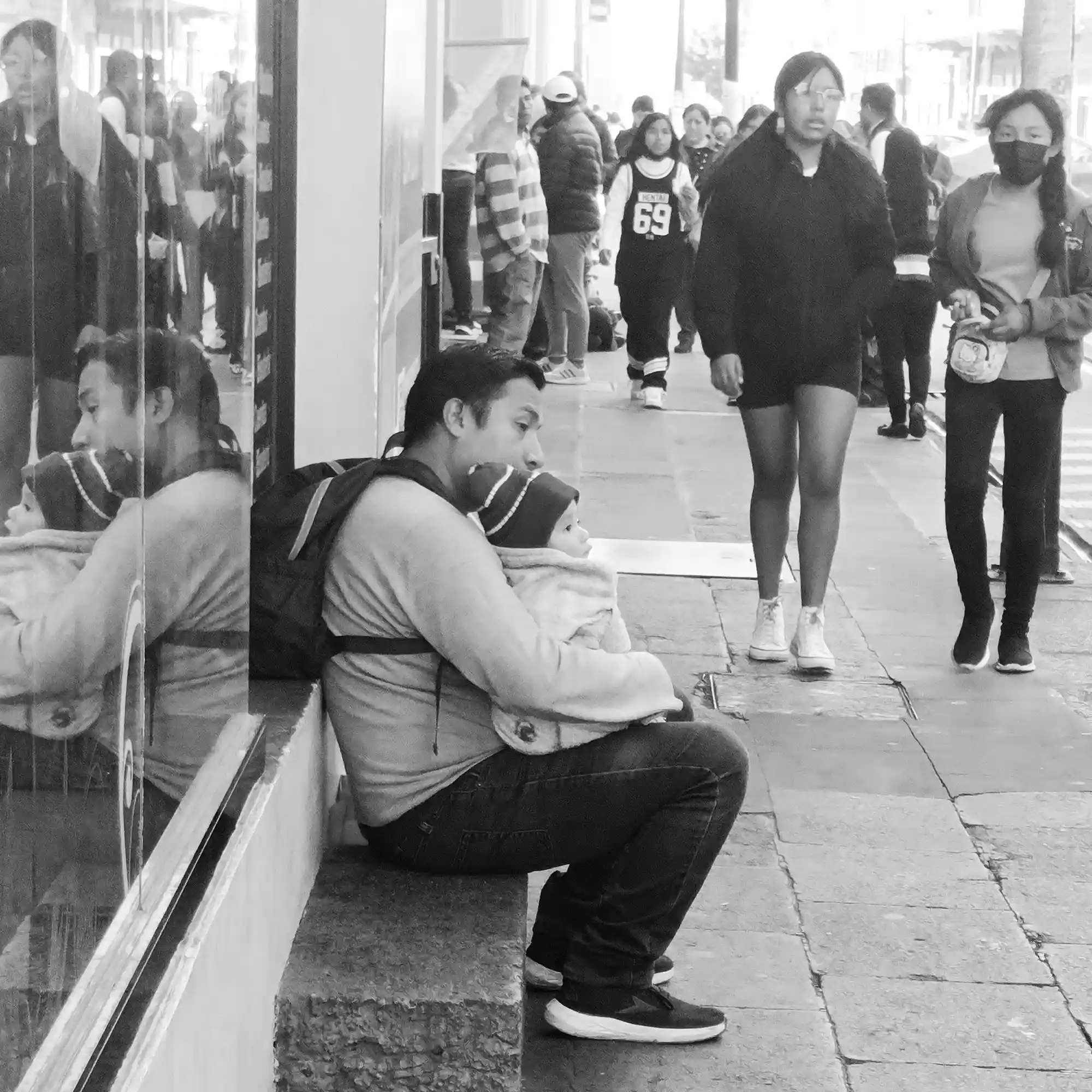
Choosing a camera or a phone as a means of expression came naturally — it was simply what Carmen had on hand. “It was more immediate than painting, for example, and given the kind of life I lead, I think photography also takes less time than other mediums.”
Thinking back to her childhood, hints of creativity were present with her paternal grandfather. “He used to grind small glass panels and paint miniature landscapes on them — scenes of the sea, the forest — and then go out to sell them. I think more than an artistic streak, he might have had a streetwise streak,” she laughs.
He had a small workshop filled with all kinds of materials for his creations — oils, brushes, and countless other tools. Carmen remembers it as the kind of place where you could find anything.
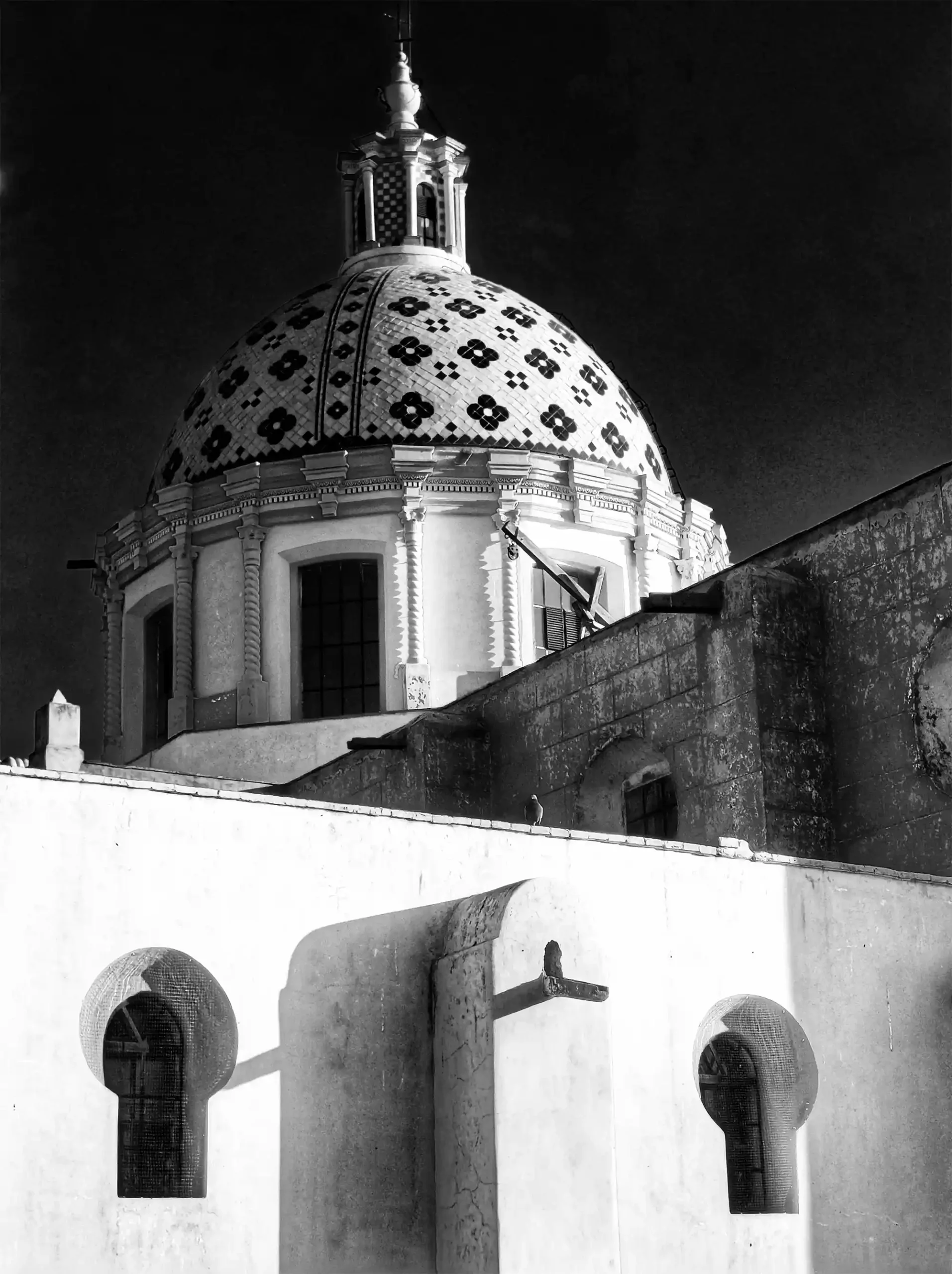
“As for me,” she says, “my formal training began during my studies, but recently I’ve returned to photography more seriously, mostly practicing in an intuitive, self-taught way. I believe an image can give voice to things we don’t want to look at. It can spark uncomfortable conversations about topics we often try to avoid. It also has the power to rescue what isn’t conventionally beautiful, but instead, brutally real.”
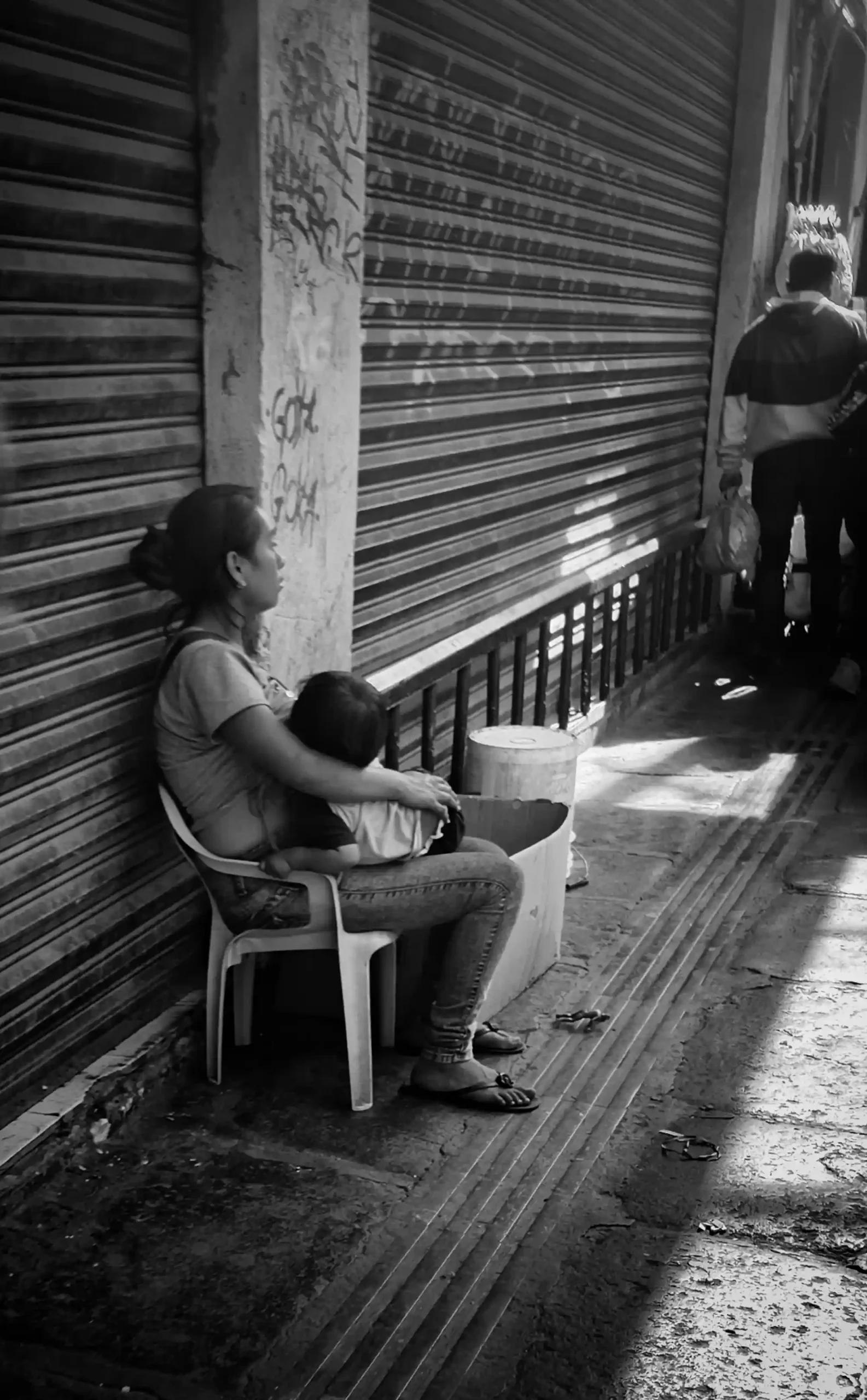
Carmen believes photography becomes a record of events — “something gains truth when it is photographed — and that, to me, is profoundly important.”
Whether it’s the effort of a street vendor or the stillness of a pedestrian at dusk, she aims to reveal the strength and vulnerability embedded in everyday life.
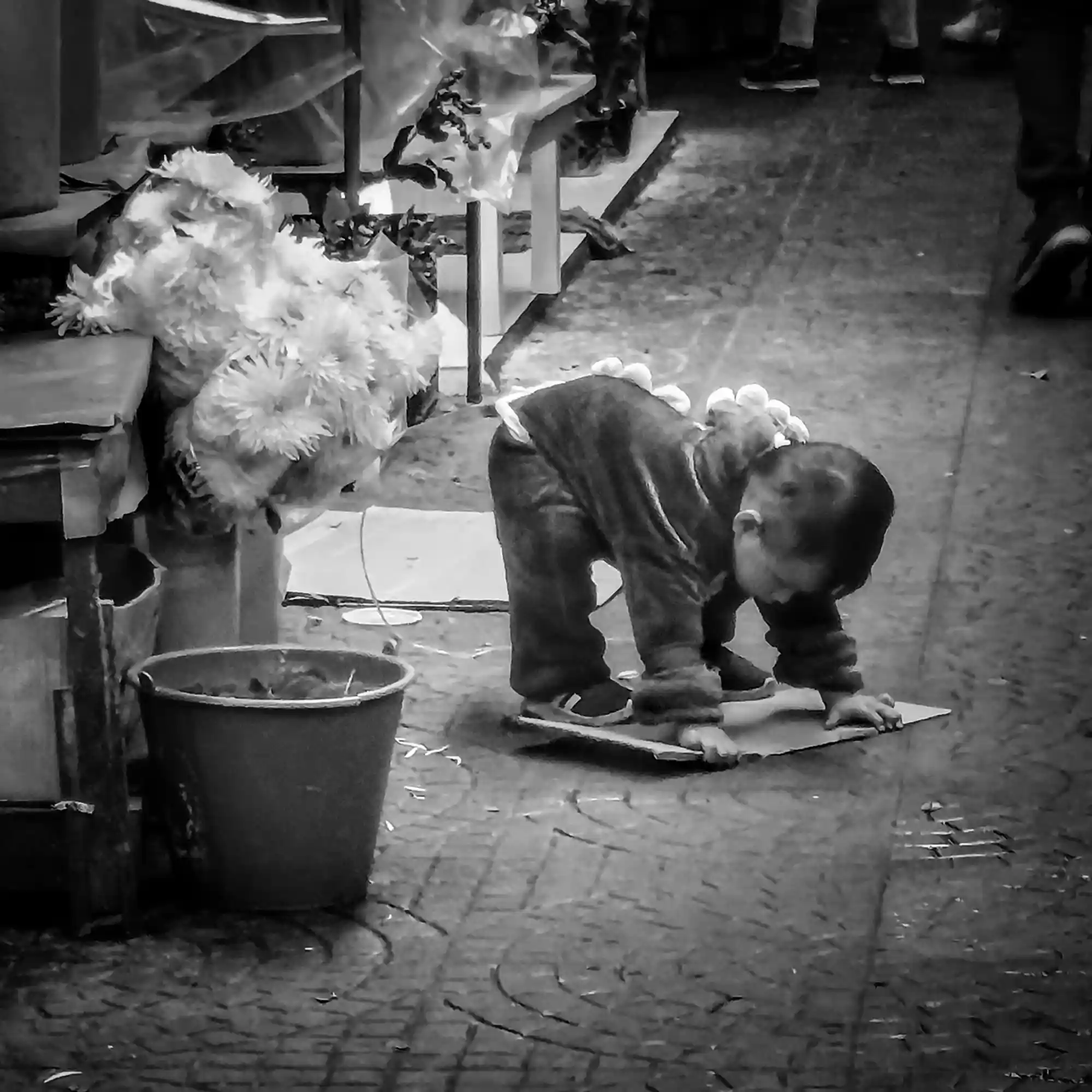
Carmen reflects on the challenges and rewards of practicing photography in her community with both honesty and hope. One of the main difficulties, she explains, is safety. “Many have lost their equipment more than once,” she says, noting that there are areas deemed off-limits or situations where taking a photo has placed photographers at real risk.
Access to resources is another barrier. Workshops, training opportunities, conferences, and materials are not always readily available or affordable, making it difficult for emerging photographers to grow their skills consistently.
Despite these challenges, Carmen finds deep fulfillment in the recognition of her work. For her, the most rewarding experiences come through exhibitions and the opportunity to share her knowledge with others. These moments of connection and acknowledgment make the risks and limitations feel worthwhile.
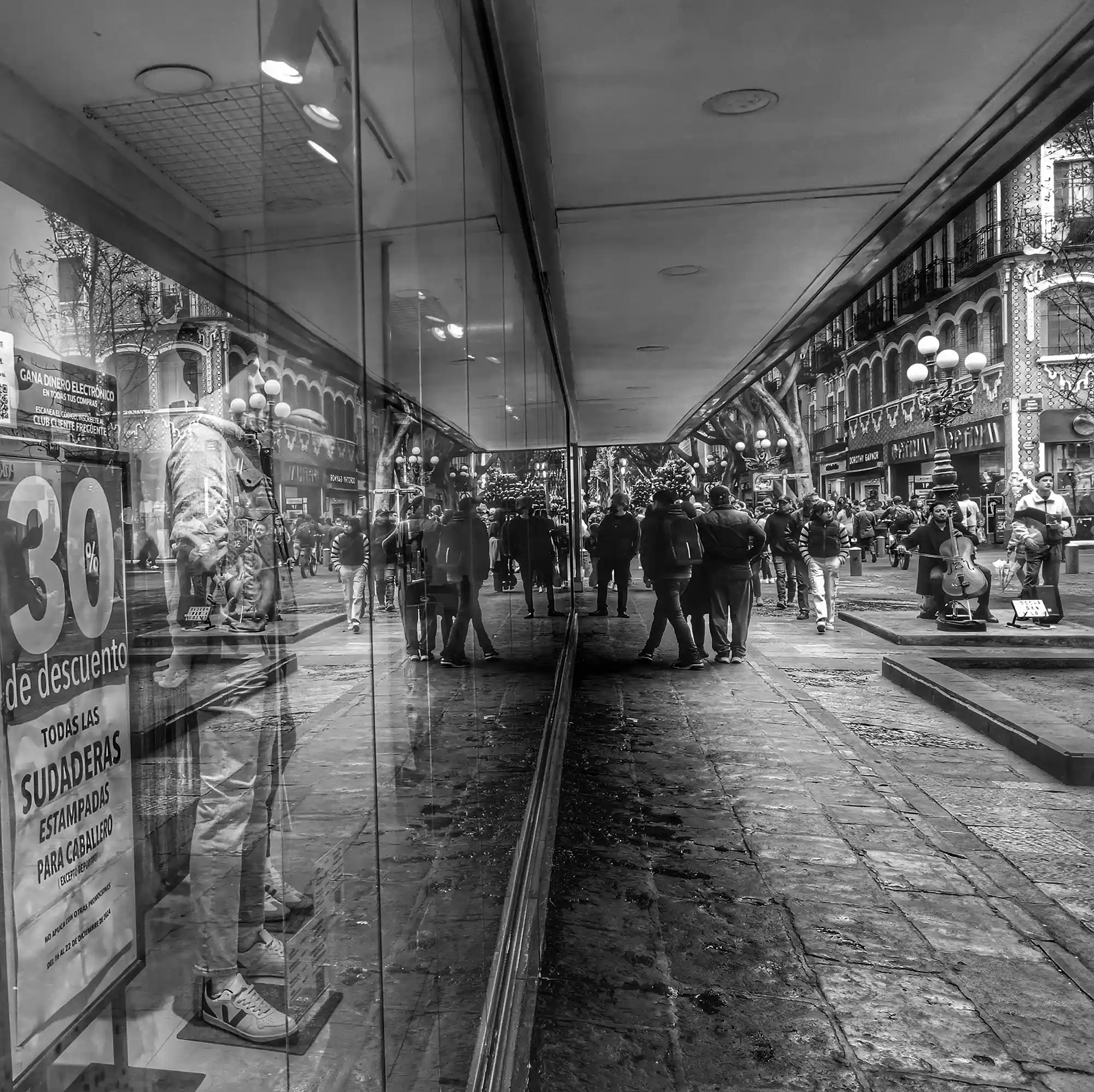
Carmen begins her photographic process with quiet mental preparation. She thinks about what she needs to feel comfortable—how to keep her hands free, how much time she’ll have—and decides whether to bring her camera or simply rely on her phone. Sometimes, she passes by places and returns later, waiting for the right moment, the right light, or the right feeling.
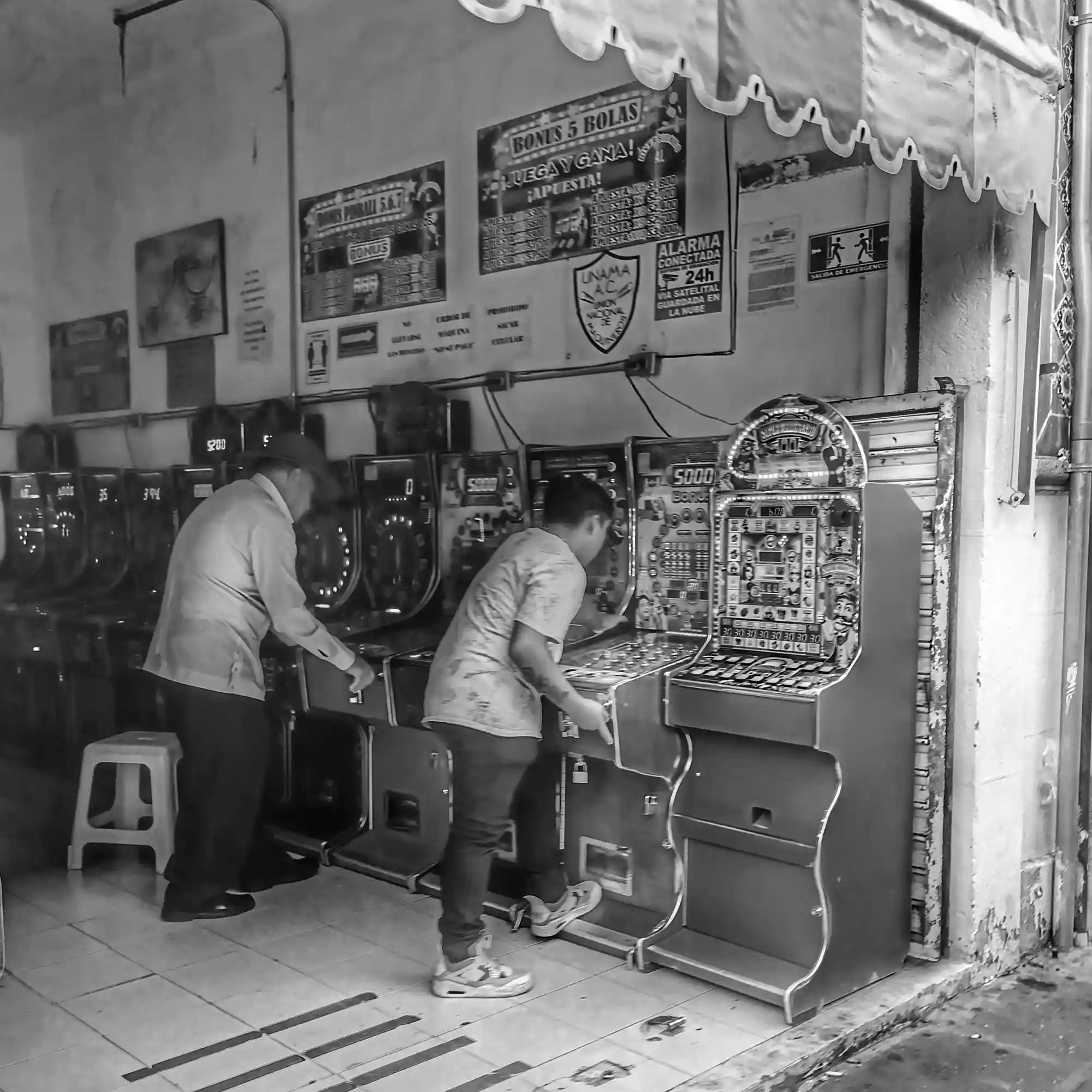
Her goal isn’t just to document, but to transmit emotion. She seeks to reveal the beauty of the everyday—the quiet strength in ordinary people trying to move forward, the invisible labor that sustains entire economies. “I capture how our economy moves from the base, and even though we are at the base of the pyramid, every piece of our society is important.”
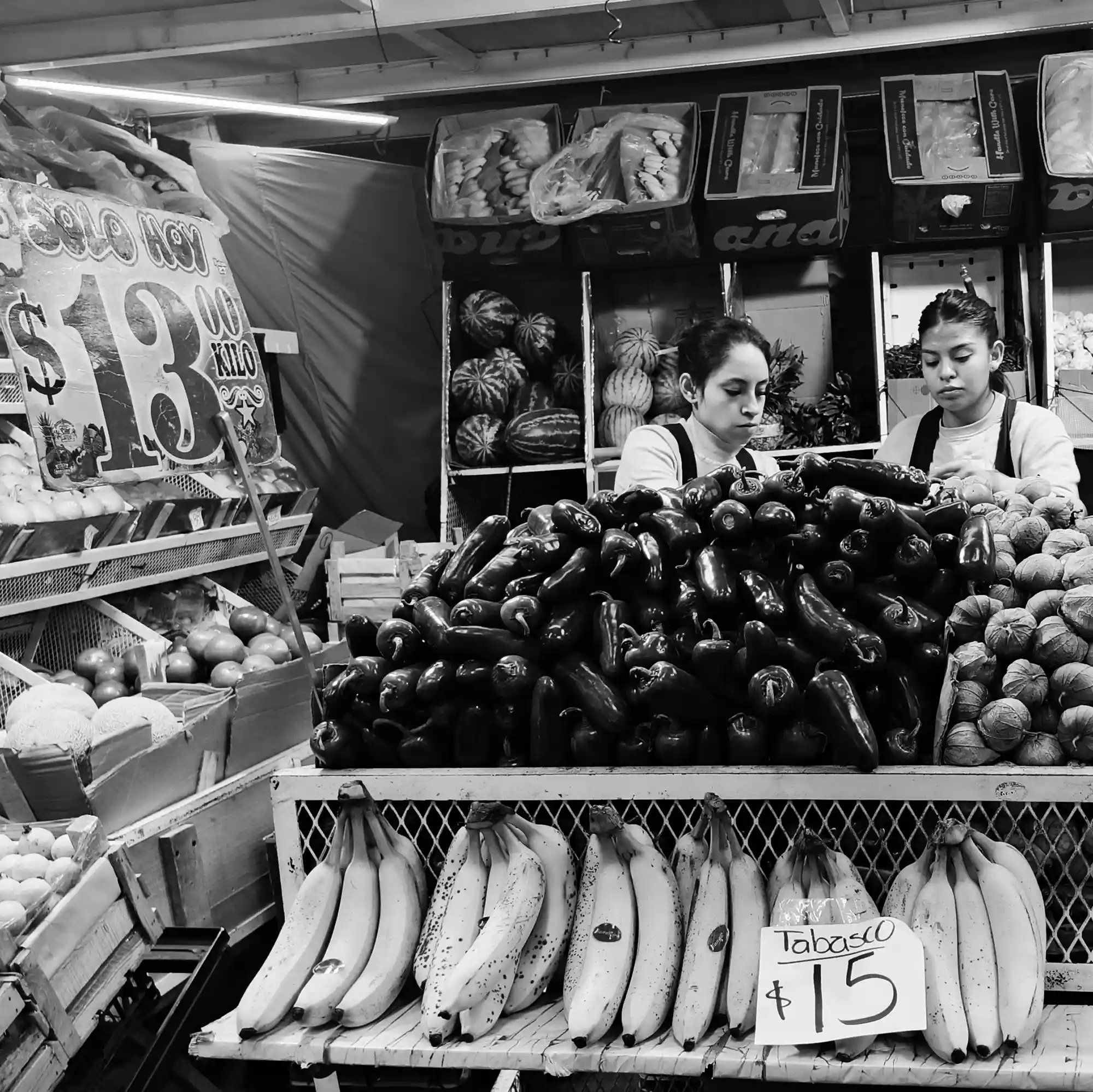
Carmen also photographs the more difficult aspects of the human experience: “…a bit of the powerlessness of when, as humans, we can’t escape a whirlwind—that in every story of vulnerability, there is strength, there is life. Sometimes I manage to capture something… weariness, exhaustion, tedium, or loneliness, abandonment… It’s my way of saying that not everything is an extended smile; humanity is made of these moments, too. And sometimes, if I capture something considered as beautiful, it’s just for a breath.”
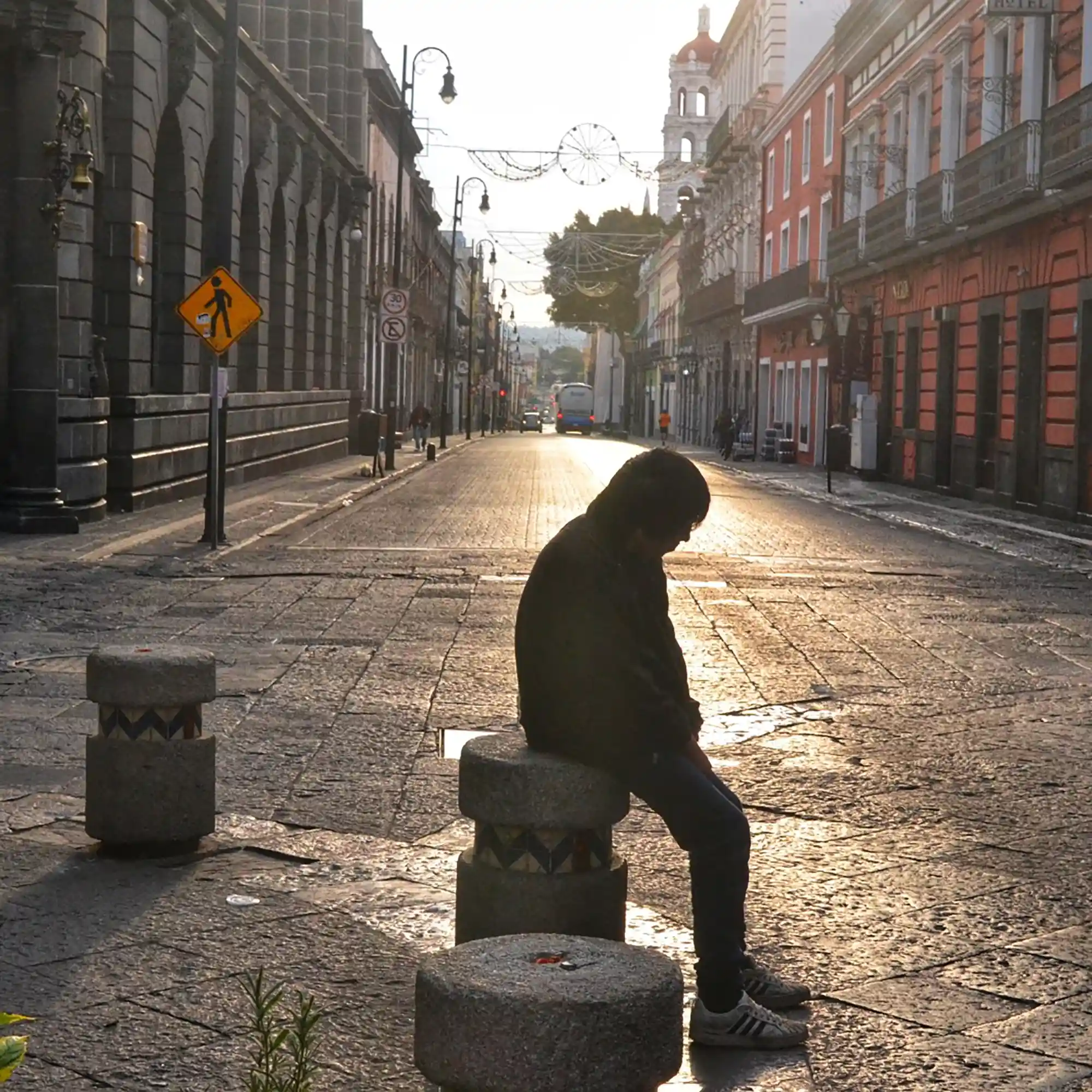
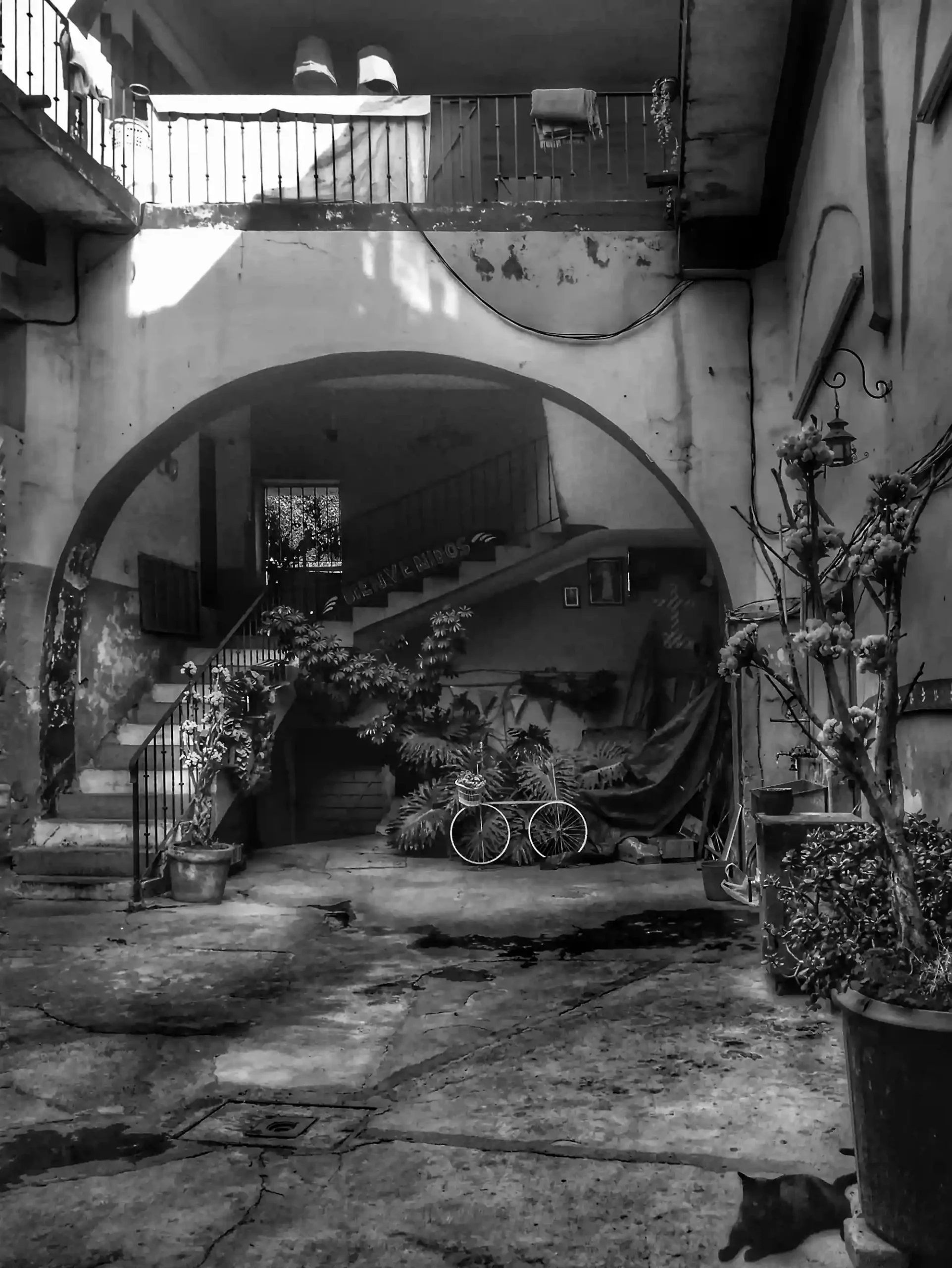
She has always been fascinated by old buildings and abandoned places, including the architecture of her city. However, in recent months, circumstances have changed, and urban photography has taken a backseat as her focus has shifted.
Another subject very dear to her is photographing people in their everyday moments, capturing a pause that becomes an eternal tribute.
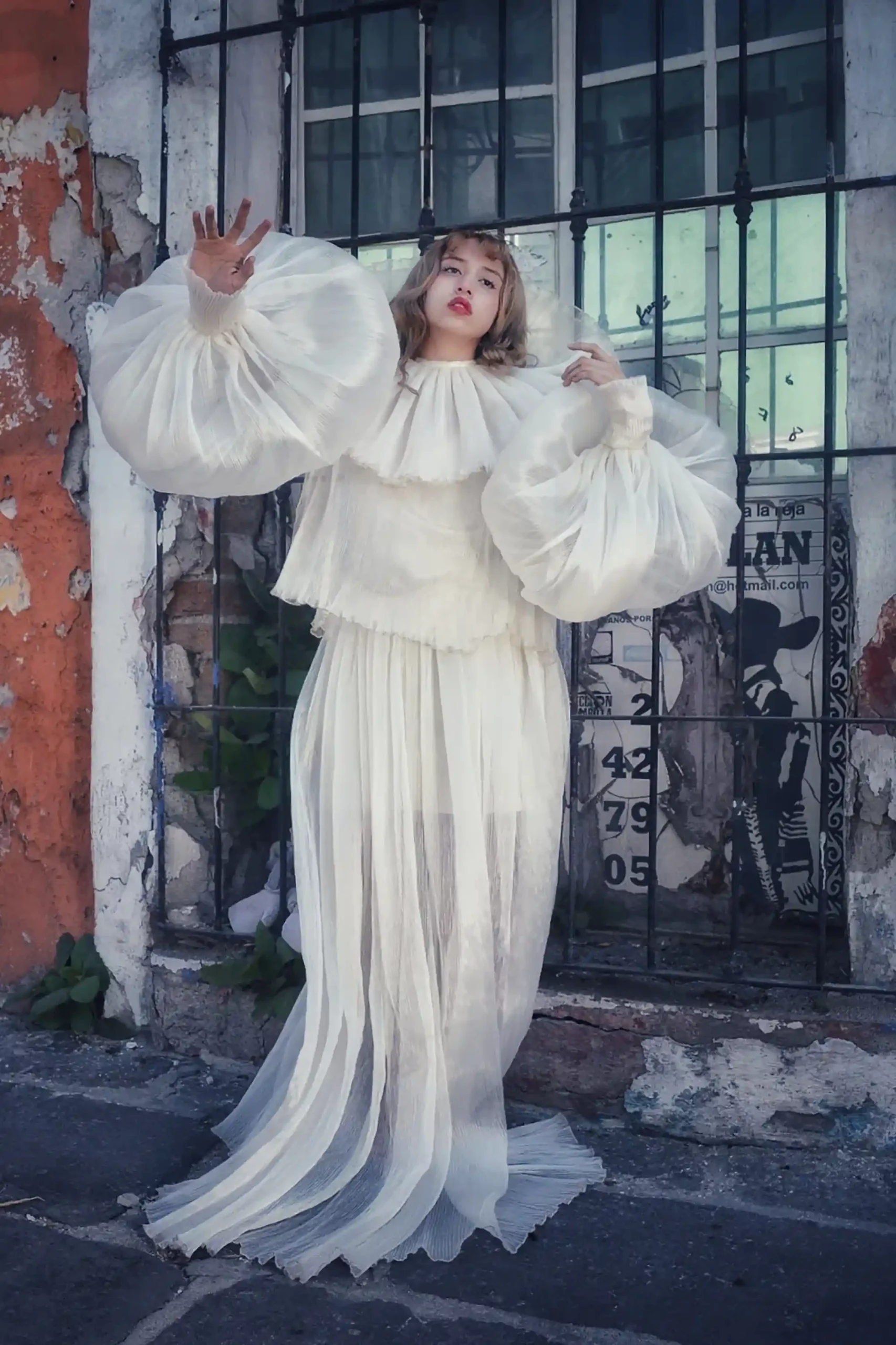
One turning point in her journey was a photo she calls La niña cabeza de flores. It marked the first time she approached a stranger for a portrait. “It was a pleasant experience since she agreed, and I realized I could take other kinds of photographs—not just of buildings and inanimate objects. It was a turning point in my thinking.”
“It was very special to me because as a child, I had recurring dreams about the sage flower, though I had never seen them in my life. As an adult, I learned their name. So, during a hike in the mountains, as we were climbing, we came across a girl holding a huge bouquet of sage flowers, which left me both shocked and excited. I nervously asked to take her photo, and she agreed. It had a happy ending.”
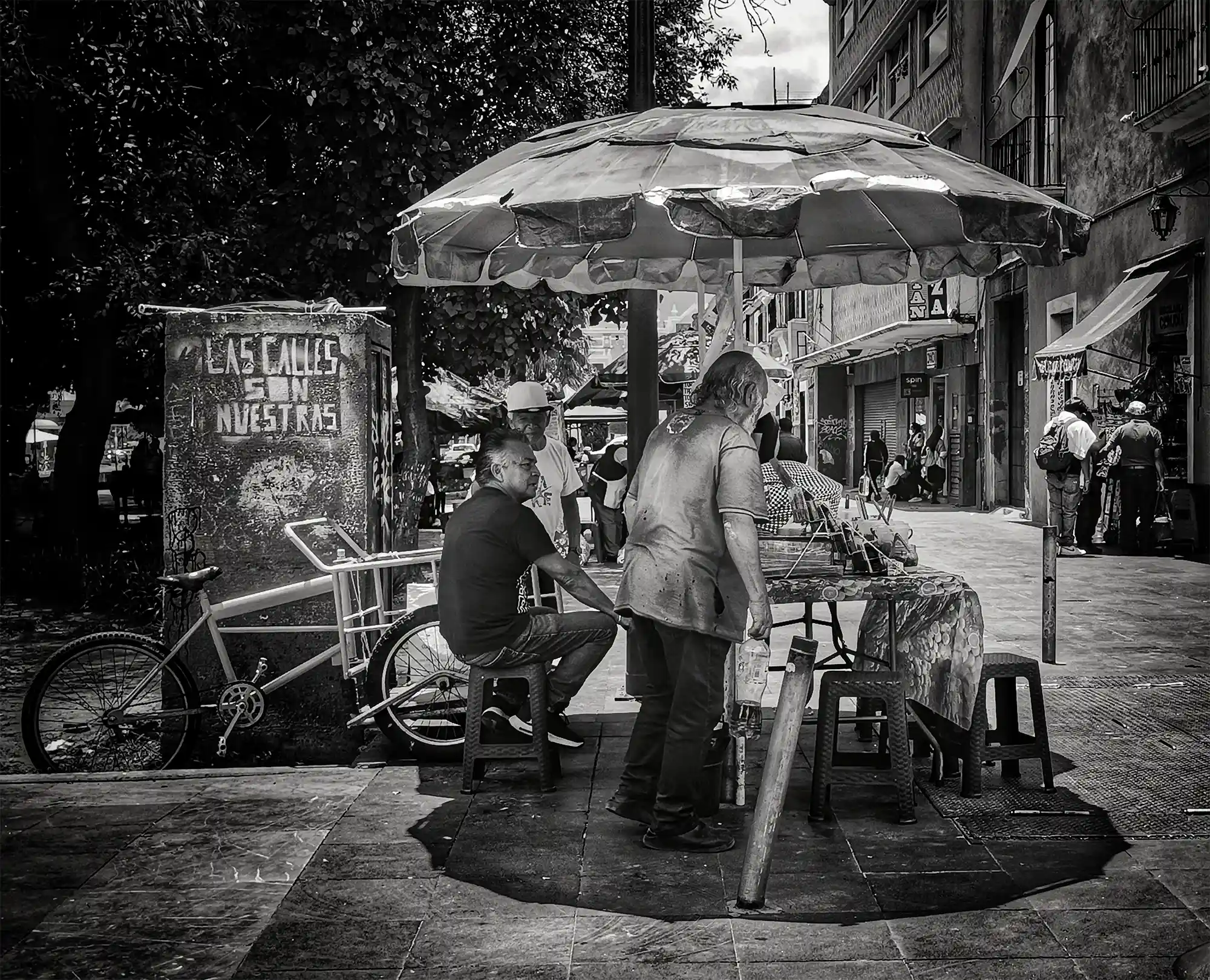
In recent years, Carmen’s practice has become more personal. After years of focusing on motherhood and setting photography aside, her children have begun to engage with her work. “At first, they found it strange—‘Don’t take photos of people, Mom!’ they’d say. But now, they ask to borrow the camera. Watching them notice light, color, and scenes fills my heart.”
Some photographs have been very emotional for Carmen, “especially those related to motherhood or fatherhood, childhood, and how mothers and fathers manage to raise children in this fast-paced world. It’s about the creativity and necessity of a mother tying up her little one who is just starting to walk at her vegetable stall in the market—these are mosaics of my own motherhood. Seeing children playing in the street or sleeping on boxes touches deep chords.”
Carmen’s future projects speak to her commitment to storytelling with impact. She is currently developing a series featuring women who are survivors of violence—”What I seek is not to retell that story but to show what they are doing now, how they have rebuilt their lives, and how their success stories (starting from the fact that they are survivors) can inspire more women. Many might say this is a very common topic, but for me, it is important to focus on the fact that it is possible to move forward from that situation, that a life of sadness can indeed be transformed into a peaceful life.”
“There is always talk about victimhood, but we also need stories of achievement. I want a look at the present and a future of well-being. There is this narrative that they won’t be able to manage alone, that they depend on their partner, and there is also a lot of ignorance about self-defense and available options afterward. This is where my interest in showing what is possible comes from.”
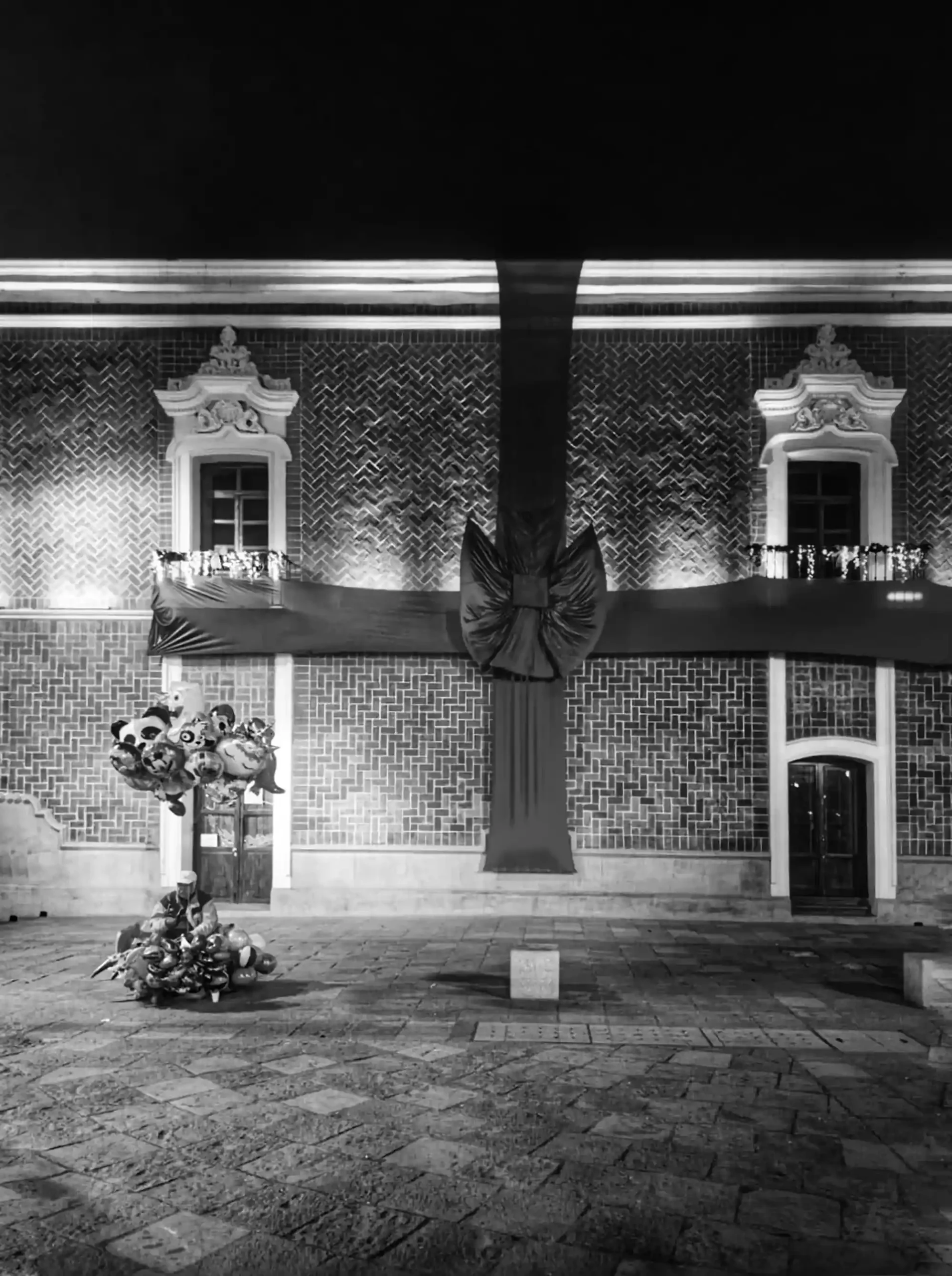
In terms of dream projects, she reflects, “I left unfinished the project of photographing all the Talavera tiles I could find in the historic center of my city (Puebla) along with the buildings that bear them, which are completely colonial. And it has remained suspended because I believe my eye has changed and my interests are now different. At the time, it was a very cherished dream. Reflecting on it, I think it’s because I am shifting from urban photography to street photography.”
To aspiring photographers, she offers encouragement. “They’re already doing great—so much energy and creativity. They’re using tools we never imagined possible.”
And if she could speak to her younger self? “Don’t wait so long to take photography seriously,” she would say, “but don’t worry—it will find you when the time is right.”
To Learn More Visit:
 Soledad Quartucci, CEO, Latina Republic
Latina Republic envisions a world where the beauty and resilience of Latin American and Caribbean cultures are recognized and appreciated globally. By amplifying the voices of artists and cultural custodians, we strive to cultivate a deeper understanding of the region’s challenges and triumphs. Our goal is to inspire greater appreciation for the arts as a tool for empathy, unity, and transformative social change. Through our work, we aim to equip all stakeholders with essential insights for addressing regional challenges, ultimately enriching the global cultural landscape and portraying the victories and hardships of everyday life in Latin America.